

All-Mahogany Martins And The Spruce-Top 0-16NY
Martin 15 And 17 Guide
Identify the body size, top wood and production period before treating a Style 15 or 17 name as a complete specification.
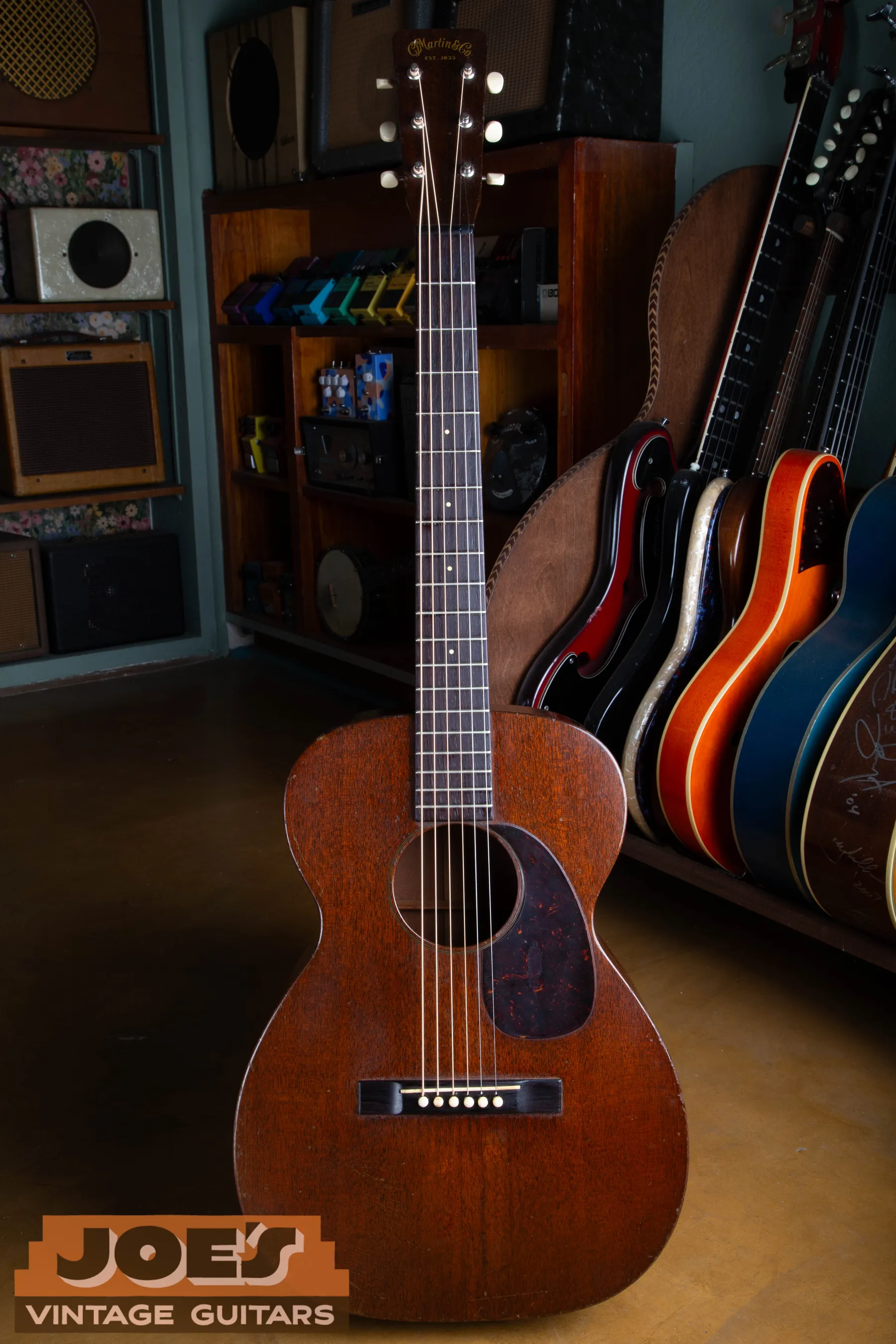
The familiar vintage Martin 0-15, 0-17 and 00-17 belong to the all-mahogany family, but the style numbers have a longer history. Early Style 17 guitars can use different woods, and the 0-16NY has a spruce top. Identify the construction before using the 15, 16NY and 17 value guide.
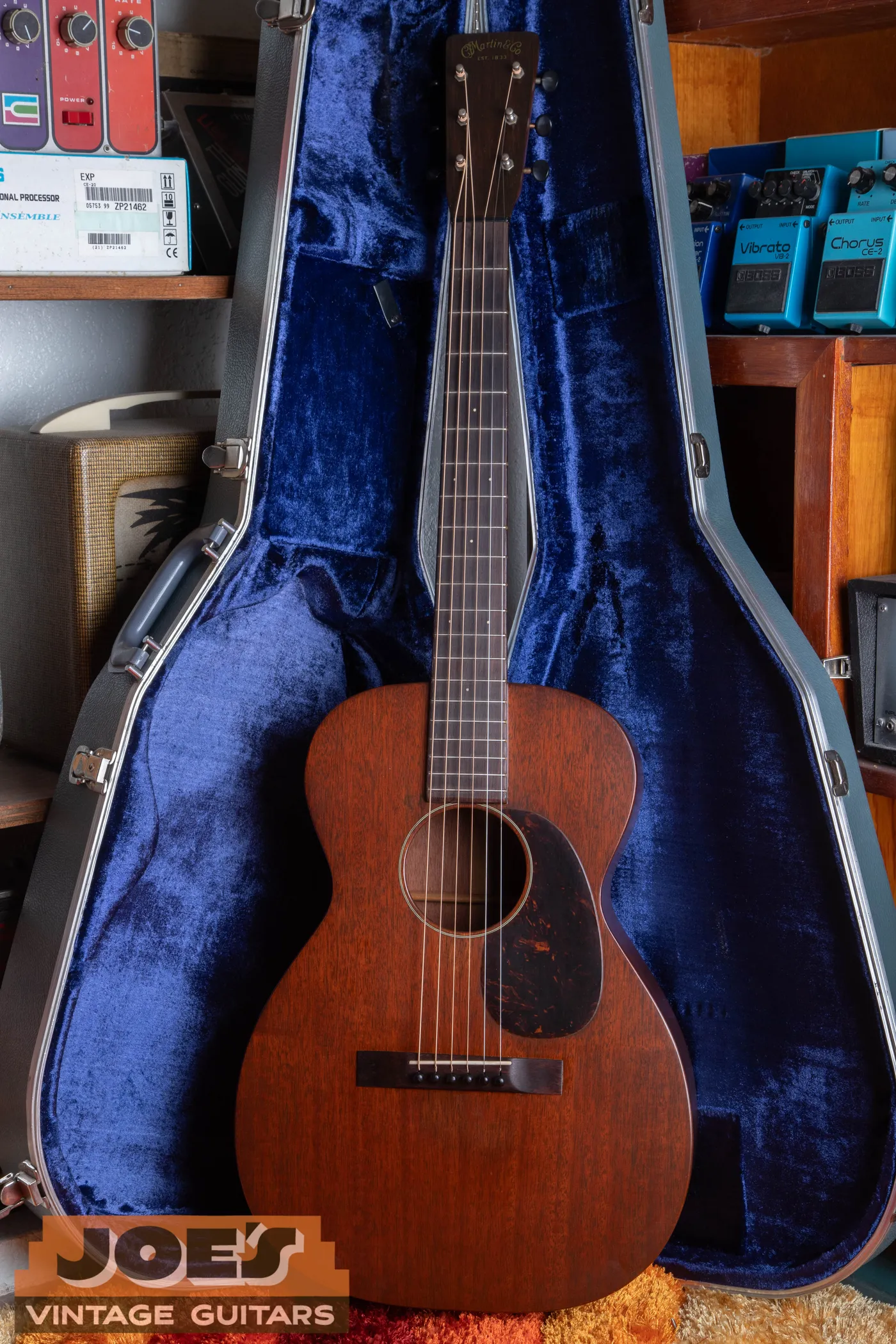
Joe’s archive supplies a prewar 1937 0-17, a clean 1955 0-15 and a 1962 0-16NY. A separately labeled 1951 00-17 illustrates documented repair and finish work. These examples help keep a model’s original specification separate from the condition of a particular surviving guitar.
Authenticity And Originality Are Assessed From The Information Provided. A Hands-On Inspection Can Change The Conclusion.
A Model List For The Vintage Family
Identify The Size And The Version Of Style 17
The number before the hyphen identifies size. It is part of the model, so an 0-17 and a 00-17 need separate identification. The Martin size decoder explains the numbering and measurements. Count the zeros carefully when reading a worn stamp; a faint impression can disappear under direct glare.
All-mahogany describes the body’s top, back and sides. It doesn’t mean that the fingerboard, bridge, binding or internal components are mahogany. Examine the soundboard’s grain separately from its color. Stain and an amber finish can make spruce and mahogany appear closer in a phone photograph than they do in person.
| Model | Period Or Configuration To Investigate | Scope Here |
|---|---|---|
| 0-15 / 0-15H | 0-15: 1940 to 1961; 0-15H: 1940 Hawaiian variant | All-mahogany originals |
| 0-17 / 0-17H | Late 1920s onward; 12- and 14-fret groups | All-mahogany originals and Hawaiian checks |
| 00-17 / 00-17H | 1930s through 1960 original groups | Grand Concert models; later revivals excluded |
| 000-17 | Small 1952 all-mahogany run | Distinct from early and modern versions |
| 2-17 / 2-17H | 1922 onward all-mahogany groups | Separate from earlier spruce-top 2-17s |
| 1-17 | 1931 to 1934 all-mahogany version | Identification included; no source price row |
| 5-17 | 1927 onward all-mahogany groups | Separate from earlier Style 17 and tenor models |
| 0-16NY | Introduced in 1961 | Spruce top, mahogany back and sides |
This list follows the original model descriptions and price groups in the 2026 annual guide, with early construction context from the illustrated Style 15 and 17 archive. It is a list of versions to distinguish, not a claim that every model ran continuously through every intervening year. Rare examples need their own records.
A Reused Style Number
Keep Early Spruce-Top Style 17 Guitars Separate
Style 17 existed before the familiar all-mahogany guitars. Early versions can have spruce tops and, in some periods, rosewood backs and sides. The illustrated Style 17 archive traces the later all-mahogany 2-17 from 1922. The early Martin guide provides the broader construction checks for older instruments.
That distinction matters with an early 0-17, 2-17 or 000-17. A dark finish doesn’t convert a spruce top into mahogany, and a reused model name doesn’t establish identical construction. Document the top from several angles and include the soundhole edge where it can be photographed without disturbing the instrument.
Earlier 00-17 values remain with the early value guide. The all-mahogany chart paired with this page excludes those earlier versions. It also keeps a spruce-top 0-17S separate from an ordinary all-mahogany 0-17, even though the numerical part of the stamp looks familiar.
Before putting heavier strings on an early guitar, establish its construction and condition with a qualified repairer. Existing strings show how the guitar is currently set up. They don’t supply a repair history or establish the tension it was designed to support.
Style 15 And Style 17 Details
Compare The Plain Appointments Carefully
Style 15 Evidence
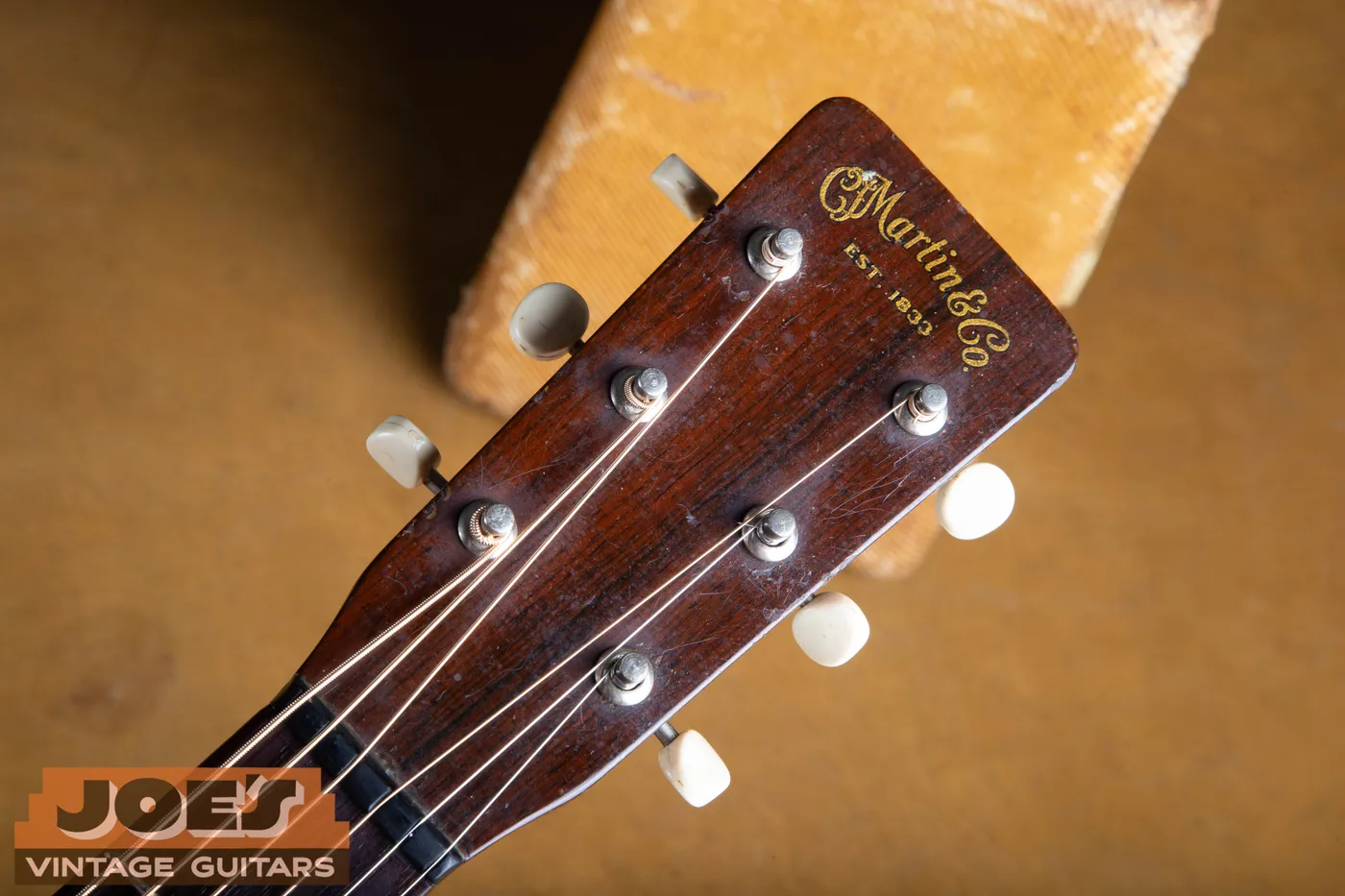
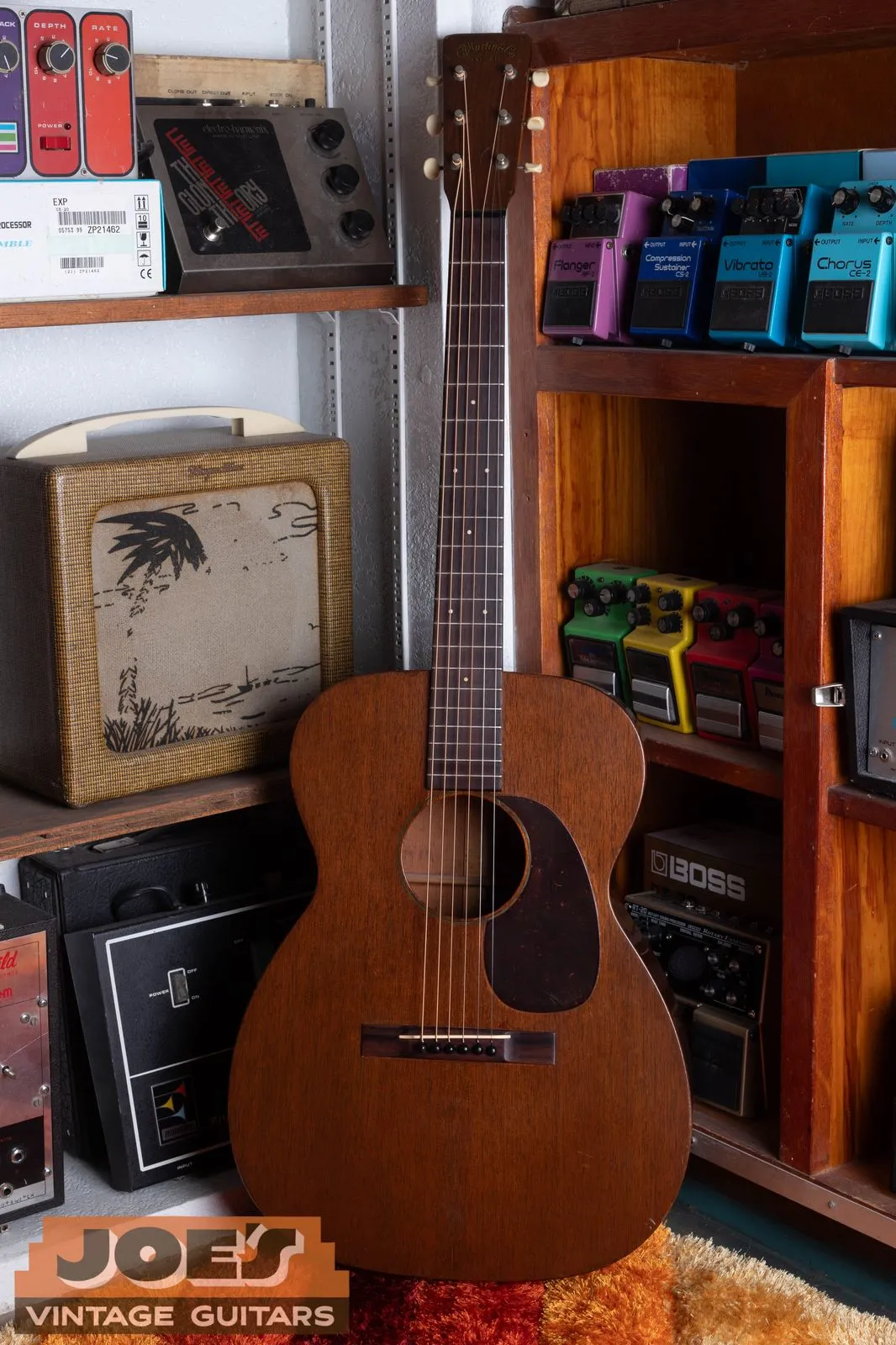
The familiar vintage 0-15 combines an all-mahogany body with restrained ornament. Inspect the rosette, fingerboard markers, bridge and headstock facing together. The Style 15 archive documents wartime tortoise-pattern Fiberloid headstock facings on some 0-15s. An unfamiliar facing therefore needs a period comparison before it is called a replacement.
Joe’s 1955 example gives a different, later reference. Its full front, headstock and block photographs belong to the same instrument. Use them to compare visible parts, while remembering that the exterior cannot establish the installed neck reinforcement or bridge plate.
Style 17 Evidence
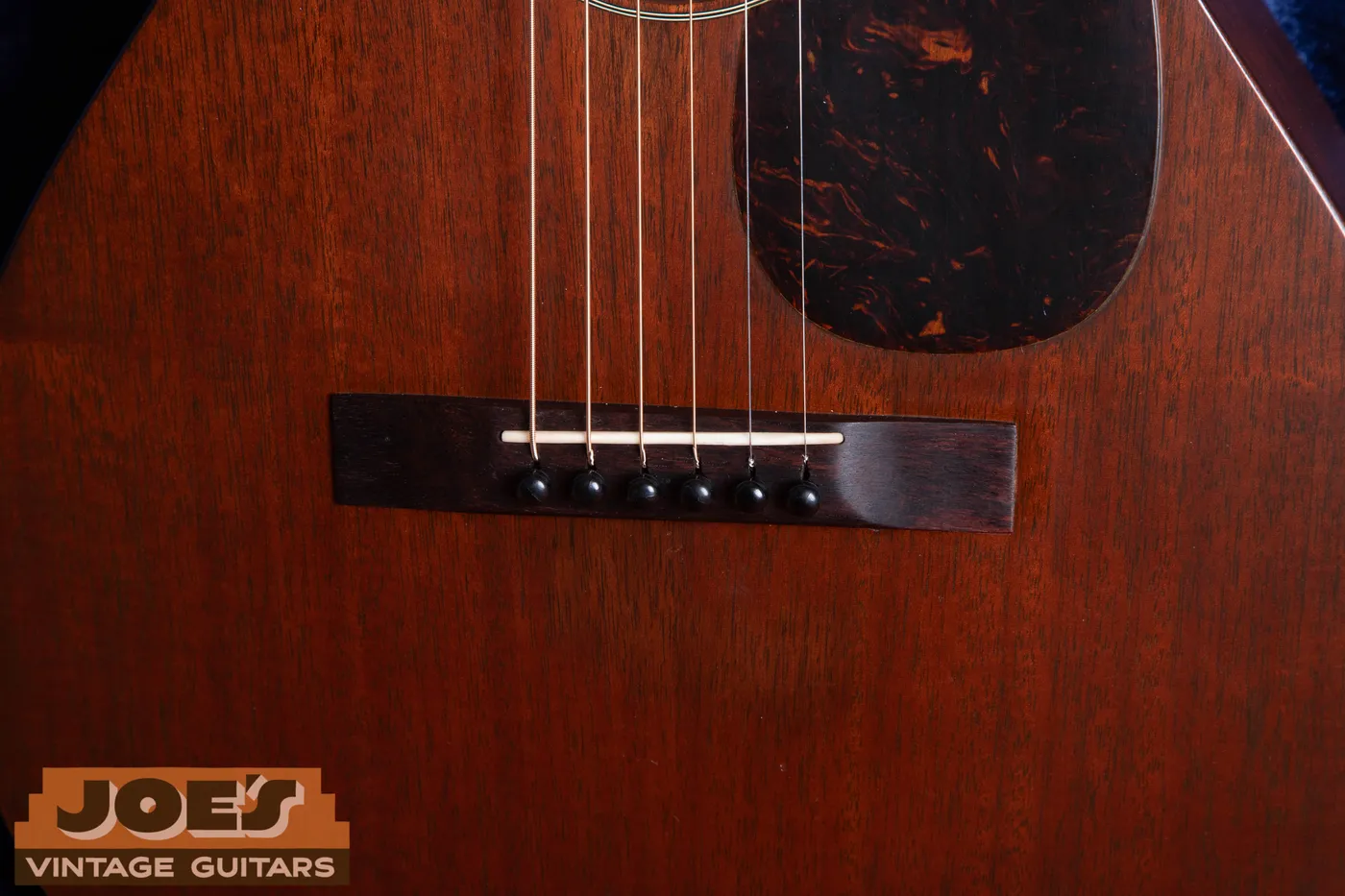
Style 17 appointments changed over time, including finish treatment and fingerboard-marker arrangements. Compare a claimed early-1930s guitar with the appropriate production group rather than using a postwar 00-17 as a universal template. The dated construction photographs show a 1937 0-17 and its rectangular bridge.
For a concrete marker comparison, the house construction guide describes paired dots at the seventh and twelfth frets on early-1930s Style 17 examples. Record the fret positions and pairs, then check whether the board or inlays were replaced. A general description of “dot markers” loses that useful detail.
Finish sheen needs particular care. Wear, polishing and later work can alter the appearance of an originally plain surface. The source groups include different early-1930s finish descriptions; a photograph’s gloss level alone cannot settle a transition date or establish that the finish is original.
The New Yorker Model
Recognize The 0-16NY’s Folk-Era Construction
The 0-16NY is a twelve-fret guitar with a spruce soundboard and mahogany back and sides. Its slotted headstock, plain fingerboard and rectangular bridge distinguish the familiar original configuration. The New Yorker history dates the model’s introduction to 1961 alongside the rosewood 00-21NY.
The clean 1962 guitar below shows those visible features without a pickguard. Photograph the entire top, because a later guard can cover wear or repairs. The presence of a guard calls for an explanation and supporting evidence; it doesn’t automatically establish when the guitar was made.
New Yorker stringing deserves an individual assessment. Historical descriptions discuss nylon and silk-and-steel use on these lightly built guitars. That history is not a blanket recommendation for an arbitrary modern string set. Ask a repairer to evaluate the actual top, bridge, neck and current setup before changing tension.
Don’t confuse the 0-16NY with the 00-21NY. The latter is a larger rosewood model with its own identification and value groups. Nor should a 00-16C classical guitar be absorbed into this category; it belongs with the classical Martins.
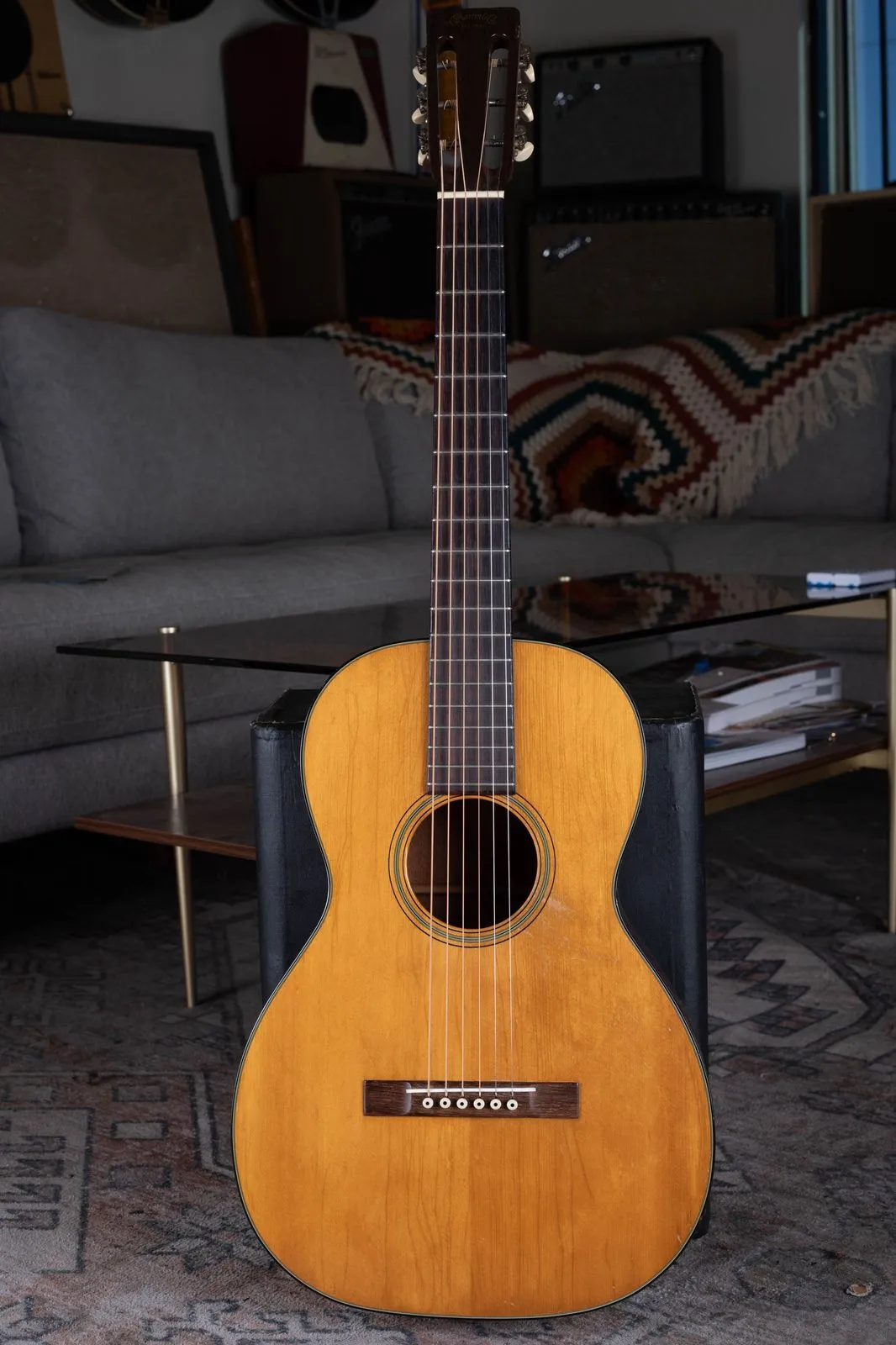
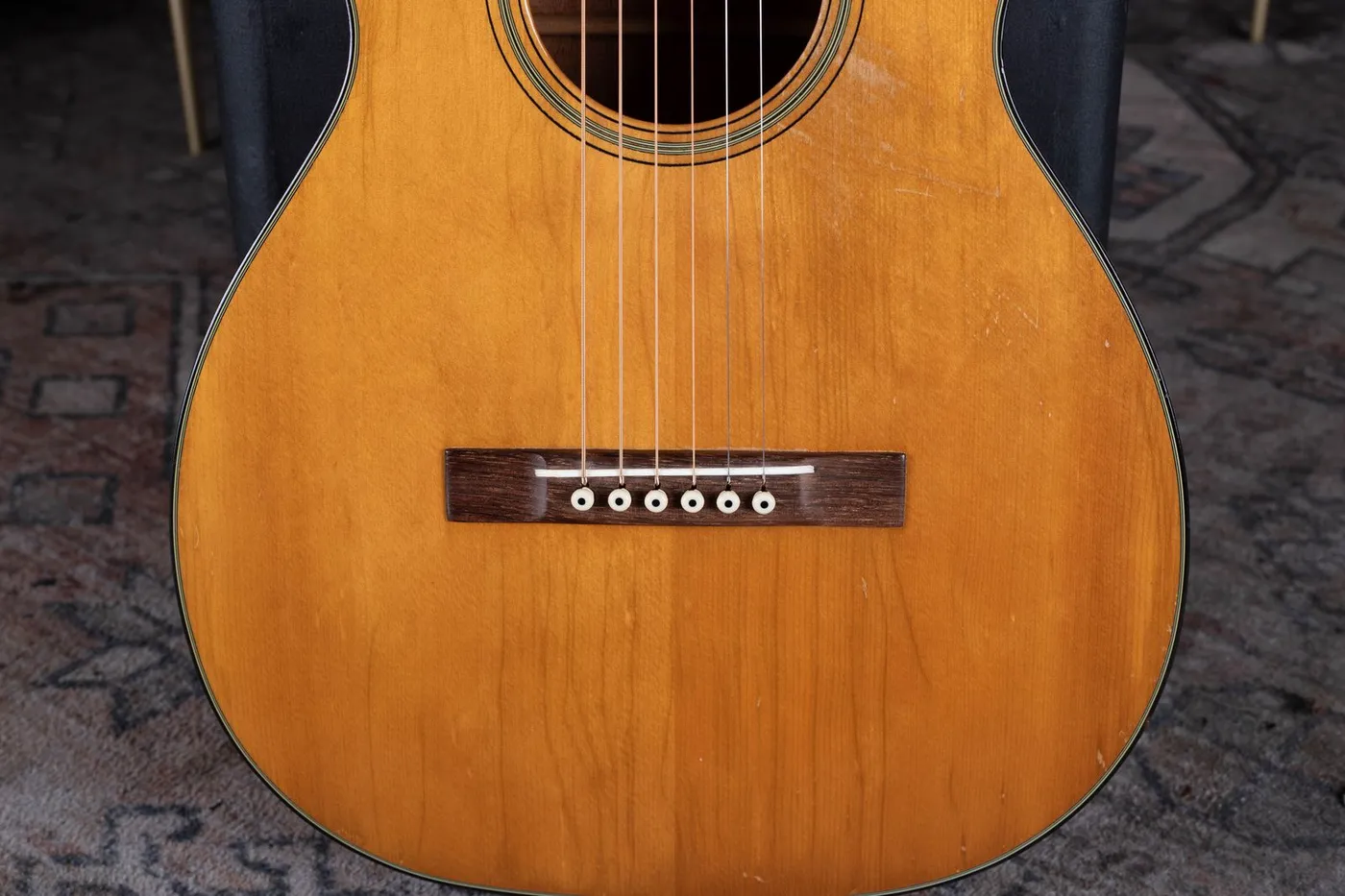
Joe’s 1962 0-16NY description records a clean guitar with checking and good action. The photo set supplies a readable serial as well as a bridge view. Even on a preserved example, the saddle height, heel joint and interior remain useful inspection points.
Two Dated Neck Blocks
Read The Model And Serial Independently
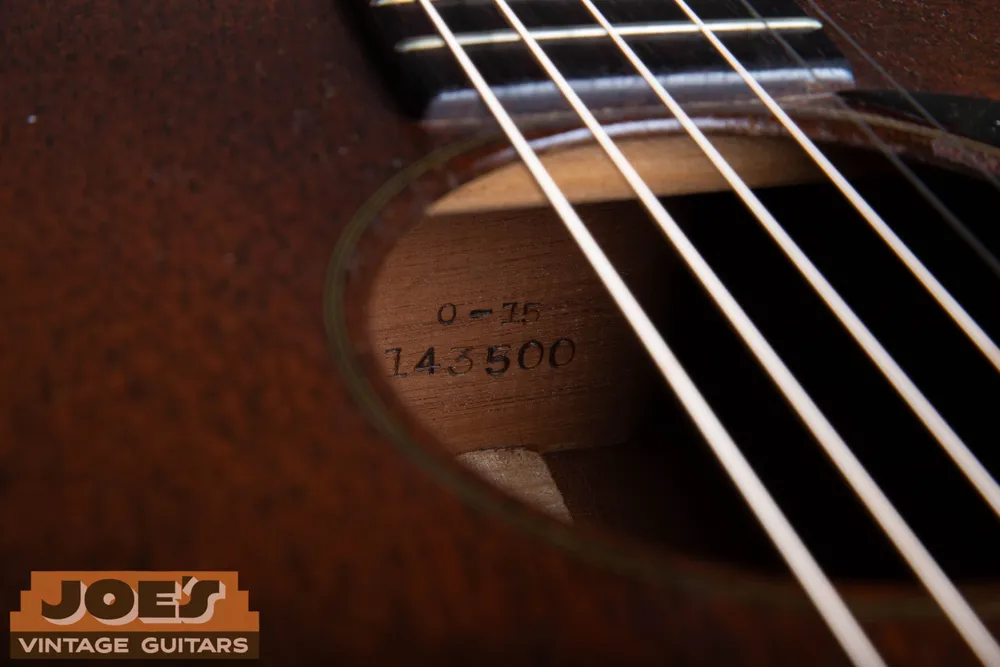
1955 Martin 0-15
The 0-15 model line appears above serial 143500. Martin’s annual totals end 1954 at 141345 and 1955 at 147328, placing this instrument in 1955.
1962 Martin 0-16NY
The complete serial reads 184931. It falls between the 1961 endpoint of 181297 and the 1962 endpoint of 187384. Strings partly cover the model suffix in this view, so retain the complete photo set.
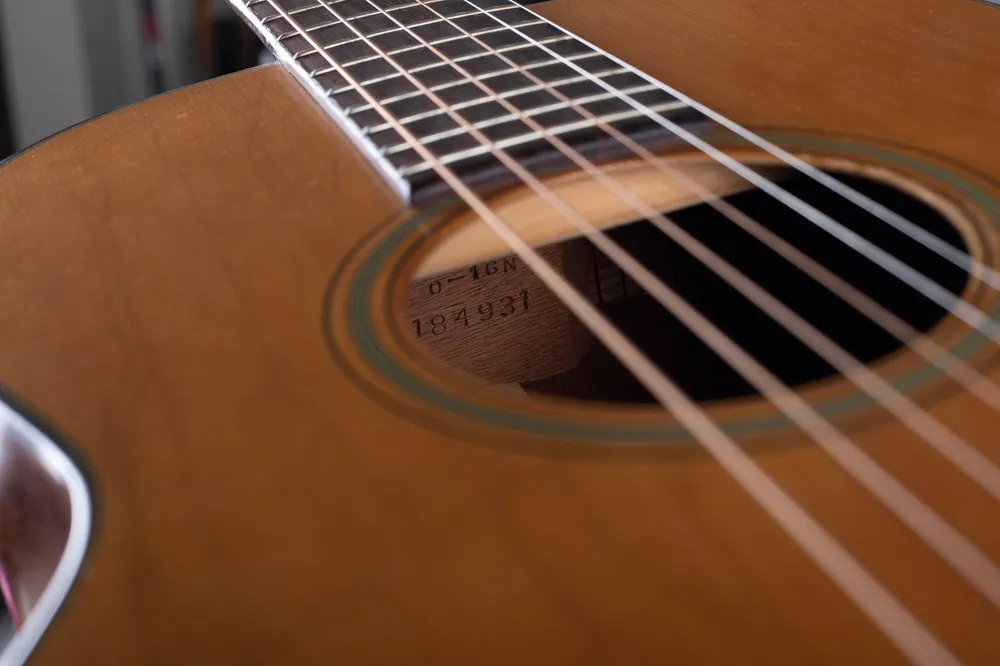
Use Martin’s factory serial table for the year range and the neck-block reference for period markings. The model line and serial line answer different questions. A number can date an instrument without establishing that all its current parts are original.
Earlier instruments can lack a model stamp, especially before routine stamping began around October 1930. Record body dimensions, top wood, trim and neck joint rather than inventing a missing model line. Show the wood around a stamp so that sanding, damage or unusual impressions remain visible to the reviewer.
Prewar, Wartime And Postwar Evidence
Inspect Braces And Reinforcement By Period
Earlier Necks And Body Forms
Bar frets and ebony reinforcement belong to important early production groups. The prewar Martin guide explains how fret type, neck structure and body geometry should be examined together. A later refret can change the visible evidence.
T-Frets, Steel Reinforcement And X Changes
Late-1934 steel T-bar and T-fret changes need to be distinguished from the smaller 0 and 00 models’ X-position changes around 1935 to 1936 in the house chronology. Each observation needs its own support.
Substitutions And Brace Profiles
Wartime ebony reinforcement and tuner variations can be legitimate period features. Scalloped profiles gave way to non-scalloped shaping late in 1944. A claimed wartime guitar needs interior photographs before a brace description is accepted.
Maintenance And New Yorker Differences
The ordinary postwar models and the lightly built New Yorkers need their own construction comparisons. Use the dating reference for reinforcement chronology, then verify the individual guitar rather than carrying a single specification across the family.
Interior Repairs And The Bridge Plate
Photograph The Top’s Underside Before Naming Its Bracing
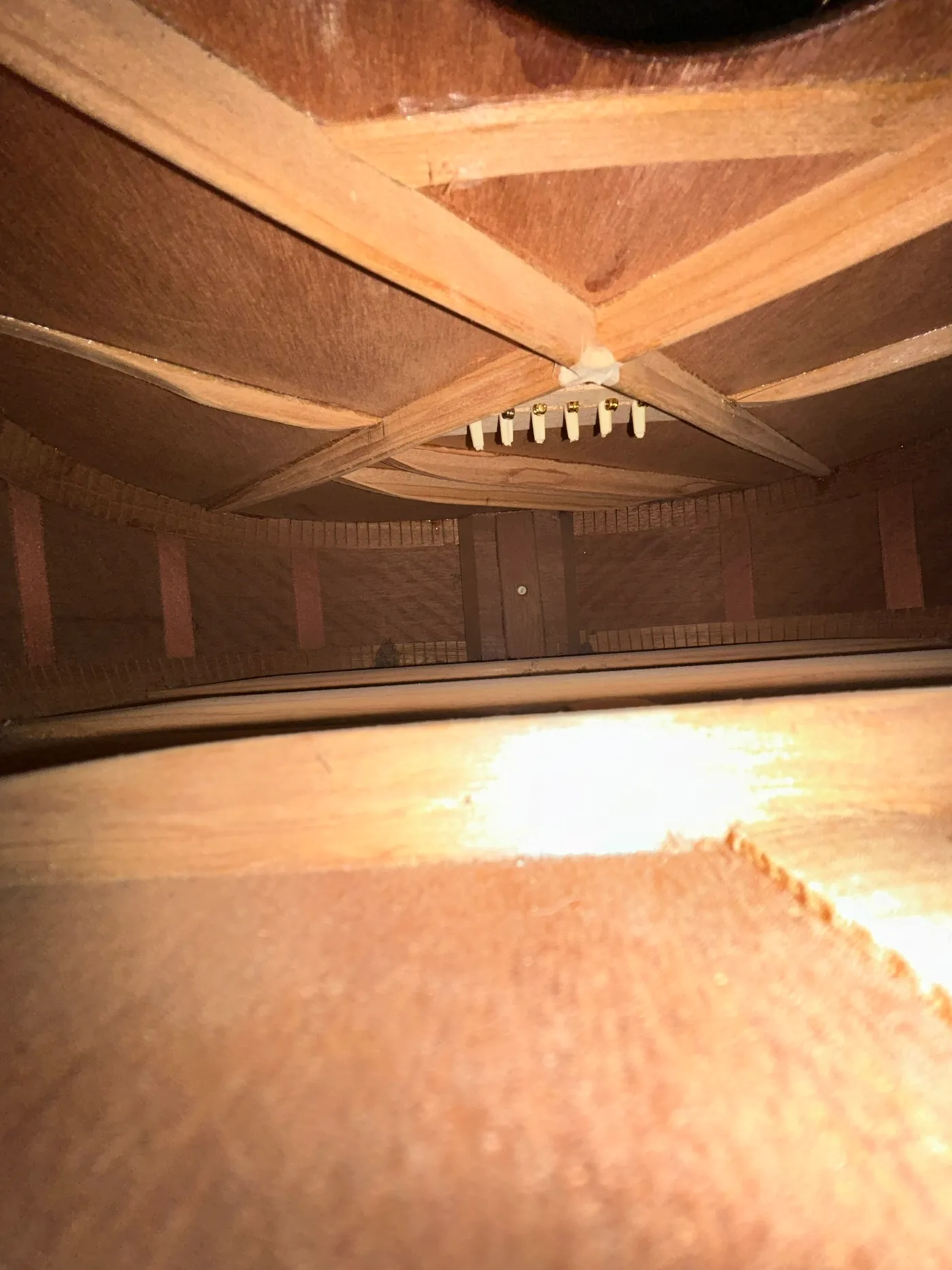
This 1954 00-17 interior view is a dated comparison from Joe’s archive. Obtain similarly useful photographs of the guitar being assessed: the X intersection, brace profiles, bridge plate and surrounding top. An exterior picture of a mahogany soundboard cannot establish any of those hidden details.
Keep X position separate from scalloping. The first describes layout; the second describes brace shape. Later carving may change a brace’s profile while leaving its location intact. Look for altered edges and joints, then ask for repair documentation where the photographs raise questions. The prewar guide supplies the broader inspection method.
A bridge-plate cap can conceal worn pin holes. A larger replacement can hide damaged wood or alter the original interior. Record the full plate outline and any added pieces. The appraisal needs that information even if the exterior bridge appears tidy and the guitar plays comfortably.
Hidden neck reinforcement is another reason to avoid certainty from a few exterior pictures. A nonadjustable rod’s cross-section isn’t visible through the soundhole. Repair records and an appropriate in-hand examination can resolve questions that a serial number and the absence of an adjustment nut cannot.
Small Parts With Useful Evidence
Check Bridges, Tuners, Logos And Body Edges
Bridge Shape And Saddle
The rectangular bridge on the 1937 0-17 and the 1962 0-16NY demonstrates why bridge shape alone doesn’t date a guitar. Inspect footprint, thickness, pin spacing and saddle arrangement in the context of the model. A shaved bridge needs to be recorded even if its original outline remains.
Tuners And Headstock
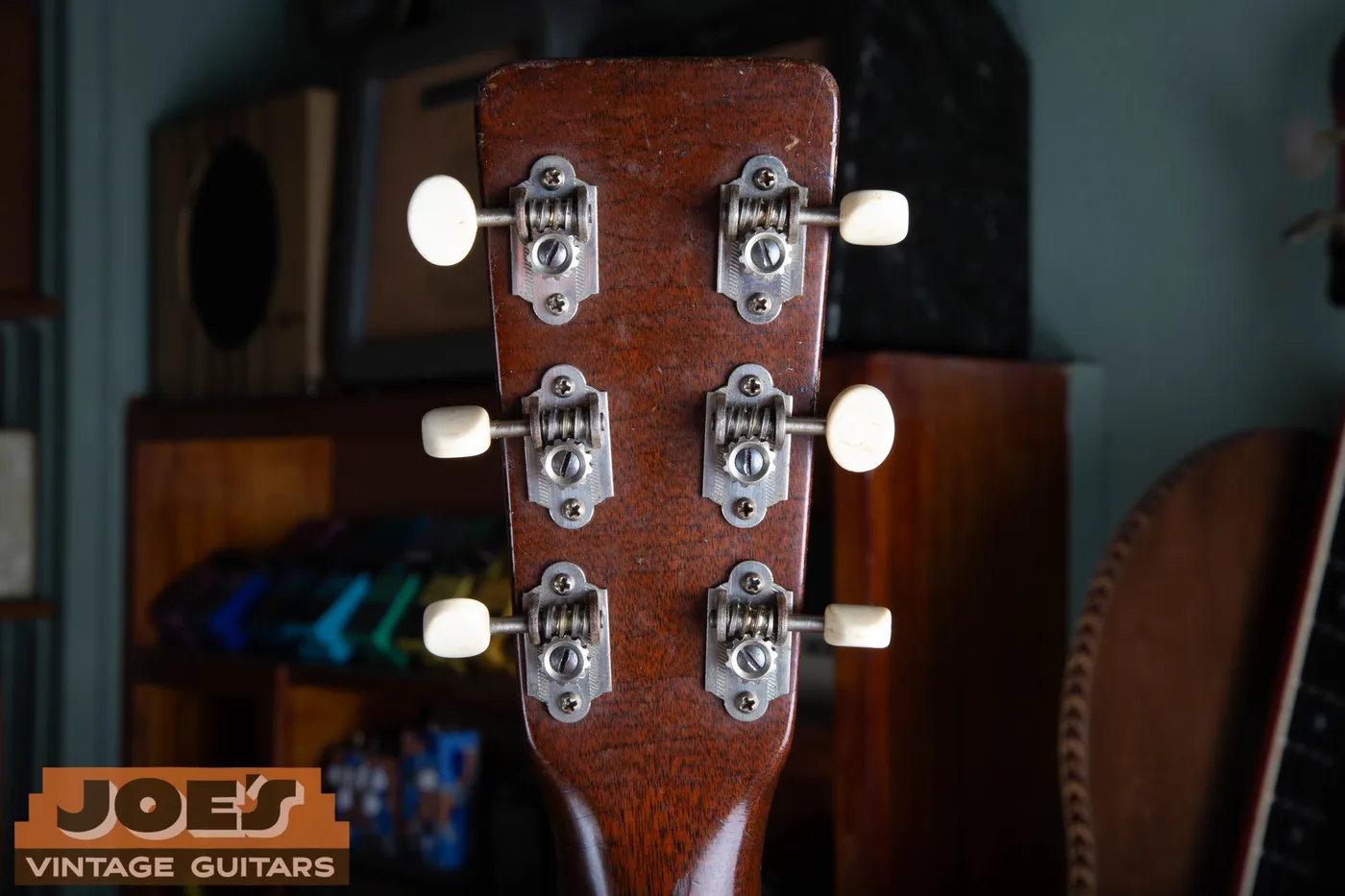
Compare plates, gears, buttons and screw holes with the Martin tuner archive. That guide identifies replacement buttons on the 1937 0-17’s original plates and gears. Describe those parts separately instead of calling the complete assembly untouched.
Logo, Guard And Binding
The logo guide supplies period comparisons for the headstock face and rear stamps. Also inspect any guard, body edge and binding joint. A repaired edge or replacement decal can coexist with an otherwise old guitar, so document the affected area precisely.
A Disclosed 00-17 Example
Recognize Finish Work And Structural Repairs
1951 00-17
Owner-Reported Refinish And Later Seam Repair
Joe’s 1951 00-17 description records the original owner’s account of a factory refinish, neck reset and crack repairs in the 1960s or 1970s, plus a later professional center-seam repair. The attribution matters: the earlier factory work is owner-reported history, not a new claim based solely on these photographs.
Use this instrument as a repair comparison. Its appearance must not be presented as an untouched finish benchmark. A readable condition report preserves both its identity and the distinctions that matter when it is appraised.
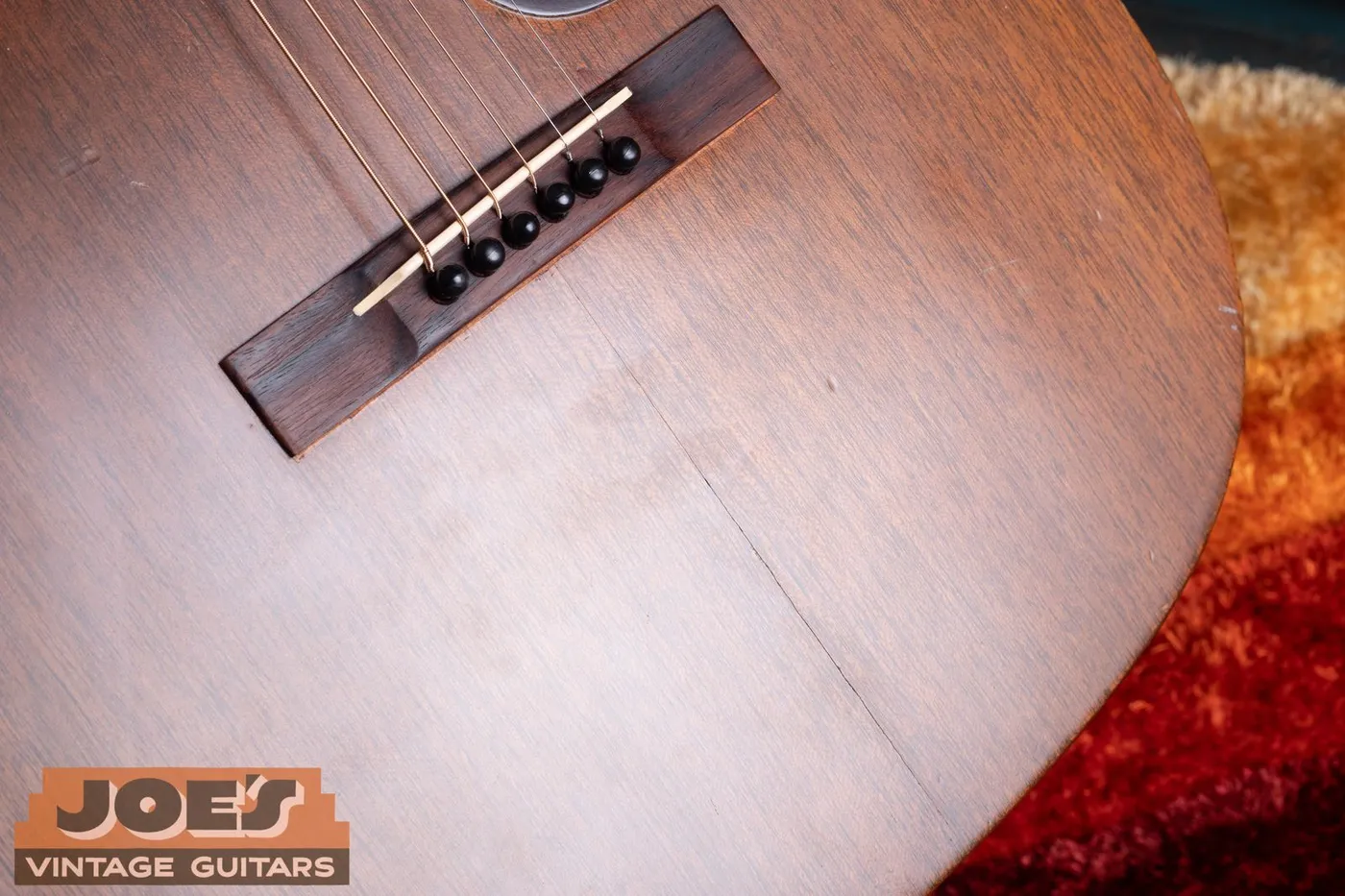
On any example, map cracks by location and show corresponding interior repairs. Check action alongside saddle height and bridge thickness using the neck-angle inspection guide. A neck reset, shaved bridge and replacement fingerboard are different interventions even when all were intended to improve playability.
Inspect surfaces with the finish guide. Dark stain, checking and shine are insufficient by themselves. Before commissioning cosmetic work, read the restoration discussion and retain photographs of the current condition.
Read Every Suffix
Separate Hawaiian Guitars, Tenors And Modern Revivals
An H suffix identifies a Hawaiian version in the vintage rows used here. Examine the nut, saddle, frets, neck relief and any conversion work before describing it as an ordinary Spanish-playing guitar. A converted instrument needs an account of what changed and how well the resulting geometry works.
T suffix models, including 0-17T and 5-17T, belong with the tenor Martins. Plectrum instruments have a separate guide. The body’s resemblance to a six-string model doesn’t make its market or construction interchangeable.
Modern 000-15, 000-15M, 00-15M, 5-15 and current 000-17 instruments require their actual serial date and complete designation. Later 00-17 revivals also need separate treatment. The model guide explains why a familiar number can return on a different production version.
Custom Shop twelve-fret guitars and signature models, including the 00-DB Jeff Tweedy, need their factory specifications. Don’t assign a prewar date from dark wood, simple trim or a slotted headstock. A CUSTOM stamp should prompt a request for the build sheet or factory confirmation.
For suspected counterfeits, follow the fake Martin guide: compare the complete instrument, block, logo, materials and internal construction. An altered original and an incorrectly branded instrument raise different questions. Keep the maker, date, original model and current modifications as separate findings.
Send The Evidence
Send Joe Your Small Martin Photos
I can help identify the model and discuss which construction or repair details need a closer look. Include the stamp, complete body, bridge and any history you have.
Identification Sources
Research For The 15, 16NY And 17 Family
- Martin Serial Number Lookup
Factory annual endpoints for the illustrated stamps.
- Illustrated Styles 15, 17 And 18
Early woods, the all-mahogany 2-17 and period appointments.
- Martin New Yorker History
1961 introduction and New Yorker construction.
- 2026 Official Vintage Guitar Price Guide
Model descriptions and original-production groups, Martin pages 275 to 288.
- Martin Tuner Photographs
Dated hardware and the 1937 0-17 replacement-button disclosure.
Questions AboutMartin Identification
Is Every Vintage Style 17 Guitar All Mahogany?
Is The 0-16NY An All-Mahogany Guitar?
Does A Small Guitar Automatically Mean Size 0?
Can I Price A Modern 000-15M As A Vintage 0-15?
Does A Refinish Make A 00-17 Counterfeit?
The Last Word
Identify The Woods And Version Before Applying A Value
The top material, body size, suffix and serial year establish the useful starting point. Document repairs alongside those findings, then consult the 15, 16NY and 17 price guide for the matching original-production group.
Authenticity And Originality Are Assessed From The Information Provided. A Hands-On Inspection Can Change The Conclusion.