

Tenor Guitars · 1927 To The 1960s
Martin Tenor Guitar History And Model Changes
Martin’s tenor line began with small size-5 guitars in 1927. The next few years changed the body and neck relationship, leading to the 14-fret 0-18T and a better-placed bridge. Later additions brought all-mahogany bodies and simpler Style 15 versions.
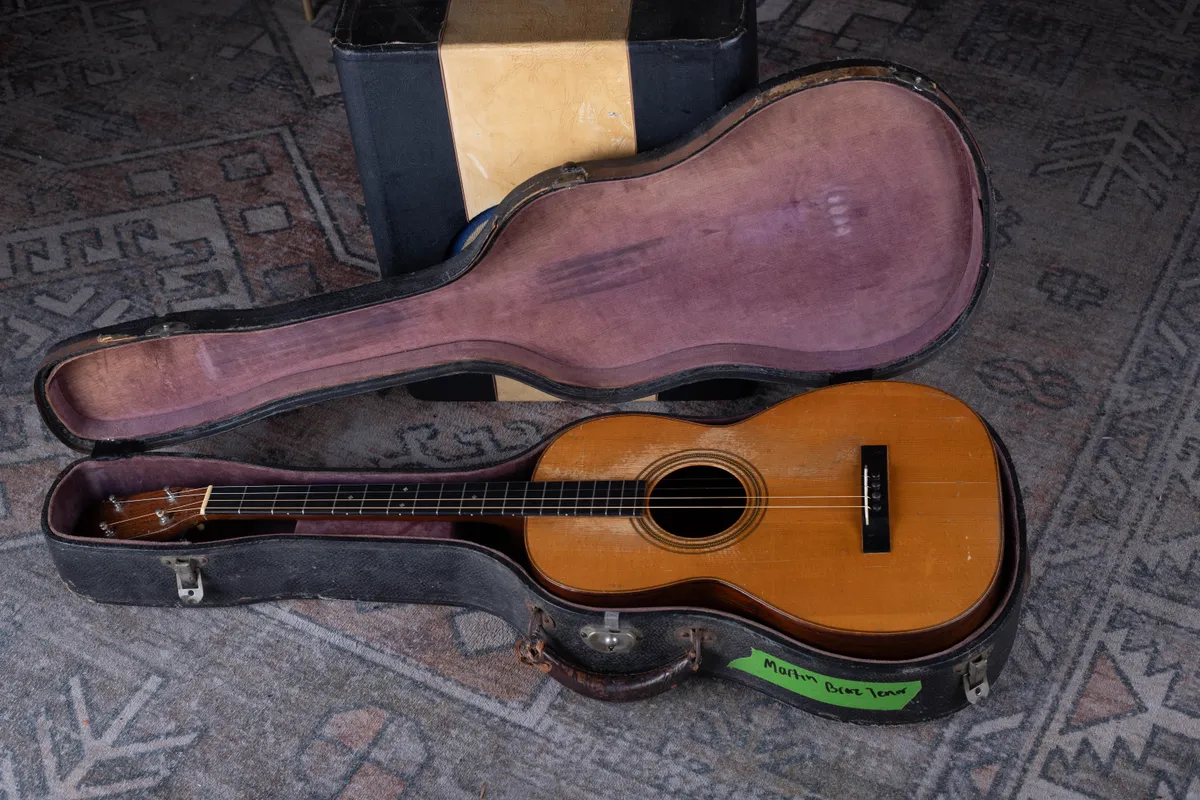
- Size-5 Tenors
- From 1927
- Regular 0-18T
- 1930
- All-Mahogany 0-17T
- 1932
- 5-15T Replaces 5-17T
- 1949
- 0-15T Production
- 1960 To 1963
Models Covered In This Article
- 5-17T
- 5-21T
- 2-17T
- 2-18T
- 2-28T
- 0-17T
- 0-18T
- 0-28T
- 0-15T
- 5-15T
Model Changes By Year
| Year Or Period | What Changed |
|---|---|
| 1927 | The tenor family began with size-5 models, including the mahogany 5-17T and spruce-and-rosewood 5-21T. |
| 1928 | The 2-18TL used a 14-fret neck on an earlier body outline, which placed the bridge high on the top. |
| Late 1929 | The Carl Fischer tenor shortened the upper body to expose fourteen frets while improving bridge placement. |
| 1930 | The redesigned size-0 tenor entered the regular line as the 0-18T. Its upper bout became wider and flatter. |
| By 1931 | The 0-18T’s straight bridge gave way to a belly bridge. |
| 1932 | The 0-17T added an all-mahogany option in the larger tenor body. |
| 1949 | The 5-15T replaced the 5-17T with simpler Style 15 appointments and finish. |
| 1960 To 1963 | The 0-15T offered the larger mahogany tenor with plain appointments and a satin finish. |
1927: The Size-Five Tenors
The early tenor line used Martin’s small size-5 body with four strings. The 5-17T had mahogany for the top, back and sides, while the 5-21T combined a spruce top with rosewood back and sides.
These models supplied guitar bodies for musicians moving from tenor banjo. The 1927 size-5 instrument shown here belongs to that first period. Scale lengths were not identical across every tenor model and later version, so a single measurement should not be assigned to the entire family.
1928 And 1929: Fourteen-Fret Experiments
The 1928 2-18TL put a 14-fret neck on the earlier body outline. This moved the bridge high on the top. The design provided more frets clear of the body, but the resulting bridge position prompted a different body solution.
The late-1929 Carl Fischer tenor shortened the upper body instead. This preserved access to fourteen frets while allowing a more suitable bridge position. The change anticipated the shortened upper-body approach that became familiar on later Martin 14-fret guitars.
1930 And 1931: The Regular 0-18T
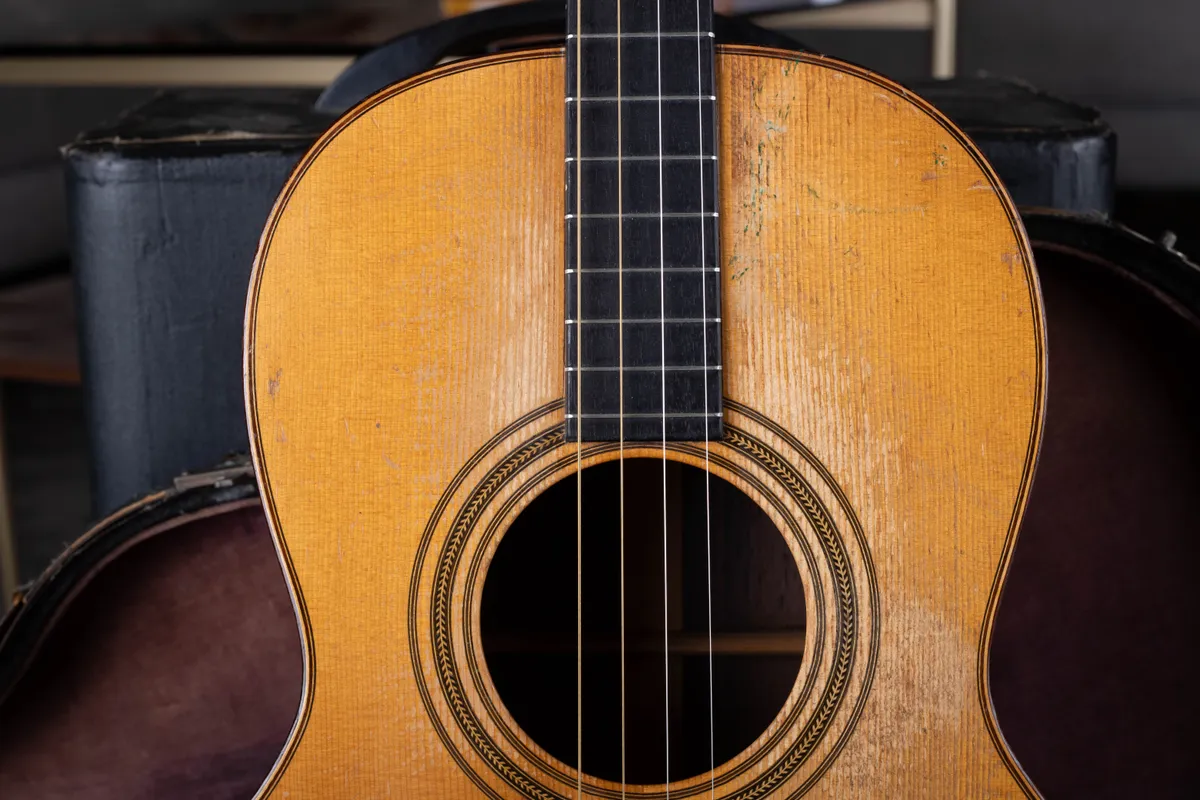
The redesigned tenor entered the regular Martin line as the 0-18T in 1930, following earlier development and examples recorded in 1929. Its upper bout became broader and flatter than the earlier form.
By 1931, a belly bridge had replaced the straight bridge on the 0-18T. The new body and the new bridge were distinct steps in the model’s development. The tenor line’s 14-fret history therefore begins before the general 1934 change often associated with Martin six-string models.
1932: The All-Mahogany 0-17T
The 0-17T added a larger all-mahogany tenor in 1932. It offered a different material and decoration package from the spruce-topped 0-18T while using the size-0 tenor family.
The T suffix identifies the tenor branch. Body size and style still distinguish the models within it; 5-17T and 0-17T are not interchangeable names for the same guitar. The Martin model-number guide explains the size, style and suffix system.
1949 To The 1960s: The Style 15 Models
The 5-15T replaced the 5-17T in 1949. It retained the small mahogany body while adopting the simpler Style 15 finish and appointments.
The larger 0-15T was produced from 1960 to 1963, also using mahogany with plain appointments and a satin finish. These were later model additions and replacements, not evidence that every earlier tenor received a new designation.
Did Martin Tenors Become Fourteen-Fret Guitars In 1934?
The tenor line followed an earlier sequence: the 2-18TL experiment in 1928, the shortened Carl Fischer body in late 1929, and the regular 0-18T in 1930. The general six-string 1934 chronology does not describe that development.
Is A Plectrum Guitar The Same As A Tenor?
Both can have four strings, but the plectrum design uses a longer neck and scale associated with plectrum-banjo playing. Martin’s plectrum models followed a separate, much shorter regular-production history.
Martin Identification Resources
- Plectrum Authentication
Compare the longer four-string family before identifying by tuning.
- Martin Headstock Logos
Check whether a missing or changed decal fits the instrument’s period.
- Martin Tuner Dating
Compare fitted machines with unused holes and mounting impressions.
- Martin Serial And Model Numbers
Find the production year from the neck-block serial.
- Martin Construction And Dating
Follow changes in bridges, necks, braces and materials.
- Sell A Martin Guitar
Send Joe the details of a Martin you are considering selling.
Martin Owners On Working With Joe
“feeling no regrets after selling our 1920’s Martin on to these folks”
“they took the time to look at the photos of my Martin D18 and emailed back an appraisal”
Your Martin’s Model, Year And Condition
Send Joe Photos Of Your Martin
Include the front, back, headstock, model and serial markings, and any known repairs.
Photo Credits
Photographs from the Joe’s Vintage Guitars archive. Each caption identifies the instrument shown, including comparison photographs.