

Model, Year, and Factory Details
Les Pauls, SGs, ES models, archtops, flat tops, and mandolins have different markets. Construction details help me confirm the period and specification.
Gibson Appraisal Guide
A Gibson serial number is a starting point. I also check the model, construction, finish, hardware, electronics, repairs, and recent sales before I give you a value range.
Start Here
Send the photos you have and tell me anything you know about the guitar. The brand is already filled in, and you do not need to know the exact model or year.
There is no charge for the first market valuation and no obligation to sell. After you submit the form, you can upload the guitar photos securely.
Or call or text Joe at (602) 900-6635What to Photograph
Gibson reused some serial numbers and changed its numbering systems over time. Older instruments may also have factory order numbers or interior labels. I compare those markings with the construction and specifications in your photos. Most Gibson appraisals are handled from photos by email, so you can start from anywhere in the country without shipping the guitar. If you are near Mesa, Arizona, you can ask about an in-person visit. Read the Gibson serial number guide if you want help finding the number first.
Send what you have. These are the ideal photos, but you do not have to get every shot or every detail perfect. I can look at what you send and tell you what else would help. Please leave the guitar assembled, and do not clean old parts or start a repair before sending photos.
Close Photos That Matter
A full photo shows the model and overall condition. Close photos help me check the date, factory specifications, original parts, repairs, and value.
Brand Specific Appraisal
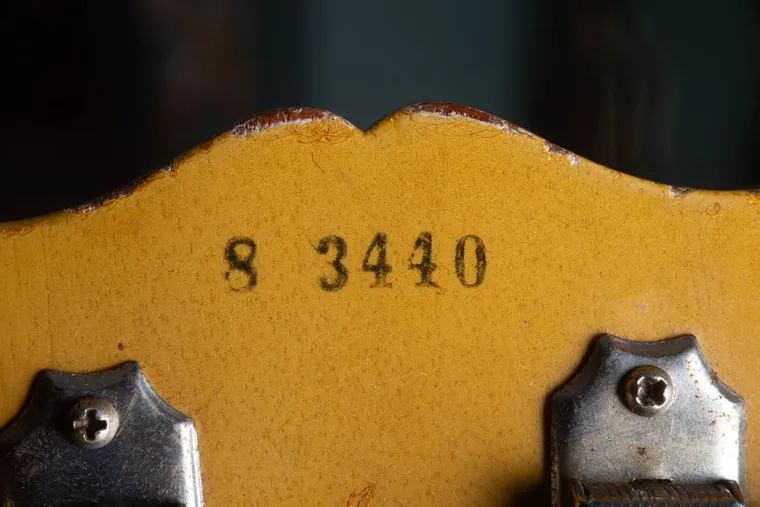
Gibson used several numbering systems, reused ranges, and sometimes shipped instruments after the parts were made. Depending on the guitar, I may need an ink-stamped serial, an impressed headstock number, a factory order number, or an interior label. I compare that marking with the logo, headstock shape, neck construction, body outline, binding, and factory specifications before assigning a production period.
Model identification comes before price. A Les Paul Standard, Custom, Special, Junior, SG, ES model, archtop, and flat top can share a date range while belonging to completely different markets. Small details such as neck angle, pickup route, bridge type, top carve, bracing, inlays, and control layout can separate a valuable factory specification from a later conversion.
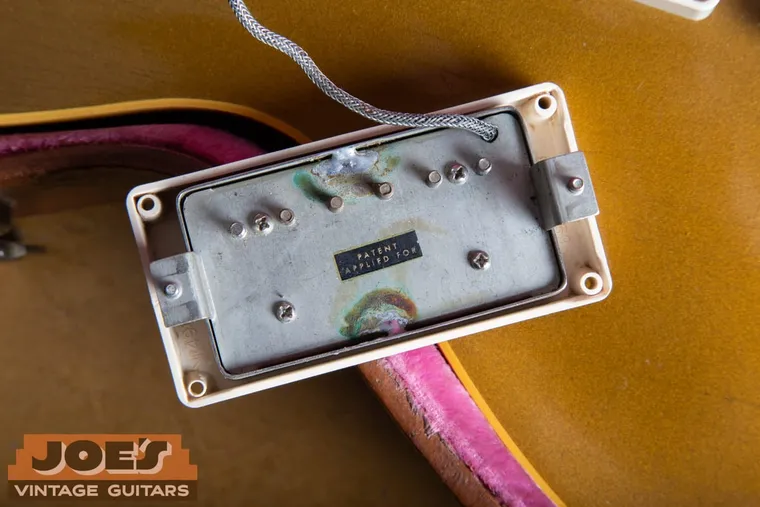
Pickups and electronics deserve close attention. P-90s, Patent Applied For humbuckers, Patent Number pickups, wiring harnesses, potentiometer codes, solder joints, tuners, bridges, and tailpieces should be appropriate for the model and period. I do not assume every old-looking part was installed at the factory, and I also account for normal factory overlap instead of forcing every guitar into a rigid checklist.
Headstock repairs, neck breaks, overspray, refinishing, changed pickups, and routed bodies can move the value substantially without making the guitar worthless. I judge how extensive the work is, whether it is stable, what original material remains, and which buyers still pursue that model. The final comparison is made with Gibsons that share those same strengths and limitations.
What Changes the Price
I look at the entire instrument and compare it with completed sales of similar examples. A serial number or asking price cannot do that by itself. Read Vintage Les Paul Market Value Guide for more detail.
Les Pauls, SGs, ES models, archtops, flat tops, and mandolins have different markets. Construction details help me confirm the period and specification.
Original sunbursts, Goldtops, custom colors, and other factory finishes sell differently from refinished or oversprayed examples.
I check the pickups, tuners, bridge, tailpiece, knobs, wiring, and solder. One changed part may matter more than another.
A repaired headstock or neck break does not make a Gibson worthless. Its location, stability, appearance, and repair quality affect the price.
Models I See Often
Your model does not have to be on this list. Send photos if you are unsure what it is. You can also read the Vintage Les Paul Market Value Guide.
Send My Gibson PhotosFrom Joe's Archive
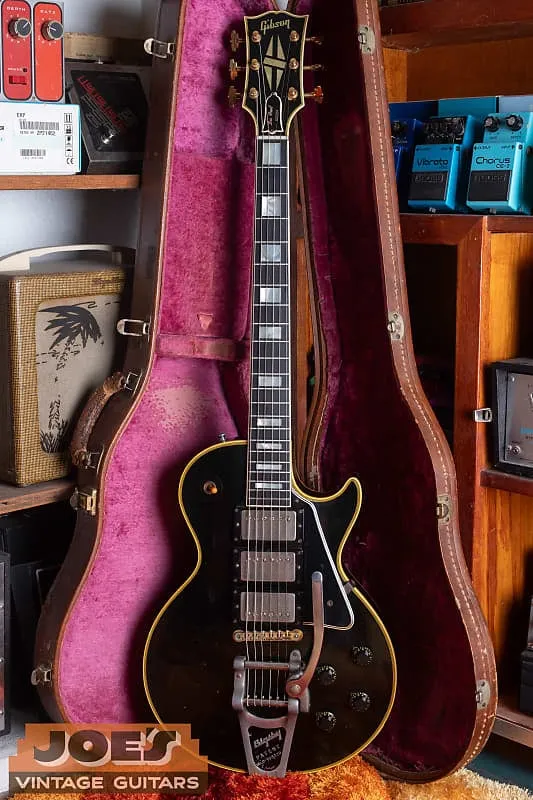
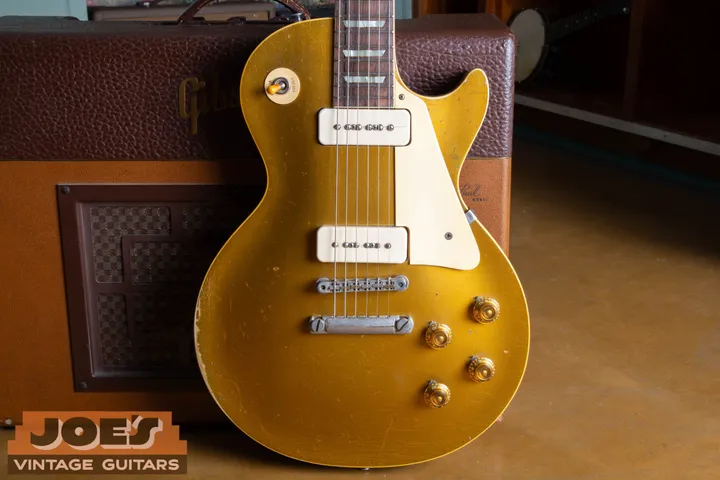
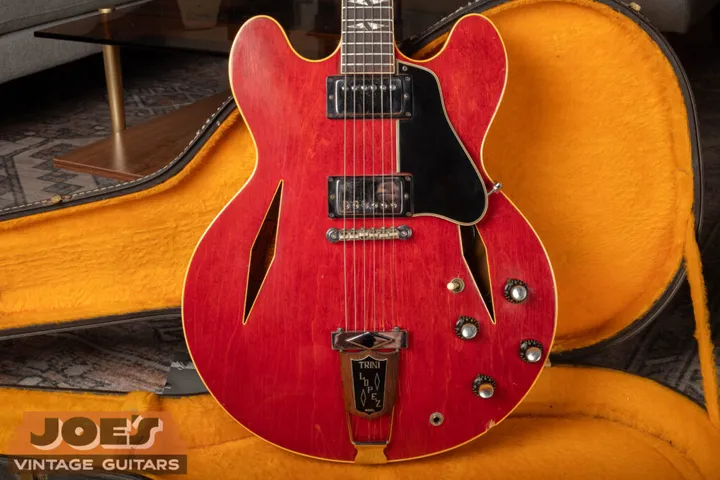
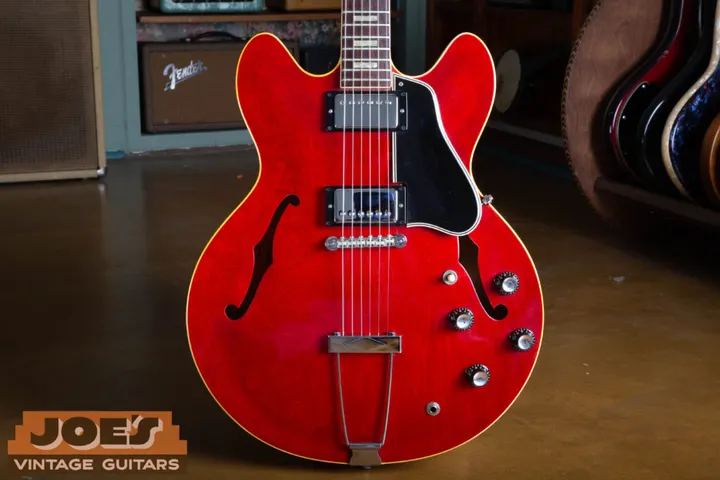
These three Gibsons belong to different parts of the market. I compare each guitar's construction, finish, electronics, hardware, and repair history with examples of the same model and period.
How It Works
Send the full guitar, both sides of the headstock, serial or label, neck joint, pickups, controls, hardware, finish, case, and every visible repair.
I compare the numbering system with construction, logo, hardware, electronics, and finish so reused serials or replaced parts do not lead to the wrong year.
The value range comes from sales of Gibsons with the same model, period, finish status, pickup and hardware originality, structural history, and condition.
If You Want to Research It
Use these guides to find serial numbers, dates, and value clues. You do not need to identify the guitar before you send it to me.
From a Guitar Owner
This is a customer's original review. Click it to read the review on Google.
“Joe gave me an accurate and fair appraisal for my vintage Gibson.”Mateo CavestanyRead on Google
Other Brands
Choose the maker on the headstock. If you are not sure, send photos through the main appraisal page.
Return to the Free Appraisal HubCommon Questions
Do not worry if you do not know the model or year. Clear photos are enough to start.
Yes. Clear photos of the full guitar, headstock, serial number, hardware, electronics, finish, and repairs are usually enough to begin.
Not always. Gibson reused numbers and changed systems. I compare the number with construction, hardware, electronics, and finish details.
No. I consider the model, the location and quality of the repair, how stable it is, and how the rest of the guitar compares with the market.
No. Send safe exterior photos first. I will tell you if an additional detail is needed.
Send What You Have
I will review the photos and tell you if I need another detail.