
Production Location and Period
New York, Hoboken, and Westerly instruments have different construction details and markets. I check more than the serial number.
Guild Appraisal Guide
For a Guild appraisal, I check the factory period, model, construction, woods, pickups, hardware, finish, repair history, and recent sales.
Start Here
Send the photos you have and tell me anything you know about the guitar. The brand is already filled in, and you do not need to know the exact model or year.
There is no charge for the first market valuation and no obligation to sell. After you submit the form, you can upload the guitar photos securely.
Or call or text Joe at (602) 900-6635What to Photograph
Guild serial numbers can help with the production period, but the model and factory details still need to match. I also check labels, construction, woods, pickups, hardware, finish, and repairs. I appraise Guild guitars for owners throughout the country from clear photos, with no shipping required. If you are local to Mesa, Arizona, contact me to arrange an in-person visit. Read the Guild serial number lookup if you want help finding the number first.
Send what you have. These are the ideal photos, but you do not have to get every shot or every detail perfect. I can look at what you send and tell you what else would help. Please leave the guitar assembled, and do not clean old parts or start a repair before sending photos.
Close Photos That Matter
A full photo shows the model and overall condition. Close photos help me check the date, factory specifications, original parts, repairs, and value.
Brand Specific Appraisal
Guild moved through New York, Hoboken, and Westerly production, and each period has its own labels, serial ranges, construction, materials, and model lineup. I start with the serial and label, then compare the body shape, headstock, logo, trim, neck joint, woods, and hardware. That keeps an instrument from being dated only by a chart when its construction points to a different factory period.
The Guild catalog is broad. An X-175 archtop, Starfire electric, Thunderbird, M-20, D-40, F-50, and 12-string jumbo need different evidence and different comparable sales. For electrics I pay close attention to pickups, controls, bridges, tailpieces, tuners, and body construction. For acoustics I focus more on woods, bracing, bridge work, neck angle, cracks, and top condition.
Repairs also carry different weight across the range. A clean neck reset on a working acoustic is not the same as a broken headstock on an electric, a replaced bridge plate, broad overspray, or a full refinish. Binding work, refrets, changed pickups, replacement tuners, repaired cracks, and structural movement are judged by quality, extent, and how difficult the original specification would be to restore.
Guild values can be less transparent than Fender or Gibson values because fewer close examples sell publicly. I use the exact factory period, model, wood or pickup specification, finish, condition, original parts, case, and provenance to choose comparisons. When the sales record is thin, I explain which evidence supports the range instead of pretending a price guide is precise.
What Changes the Price
I look at the entire instrument and compare it with completed sales of similar examples. A serial number or asking price cannot do that by itself. Read Seven Factors That Determine Value for more detail.
New York, Hoboken, and Westerly instruments have different construction details and markets. I check more than the serial number.
Guild archtops, Starfires, Thunderbirds, flat tops, and 12 strings have different buyers. Body size, wood, pickups, and trim help define the model.
I check the finish, pickups, tuners, bridge, tailpiece, pickguard, and case. The age and type of a replacement part can change its effect on value.
Neck resets, cracks, binding work, top movement, refrets, and finish repairs affect Guild acoustics and electrics differently.
Models I See Often
Your model does not have to be on this list. Send photos if you are unsure what it is. You can also read the Seven Factors That Determine Value.
Send My Guild PhotosFrom Joe's Archive
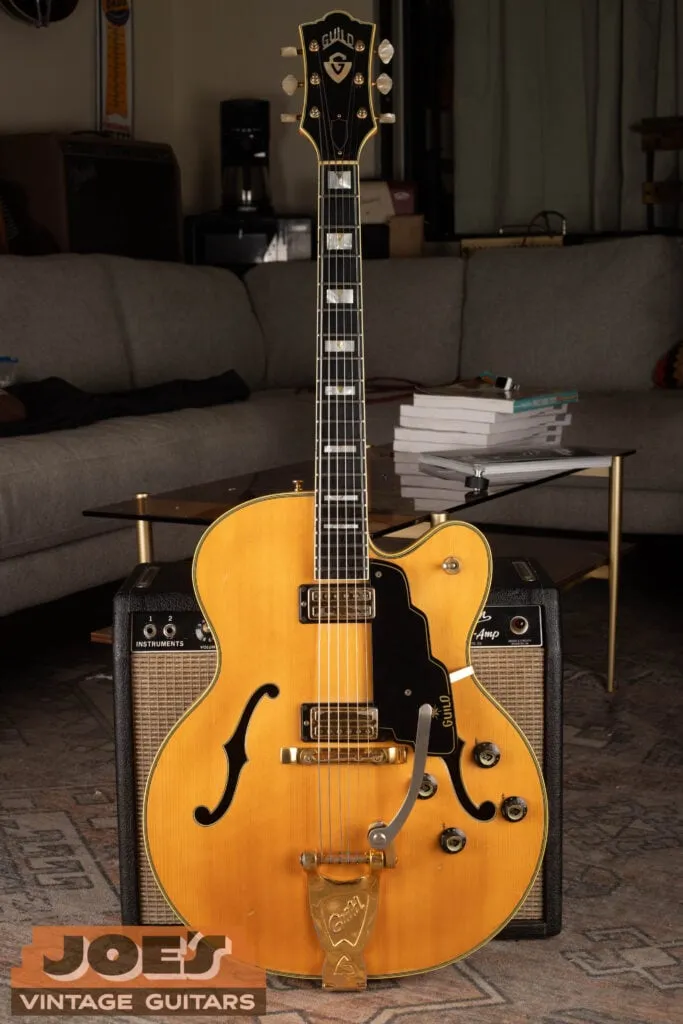
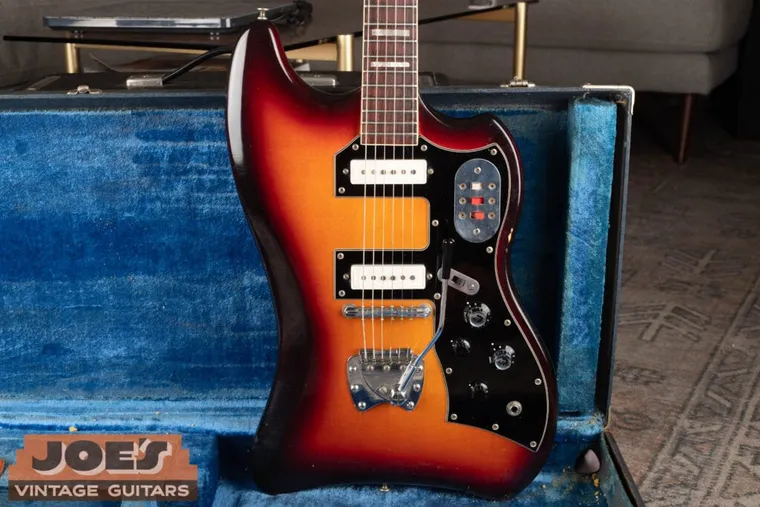
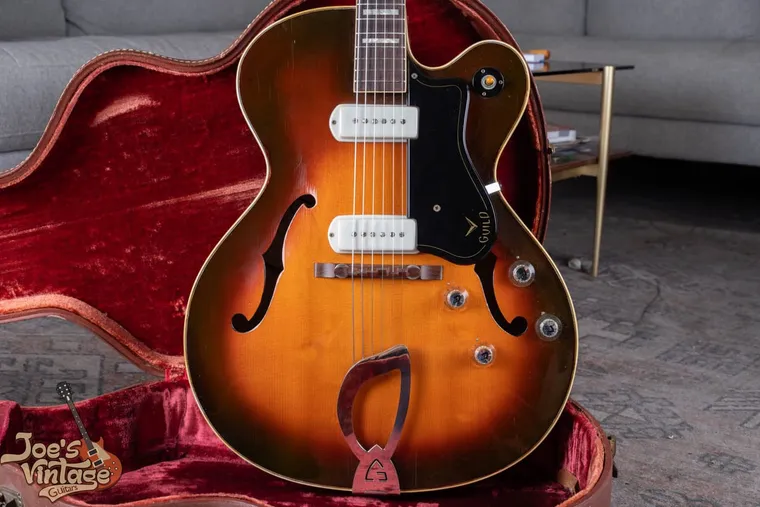
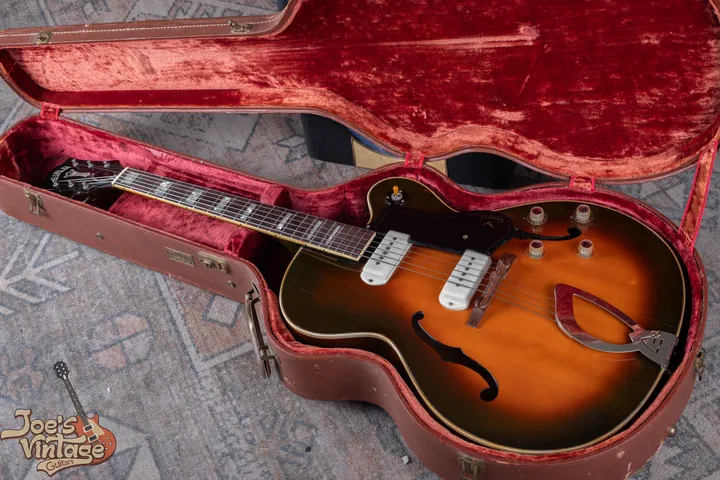
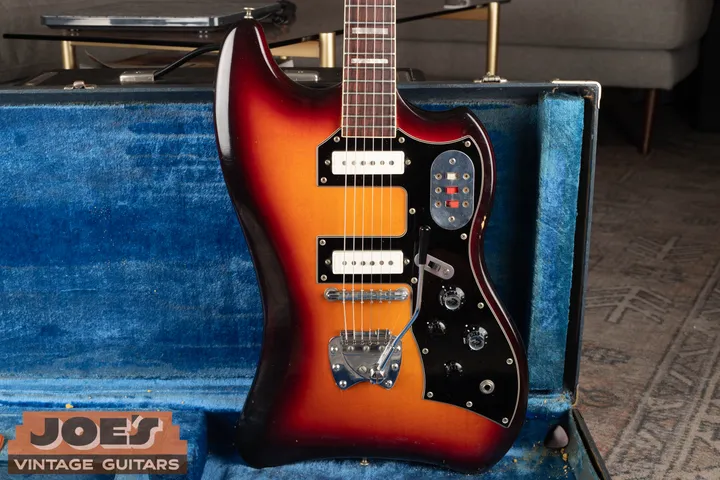
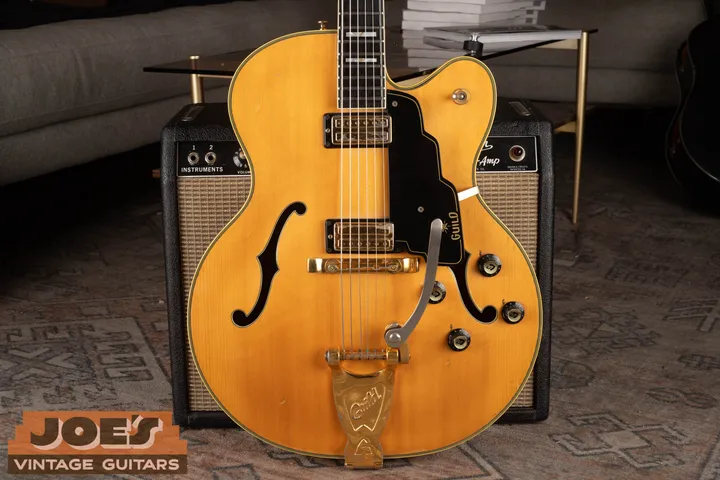
Guild made very different guitars under the same name. These X-175, Thunderbird, and X-500 examples show why the construction, pickups, trim, finish, factory period, and condition all need to be identified.
How It Works
Send the complete instrument, headstock, label, serial, body and neck joint, hardware, finish, repairs, case, and any paperwork or family history.
I use the label, serial range, construction, woods, logo, trim, pickups, and hardware to distinguish New York, Hoboken, Westerly, and later production.
Archtops, Starfires, flat tops, and 12 strings are priced in their own markets with adjustments for originality, structural work, condition, and provenance.
If You Want to Research It
Use these guides to find serial numbers, dates, and value clues. You do not need to identify the guitar before you send it to me.
From a Guitar Owner
This is a customer's original review. Click it to read the review on Google.
“They were very easy to deal with and appraised my 1979 Guild within minutes! I sent pictures and details via text and received a free estimated value right away!”Amy VickeryRead on Google
Other Brands
Choose the maker on the headstock. If you are not sure, send photos through the main appraisal page.
Return to the Free Appraisal HubCommon Questions
Do not worry if you do not know the model or year. Clear photos are enough to start.
Yes. Clear photos of the full instrument, serial number, label, hardware, finish, and repairs are usually enough to begin.
It can. New York, Hoboken, and Westerly production can draw different buyer interest. I still need the exact model and condition.
No. I look at how well the work was done, how much of the guitar was affected, and what original parts remain.
No. I provide a free current market value opinion. A signed insurance appraisal with replacement-value research is a separate paid service.
Send What You Have
I will review the photos and tell you if I need another detail.