

Model, Year, and Body Size
A D-18, D-28, 0, 00, 000, or OM belongs to a different market. The production period and exact model define the comparison group.
Martin Appraisal Guide
A Martin serial number can date the guitar, but it cannot establish the value by itself. I also check the model, woods, construction, originality, repairs, condition, and recent sales.
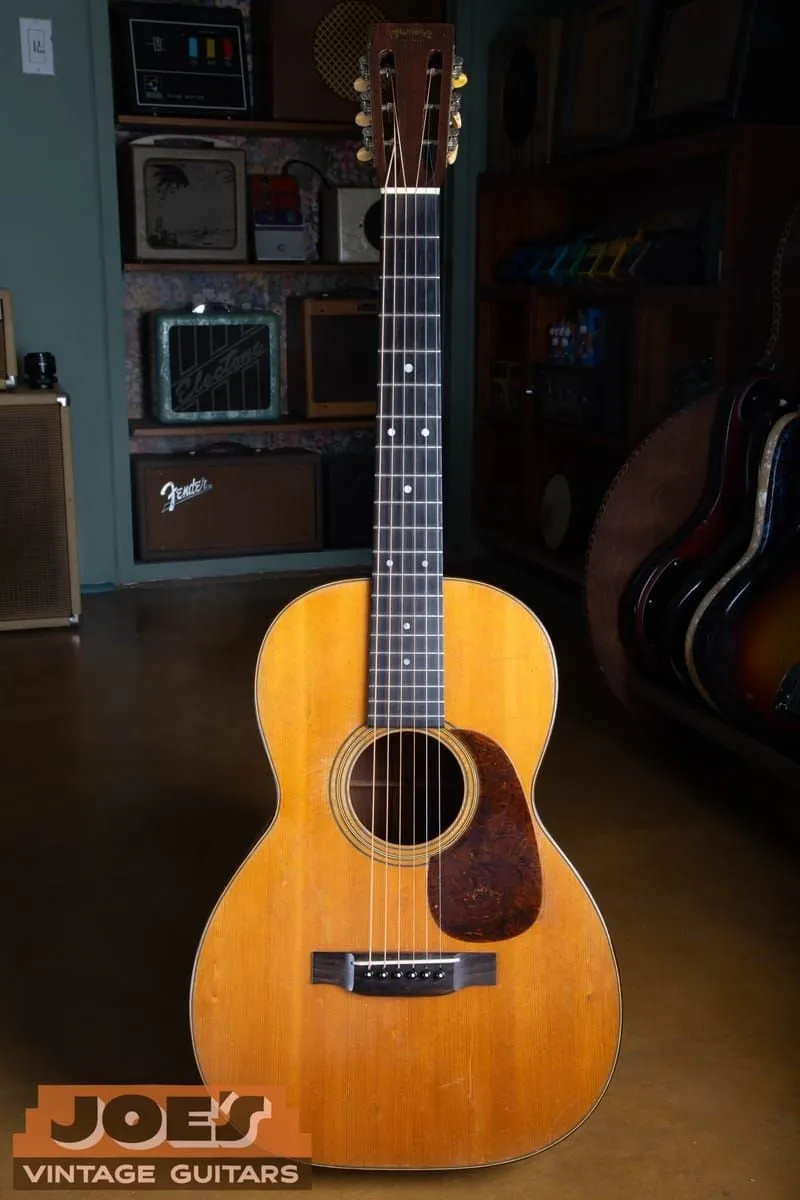
Start Here
Send the photos you have and tell me anything you know about the guitar. The brand is already filled in, and you do not need to know the exact model or year.
There is no charge for the first market valuation and no obligation to sell. After you submit the form, you can upload the guitar photos securely.
Or call or text Joe at (602) 900-6635What to Photograph
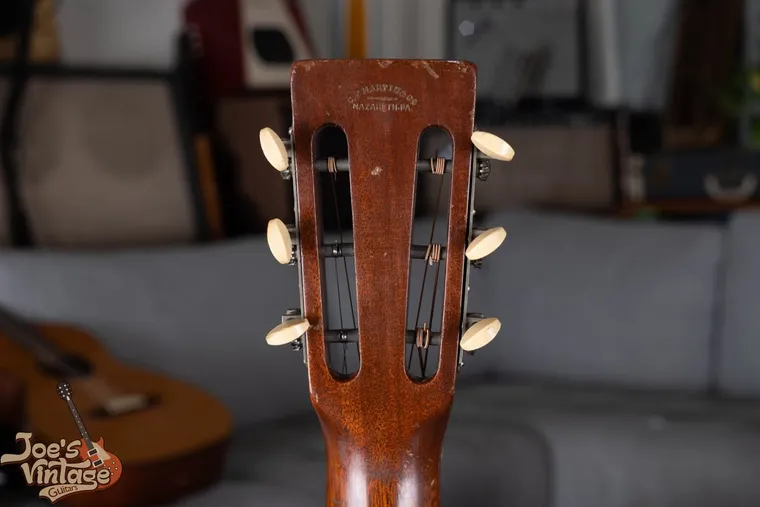
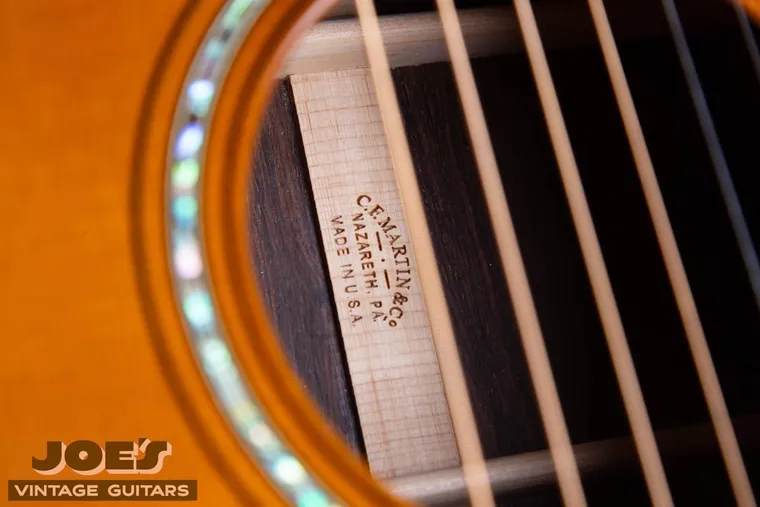
The serial number and model stamp are usually on the neck block inside the soundhole. I also check the headstock, bridge, pickguard, top, back, sides, bracing, finish, and repair history. You can request a Martin appraisal from anywhere in the United States by sending clear photos; the guitar does not need to be shipped. Owners near Mesa, Arizona, can contact me about an in-person appraisal. Read the Martin serial and model number guide if you want help finding the number first.
Send what you have. These are the ideal photos, but you do not have to get every shot or every detail perfect. I can look at what you send and tell you what else would help. Please leave the guitar assembled, and do not clean old parts or start a repair before sending photos.
Close Photos That Matter
A full photo shows the model and overall condition. Close photos help me check the date, factory specifications, original parts, repairs, and value.
Brand Specific Appraisal
The neck block usually gives me the model and serial number, which makes Martin easier to date than many brands. That is only the first step. A D-28, 000-18, OM-28, 00-21, and size 0 guitar from the same decade can have very different construction, woods, scarcity, and demand. I verify that the stamp, body size, trim, headstock, tuners, and interior construction agree with the model named on the block.
Wood and bracing can define the market. Brazilian rosewood, mahogany, Adirondack spruce, Sitka spruce, forward-shifted or rear-shifted bracing, scalloped braces, and wartime changes matter at specific dates. Photographs through the soundhole can show the center strip, bridge plate, brace shape, repairs, and replacement work. I use those details to keep an early guitar out of a later comparison group.
Old Martins often need maintenance, and repair history needs context. A well-executed neck reset can preserve playability without carrying the same penalty as a shaved bridge, oversized replacement bridge, damaged bridge plate, heavy overspray, or poorly repaired cracks. I look at top movement, neck angle, saddle height, cracks, pickguard shrinkage, binding, finish, and previous work together rather than treating every repair alike.
The appraisal also separates family history from market evidence. An original case, receipts, photographs, correspondence, and repair records help document the guitar, while completed sales show what buyers paid for comparable examples. The final range reflects the exact model, production year, woods, structural health, originality, repairs, and current demand for that part of the Martin market.
What Changes the Price
I look at the entire instrument and compare it with completed sales of similar examples. A serial number or asking price cannot do that by itself. Read Martin Dreadnought Value Guide for more detail.
A D-18, D-28, 0, 00, 000, or OM belongs to a different market. The production period and exact model define the comparison group.
Brazilian rosewood, mahogany, Adirondack spruce, bracing, and other period specifications can make a major difference in value.
I check the finish, bridge, pickguard, tuners, bridge plate, and interior work. Replaced parts do not all affect value in the same way.
Neck resets, cracks, top movement, bridge work, binding repairs, and overspray matter, but well done maintenance is not the same as damage.
Models I See Often
Your model does not have to be on this list. Send photos if you are unsure what it is. You can also read the Martin Dreadnought Value Guide.
Send My Martin PhotosFrom Joe's Archive
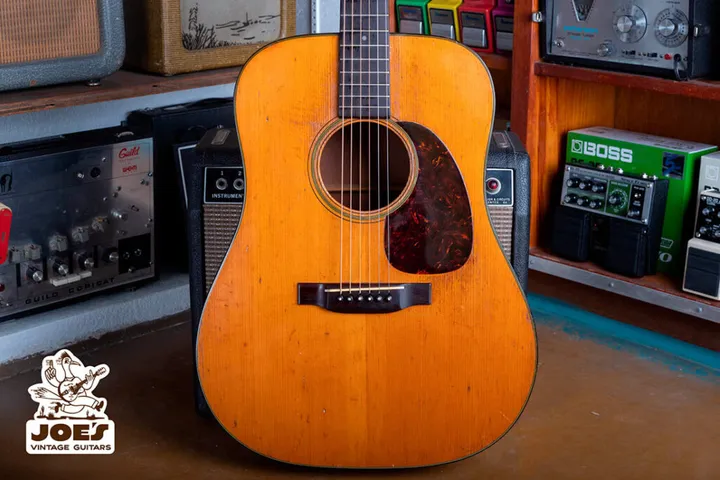
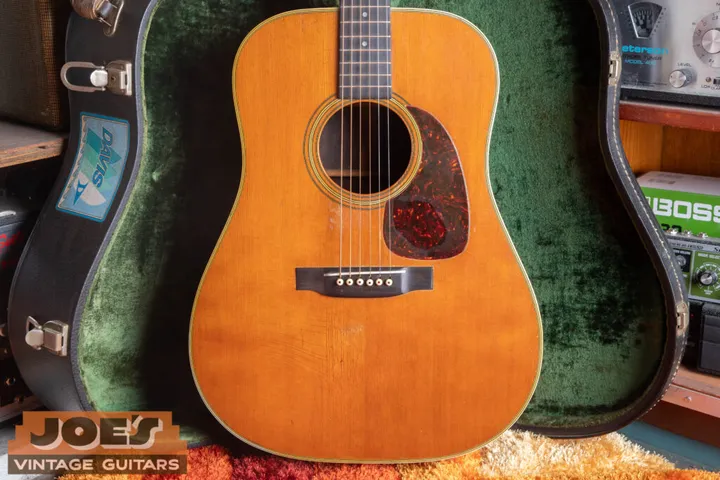
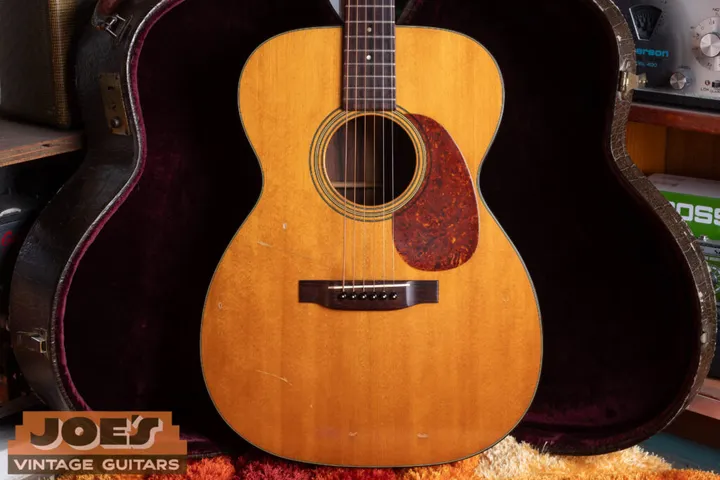
These Martins show why body size and specifications matter. A D-18, D-28, and 000-21 need separate comparisons, along with a close look at finish, structure, repairs, and original parts.
How It Works
Include the complete guitar, neck block stamp, headstock, bridge and saddle, top, back, sides, neck joint, cracks, repairs, case, and paperwork.
The serial year is checked against the model, body size, woods, bracing, trim, hardware, finish, and interior work to identify the correct Martin period.
I compare guitars with similar neck angle, crack and bridge history, finish condition, originality, and documentation before giving you the current market range.
If You Want to Research It
Use these guides to find serial numbers, dates, and value clues. You do not need to identify the guitar before you send it to me.
From a Guitar Owner
This is a customer's original review. Click it to read the review on Google.
“They took the time to look at the photos of my Martin D18 and emailed back an appraisal.”Tony MichaudRead on Google
Other Brands
Choose the maker on the headstock. If you are not sure, send photos through the main appraisal page.
Return to the Free Appraisal HubCommon Questions
Do not worry if you do not know the model or year. Clear photos are enough to start.
Yes. Clear photos of the complete guitar, neck block stamp, headstock, bridge, finish, cracks, and repairs are usually enough to begin.
No. It confirms a production year. The model, woods, originality, structural condition, repairs, and current demand determine the value.
A well done neck reset is common maintenance on an older Martin. Poor work, changed geometry, or damage around the joint may affect value more.
No. Send photos first. I can help you understand which repairs may be needed and how they affect the market.
Send What You Have
I will review the photos and tell you if I need another detail.