

Model and Production Period
A Stratocaster, Telecaster, Esquire, offset, or bass needs the right comparison group. Construction changes can narrow the date beyond the serial number.
Fender Appraisal Guide
Send clear photos and every number you can find. I will identify the model and period, check the finish and original parts, and give you a value range based on recent sales.
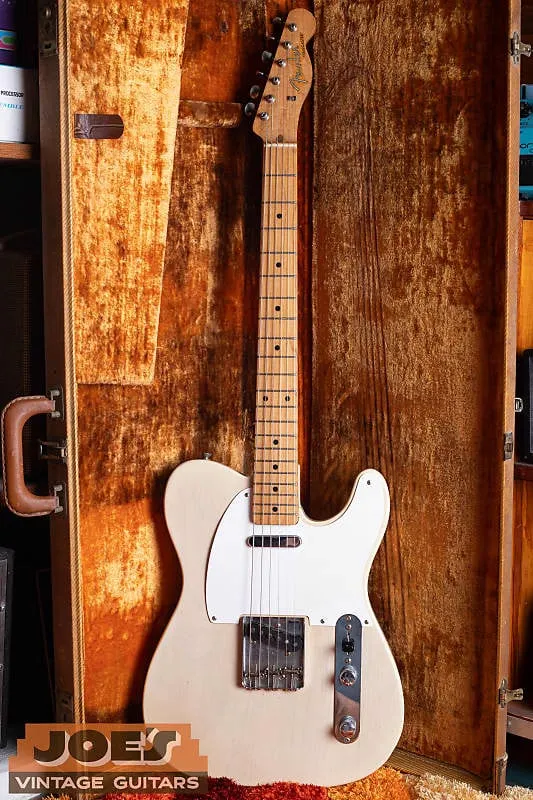
Start Here
Send the photos you have and tell me anything you know about the guitar. The brand is already filled in, and you do not need to know the exact model or year.
There is no charge for the first market valuation and no obligation to sell. After you submit the form, you can upload the guitar photos securely.
Or call or text Joe at (602) 900-6635What to Photograph
The neck plate or bridge plate is one clue, but it may not settle the date. I may also check the neck heel, body cavities, potentiometers, pickups, hardware, and finish. Fender owners across the country can start with photos, and there is no need to ship the guitar. If you are near Mesa, Arizona, contact me about bringing it to the shop. Read the Fender serial number and dating guide if you want help finding the number first.
Send what you have. These are the ideal photos, but you do not have to get every shot or every detail perfect. I can look at what you send and tell you what else would help. Please leave the guitar assembled, and do not clean old parts or start a repair before sending photos.
Close Photos That Matter
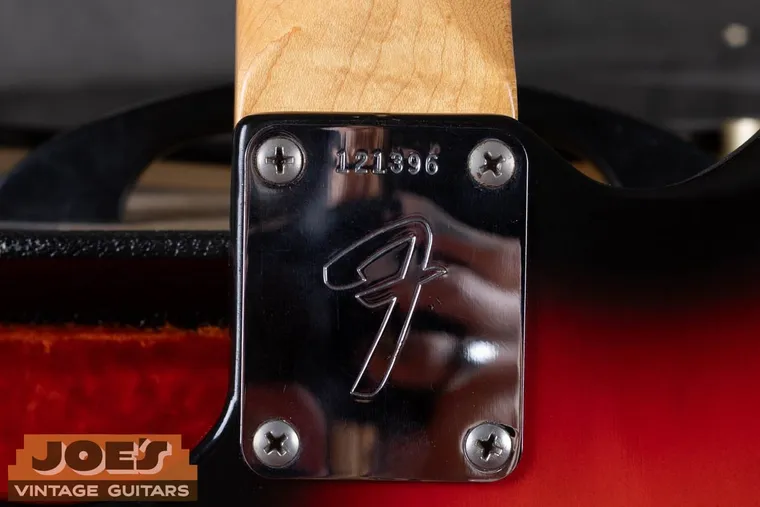
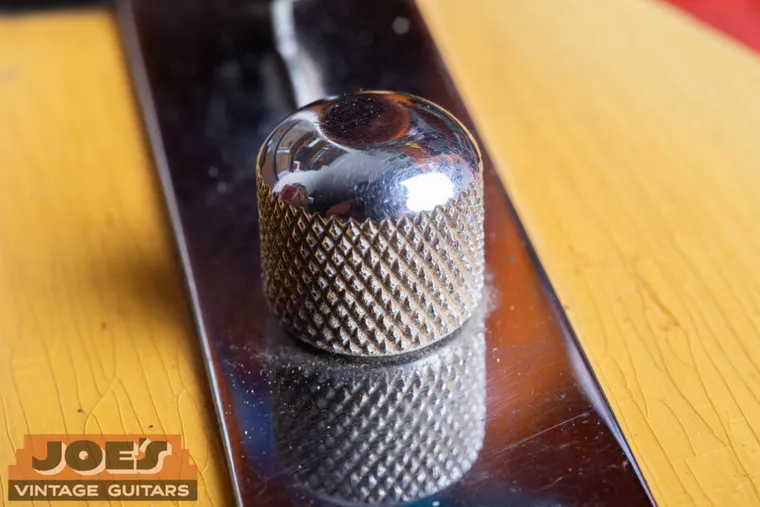
A full photo shows the model and overall condition. Close photos help me check the date, factory specifications, original parts, repairs, and value.
Brand Specific Appraisal
A Fender serial number can live on a bridge plate, neck plate, or headstock, depending on the period. Plates and necks can also move from one guitar to another. I use the number to establish a possible date range, then compare it with the logo, neck construction, body routes, hardware, and model features. A plate that dates to 1963 does not make the whole guitar a 1963 Fender if the rest of the instrument tells a later story.
Finish work is often where the largest value difference appears. I look at paint in the neck pocket and cavities, undercoat at worn edges, checking, nail holes, shadow lines, and the way color sits beneath hardware. A real custom color, a later overspray, and a complete refinish need different comparisons. Natural play wear can be valuable evidence, so I do not want the guitar polished or cleaned before I see it.
The hidden dates should make sense as a group. Neck dates, body dates, pot codes, pickup markings, cloth or plastic wire, pickguard screw patterns, tuners, and bridge details rarely point to one exact day, but they can support the same production window. Legitimate factory overlap happens, especially during transition years, so I do not reject a guitar because one part changed a few months before another.
Once the identity is sound, I compare the guitar with the right buyer group. A pre-CBS custom-color Stratocaster, a blackguard Telecaster, a clean offset, and a modified 1970s bass are separate markets. The appraisal reflects the exact model, period, finish, original parts, repair history, case, and current demand rather than a broad Fender price range.
What Changes the Price
I look at the entire instrument and compare it with completed sales of similar examples. A serial number or asking price cannot do that by itself. Read Vintage Stratocaster Value Guide for more detail.
A Stratocaster, Telecaster, Esquire, offset, or bass needs the right comparison group. Construction changes can narrow the date beyond the serial number.
An original custom color can add value. A refinish, overspray, or touchup puts the guitar in a different part of the market.
I check the pickup, pot, bridge, tuner, pickguard, and wiring details. Their dates should make sense together.
Refrets, routed bodies, changed pickups, neck work, and repaired damage do not have the same effect on every Fender.
Models I See Often
Your model does not have to be on this list. Send photos if you are unsure what it is. You can also read the Vintage Stratocaster Value Guide.
Send My Fender PhotosFrom Joe's Archive
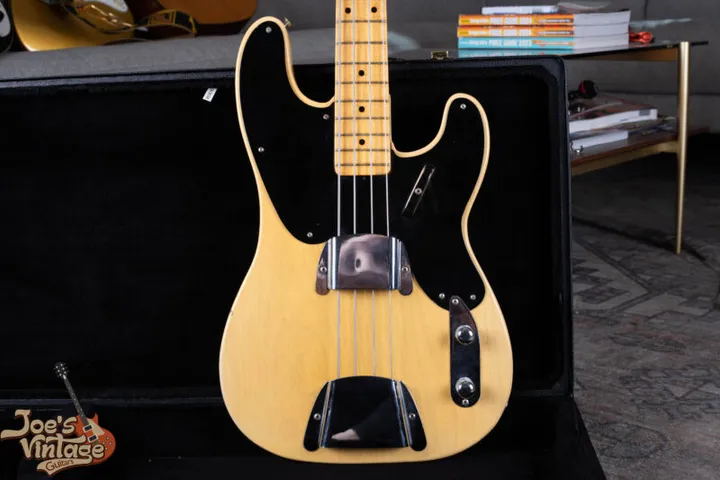
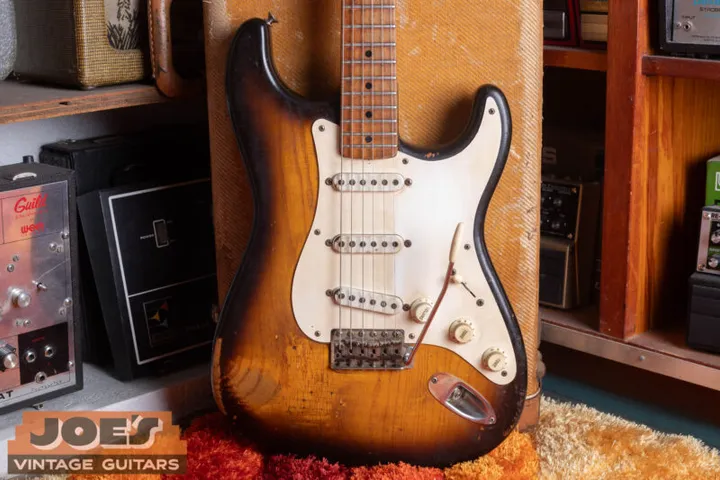
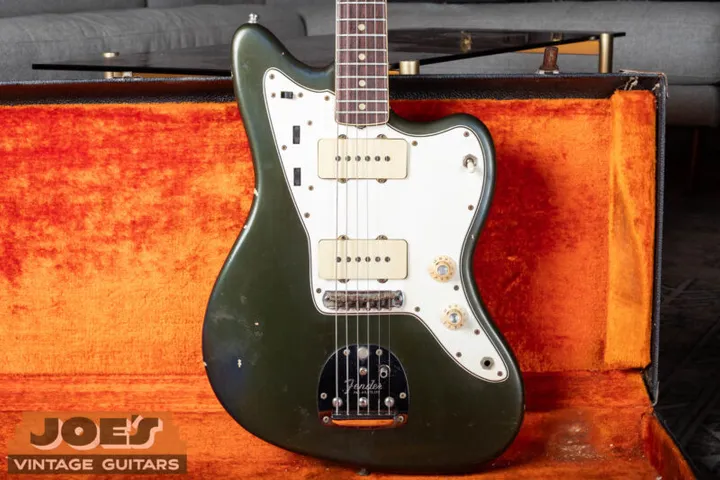
These Fender photos show how much can change between a Precision Bass, Stratocaster, and Jazzmaster. Body shape is obvious, but finish wear, hardware, and period features are just as useful.
How It Works
Start with the full front and back, headstock, neck or bridge plate, finish wear, controls, and case. Leave the neck and pickguard in place unless I later ask for a safe detail.
I compare the serial range with the model, logo, neck and body construction, hardware, electronics, and finish evidence to establish the most defensible production period.
I place the guitar with sales of the same model, era, finish status, originality, and repair level, then explain the value range and any detail that moved it.
If You Want to Research It
Use these guides to find serial numbers, dates, and value clues. You do not need to identify the guitar before you send it to me.
From a Guitar Owner
This is a customer's original review. Click it to read the review on Google.
“I included a description of my guitar including serial number and a couple of photos. He responded immediately with a real pleasant email and gave me a value on my guitar.”Jim W. in PennsylvaniaRead on Google
Other Brands
Choose the maker on the headstock. If you are not sure, send photos through the main appraisal page.
Return to the Free Appraisal HubCommon Questions
Do not worry if you do not know the model or year. Clear photos are enough to start.
Yes. Clear photos and a short description are usually enough to begin. I may ask for a closer view of the neck plate, finish, or electronics.
No. Do not take the guitar apart for the first request. Send the photos you can take safely, and I will tell you if I need another detail.
No. It gives me a possible production period. The model, finish, original parts, condition, repairs, and current demand determine the value.
Yes. A refinish usually lowers collector value, but a desirable model with good original parts can still be worth plenty.
Send What You Have
I will review the photos and tell you if I need another detail.