

Model and Production Period
A 325, 330, 360, 4001, 4003, or 4005 belongs to a specific market. The serial code and construction details help me place it in the right period.
Rickenbacker Appraisal Guide
For a Rickenbacker, I check the exact model, production period, pickups, hardware, finish, original parts, condition, and recent sales before I give you a value range.
Start Here
Send the photos you have and tell me anything you know about the guitar. The brand is already filled in, and you do not need to know the exact model or year.
There is no charge for the first market valuation and no obligation to sell. After you submit the form, you can upload the guitar photos securely.
Or call or text Joe at (602) 900-6635What to Photograph
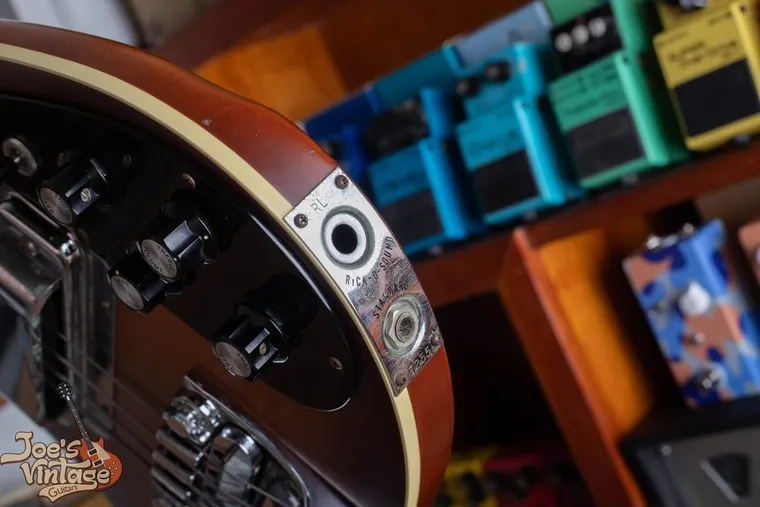
Many Rickenbacker instruments have the serial code on the output jack plate. The code helps with the date, but I also check the model features, construction, pickups, binding, and finish. A remote Rickenbacker appraisal starts with photos, whether you are in Arizona or elsewhere in the country; do not ship the instrument just to get a value. If you are near Mesa, contact me about an in-person appraisal. Read the Rickenbacker serial number guide if you want help finding the number first.
Send what you have. These are the ideal photos, but you do not have to get every shot or every detail perfect. I can look at what you send and tell you what else would help. Please leave the guitar assembled, and do not clean old parts or start a repair before sending photos.
Close Photos That Matter
A full photo shows the model and overall condition. Close photos help me check the date, factory specifications, original parts, repairs, and value.
Brand Specific Appraisal
Many Rickenbacker serial codes are stamped on the output jack plate. That plate can be replaced, so I treat the code as one clue rather than the whole answer. The body shape, neck construction, headstock, logo plate, truss rod cover, binding, inlays, controls, and hardware should fit the same model and period. Early lap steels and Frying Pan instruments require a different set of references from later guitars and basses.
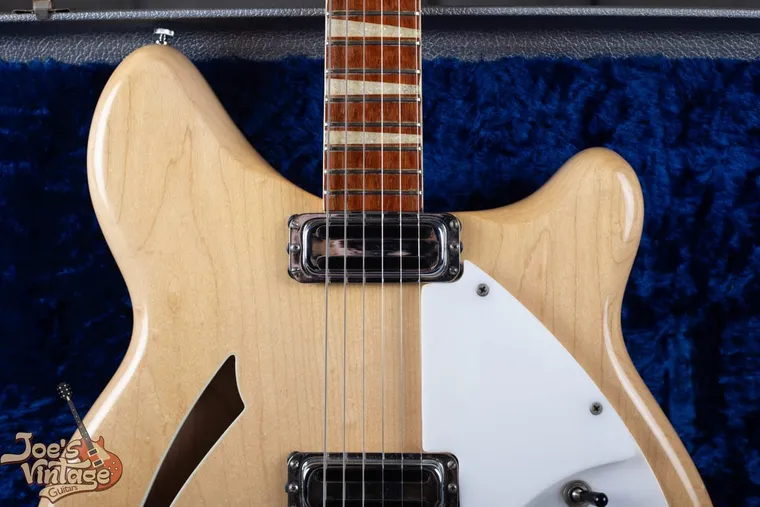
Pickups can make a large difference in both identity and value. Horseshoe, toaster, and high-gain designs changed across the catalog, and replacement pickups or rewound units do not carry the same market weight as intact originals. I also examine pickguards, knobs, wiring, potentiometers, bridges, tailpieces, tuners, and extra holes to see whether the visible configuration is still factory correct.
Construction and condition need model-specific judgment. Checkerboard binding, crushed-pearl inlays, neck-through construction, double truss rods, stereo wiring, and unusual finishes can define a desirable specification. Neck movement, truss rod damage, changed routes, lifting binding, finish work, and repaired breaks can be expensive to correct, especially when model-specific replacement parts are hard to find.
A 325, 360 12-string, 4001, 4003, and hollowbody 4005 attract different buyers. Once the model and production period are established, I compare the instrument with sales that share its pickup version, finish, binding and inlay package, original hardware, condition, repair history, and case. That prevents a common model from setting the range for a scarce configuration.
What Changes the Price
I look at the entire instrument and compare it with completed sales of similar examples. A serial number or asking price cannot do that by itself. Read Seven Factors That Determine Value for more detail.
A 325, 330, 360, 4001, 4003, or 4005 belongs to a specific market. The serial code and construction details help me place it in the right period.
Toaster, horseshoe, high gain, and other pickup and wiring specifications can change both the identity and value.
I consider the original finish, checkerboard binding, wear, touchups, overspray, and refinishing with the model and period.
Bridge parts, tailpieces, tuners, knobs, pickguards, and cases matter. Neck issues, changed routes, and repairs can put the guitar in a different buyer group.
Models I See Often
Your model does not have to be on this list. Send photos if you are unsure what it is. You can also read the Seven Factors That Determine Value.
Send My Rickenbacker PhotosFrom Joe's Archive
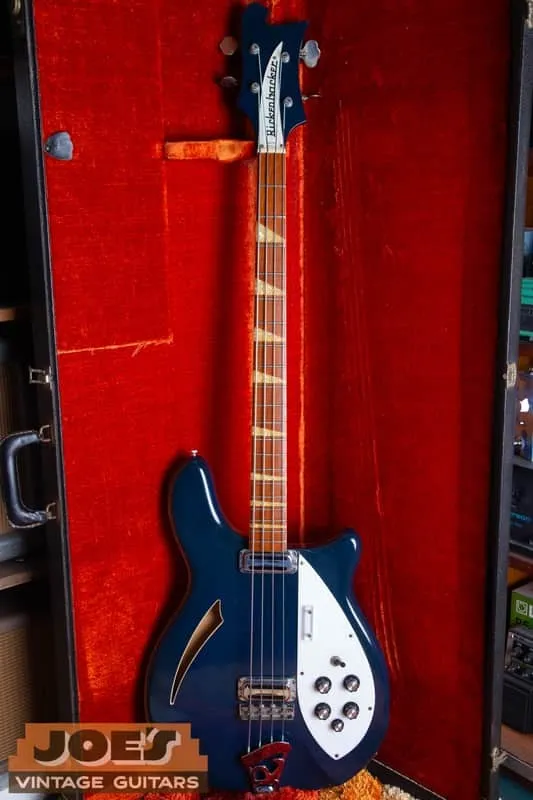
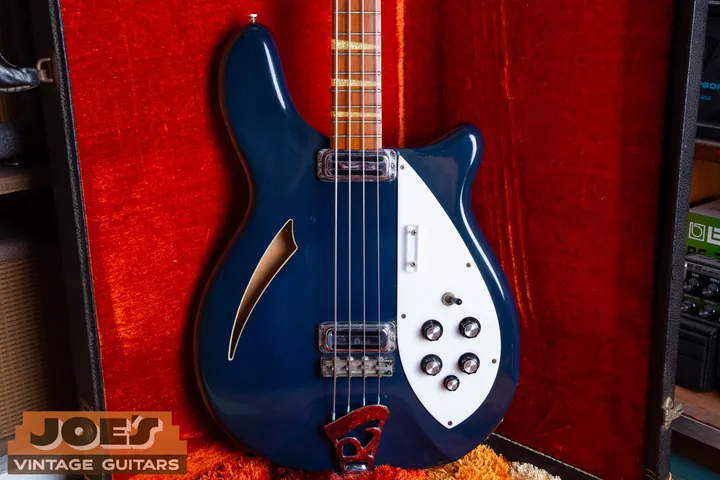
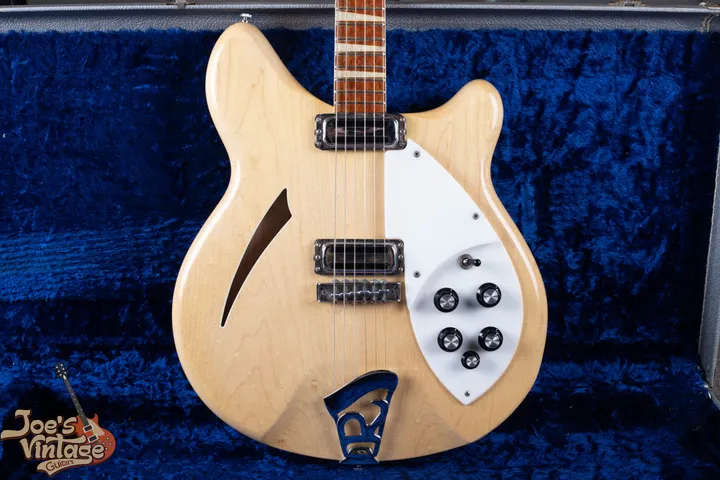
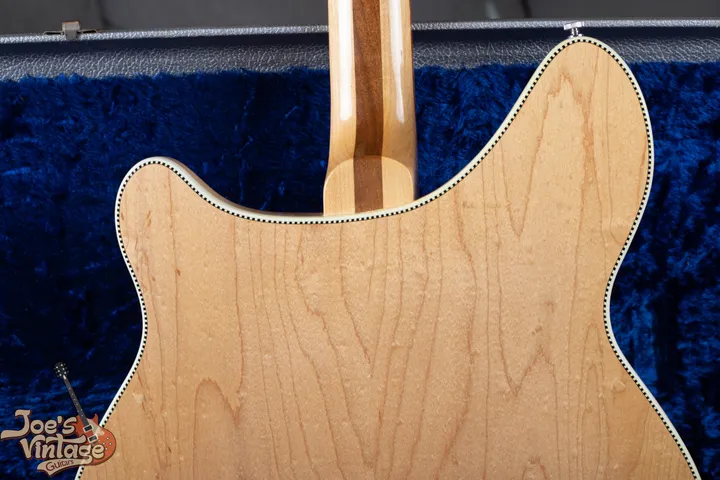
Rickenbacker model details can be easy to miss in one overall photo. The 4005, 360, and checkerboard binding below show the construction and trim clues I use alongside the serial code.
How It Works
Include the full instrument, headstock and logo plate, jack plate code, pickups, controls, bridge, tailpiece, binding, inlays, finish, repairs, and case.
I compare the serial code with construction, pickup version, trim, wiring, and hardware to identify the model period and any later changes.
The appraisal uses sales of the same model, pickup and trim package, finish, originality, structural condition, repair history, and case status.
If You Want to Research It
Use these guides to find serial numbers, dates, and value clues. You do not need to identify the guitar before you send it to me.
From a Guitar Owner
This is a customer's original review. Click it to read the review on Google.
“Joe patiently went through each instrument and provided me with a range of values for each one. I appreciated his knowledge, honesty, and willingness to take time to help me.”RayRead on Google
Other Brands
Choose the maker on the headstock. If you are not sure, send photos through the main appraisal page.
Return to the Free Appraisal HubCommon Questions
Do not worry if you do not know the model or year. Clear photos are enough to start.
Yes. Send the full instrument, jack plate serial code, headstock, pickups, hardware, finish, binding, and repairs.
No. It gives me a possible production period. The exact model, pickups, finish, original parts, repairs, and condition determine the value.
Yes, especially on rarer models. I look at which parts were changed, what remains original, and whether the guitar was cut or drilled.
No major work is needed. Photograph it as it is. Heavy cleaning or an unnecessary repair can remove evidence or create a new problem.
Send What You Have
I will review the photos and tell you if I need another detail.