

Model and Production Period
A 6120, Duo Jet, White Falcon, Country Gentleman, or Tennessean belongs to a different market. Period details help confirm the exact version.
Gretsch Appraisal Guide
For a Gretsch appraisal, I check the serial number, model features, pickups, hardware, finish, binding, repairs, and completed sales of comparable guitars.
Start Here
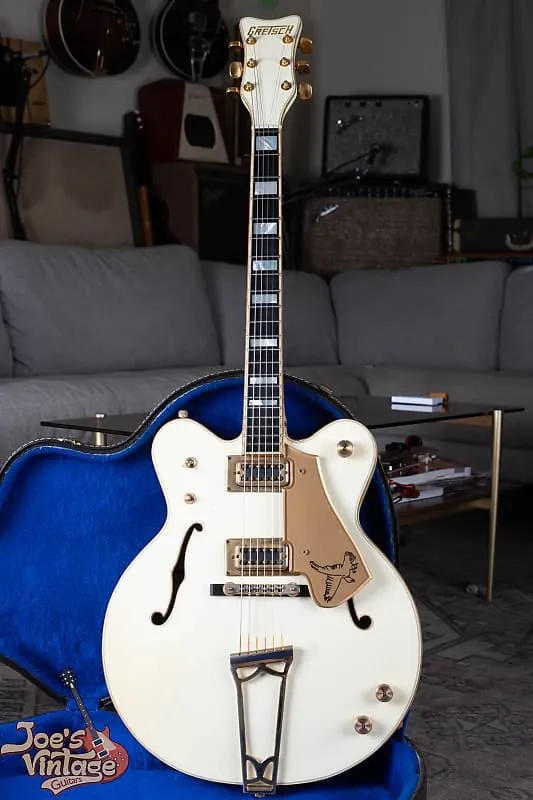
Send the photos you have and tell me anything you know about the guitar. The brand is already filled in, and you do not need to know the exact model or year.
There is no charge for the first market valuation and no obligation to sell. After you submit the form, you can upload the guitar photos securely.
Or call or text Joe at (602) 900-6635What to Photograph
Gretsch serial number locations and formats changed over time. I compare the number with the label, headstock, body shape, inlays, pickups, controls, hardware, and construction. Gretsch owners nationwide can begin with photos by email, and the guitar can stay safely at home. If you are close to Mesa, Arizona, contact me about an in-person appraisal at the shop. Read the Gretsch serial number lookup if you want help finding the number first.
Send what you have. These are the ideal photos, but you do not have to get every shot or every detail perfect. I can look at what you send and tell you what else would help. Please leave the guitar assembled, and do not clean old parts or start a repair before sending photos.
Close Photos That Matter
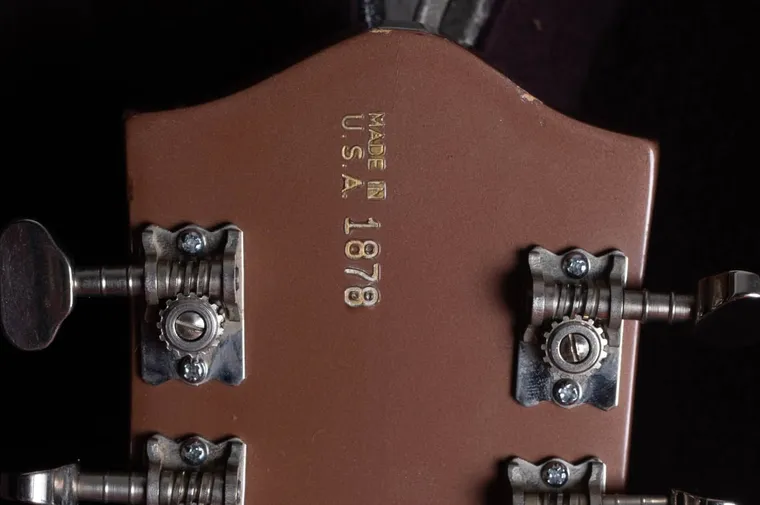
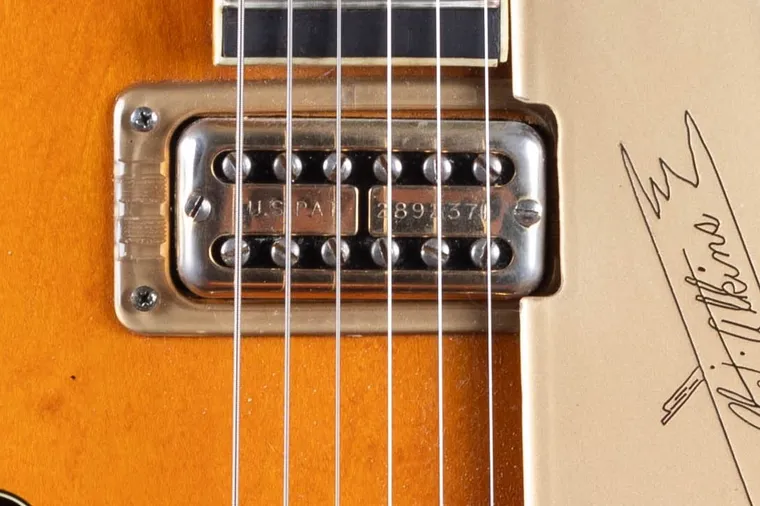
A full photo shows the model and overall condition. Close photos help me check the date, factory specifications, original parts, repairs, and value.
Brand Specific Appraisal
Gretsch serial numbers appear on interior labels, headstocks, and other locations depending on the era. Some systems overlap, and labels can become faint or disappear. I compare the number with the label style, body depth, cutaway, headstock, logo, inlays, control layout, and model features before settling on a production window. On a Gretsch, the surrounding specification is often more useful than the number by itself.
Pickups and hardware are major date and value clues. DeArmond Dynasonics, FilterTrons, HiLoTrons, and SuperTrons belong to different models and periods. Bridges, Bigsby units, G tailpieces, knobs, switches, tuners, pickguards, and thumbnail or hump-block inlays help establish what the guitar was when it left the factory. I also look for extra holes or routing that show a later conversion.
Binding condition deserves its own part of the appraisal. Celluloid binding can shrink, crack, crumble, or separate even when the rest of the guitar looks clean. A localized repair is different from a full rebinding, and the cost of making a guitar stable can change what a buyer will pay. Neck resets, top movement, repaired cracks, finish work, and deteriorated pickguards also need to be priced by extent and quality.
Gretsch values are model specific. A 1950s 6120, White Falcon, Duo Jet, Country Club, and a Baldwin-era guitar do not move together. After identifying the model and condition, I compare the instrument with sales from the same construction period, pickup configuration, finish, hardware setup, originality level, and repair category.
What Changes the Price
I look at the entire instrument and compare it with completed sales of similar examples. A serial number or asking price cannot do that by itself. Read Gretsch 6120 History and Value Guide for more detail.
A 6120, Duo Jet, White Falcon, Country Gentleman, or Tennessean belongs to a different market. Period details help confirm the exact version.
Dynasonic, FilterTron, HiLoTron, and SuperTron pickups have different periods and markets. Original wiring and controls also matter.
Original finish, binding condition, Bigsby type, bridge, knobs, tuners, and case all help place the guitar in the right value range.
Binding deterioration, neck resets, top movement, cracks, refinishing, and changed parts affect each Gretsch model differently.
Models I See Often
Your model does not have to be on this list. Send photos if you are unsure what it is. You can also read the Gretsch 6120 History and Value Guide.
Send My Gretsch PhotosFrom Joe's Archive
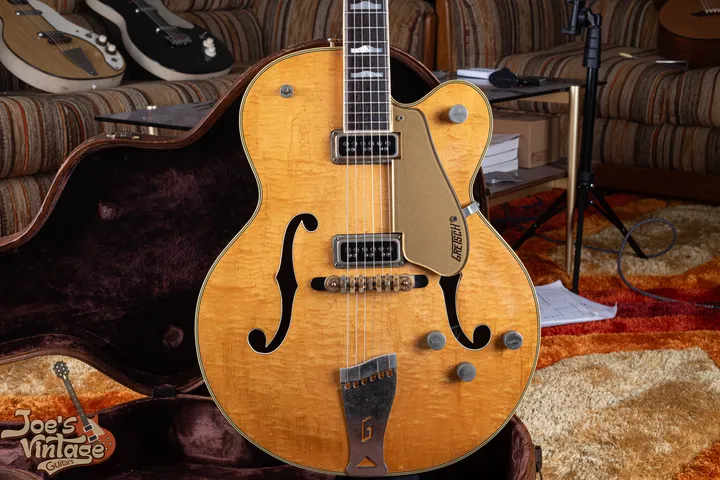
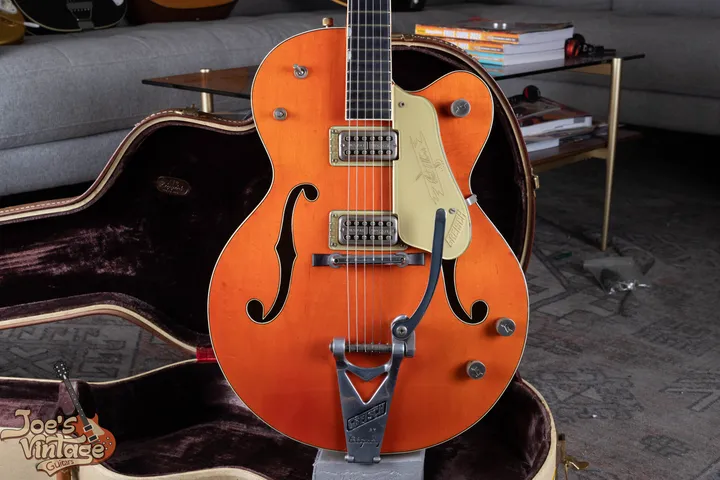
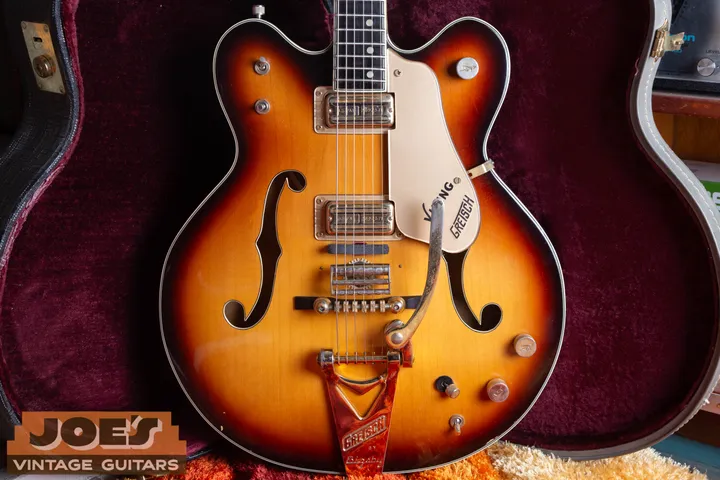
A Country Club, 6120, and Viking do not share one value range. Pickups, binding, hardware, finish, model features, and structural condition help me place each guitar in its proper market.
How It Works
Send the full body, headstock, label or serial, inlays, pickups, control layout, bridge, tailpiece or Bigsby, binding, neck joint, and case.
I compare the number with construction, logo, inlays, pickups, hardware, and control layout, then note later parts, finish work, or conversions.
The value range uses sales of the same Gretsch model and era while accounting for originality, binding stability, structural work, finish, and case.
If You Want to Research It
Use these guides to find serial numbers, dates, and value clues. You do not need to identify the guitar before you send it to me.
From a Guitar Owner
This is a customer's original review. Click it to read the review on Google.
“He appraised 2 guitars for me incredibly quickly at no cost.”Jessica HammondRead on Google
Other Brands
Choose the maker on the headstock. If you are not sure, send photos through the main appraisal page.
Return to the Free Appraisal HubCommon Questions
Do not worry if you do not know the model or year. Clear photos are enough to start.
Yes. Send the full guitar, serial number or label, headstock, pickups, hardware, finish, binding, and any repairs.
No. Binding condition matters, but the model, year, originality, repair quality, and overall condition still determine the market.
They can. I look at the exact parts, whether the guitar was drilled or altered, and what original pieces remain.
No major work is needed. Photograph it as it is so I can see the finish, wear, binding, and old parts clearly.
Send What You Have
I will review the photos and tell you if I need another detail.