

Gibson L-7 Prices · Noncutaway, Cutaway And Electric
Gibson L-7 Value Guide
An early 16-inch L-7, a 17-inch acoustic and a documented factory electric each need their own comparison.
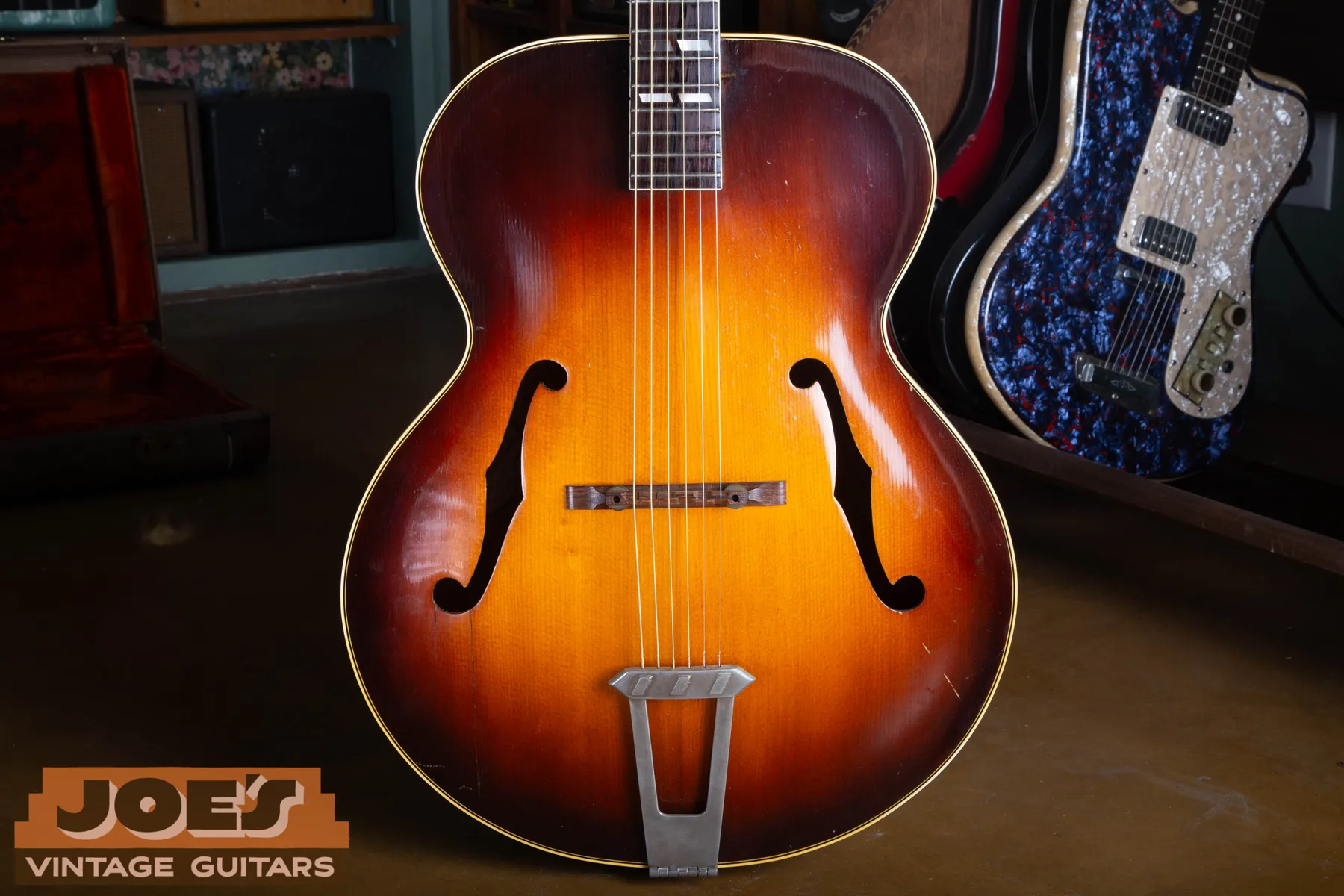
A 1940 to 1949 sunburst Gibson L-7 is estimated at $3,850 to $5,100, and a 1950 to 1959 natural L-7C is $4,250 to $5,950 in excellent, original condition with the original case where applicable. Joe’s 1947 archive instrument is a noncutaway example. Confirm body size, cutaway and any electrical equipment with the L-7 authentication guide before selecting a price group.
This Is An Estimate Of Market Value, Not An Offer To Buy And Not A Guarantee. Market Values Fluctuate; Have Your Specific Item Appraised.
Excellent Original Examples
Gibson L-7 Values By Model And Configuration
| Model | Pricing Year Group | Configuration | Estimated Value |
|---|---|---|---|
| L-7 / L-7N | 1932 to 1934 | 16-inch body | $4,350 to $5,650 |
| L-7 / L-7N | 1935 to 1939 | 17-inch body; X-bracing | $4,450 to $5,800 |
| L-7 / L-7N | 1940 to 1949 | Natural | $3,950 to $5,300 |
| L-7 / L-7N | 1940 to 1949 | Sunburst | $3,850 to $5,100 |
| L-7 / L-7N | 1950 to 1956 | Natural | $3,850 to $5,150 |
| L-7 / L-7N | 1950 to 1956 | Sunburst | $3,750 to $4,900 |
| L-7C / L-7CN | 1948 to 1949 | Natural | $5,200 to $6,950 |
| L-7C / L-7CN | 1948 to 1949 | Sunburst | $4,450 to $6,250 |
| L-7C / L-7CN | 1950 to 1959 | Natural | $4,250 to $5,950 |
| L-7C / L-7CN | 1950 to 1959 | Sunburst | $3,850 to $5,150 |
| L-7C / L-7CN | 1960 to 1964 | Natural | $3,650 to $4,800 |
| L-7C / L-7CN | 1960 to 1964 | Sunburst | $3,550 to $4,450 |
| L-7C / L-7CN | 1965 | Natural | $3,700 to $4,850 |
| L-7C / L-7CN | 1965 | Sunburst | $3,250 to $4,300 |
| L-7C / L-7CN | 1966 to 1972 | Natural | $3,400 to $4,700 |
| L-7C / L-7CN | 1966 to 1972 | Sunburst | $3,100 to $4,400 |
| L-7 Custom Electric | 1936 | Factory Charlie Christian-style pickup | $8,500 to $11,050 |
| L-7CE | 1948 to 1954 | Cutaway; McCarty pickup assembly | $4,800 to $6,950 |
| L-7E | 1948 to 1954 | Non-cutaway; McCarty pickup assembly | $3,950 to $6,150 |
U.S. dollars. These November 2026 retail market estimates assume excellent, original condition and the original case where applicable. An individual sale can fall outside the range; these figures are not purchase offers. Repairs, changed parts and market conditions require an individual appraisal.
The chart separates noncutaway acoustics, cutaway L-7C models and the specified historical electric versions. Natural and sunburst finishes have separate rows where listed. Later Custom Shop reissues are outside these vintage comparisons.
These estimates are for November 2026 and can change with the market. They assume the stated condition and aren’t purchase offers. An altered top, uncertain electrical installation or unresolved model designation needs individual review before a range can be applied.
Early And Later Acoustic Guitars
How Body Generation Changes The L-7 Comparison
The early 1932 to 1934 16-inch group is $4,350 to $5,650. The 1935 to 1939 17-inch X-braced group is $4,450 to $5,800. Body measurements and construction identify which comparison is appropriate. A prewar date alone can’t place the instrument in either row.
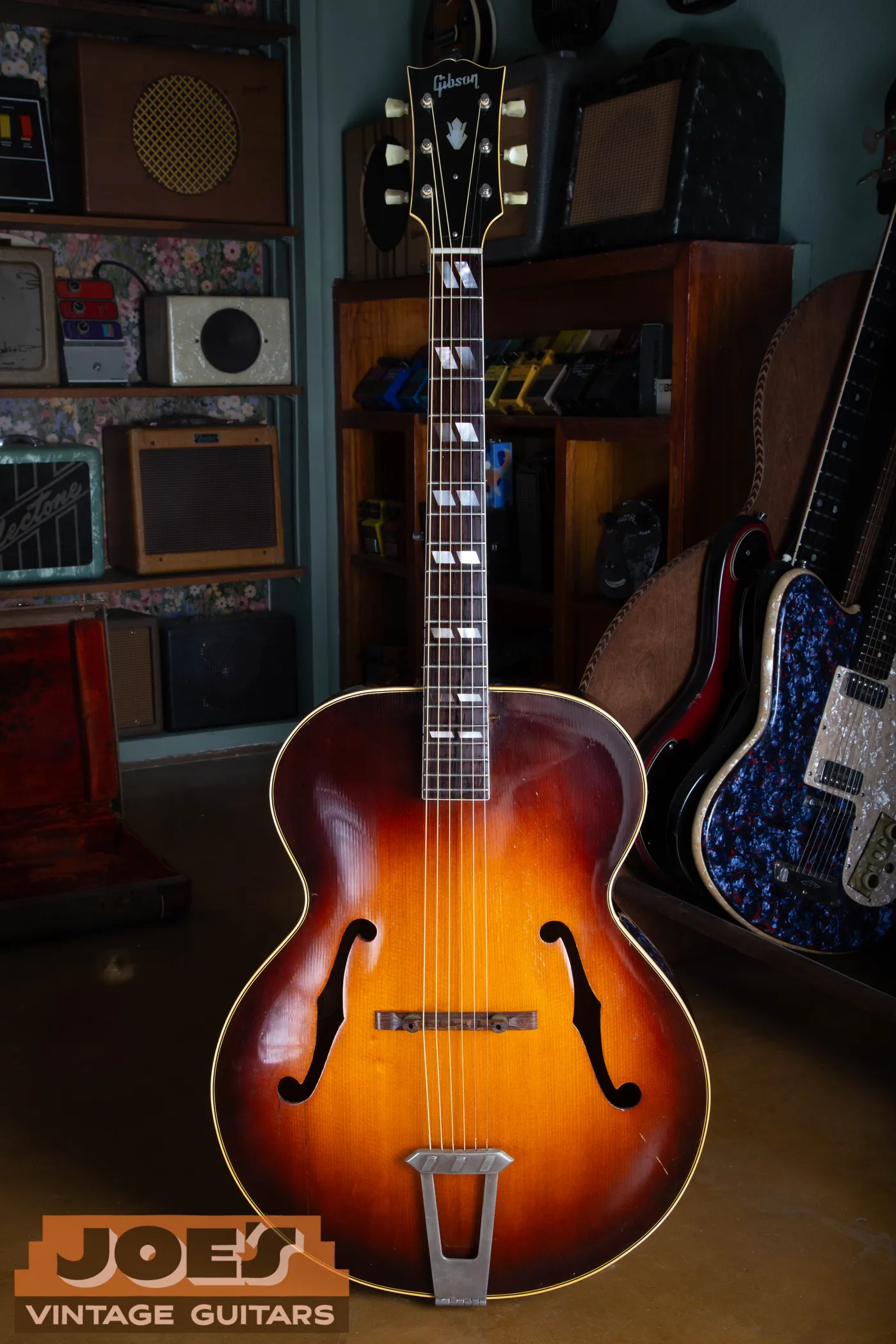
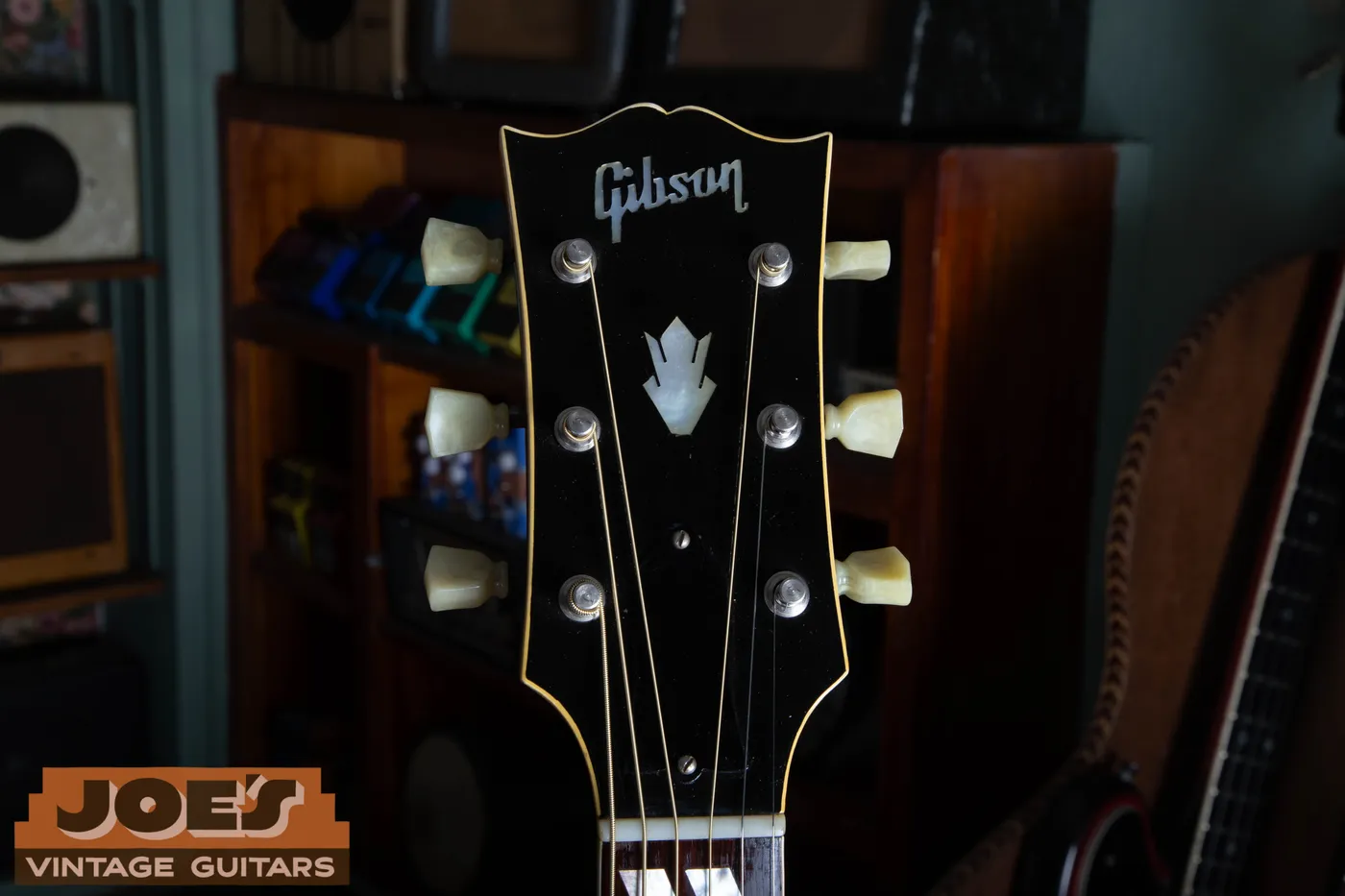
For 1940 to 1949 noncutaways, natural is $3,950 to $5,300 and sunburst is $3,850 to $5,100. Joe’s 1947 sunburst example belongs to the latter configuration. Its readable label is useful identification evidence, while the condition of any other L-7 must be assessed from that instrument’s own photographs and history.
The 1950 to 1956 noncutaway sunburst estimate is $3,750 to $4,900. Compare the guitar’s current bridge, guard, tailpiece and tuners with its period, then account for repairs. An older age doesn’t erase the effect of a changed top or extensive neck work.
Finish And Year Groups
L-7C And L-7CN Values
A 1948 to 1949 natural cutaway is estimated at $5,200 to $6,950, with sunburst at $4,450 to $6,250. The 1950 to 1959 natural group is $4,250 to $5,950, while sunburst is $3,850 to $5,150. Verify that the instrument is a cutaway before using these figures.
The later 1966 to 1972 groups are $3,400 to $4,700 for natural and $3,100 to $4,400 for sunburst. Keep the actual date and finish in the appraisal description. A broad “1960s L-7” label leaves out distinctions that the chart makes explicitly.
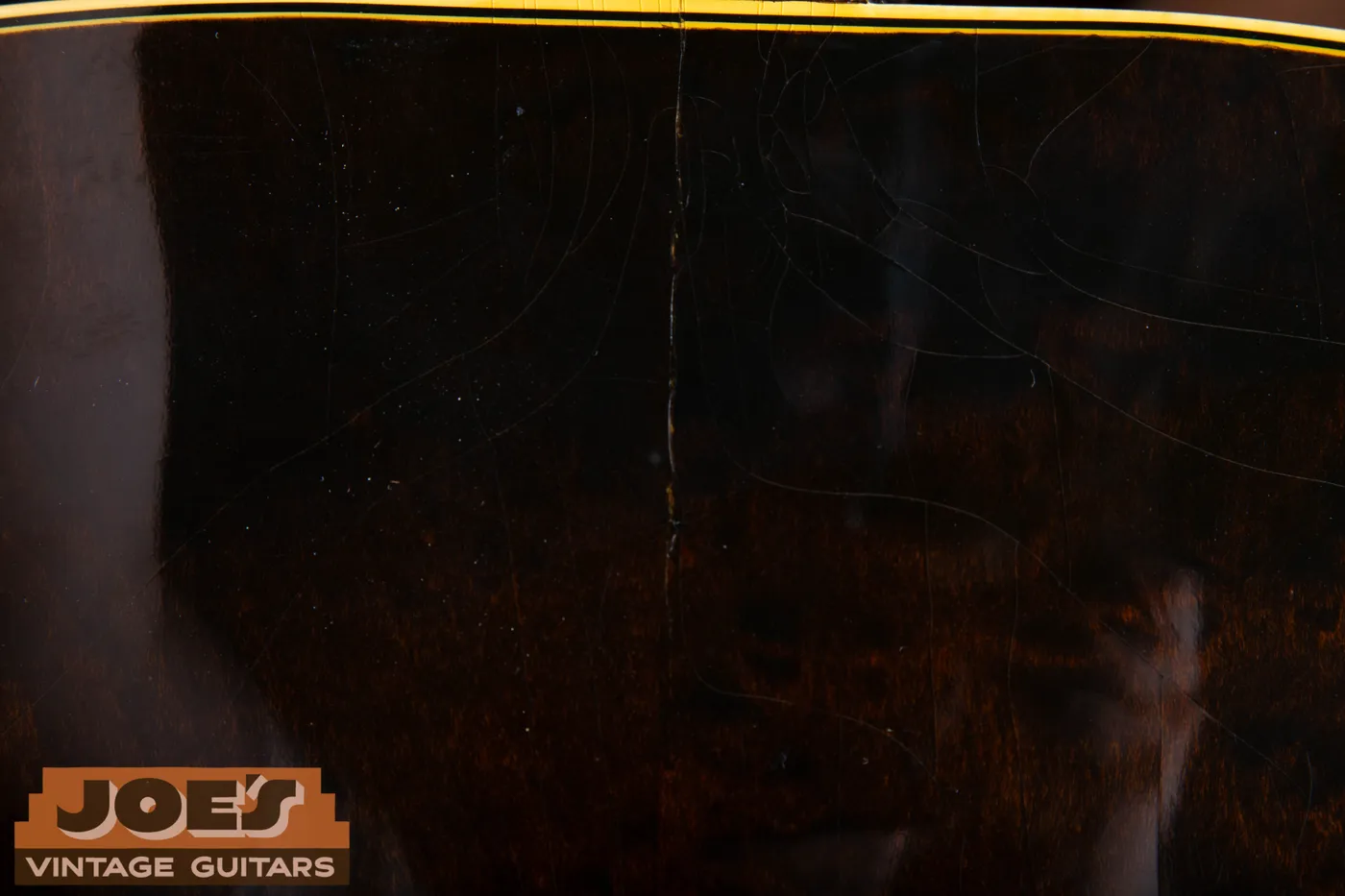
Factory natural finish requires more support than exposed light-colored wood. A sunburst stripped during an old restoration remains a refinished guitar. Send finish photographs around the binding, heel and headstock, along with any paperwork that explains the work.
Cutaway condition deserves a close view of the upper rim and neck joint. Repairs can be harder to photograph in that curved area. Use several angles and include a wider frame so the close-up’s location is clear to the reviewer.
Evidence Of The Original Installation
Valuing Historical Electric L-7 Versions
1936 Custom Electric
The specified Charlie Christian-style factory electric group is estimated at $8,500 to $11,050. This comparison requires documentation of the model and installation. An acoustic L-7 with a later pickup can’t be moved into this row on appearance alone.
L-7CE With McCarty Assembly
The 1948 to 1954 cutaway group is $4,800 to $6,950. Review the pickup assembly, mounting and body together. A replacement guard or altered wiring can affect the completeness of the original configuration.
L-7E With McCarty Assembly
The noncutaway 1948 to 1954 group is $3,950 to $6,150. Keep the assembly’s identification and its installation history distinct. A period pickup found in a case still needs evidence connecting it to the guitar.
The pickup-change guide explains why an added component and removed body wood deserve separate attention. Photograph any routing, control holes or changed output connection that is already documented. Avoid new disassembly just to support a preliminary estimate.
Price The Instrument As It Stands
Neck Angle And Acoustic Condition Affect L-7 Value
A guitar can look clean from the front while having little bridge adjustment left. Send a side view showing the bridge, strings and fingerboard. Report high action or buzzing without assuming the cause. A repairer’s examination may be needed to distinguish a setup issue from neck-angle or top movement.
Ask for the history of any neck reset, repaired crack or loose brace. A well-documented repair gives the appraiser more useful information than a vague assurance that the guitar was “gone through.” Keep invoices that identify the work and the instrument, and remove personal billing details from shared copies.
Wear on the back, fingerboard and guard can show the guitar’s use, but wear alone can’t prove the finish is original. Include suspected overspray or replacement finish in the description. The refinish value guide explains how finish work changes the collector comparison.
Several condition issues may be connected. A low bridge, a poor neck angle and a proposed neck reset can describe one problem. Use the condition guide to organize the information rather than adding independent guessed deductions.
Keep The Surviving Pieces Together
Guards, Tailpieces And Cases
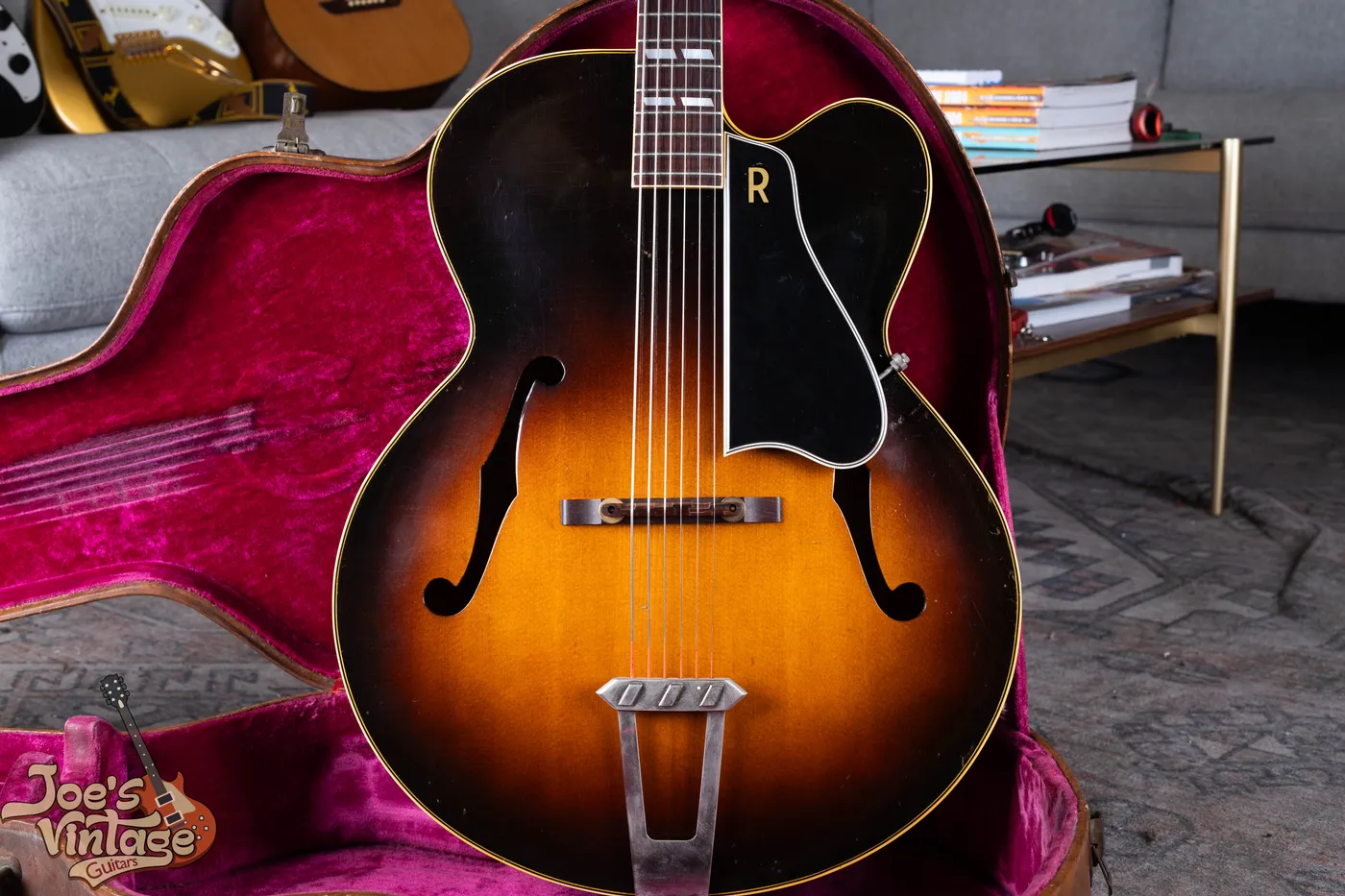
The 1949 archive L-7C has a rounded cutaway and a personalized guard. That detail should remain visible in its description. Personalization may interest a particular owner, but it should not be assigned a general price premium without supporting provenance and a relevant buyer.
A changed bridge or tailpiece can affect both originality and setup. If the removed piece remains with the guitar, photograph it separately and explain what is known about it. A loose part from the correct decade isn’t automatically the original part from this instrument.
Cases can be exchanged over a long ownership history. Show the interior fit as well as the exterior, handle and latches. The chart’s original-case assumption should be adjusted when the instrument has a replacement case or no case. Discuss transport with Joe before choosing a shipping container for a large archtop.
Give Joe The Model And Condition Together
Request An L-7 Appraisal Before Paying For Work
Start with the whole instrument, label, body measurement and headstock. Add the bridge profile, heel and any repaired area. If electrical equipment is present, show its mounting and controls. This set gives Joe enough context to distinguish a straightforward acoustic comparison from a configuration that needs more investigation.
Read whether restoration makes sense before selling before ordering refinishing or replacement hardware. Work that improves playing convenience may still change the collector assessment, and its cost isn’t automatically recovered in a sale.
For a family-owned L-7, include dated photographs or receipts that show the instrument earlier in its life. They can document an old configuration without necessarily establishing the exact manufacturing date. Joe can review the evidence through a free appraisal and discuss a sale through the Gibson selling page.
If several acoustic archtops are being appraised together, measure and photograph each one separately. A case label or a loose tailpiece can easily be associated with the wrong guitar after years in storage. Keep each instrument’s factory-number photograph beside its full front view, then attach its repair history and case details. This preserves the model distinctions that the price chart depends on and reduces uncertainty before any shipping arrangements are made.
Send The Evidence
Get Your Gibson L-7 Appraised
Send the model details, repair history, case photographs and your location. Keep the original image files available if a small label or construction detail needs enlargement.
Questions AboutGibson Values
What Is A 1947 Sunburst Gibson L-7 Worth?
Does A Pickup Add Its Purchase Price To L-7 Value?
Should I Replace A Personalized L-7 Pickguard?
The Last Word
A Value For Your Guitar
Choose the L-7 row from the supported body generation, cutaway and finish, then account for the actual condition. Use the L-7 identification guide to resolve the model before requesting a price.
This Is An Estimate Of Market Value, Not An Offer To Buy And Not A Guarantee. Market Values Fluctuate; Have Your Specific Item Appraised.