

Gibson L-48 Prices · Postwar Acoustic Archtops
Gibson L-48 Value Guide
The right L-48 comparison begins with a supported date and a clear account of its acoustic condition.
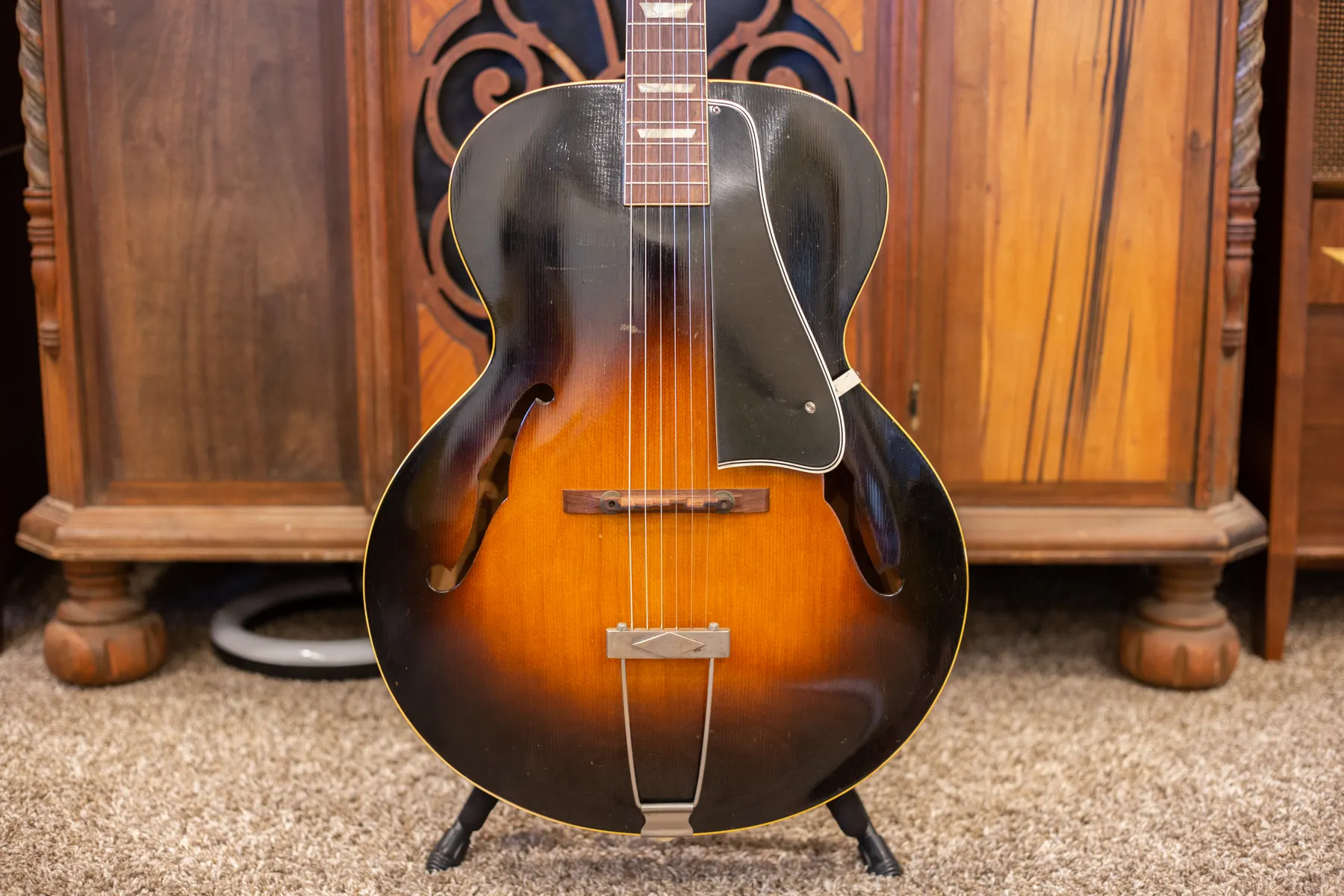
A vintage Gibson L-48 is estimated at $1,700 to $2,150 for the 1946 to 1949 group and $850 to $1,300 for 1970 to 1971, in excellent original condition with its original case where applicable. The table separates the remaining production-year groups. Check the L-48 identification guide before using these figures for a guitar that might be an L-50 or another Gibson archtop.
This Is An Estimate Of Market Value, Not An Offer To Buy And Not A Guarantee. Market Values Fluctuate; Have Your Specific Item Appraised.
Original Condition And Correct Configuration
Gibson L-48 Estimated Values
| Model | Pricing Year Group | Configuration | Estimated Value |
|---|---|---|---|
| L-48 | 1946 to 1949 | Sunburst acoustic archtop | $1,700 to $2,150 |
| L-48 | 1950 to 1959 | Sunburst acoustic archtop | $1,750 to $2,200 |
| L-48 | 1960 to 1964 | Sunburst acoustic archtop | $1,600 to $2,000 |
| L-48 | 1965 | Sunburst acoustic archtop | $1,300 to $1,750 |
| L-48 | 1966 to 1969 | Sunburst acoustic archtop | $1,050 to $1,400 |
| L-48 | 1970 to 1971 | Sunburst acoustic archtop | $850 to $1,300 |
U.S. dollars. These November 2026 retail market estimates assume excellent, original condition and the original case where applicable. An individual sale can fall outside the range; these figures are not purchase offers. Repairs, changed parts and market conditions require an individual appraisal.
The listed L-48 comparisons are sunburst acoustic guitars. A stripped instrument needs a separate condition assessment; this chart contains no natural-finish L-48 row. If the date or finish remains uncertain, an appraisal can address that uncertainty before you use a figure from the chart.
The estimates assume a complete instrument in excellent condition. They don’t include an automatic allowance for repairs, an added pickup or missing equipment. Joe will need the individual guitar’s photographs and history before discussing a purchase offer. Keep the table as a comparison and record the differences your instrument presents.
The Date Must Fit The Guitar
Compare Early And Later L-48 Price Groups
Early Postwar L-48s
The 1946 to 1949 estimate is $1,700 to $2,150. An earlier ownership story should be checked against factory markings and physical features. A family member’s purchase may have been used, or it may have occurred after the instrument was built.
These guitars need a clear report on the top, neck joint and original acoustic hardware. A bridge replaced during decades of playing is a different condition from an instrument whose top has been extensively altered. Describe the actual work so the appraisal can reflect the whole guitar.
Later L-48s
The 1960 to 1964 group is $1,600 to $2,000, with 1970 to 1971 at $850 to $1,300. Choosing the later row doesn’t mean a guitar is uncollectible or unsuitable for sale. It means the comparison should match the instrument being offered.
A clean later L-48 and an earlier guitar with unresolved structural problems need separate consideration. Year alone doesn’t describe playability or originality. Include current string height, bridge adjustment and any known repair needs along with the serial evidence.
Structure Before Cosmetic Ranking
What Changes An L-48 Appraisal?
Neck Joint And Action
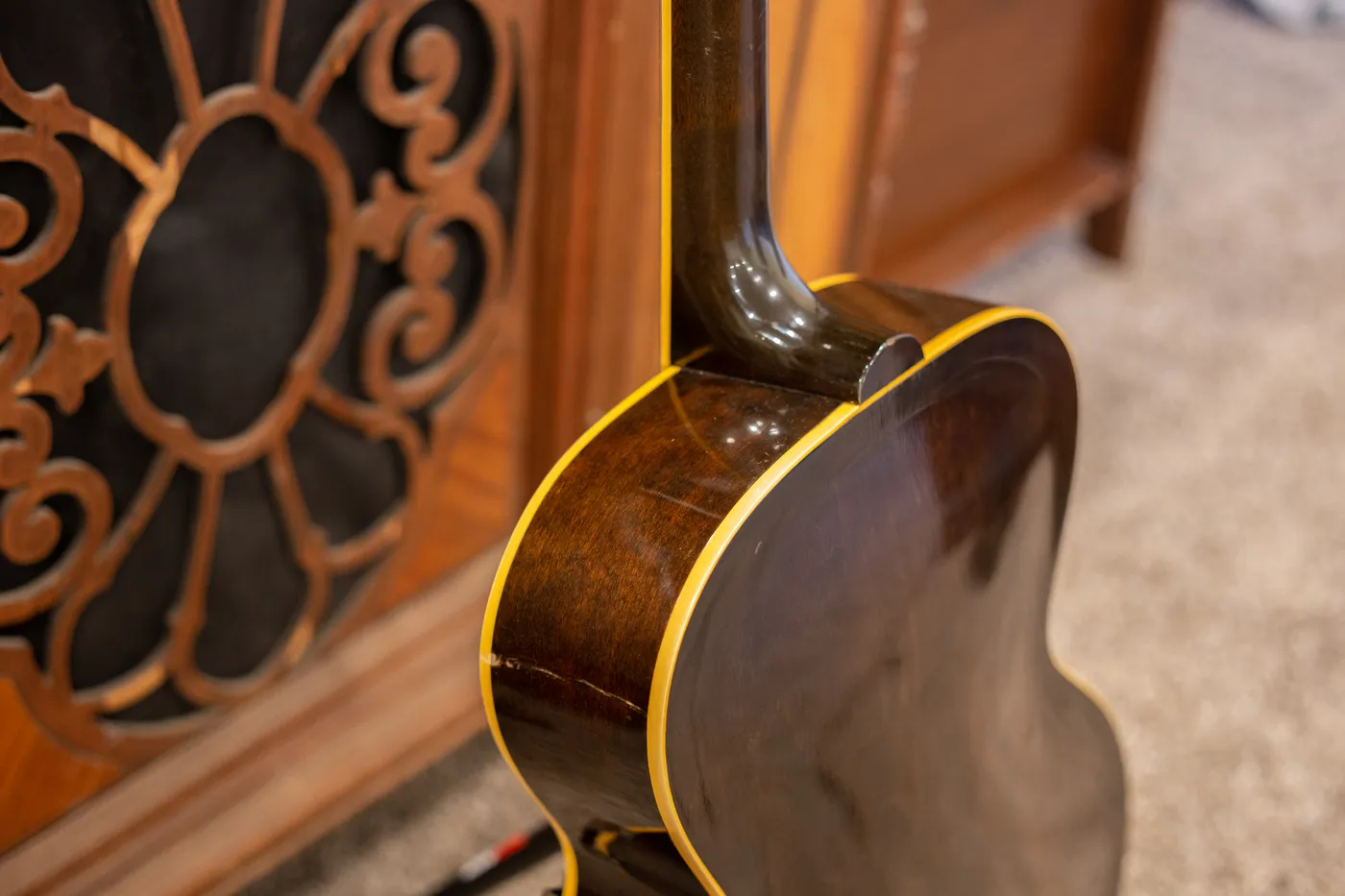
Report high action or a bridge lowered close to the top. A setup assessment should establish the cause before anyone assigns a repair cost. Photographs from the side and along the neck are more useful than calling the guitar easy or hard to play.
Body Seams And Plate Repairs
Show open seams, patched areas and any visible separation. Include photographs of the entire top and back as well as the close-ups. Repair quality and stability affect the assessment; a short written description can’t replace those views.
Headstock And Heel Damage
A repaired break needs clear disclosure even when the repair is tidy. Explain when the work happened, if known, and provide an invoice. The appraisal should distinguish a documented stable repair from an unresolved structural problem.
Use the condition guide to organize your notes. Avoid adding several guessed discounts for symptoms that may share a cause. For example, high action and limited bridge adjustment might be two observations about one neck-angle issue.
The cost of work doesn’t automatically become a dollar-for-dollar increase in resale value. Before commissioning a major repair solely to improve the sale, get the instrument assessed as it sits. The restoration-before-sale guide explains why preserving evidence and keeping original parts can be useful.
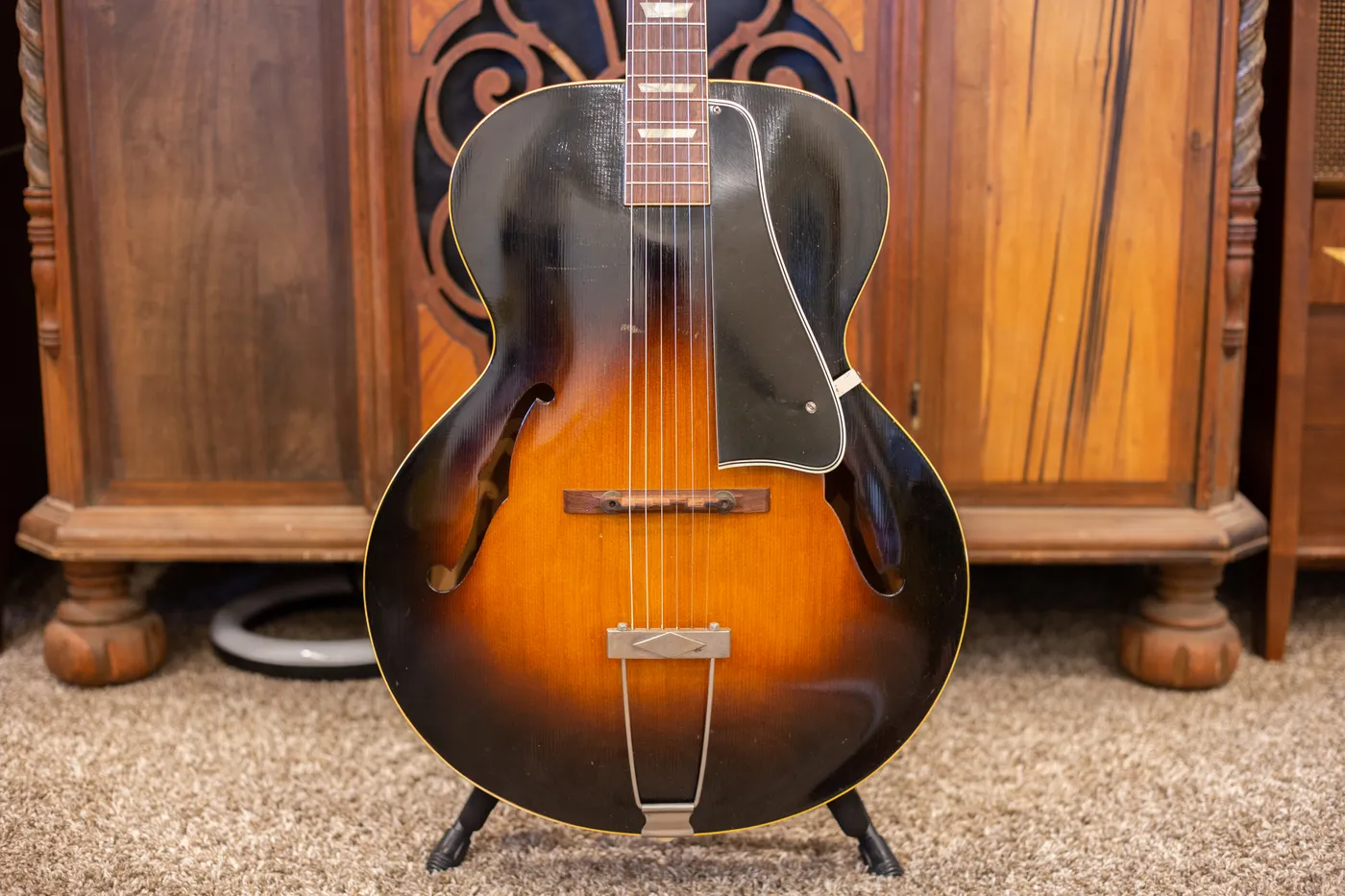
L-50 comparison only: photograph these same body and neck-joint areas on your L-48 for its own condition assessment.
Original, Touched Up Or Refinished
How Finish Work Changes The Comparison
The chart’s original-finish assumption needs to be checked independently from the guitar’s age. A surface can be old and still be a refinish. An attractive sunburst may also include local touch-up around a repair. Send broad, evenly lit photographs and describe anything you know about previous finish work.
A changed finish should be identified plainly. Read how refinishing affects guitar value before treating a clean surface as an advantage. On an L-48, the amount of original wood and finish retained should be considered alongside the structural work, rather than reduced to one appearance-based grade.
Keep polish and cleaning products away until the guitar has been reviewed. Heavy cleaning can make it harder to understand the original surface or a past repair. If it has been stored for years, photograph it first and ask what, if anything, should be cleaned before shipping or inspection.
Record What Was Altered
Value An L-48 With A Pickup Or Changed Parts
An added pickup can make an acoustic L-48 useful in an amplified setting, but the appraisal must describe the installation. A pickup attached to the fingerboard or guard presents different questions from one installed through a new opening in the top. Include any new control holes, jack location and altered guard.
The pickup-change guide explains the difference between a component swap and changes to the instrument’s wood. A pickup’s purchase cost doesn’t establish its contribution to the L-48’s resale value. The resulting instrument needs its own condition comparison.
Bridges, guards, tailpieces and tuners may also have been changed. Make a short inventory of what is present and what remains in the case. An old loose part should be photographed and identified before it’s assumed original. Avoid reinstalling fragile equipment just to make the guitar look complete.
Case condition belongs in the same record. Photograph the interior fit, handle, latches and exterior. A replacement case can be useful for transport even though it doesn’t satisfy the original-case assumption in the table. Tell Joe which case will travel with the guitar.
The Information Joe Needs
Prepare An L-48 For A Photo Appraisal
Establish The Model
Send a full front picture with the fingerboard visible, plus the headstock and interior marking. The L-48 and L-50 need separate prices, so resolving that identification is the first useful step.
Show The Surface And Structure
Include the back, rims, neck joint and bridge from the side. Add a close-up of every known repair. If a photograph makes a feature look different from how it appears in person, explain that in your message.
Describe Playing And Storage History
Tell Joe about buzzing, high action or a loose part without attempting a repair diagnosis. Say if the guitar has been unused for years or has been stored without strings. Those details help frame the next inspection.
Include The Case And Paperwork
Gather repair invoices, old photographs and removed components. Hide unrelated personal information in paperwork. Keep ownership history distinct from a verified production date.
The Gibson acoustic value guide offers broader model comparisons, but the L-48 should retain its own estimate. Similar body size, a Gibson logo or an added pickup doesn’t transfer another model’s price to your guitar.
If you are selling a collection, identify each instrument separately and keep its case and loose parts together. A mixed group can easily lose the connection between a guitar and its removed bridge or repair record. A simple labeled photo set preserves that information before anything is packed.
An uncertain L-48 description should be resolved before repair costs are weighed against a price range. Send the top and fingerboard photographs first, particularly if an earlier owner called it an L-50. The distinction changes the starting comparison. Once the model is supported, a repair estimate can be considered in relation to the guitar’s actual condition and your intended sale, without assuming that every dollar spent will return in the price.
Send The Evidence
Request Your L-48 Value Assessment
Send Joe the guitar’s photographs and known history. Include your location and selling plans, and he can review the instrument and discuss the next step.
Questions AboutGibson Values
What Is A 1960s Gibson L-48 Worth?
Can I Use L-50 Prices For An L-48?
Is A Refinished L-48 Still Worth Selling?
The Last Word
A Value For Your Guitar
Confirm the model in the L-48 authentication guide, then compare the correct row with the guitar’s documented condition. A complete photo set gives Joe a useful basis for an individual appraisal.
This Is An Estimate Of Market Value, Not An Offer To Buy And Not A Guarantee. Market Values Fluctuate; Have Your Specific Item Appraised.