

Gibson L-4 Prices · Acoustic, Cutaway And CES
Gibson L-4 Value Guide
Identify the L-4 version before comparing prices. Early acoustic guitars and factory electric examples occupy different parts of the chart.
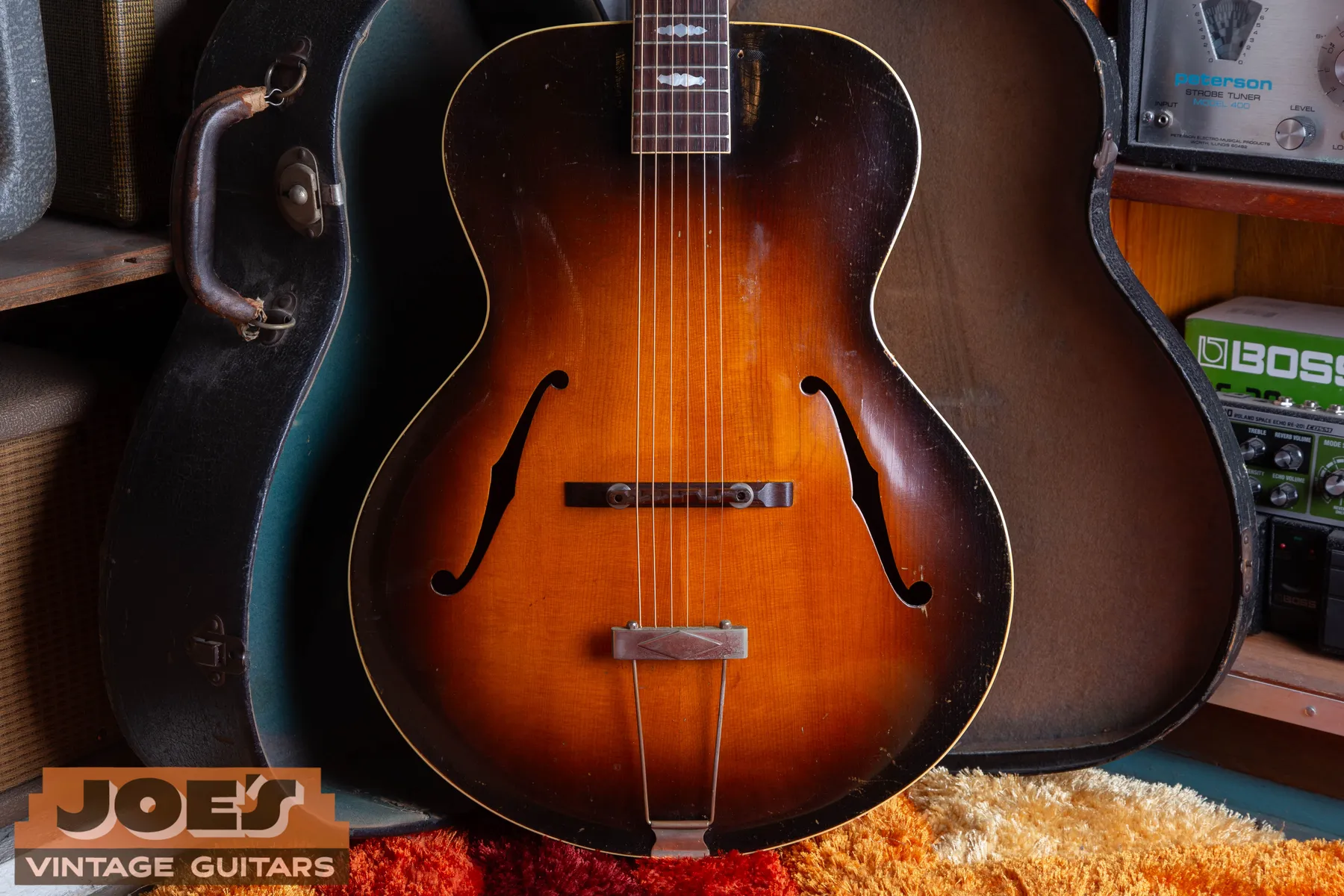
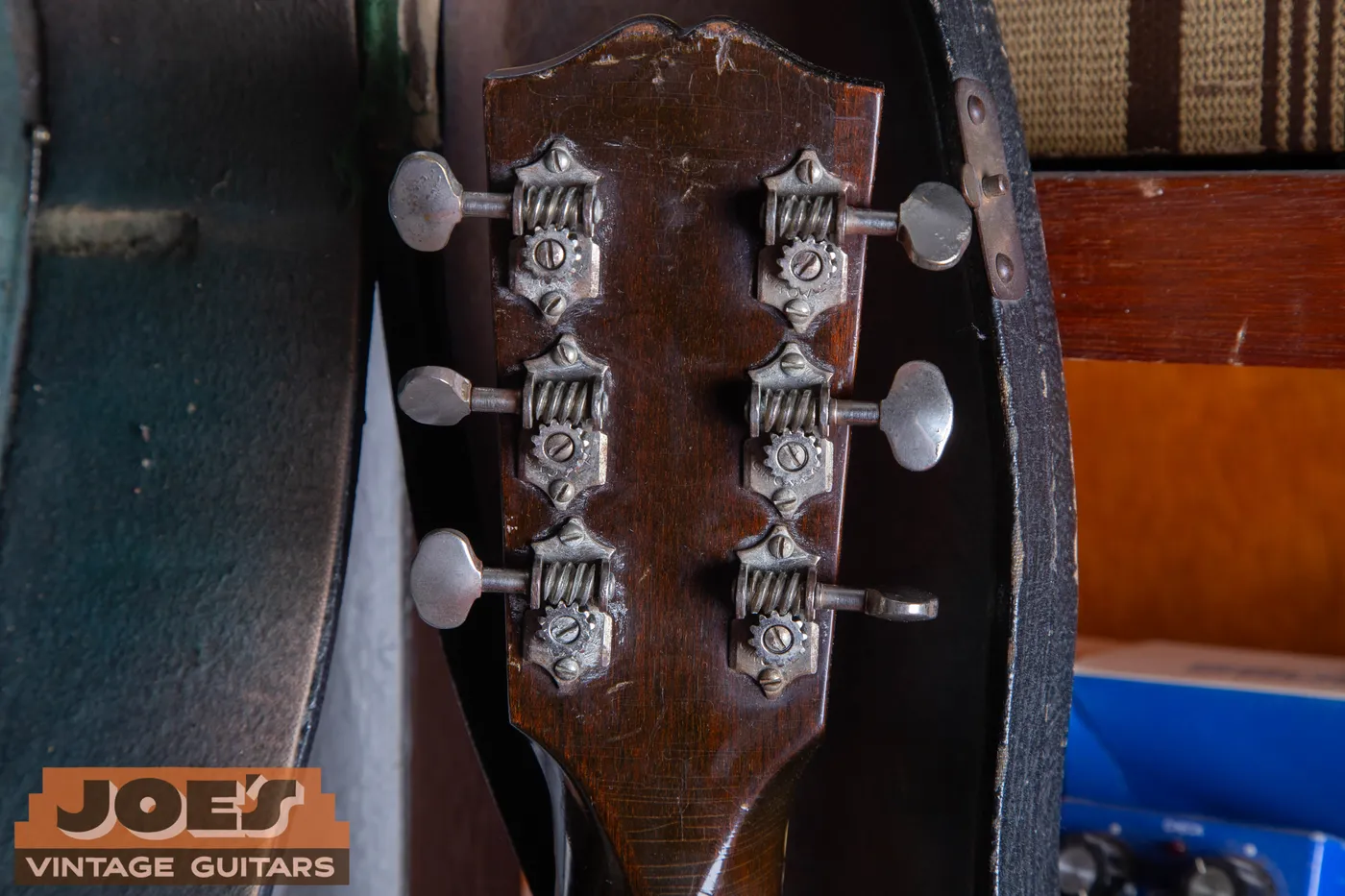
A 1935 to 1946 f-hole Gibson L-4 is estimated at $4,400 to $5,700, while a 1949 to 1959 sunburst L-4C is $4,800 to $6,100 in excellent, original condition with its original case where applicable. Factory electric L-4CES models have separate estimates below. Joe’s 1941 archive guitar illustrates the noncutaway acoustic group. Use the L-4 authentication guide if the suffix or construction is uncertain.
This Is An Estimate Of Market Value, Not An Offer To Buy And Not A Guarantee. Market Values Fluctuate; Have Your Specific Item Appraised.
Excellent Original Condition
Gibson L-4 Values By Model And Era
| Model | Pricing Year Group | Configuration | Estimated Value |
|---|---|---|---|
| L-4 | 1912 to 1919 | 12-fret neck; oval soundhole | $3,550 to $4,450 |
| L-4 | 1920 | Oval soundhole | $3,500 to $4,350 |
| L-4 | 1921 to 1924 | Loar-era oval soundhole | $3,450 to $4,300 |
| L-4 | 1925 to 1927 | 12-fret neck; oval soundhole | $3,450 to $4,300 |
| L-4 | 1928 to 1934 | 14-fret neck; round soundhole | $3,450 to $4,300 |
| L-4 | 1935 to 1946 | F-holes; fleur-de-lis headstock | $4,400 to $5,700 |
| L-4 | 1947 to 1949 | Crown headstock; double-parallelogram inlays | $4,300 to $5,600 |
| L-4 | 1950 to 1956 | Non-cutaway acoustic | $4,000 to $4,900 |
| L-4C / L-4CN | 1949 to 1959 | Natural | $5,150 to $6,900 |
| L-4C / L-4CN | 1949 to 1959 | Sunburst | $4,800 to $6,100 |
| L-4C / L-4CN | 1960 to 1964 | Natural | $4,700 to $5,950 |
| L-4C / L-4CN | 1960 to 1964 | Sunburst | $3,850 to $4,750 |
| L-4C / L-4CN | 1965 | Natural | $3,400 to $4,250 |
| L-4C / L-4CN | 1965 | Sunburst | $3,000 to $3,850 |
| L-4C / L-4CN | 1966 to 1969 | Natural or sunburst | $2,600 to $3,500 |
| L-4C / L-4CN | 1970 to 1971 | Natural or sunburst | $2,250 to $3,100 |
| L-4CES | 1958 | Natural; PAF pickups | $13,050 to $17,400 |
| L-4CES | 1958 | Sunburst; PAF pickups | $10,300 to $14,600 |
| L-4CES | 1969 | Natural or sunburst | $4,450 to $6,700 |
| L-4CES | 1986 to 1993 | Laminated mahogany back | $3,450 to $5,150 |
| L-4CES | 1994 to 2003 | Laminated maple back | $3,500 to $5,300 |
| L-4CES | 2004 to 2018 | Solid mahogany back | $3,850 to $5,950 |
U.S. dollars. These November 2026 retail market estimates assume excellent, original condition and the original case where applicable. An individual sale can fall outside the range; these figures are not purchase offers. Repairs, changed parts and market conditions require an individual appraisal.
The rows separate acoustic L-4s, cutaway L-4C and L-4CN guitars, and L-4CES electrics. Read the model column before the date. The back-construction descriptions in the later CES rows are part of the comparison, rather than interchangeable descriptions of every electric L-4.
These November 2026 estimates assume the stated excellent, original condition. A restored instrument, an acoustic conversion or an example with unresolved construction needs its own assessment. The chart isn’t a purchase offer. Four-string L-4 Special tenor and plectrum instruments are outside these six-string archtop comparisons.
Soundhole And Period Before Condition
Early Acoustic L-4 Price Groups
The 1912 to 1919 oval-hole group is $3,550 to $4,450. The 1921 to 1924 Loar-era oval-hole group is $3,450 to $4,300, and the 1928 to 1934 round-hole group is $3,450 to $4,300. Identify the body and neck configuration before using any of those estimates.
A “Loar-era” description doesn’t automatically add a signature premium or establish personal involvement by Lloyd Loar. Specific provenance needs evidence. Keep a family story, an earlier seller’s description and a documented factory fact distinguishable in the appraisal request.
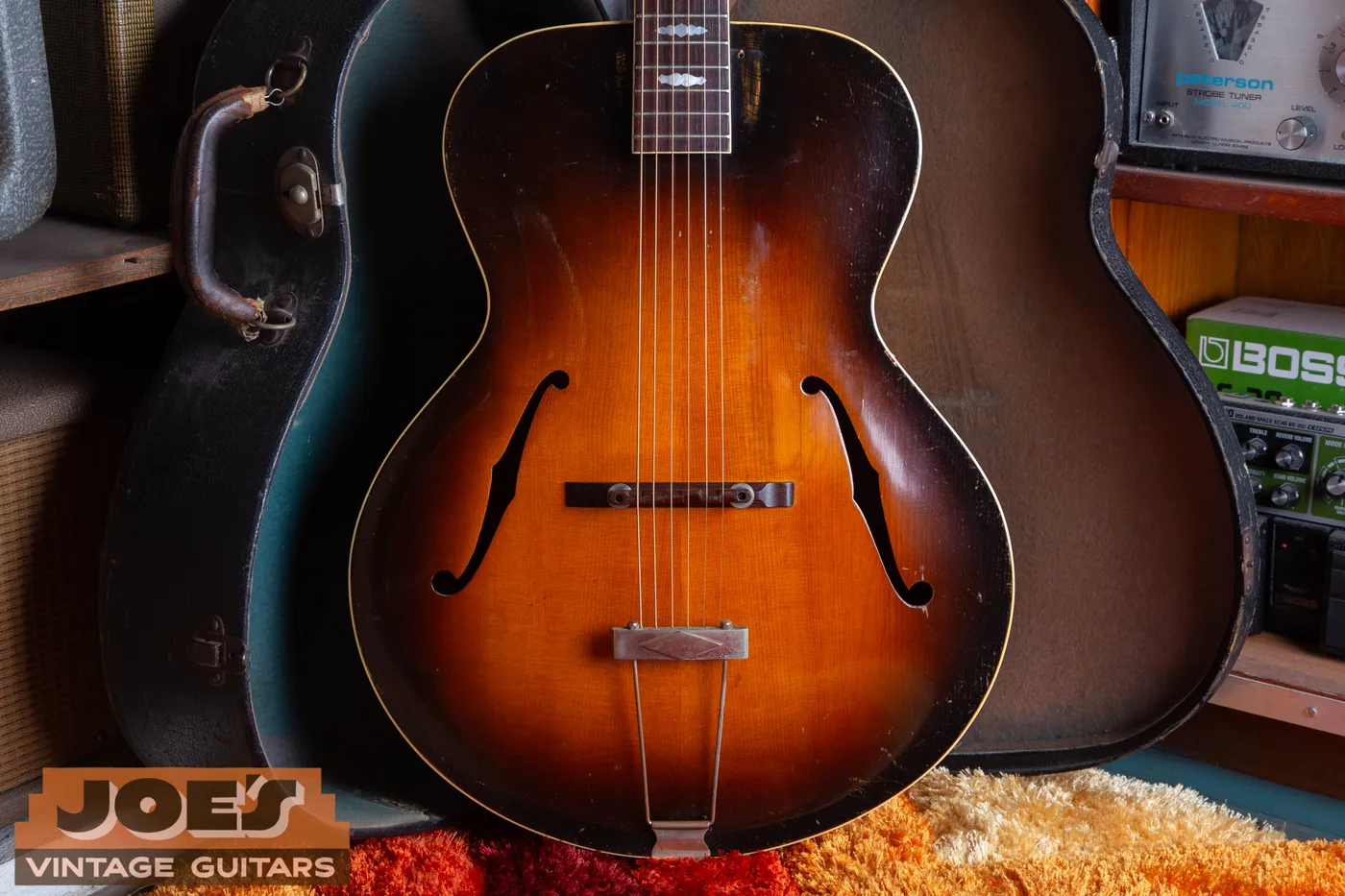
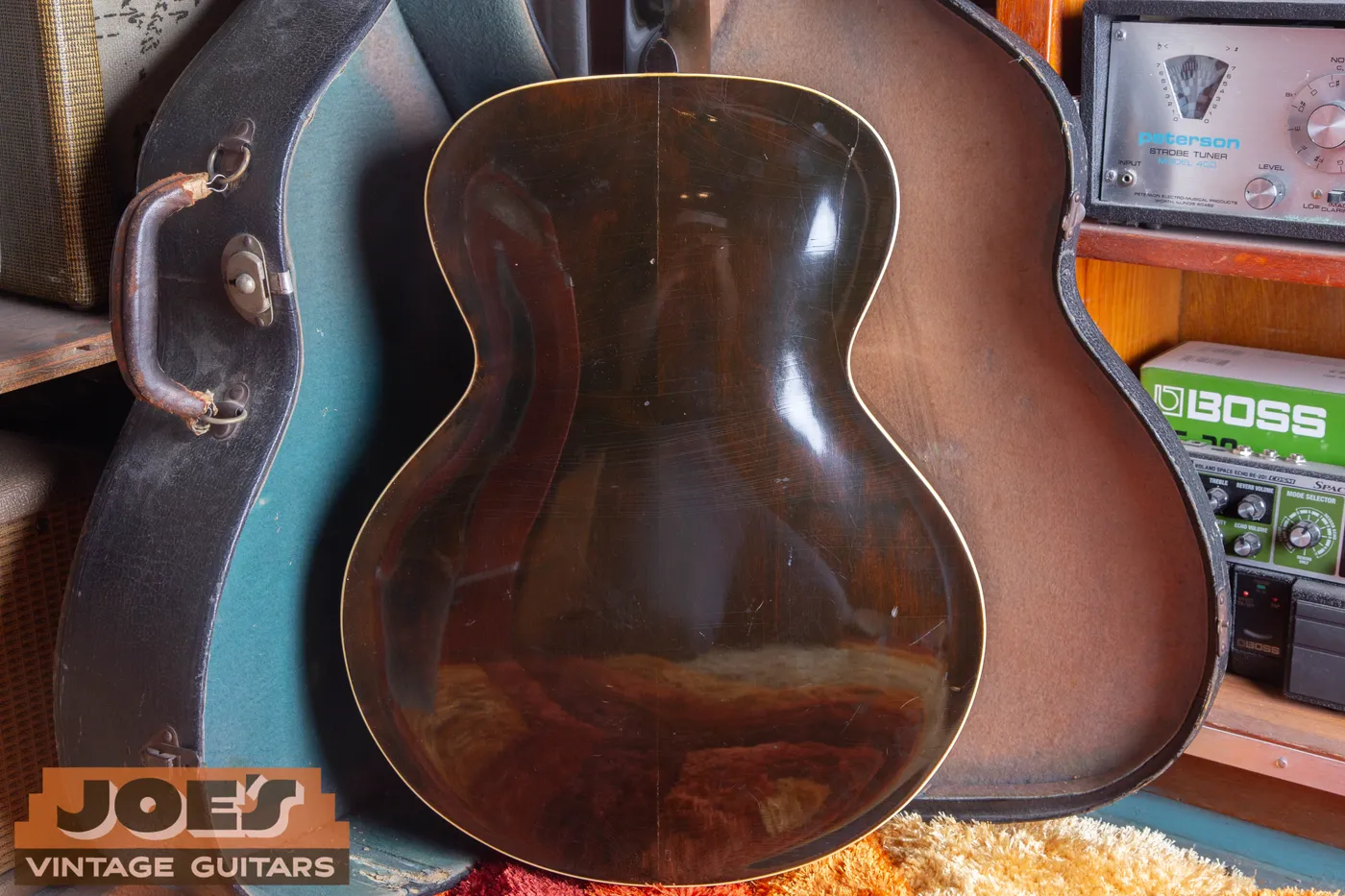
For f-hole acoustics, the 1935 to 1946 group is $4,400 to $5,700 and the 1950 to 1956 group is $4,000 to $4,900. Joe’s 1941 photographs help show the type of instrument in the earlier group. Its price comparison still assumes a complete condition assessment, including the neck angle and soundboard.
Natural And Sunburst Rows
How L-4C Finish And Date Affect The Comparison
A 1949 to 1959 natural L-4C or L-4CN is estimated at $5,150 to $6,900, compared with $4,800 to $6,100 for sunburst. In the 1960 to 1964 group, natural is $4,700 to $5,950 and sunburst is $3,850 to $4,750. Those comparisons require factory finish and the correct production group.
A stripped sunburst should be described as refinished even if the resulting wood looks attractive. It should not move into a factory-natural row. Send the front, back, rims and neck in even light, with closer views of binding edges and any known finish work.
The 1970 to 1971 natural-or-sunburst L-4C group is $2,250 to $3,100. At that level, a major structural repair can be a substantial part of the sale decision. Get a condition assessment before authorizing expensive cosmetic work simply to improve the presentation.
A cutaway also affects which instrument is being compared. A noncutaway L-4 with a pickup attached remains a different configuration. Include a whole-guitar photograph rather than asking for an estimate from the serial alone.
Pickups And Back Construction
Factory Electric L-4CES Values
1958 PAF-Equipped Examples
The 1958 natural L-4CES estimate is $13,050 to $17,400; sunburst is $10,300 to $14,600. These groups require strong support for the factory electric identity, original finish and pickups. A similar-looking converted acoustic can’t be priced from these rows.
The 1969 Group
The separate 1969 natural-or-sunburst estimate is $4,450 to $6,700. Confirm the particular model and electrical installation. Don’t bridge a missing year with a price from another historical group.
Later Production
The 1986 to 1993 laminated-mahogany-back group is $3,450 to $5,150. The 1994 to 2003 laminated-maple-back group is $3,500 to $5,300, and the 2004 to 2018 solid-mahogany-back group is $3,850 to $5,950. Construction belongs in the description alongside the year.
Replacement pickups, altered controls and changed bridges need to be listed individually. Keep the original equipment if it survives, but don’t add a loose-parts asking price to the guitar’s estimate. The pickup replacement guide explains the difference between a reversible parts change and an installation that altered the body.
The Acoustic Body Needs Inspection
L-4 Structural Condition And Originality
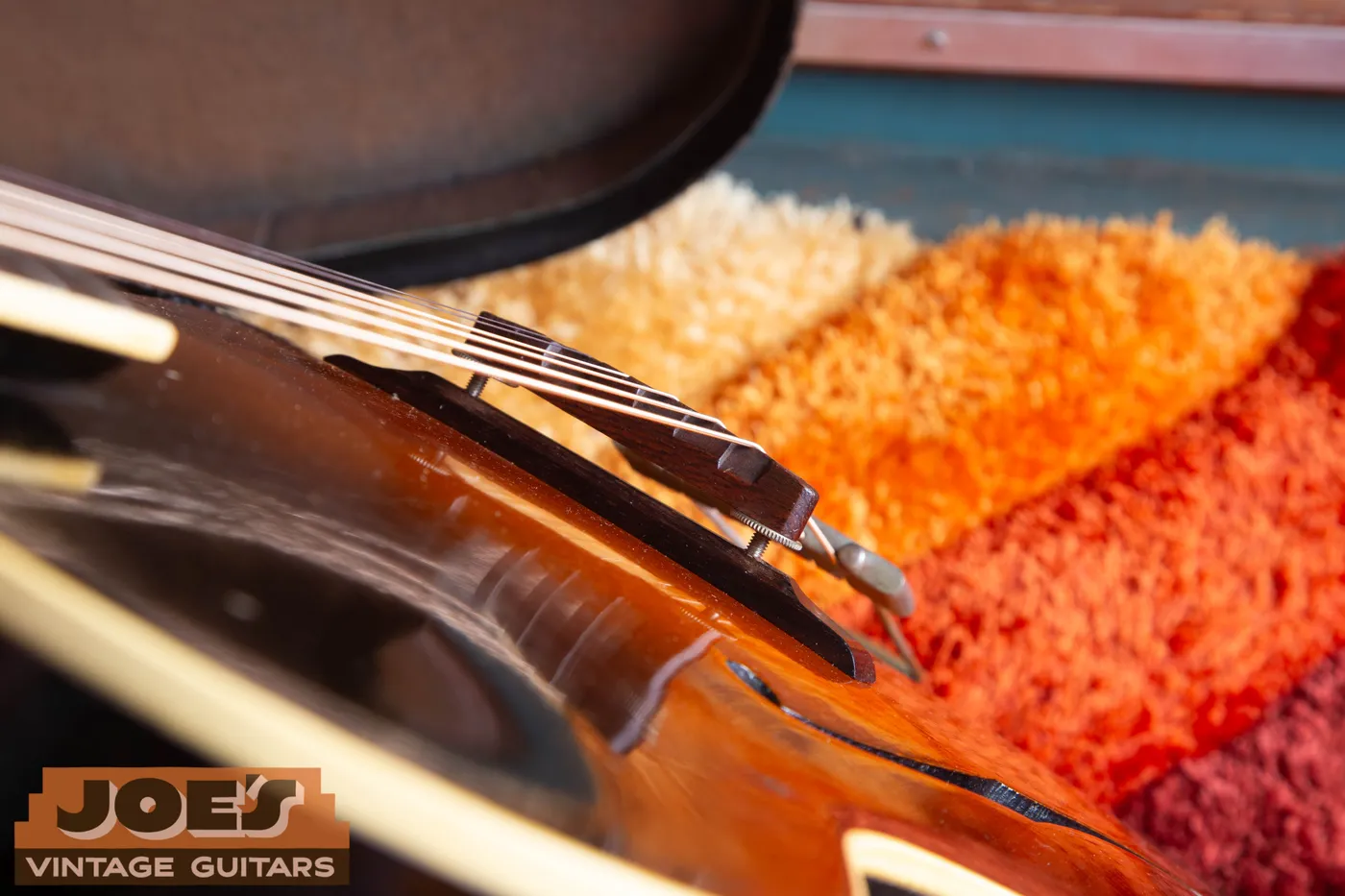
A side view across the bridge can reveal how much adjustment remains, but it can’t diagnose every neck or top problem. Report high action, buzzing or an unusually low bridge in ordinary terms. A repairer can then examine the geometry if the photo review suggests a concern.
Cracks, open seams and repaired binding should be photographed at two scales: the whole panel and the repair itself. Include receipts that describe the work. A stable repair and an unresolved structural problem affect ownership differently, even when both leave a visible line in the finish.
The condition guide provides broader context for originality and repair. Avoid stacking guessed discounts for symptoms that may come from one underlying problem. The appraisal should reflect the complete instrument and the work still required.
For known finish changes, use the refinish guide and describe the scope precisely. A repaired area with touch-up, an oversprayed surface and a complete refinish should not be combined under one vague description. Unknown finish history can remain unknown until the guitar is inspected.
Gather The Guitar’s Evidence
What Helps An L-4 Appraisal
State The Model And Configuration
Include soundhole shape, cutaway, pickup layout and the visible factory designation. If a suffix was supplied by an earlier owner, mention that source rather than presenting it as a newly verified fact.
Show The Playing Condition
Photograph the bridge, neck joint, fingerboard and headstock. Describe any instability or playing concern without trying to conceal it through a new setup.
Keep The Case And Removed Equipment
Show the case, guard, bridge and any pickups or tuners stored separately. Original pieces can help explain past work even if they aren’t currently installed.
Read whether to restore before selling before ordering finish or hardware work. The appraisal can begin with the L-4 in its current condition. That gives you a clearer basis for deciding which expenses, if any, serve your plans.
For an estate or a group of instruments, keep each guitar’s photographs and paperwork together. Avoid exchanging cases or loose parts between guitars before they are identified. Joe can discuss a collection sale while preserving the individual descriptions needed for each estimate.
An appraisal request can distinguish an estimate for a sale from an insurance question. Explain what you need the figure for and whether the guitar will be available for inspection. A chart describes a condition comparison, while a written insurance valuation or a firm purchase offer can require different information and documentation. Joe can clarify the appropriate next step after reviewing the instrument. Include your intended timing and explain whether the guitar can be examined locally or will need to be shipped for further inspection. Keep the original photographs and repair records so the same evidence remains available if a more formal assessment is needed.
Send The Evidence
Get A Gibson L-4 Appraisal
Send the model evidence, condition photographs and known repair history. Include the case and your location so Joe can discuss the appropriate next step.
Questions AboutGibson Values
What Is A Prewar F-Hole Gibson L-4 Worth?
Does An Added Pickup Make An L-4 Worth L-4CES Money?
Is A Natural L-4C Always Original Blonde?
The Last Word
A Value For Your Guitar
The model suffix, construction and condition determine which L-4 comparison is useful. Return to the L-4 identification guide if any of those points remain unresolved.
This Is An Estimate Of Market Value, Not An Offer To Buy And Not A Guarantee. Market Values Fluctuate; Have Your Specific Item Appraised.