

Lap Steels · Model B, BD, Panda And Related Steels
Rickenbacker Bakelite And Other Lap SteelsAuthentication Guide
Rickenbacher and Rickenbacker lap steels include Bakelite, metal and wood-bodied designs. A black-and-white “Panda” nickname does not establish an exact model or date, and not every horseshoe-equipped steel has a Bakelite body. Authentication starts with the material, construction, string count and pickup system before moving to badges, plate colors and value.
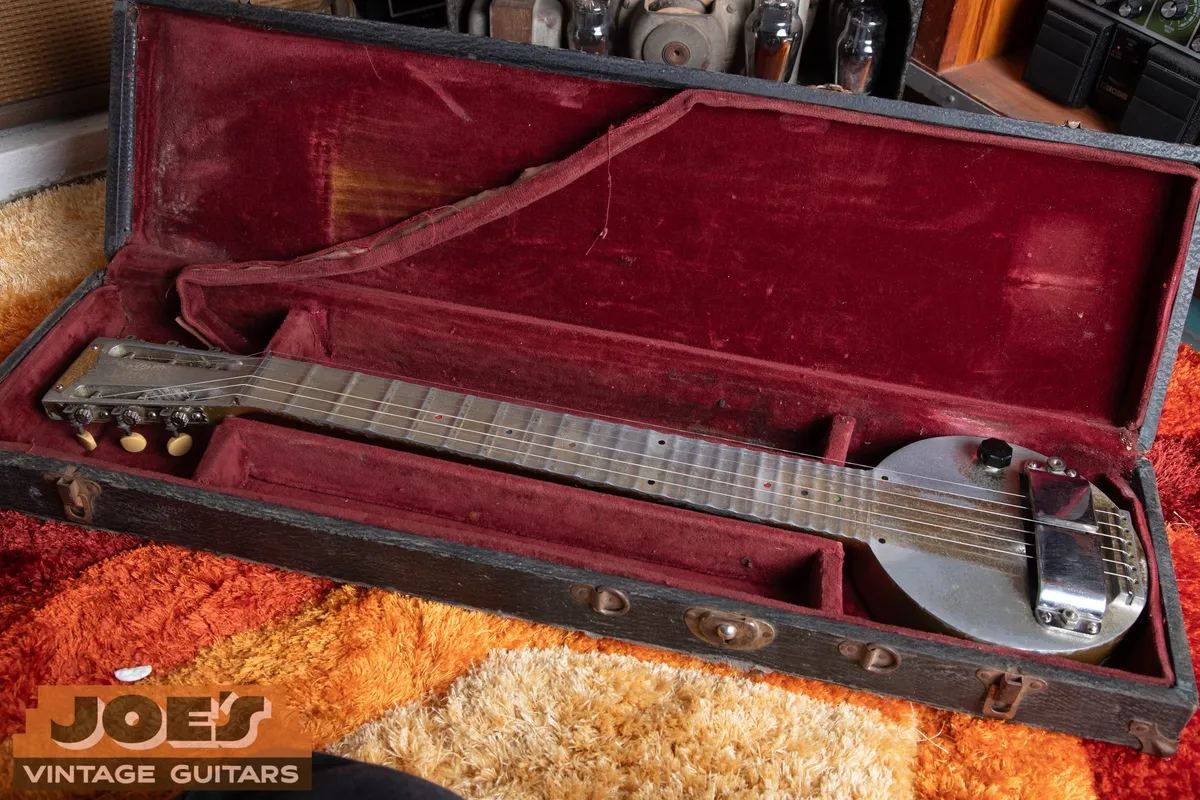
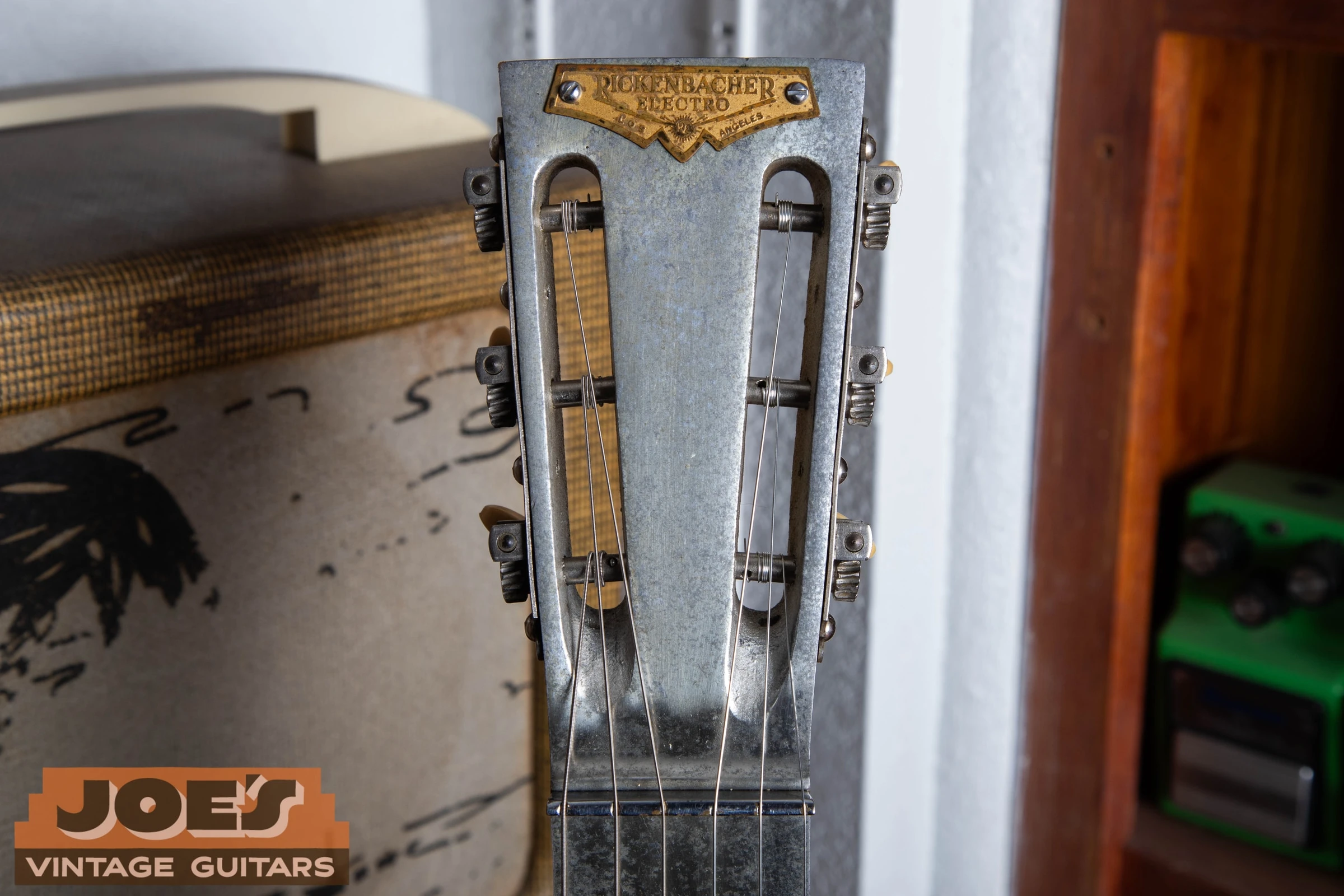
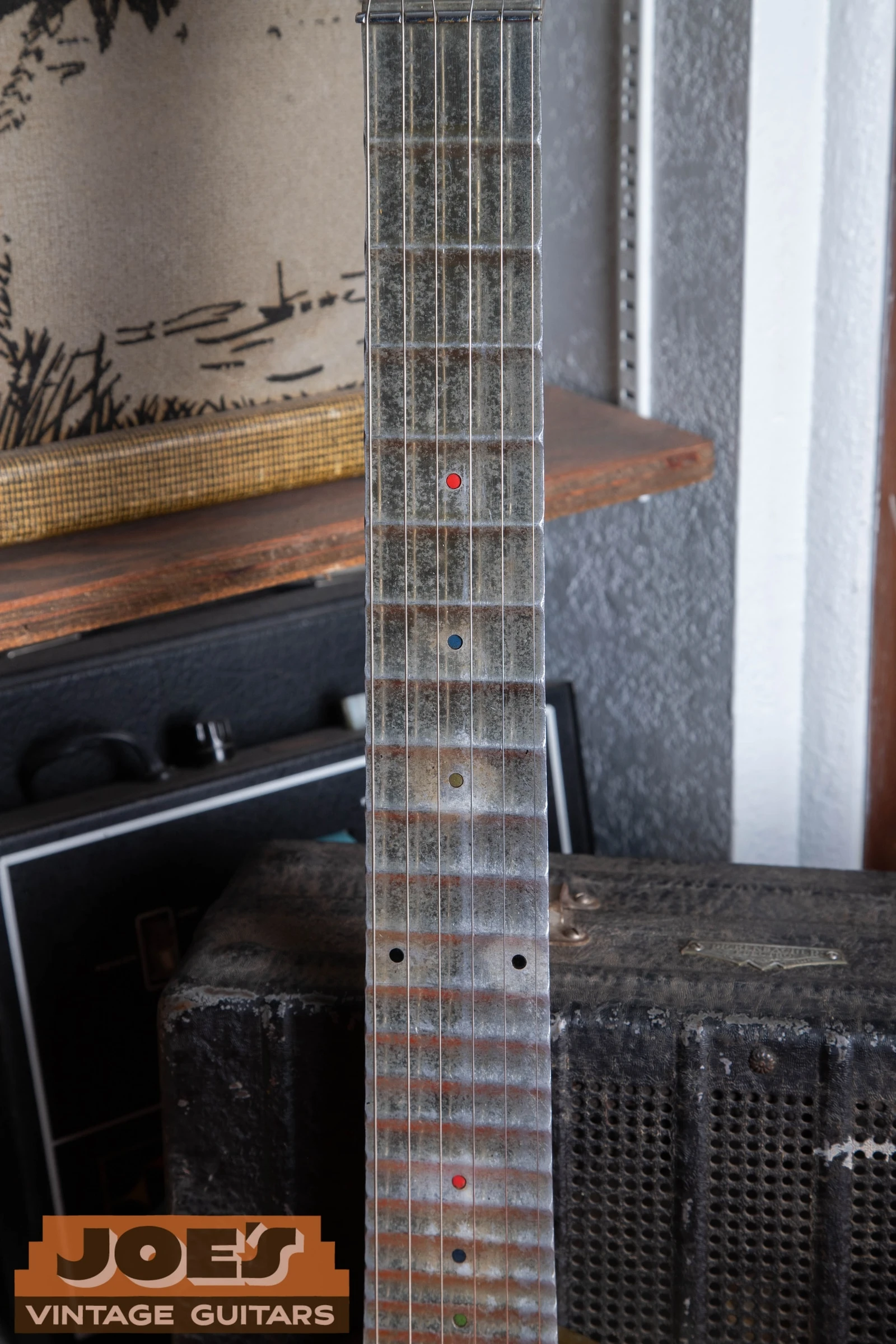
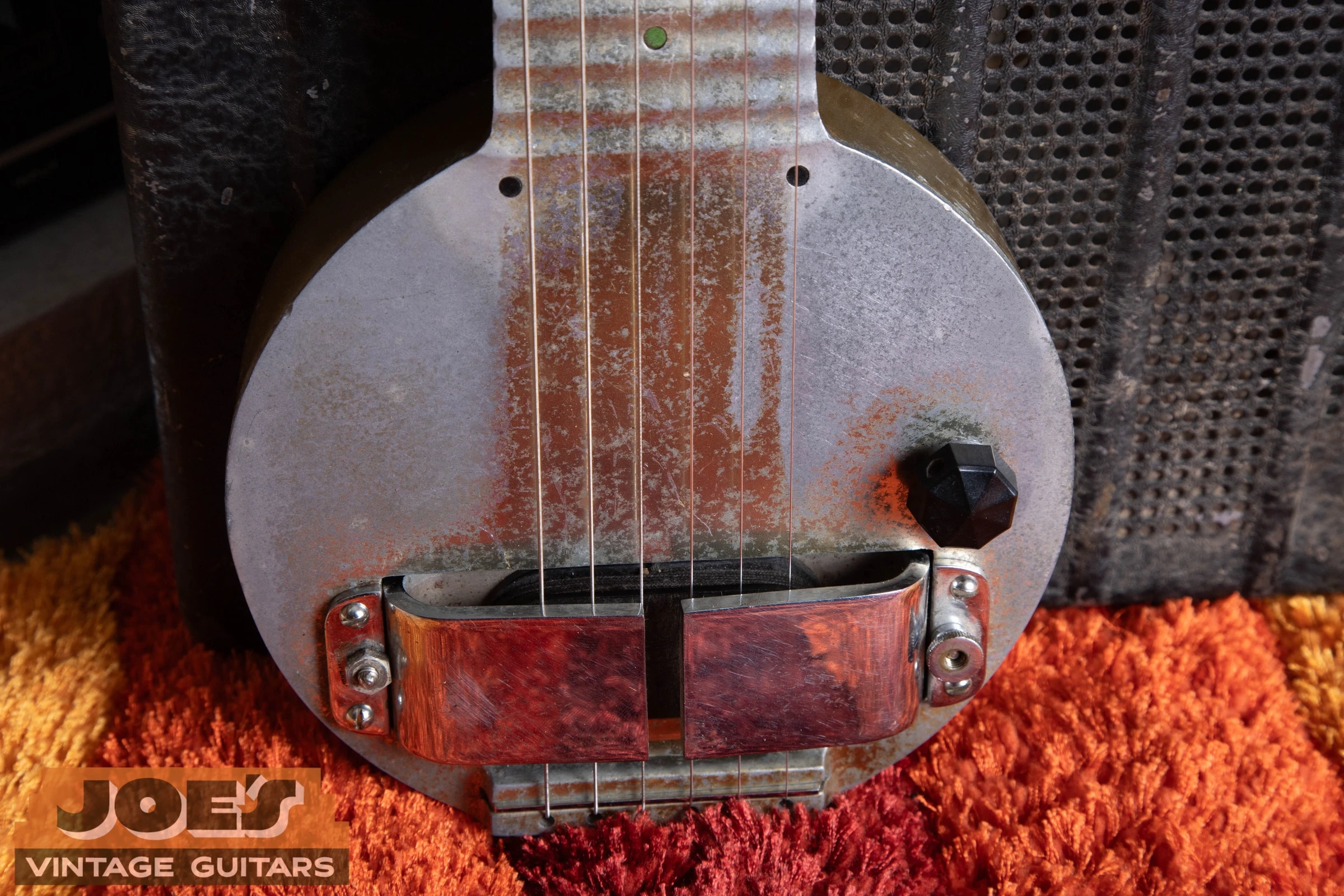
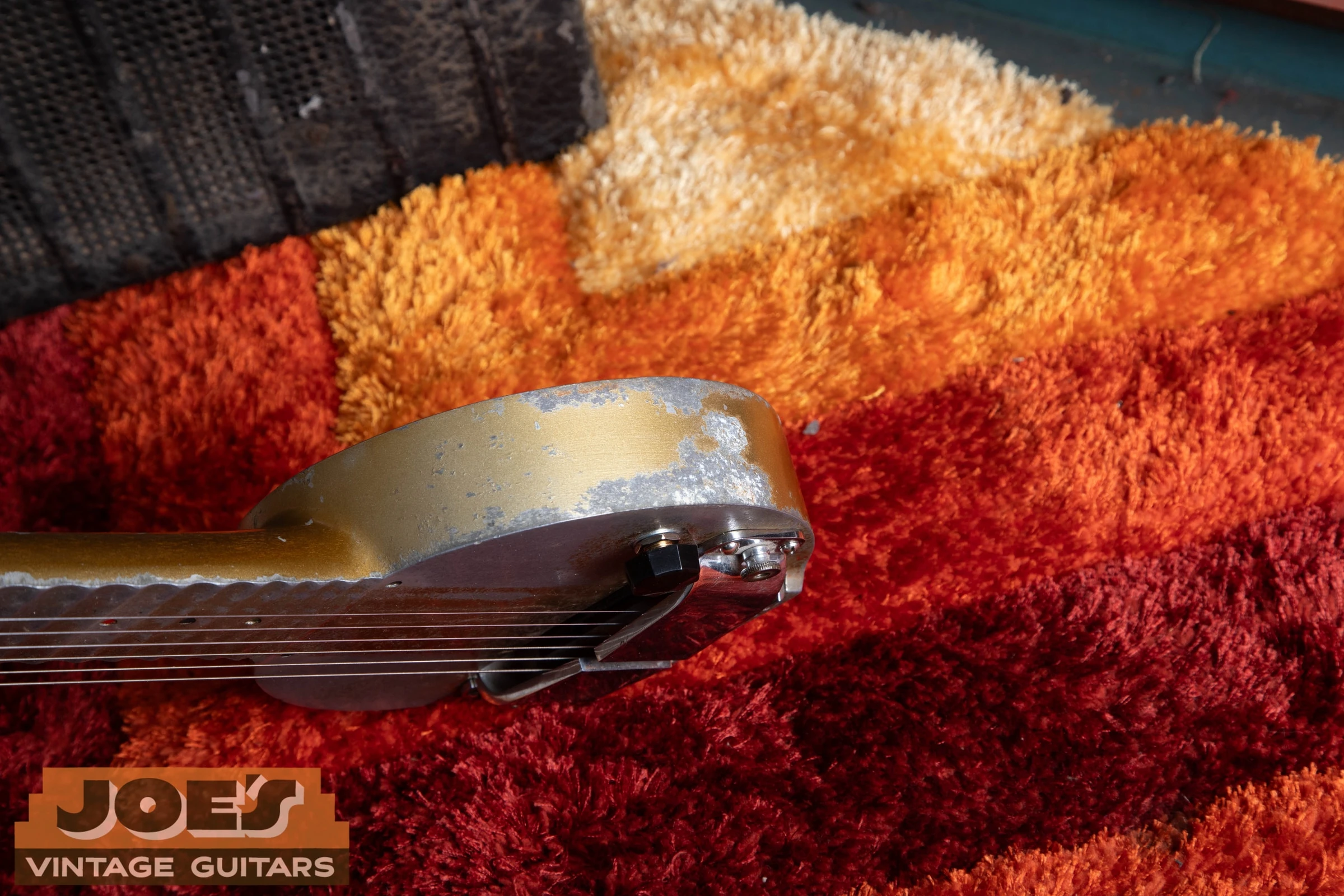
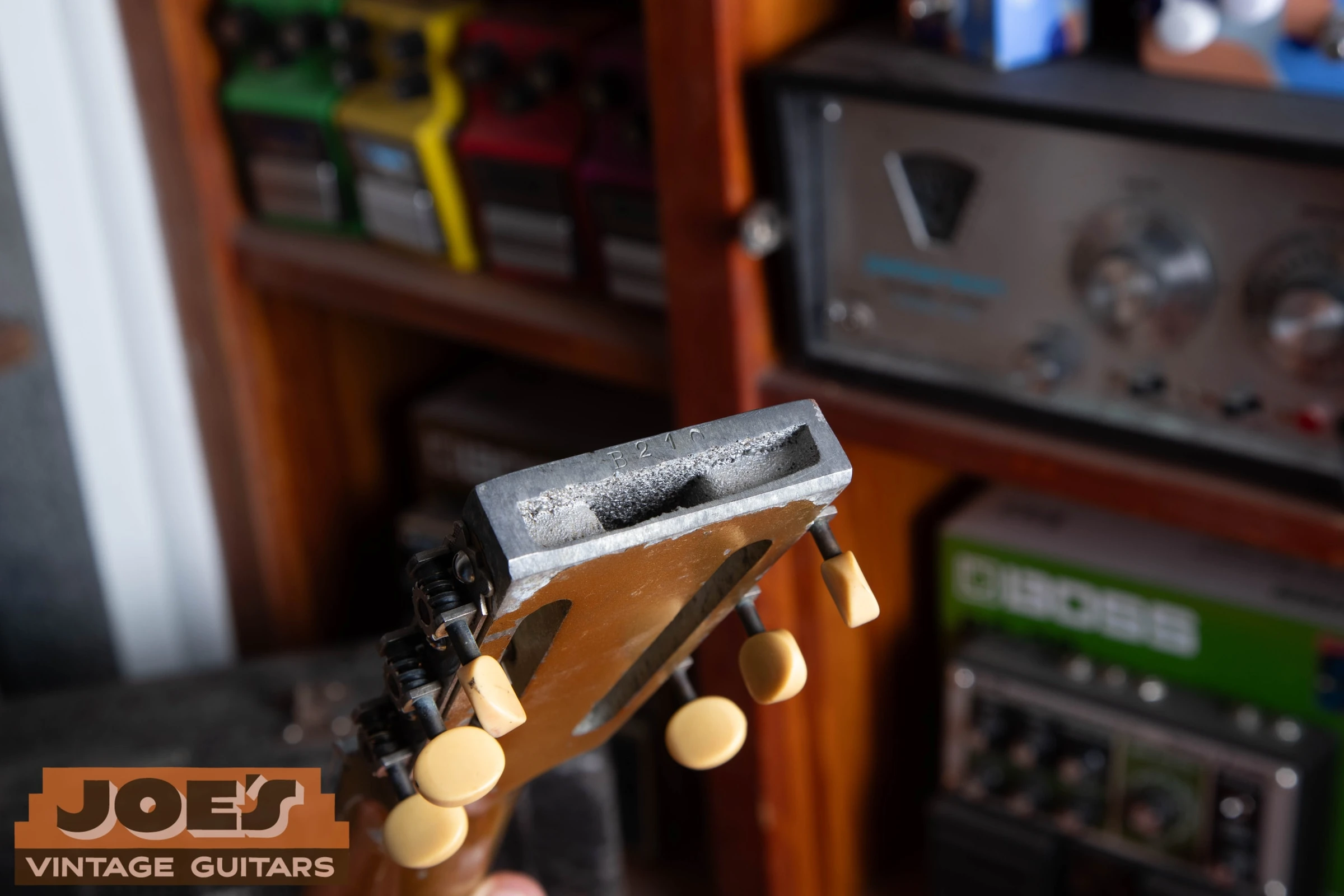
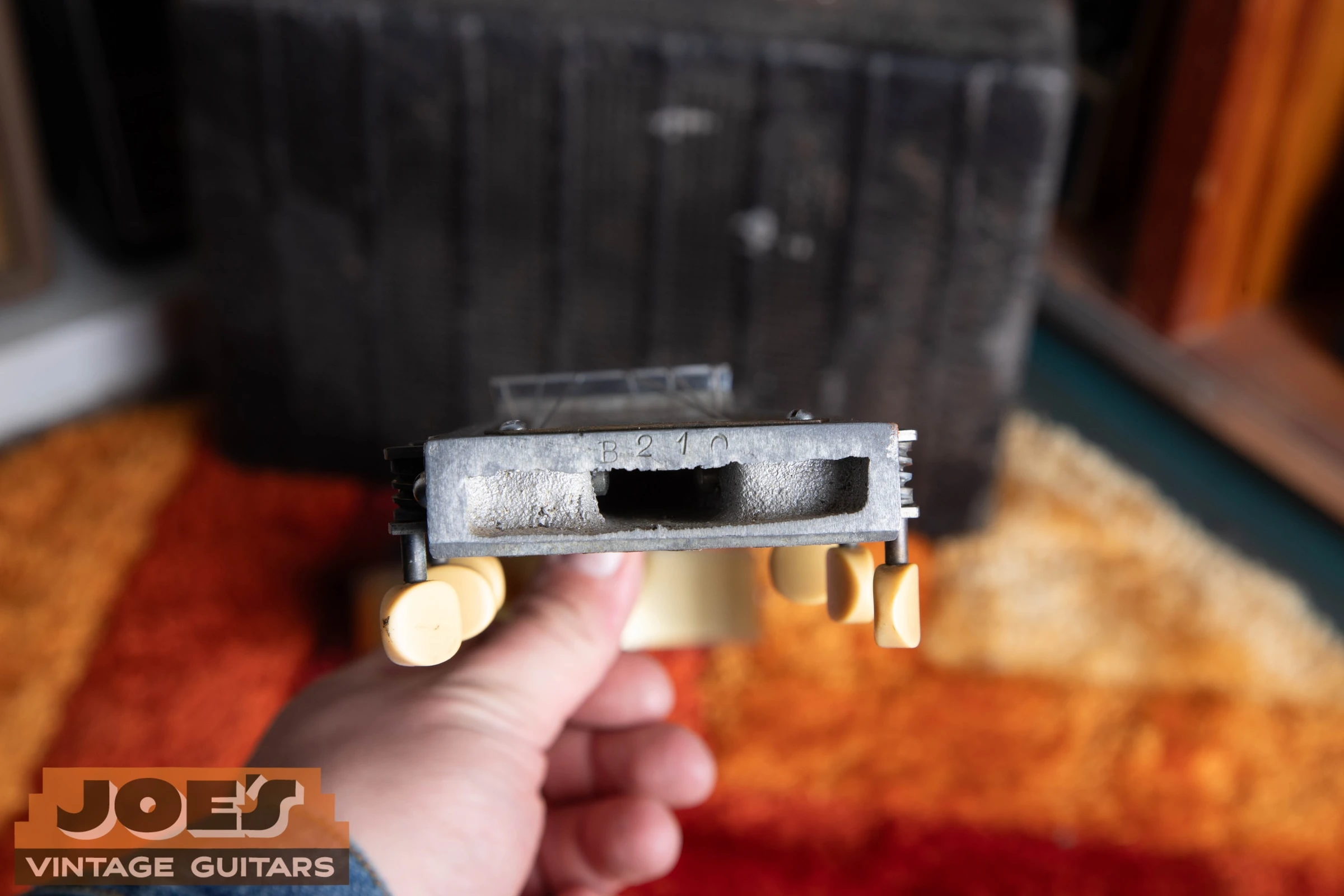
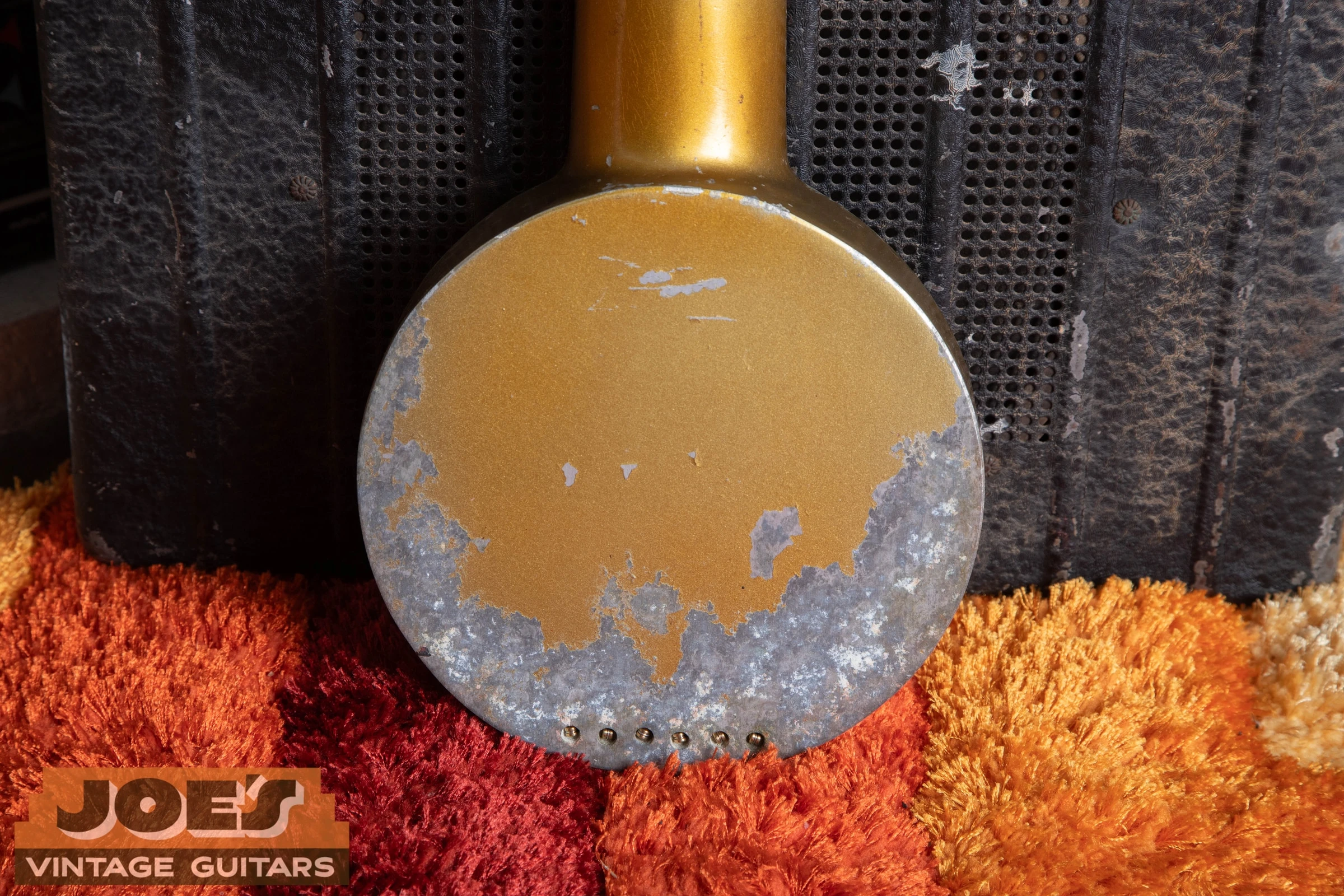
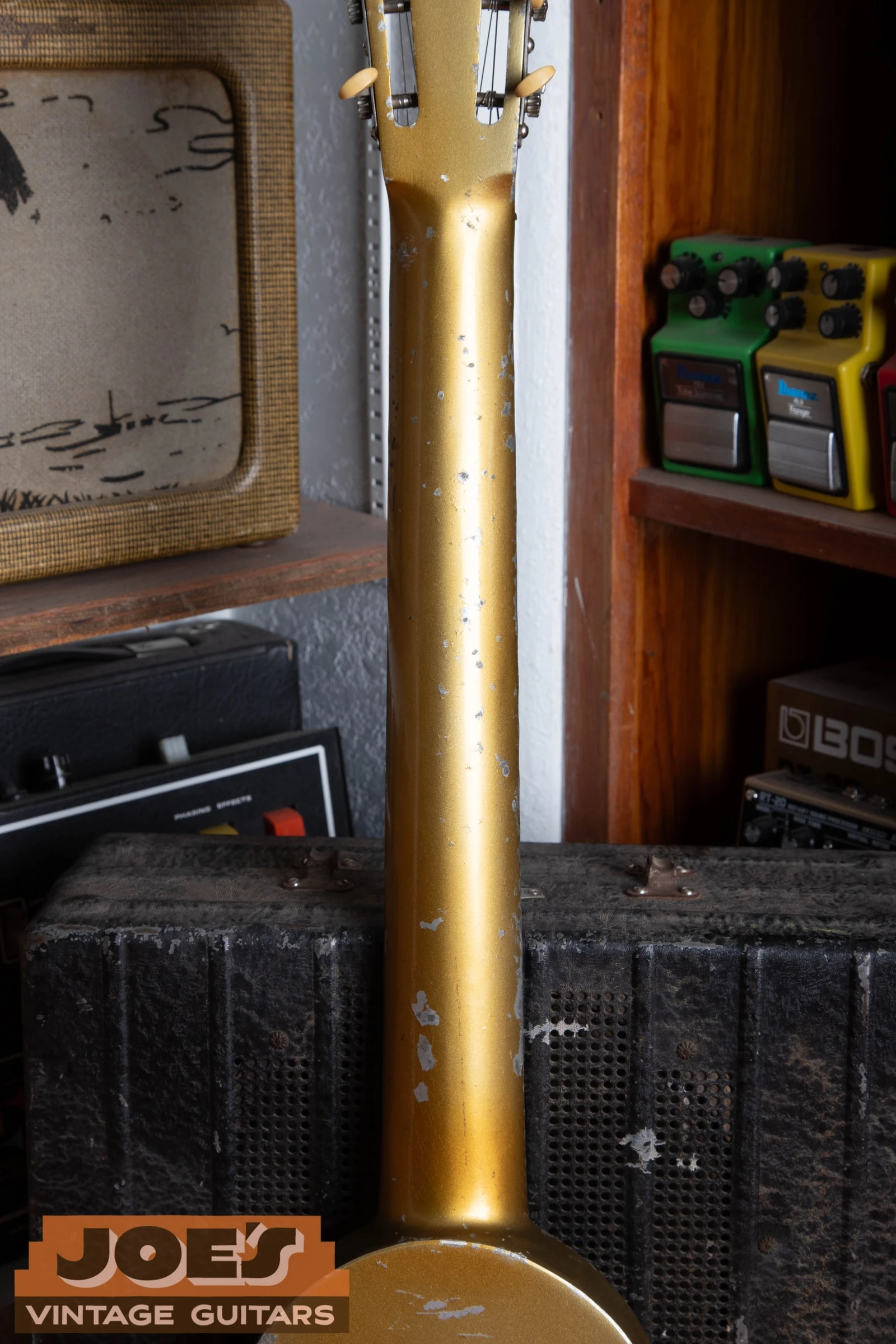
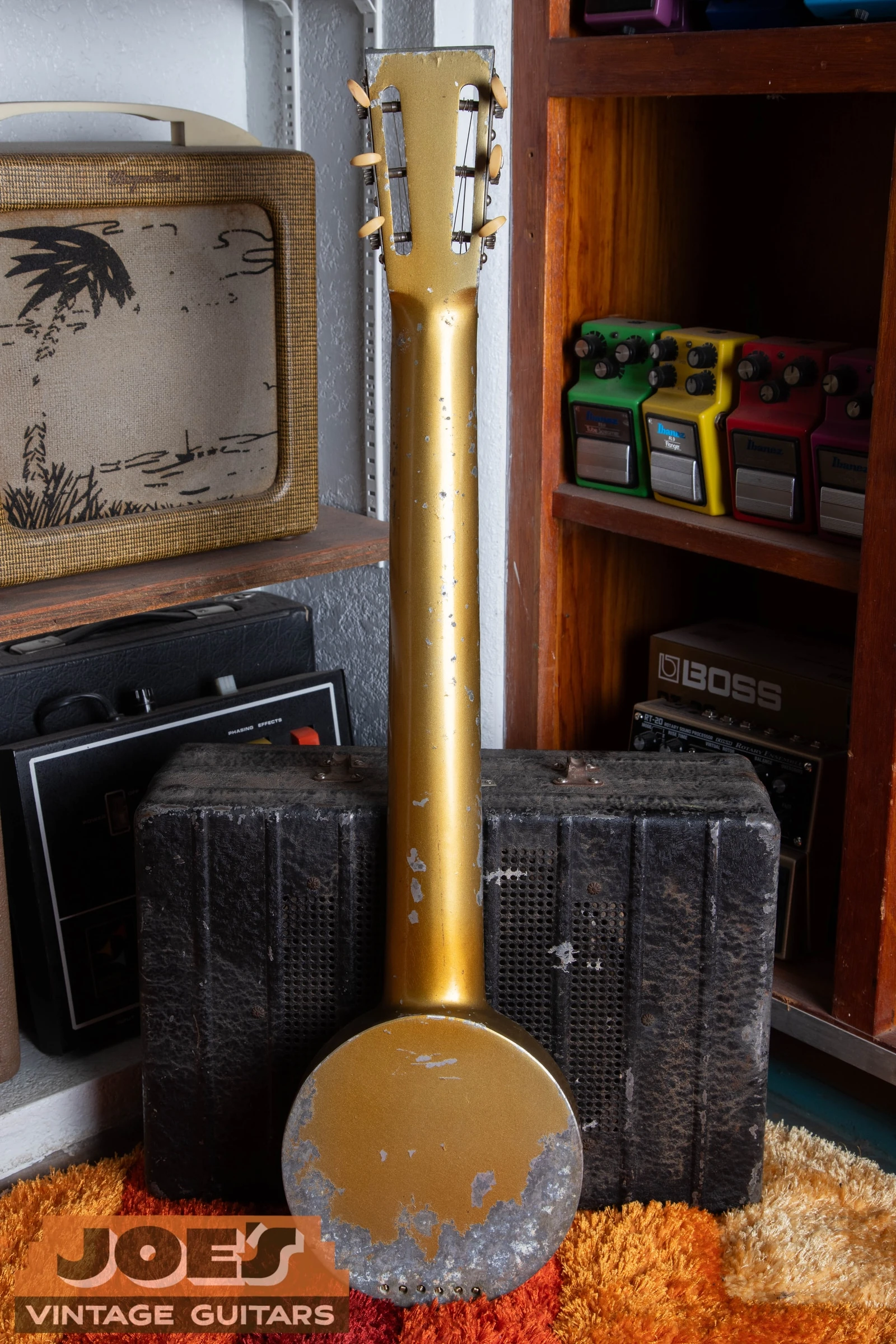
About These PhotosThe photos show our cast-aluminum A-22, not a Bakelite Model B. They illustrate early horseshoe-pickup and inspection details. They do not show Model B construction. Click a detail photograph to enlarge it.
Identify Before You Compare
Models And Variants
- Model B / B6 / B7
- Bakelite family; distinguish string count and construction details.
- BD And Panda Examples
- Later versions and collector nicknames require inspection of the actual instrument.
- Silver Hawaiian And Metal Models
- Metal-bodied designs have different construction and condition concerns.
- Model 100 / 102 / J6
- Other steel models should be identified separately from Bakelite instruments.
- Console And Double-Neck Steels
- Count necks, strings and original stand or leg hardware; do not price as a single lap steel.
Identify The Body Material First
Photograph the front, rear, sides and neck joint. Bakelite construction should be distinguished from a painted wood body or a metal shell. Chrome or white plates can cover part of the surface, so their color is not enough to identify the material beneath. Our aluminum A-22 photos are a contrast, not a Model B construction reference.
Inspect for chips, cracks and repaired joints, especially around stress points and hardware mounting. A dark polished surface can hide damage in a distant photo. Use soft light and several angles without applying polish or chemicals to improve the appearance.
Check String Count, Bridge And Pickup
Count the tuner positions and inspect the nut and bridge for added slots. A seven-string factory instrument and a converted six-string need different descriptions. Look for extra drilling, replaced plates or altered string anchoring. Photograph the pickup and its mounting in relation to the body.
A horseshoe pickup should be assessed as a complete assembly. Rewinds, replacement leads and changed magnetic parts need documentation. A working pickup does not prove untouched originality, while low output does not automatically mean the original unit must be discarded.
Use Plates, Controls And Branding As A Group
Record plate material and color, control count, knob style, output location and badge spelling. These features can help place an instrument within a production period, but replaced plates and knobs can disrupt the pattern. Do not assign an exact date from the Panda nickname alone.
Early markings should be photographed in full and interpreted with appropriate period references. A later guitar serial chart may not apply. Original receipts, dated photographs and service records can narrow an era more reliably than a single removable cosmetic part.
Distinguish Lap, Spanish And Console Designs
Some early instruments share materials or pickup ideas while serving different playing styles. Inspect the neck, string height and playing surface before calling a Bakelite instrument a lap steel or a fretted Spanish guitar. Motorized Vibrola instruments are a separate specialist category.
For double-neck or console models, document all necks, pickups, controls, legs and fittings. Missing original support hardware can affect usability and value. A stripped wood-bodied steel should be described as stripped or refinished rather than reclassified from its newly exposed color.
Authentication Checklist
Keep four questions separate: is it a Rickenbacker, is the model correctly identified, is the date supported, and which parts or finishes remain original? A positive answer to one does not settle the others.
- Record the identity. Save the complete serial photograph, model claim, measurements and any dated paperwork. Use the serial lookup only for the formats it covers.
- Compare independent details. Check body construction, neck, pickups, tuners and controls against the same model and period. One replaced part may explain a mismatch; several unexplained conflicts need closer inspection.
- Describe condition precisely. Separate wear, refret, replacement nut, repaired breaks, routing, touch-up, overspray and refinishing. See our photo guide to refinishing clues.
- Inspect internally when justified. Have a qualified repairer document hidden routes, wiring and component dates if a disputed claim affects the purchase. Do not force old screws, fragile guards or an unfamiliar neck adjustment.
- Keep uncertainty visible. “Consistent with this period” is different from a proven exact date or a claim that every solder joint is untouched. Photos can guide an appraisal; some findings require an in-person examination.
Photos For An Appraisal
Take unfiltered photographs in even light. Include the full front and back, both headstock faces, the entire serial or other markings, pickups, controls, bridge, neck joint and any damage. Add the measurements or model-specific views described above. Photograph the case, paperwork and removed parts separately.
You do not need to take the instrument apart for an initial review. If a detail cannot be seen, say so. A clear statement of known repairs and unknown history is more useful than an unsupported claim of complete originality.
Have A Rickenbacker To Identify Or Sell?
Send Joe your photos and any known history. We can help identify the instrument, discuss its condition and make an offer if you are ready to sell.
Sources And Further Reading
Factory documents establish period model descriptions. Instrument-specific references help compare construction; their originality claims are not independent certifications.
- Rickenbacker Company History: Bakelite And Steel ModelsManufacturer background on the different early materials and instrument designs.
- 1937-Labeled Model B6, Cream City MusicDealer examination of a specific Bakelite example, including its replaced tuners.
- Joe’s B6 Panda Photo ListingModel-specific photos from Joe’s sold instrument archive.
Photo Credits And Scope
Photographs are from Joe’s Vintage Guitars’ instrument archive. Captions identify the actual instrument shown, including related-model and later-production comparisons. Full frames and existing watermarks are retained. A photograph of another model is not evidence of the correct construction for yours.