
Rickenbacker Identification Guide
Rickenbacker Finish Colors And Dating
Identify Mapleglo, Fireglo, Jetglo and other finish names, and learn what color can tell you about a Rickenbacker’s age and originality.
Back To The Rickenbacker Serial LookupDates below describe common production periods. Parts overlap between models, and reissues or replacements can resemble earlier hardware. Use several details before deciding that a part conflicts with the serial.
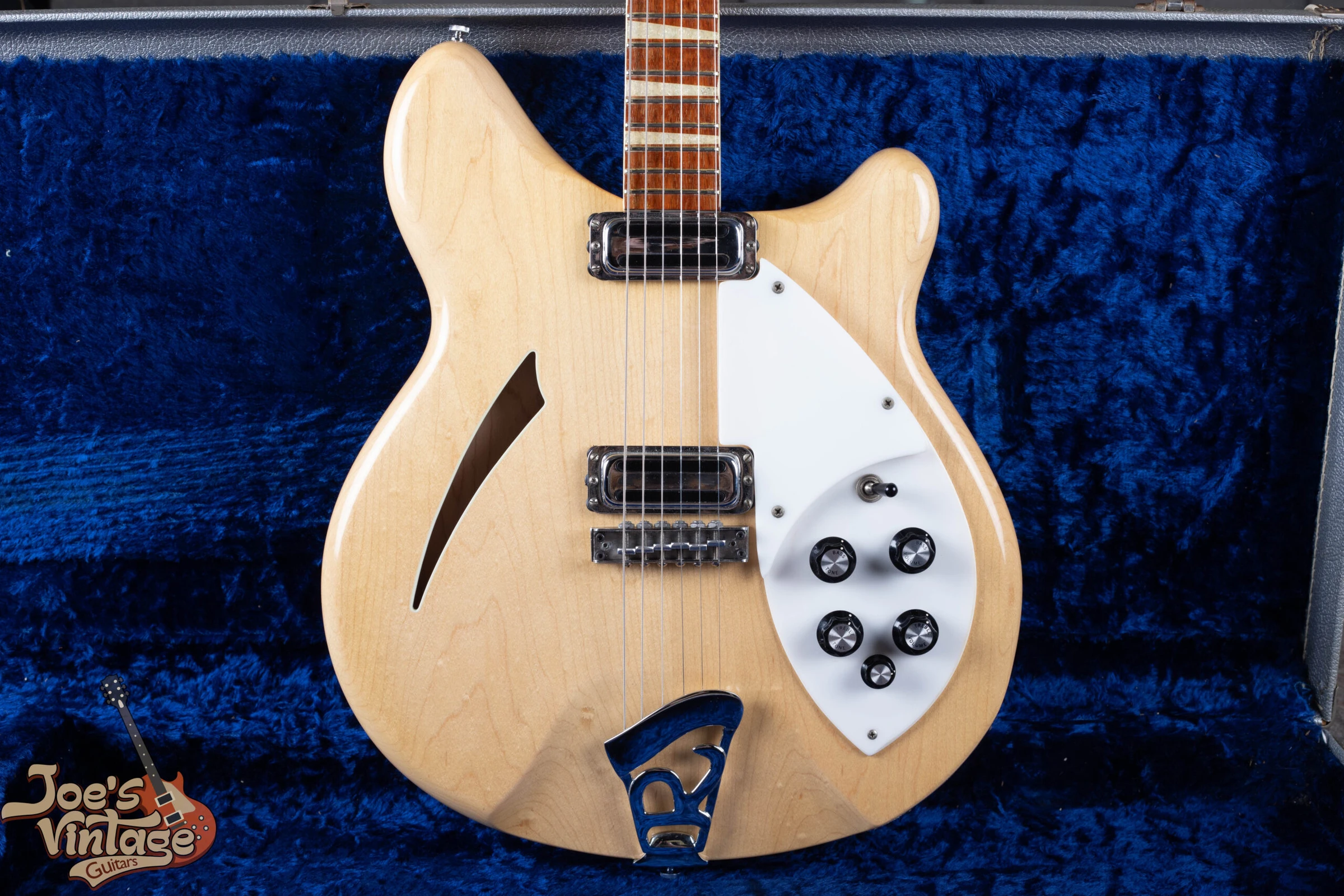
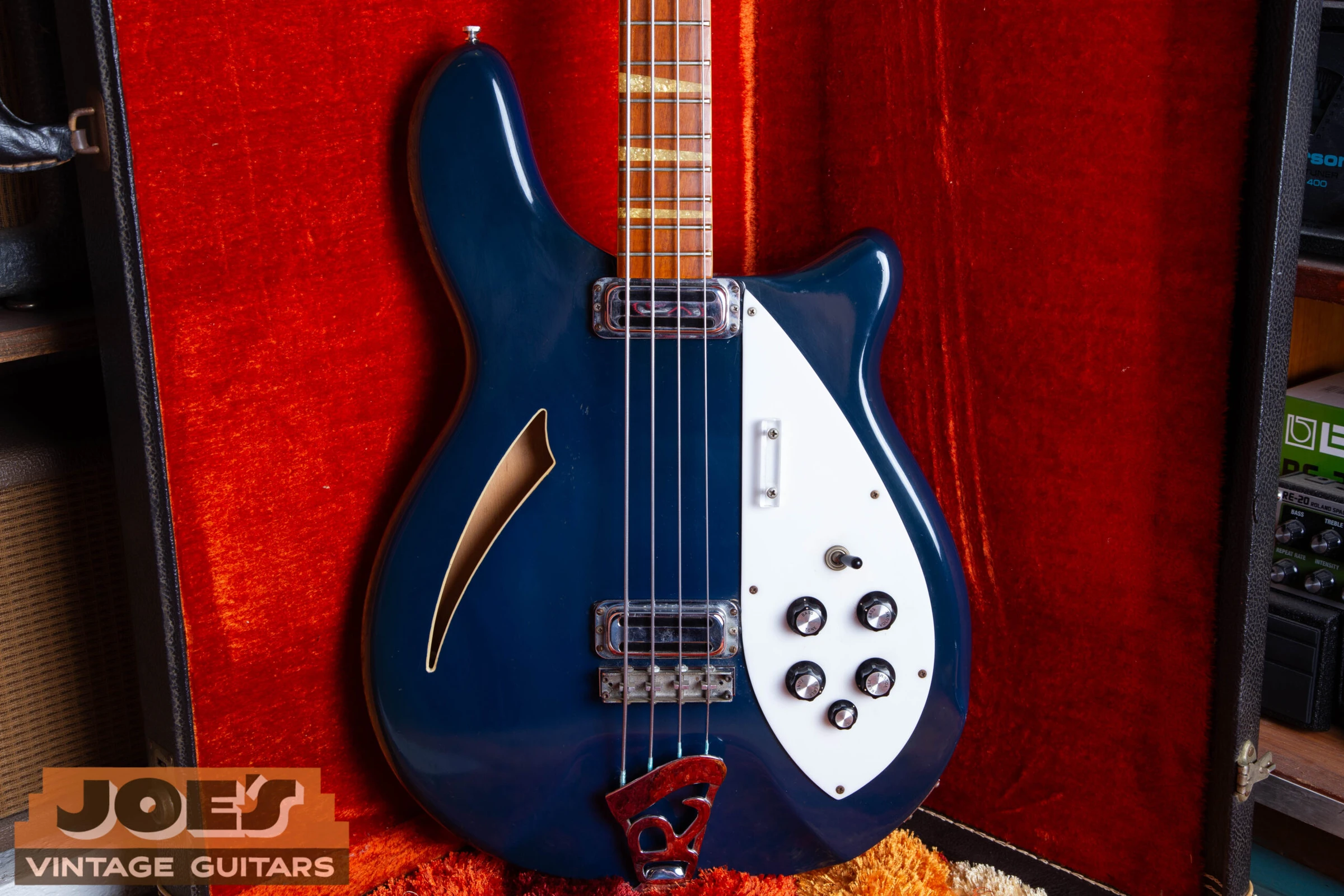
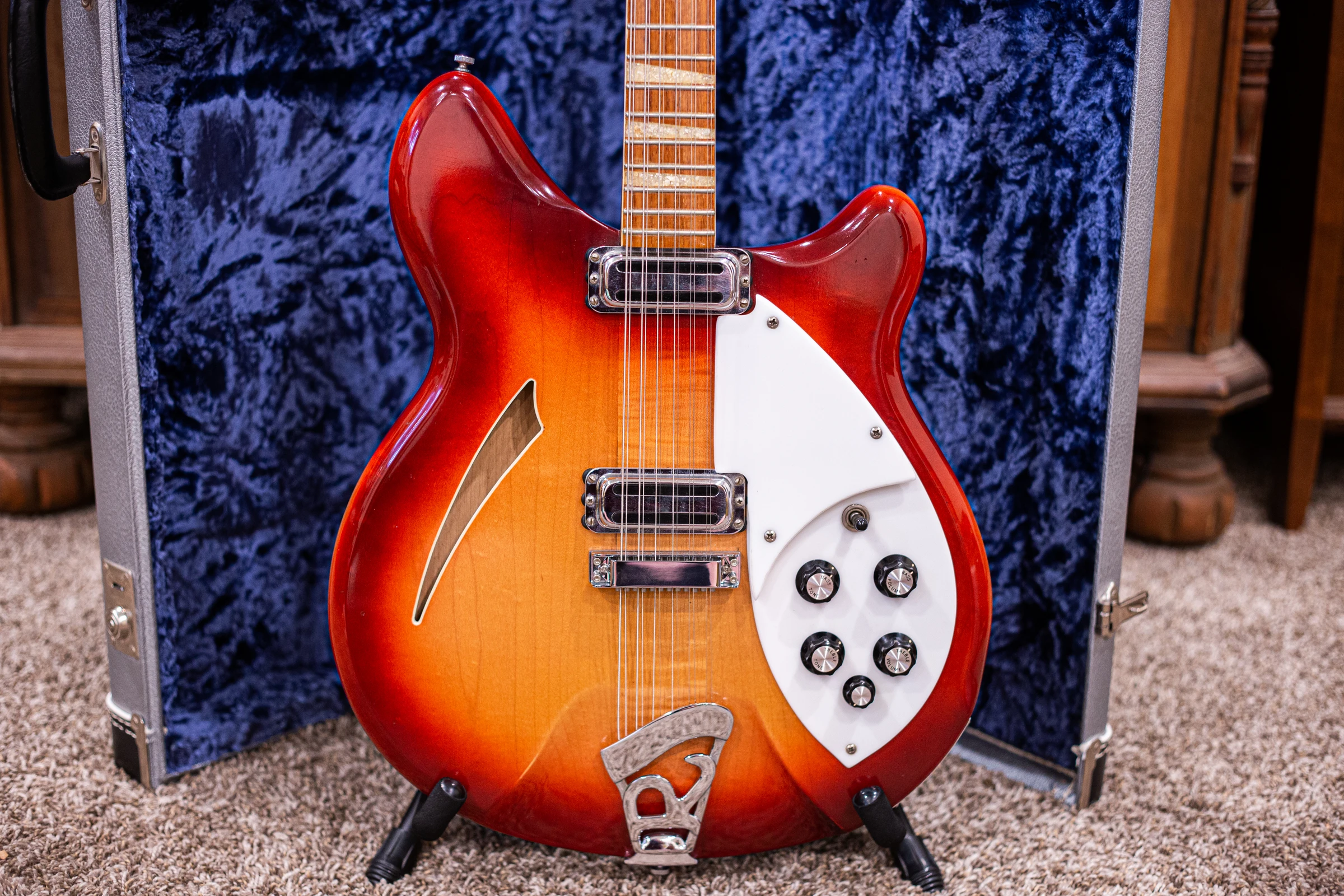
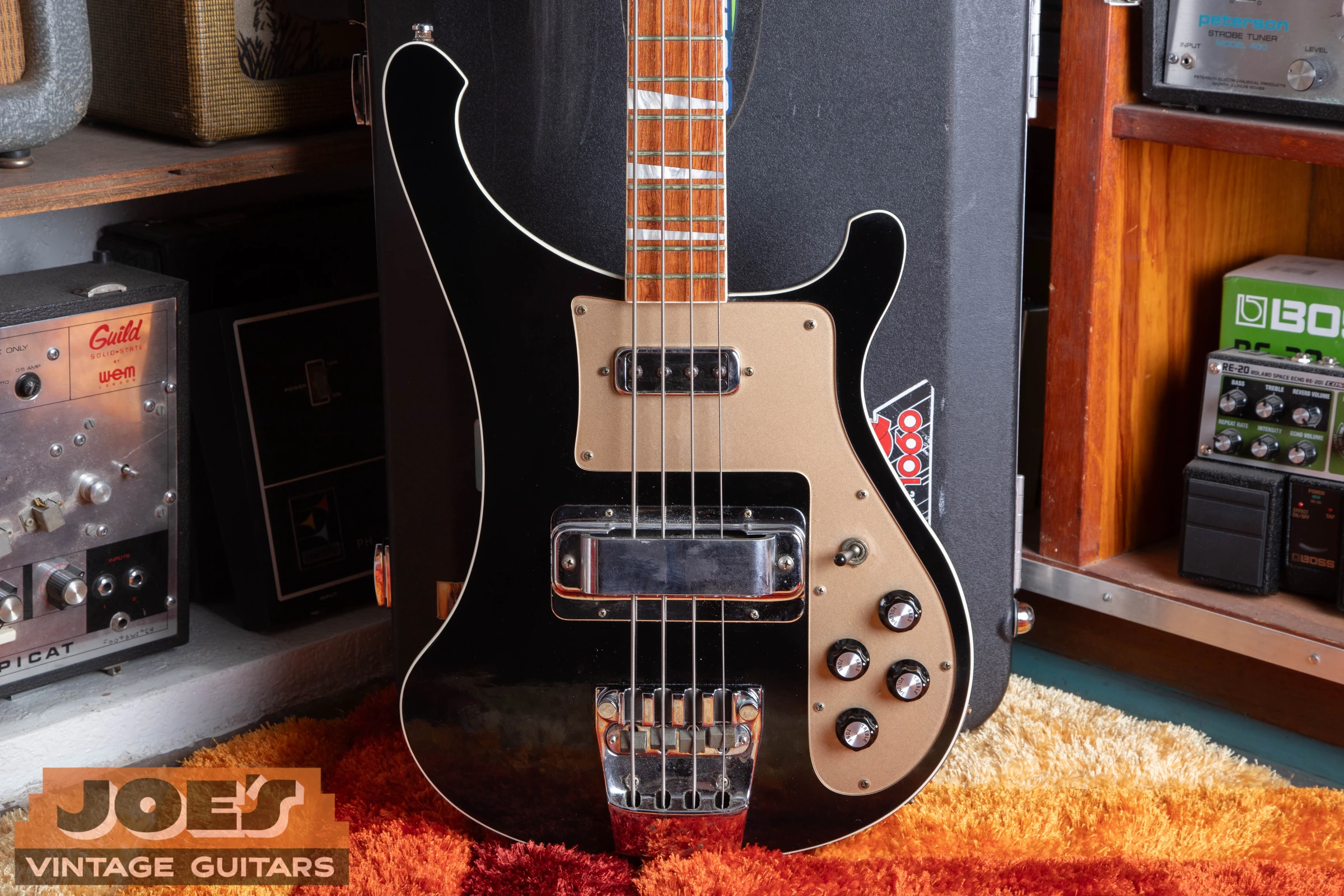
Finishes
Use the Rickenbacker serial lookup to check the date before comparing color. Finish names describe appearance, and the same name can occur across different models and periods.
Common Finish Names
| Name | Appearance | Dating Limit |
|---|---|---|
| Mapleglo | Natural maple under clear finish | Long-running finish; yellowing does not establish a year. |
| Fireglo | Red sunburst with a lighter center | Shade varies across periods and instruments. |
| Jetglo | Black | The name describes the body finish, not necessarily black hardware. |
| Azureglo | Blue | Compare a dated example and verify the serial and originality. |
| Autumnglo | Brown-toned sunburst | Compare sheen and period specifications; names and finish treatments vary. |
Checking Finish Originality
Photograph the front, back, neck and headstock in indirect daylight. Include worn edges and any chips already present. Different lighting, camera settings and clear-coat aging can make the same finish look different in two photographs.
Look for finish over binding, filled holes, abrupt color changes around hardware and wear that stops at a repair. Compare the bridge and tailpiece mounting footprints when checking those areas. These are reasons for closer inspection, not proof of a refinish. Leave the instrument assembled for a Rickenbacker appraisal from photos.
Color names recur, and custom orders and later recreations complicate a date estimate. A familiar vintage color on a newer serial can be factory correct. Check body shape, binding and inlays and knobs and controls alongside the finish.
Get Help Identifying Your Rickenbacker
Send photos of the complete instrument, serial plate and the detail you want checked. Include any known repair or replacement history.
Get A Free Rickenbacker Appraisal
Continue with Rickenbacker body, binding and inlay details or return to the serial lookup and dating charts.

Talk With
Joe Today
Have a vintage guitar to sell or a question? I’m here to help.