

Guitars · Combo, 610, 615, 620 And 625
Rickenbacker 600-Series SolidbodiesAuthentication Guide
Rickenbacker’s 600-series names span different generations of solidbody guitars. An early Combo, a later 610 or 620, and a modern 660 should not be treated as the same instrument with different trim. Confirm the body and neck construction, production period and full model name before using a price guide.
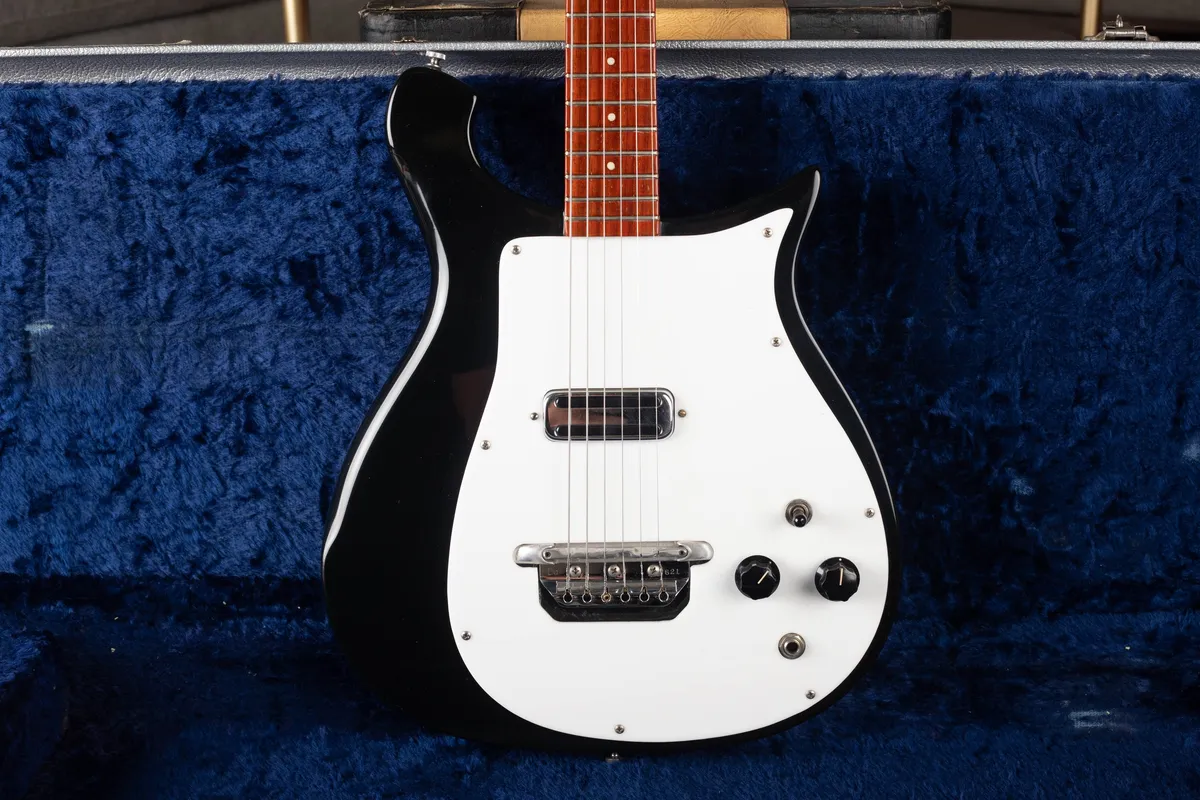
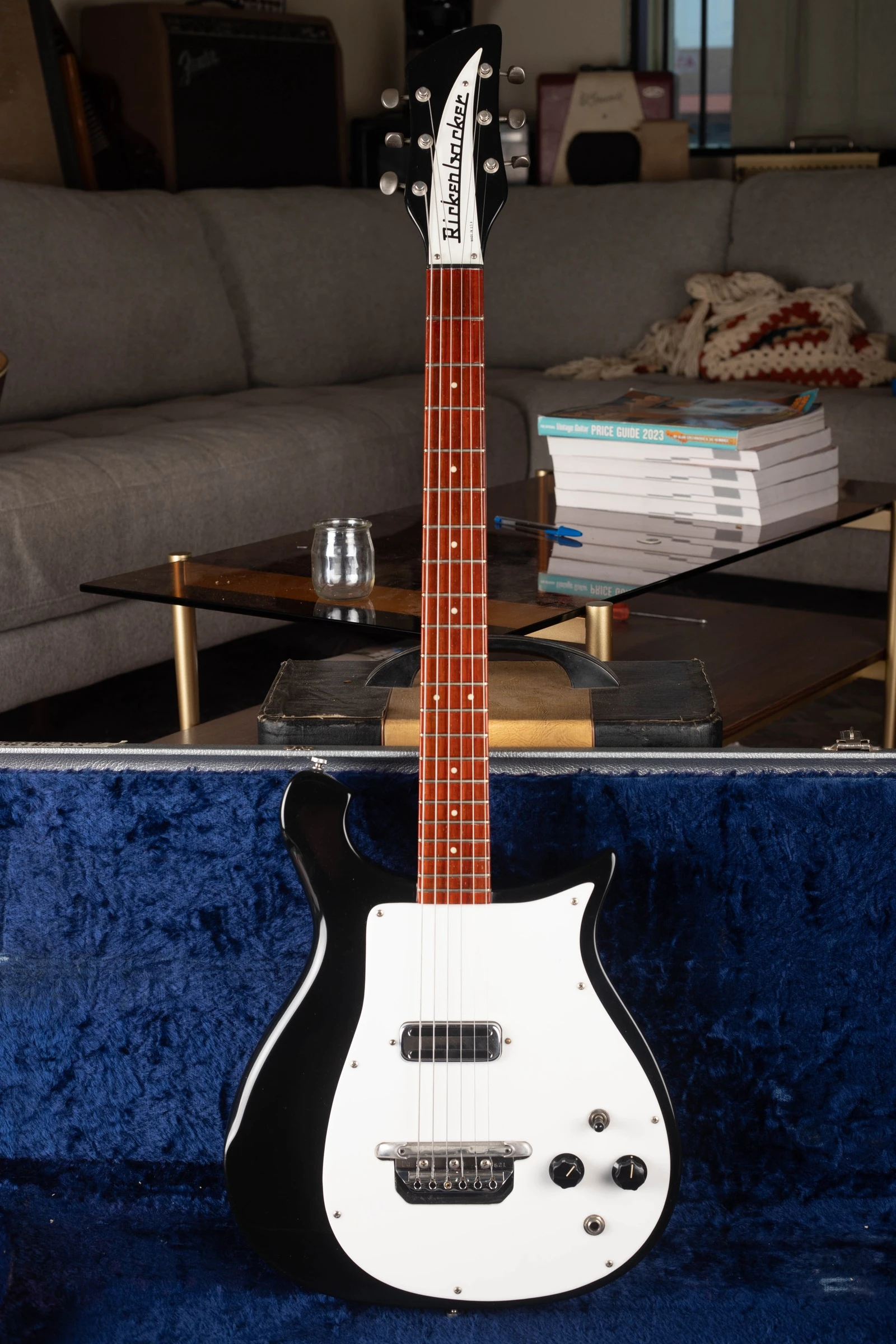
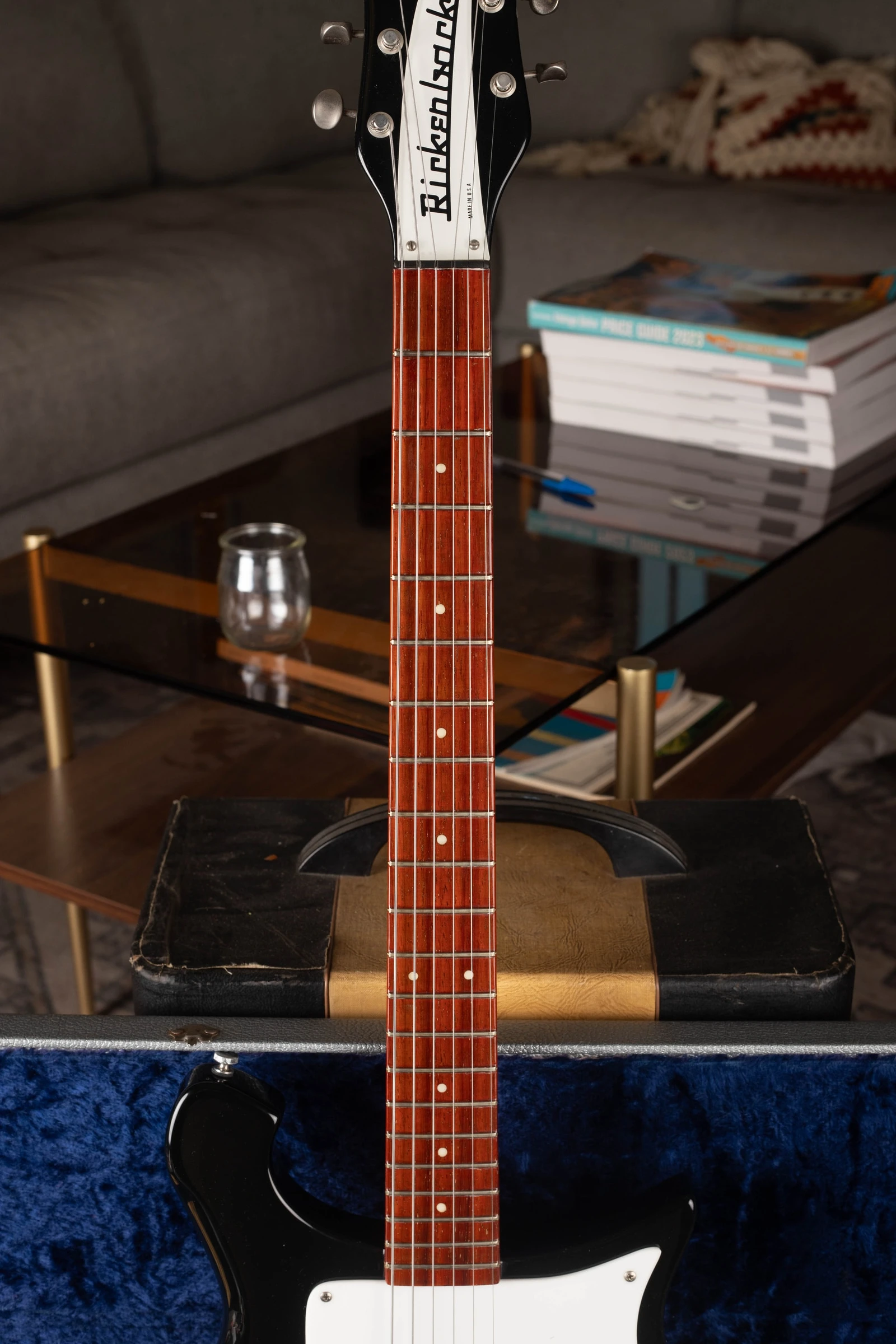
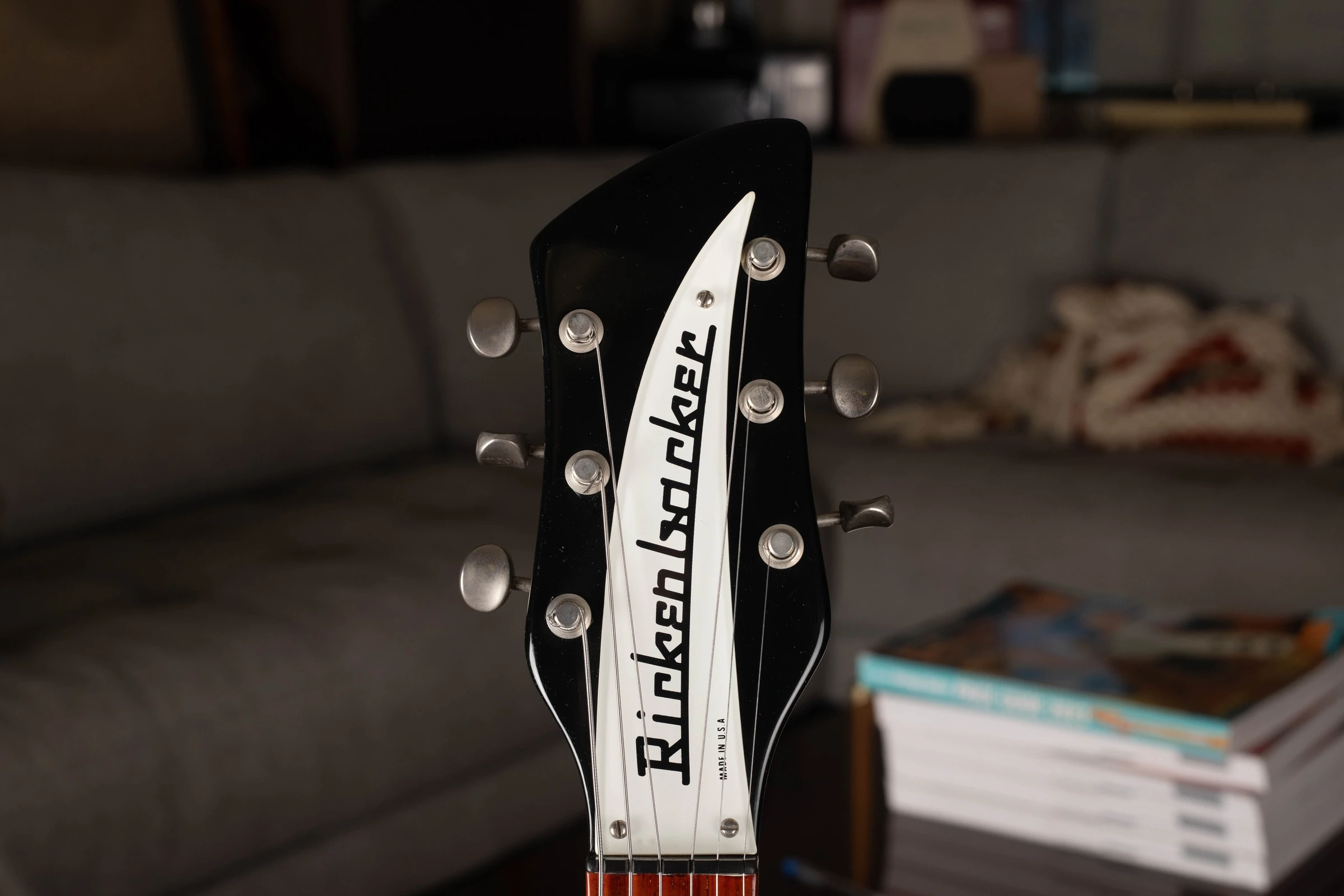
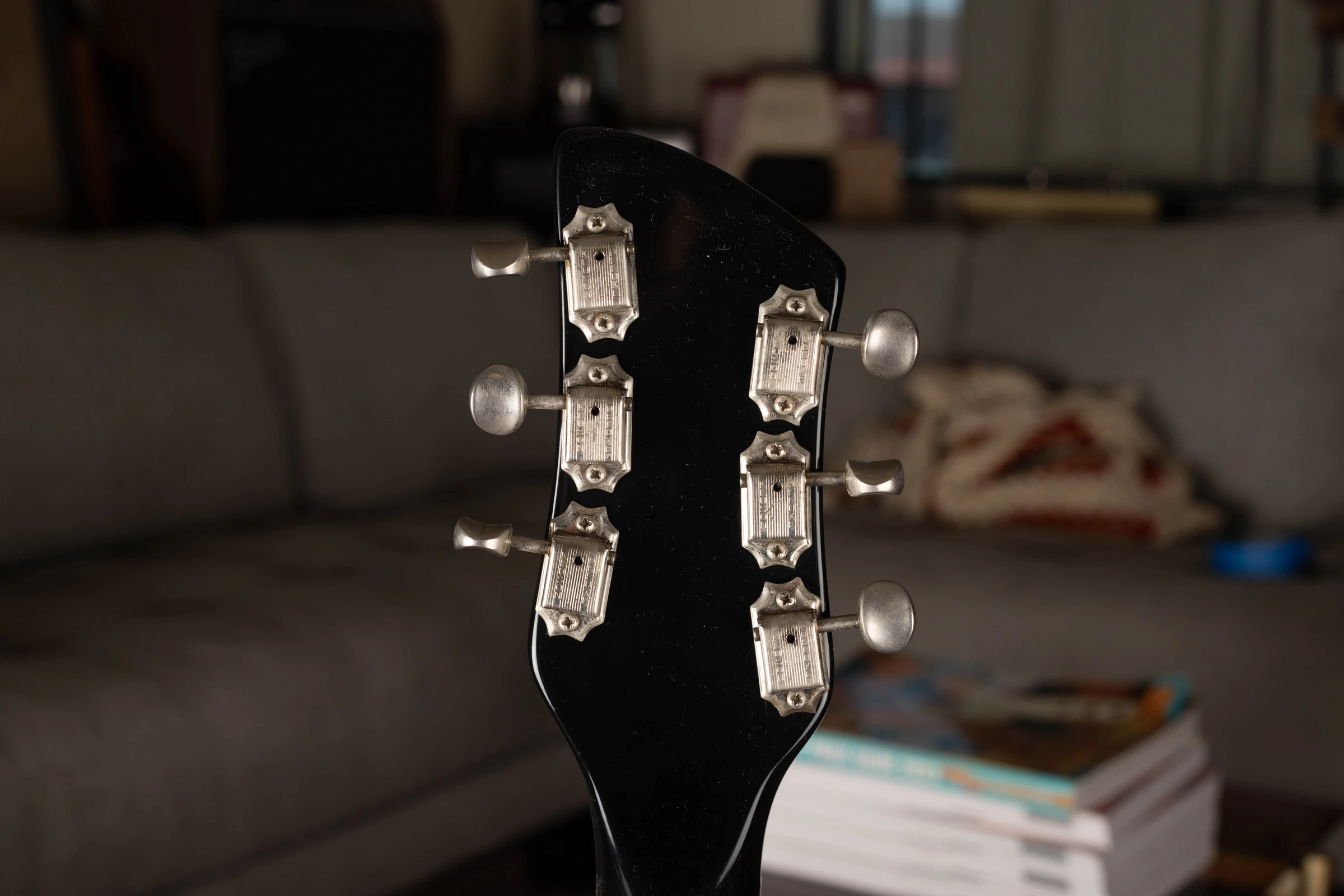
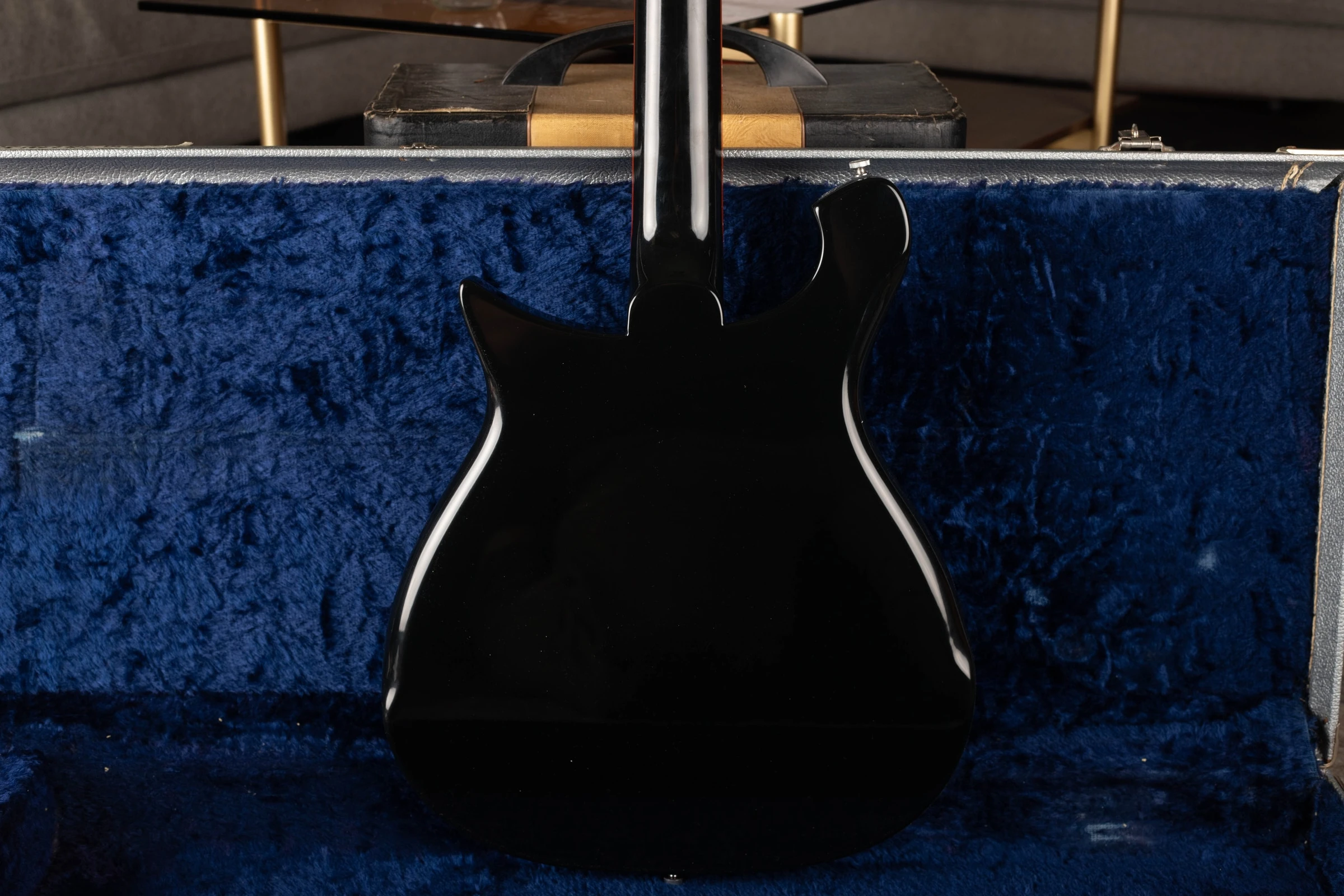
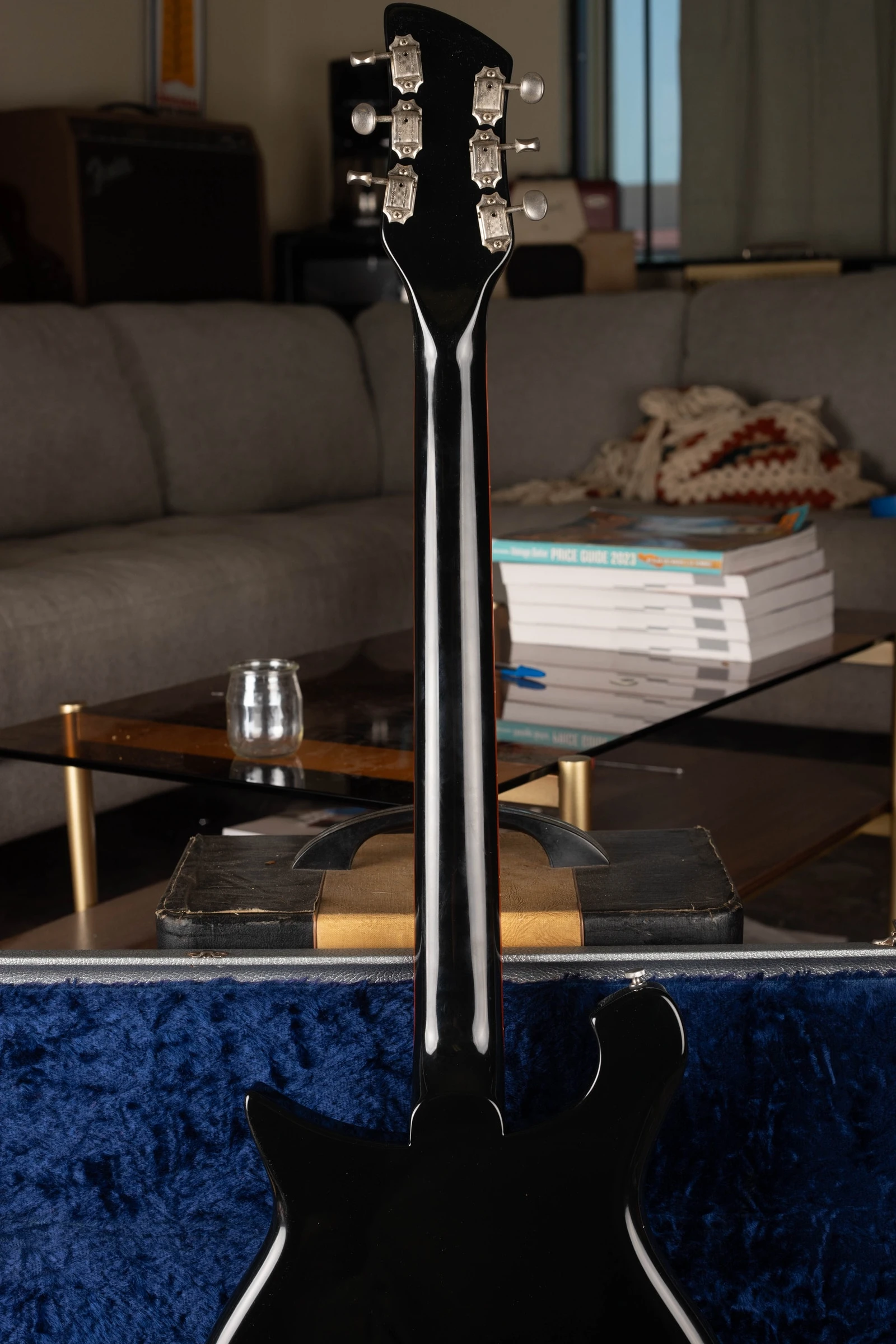
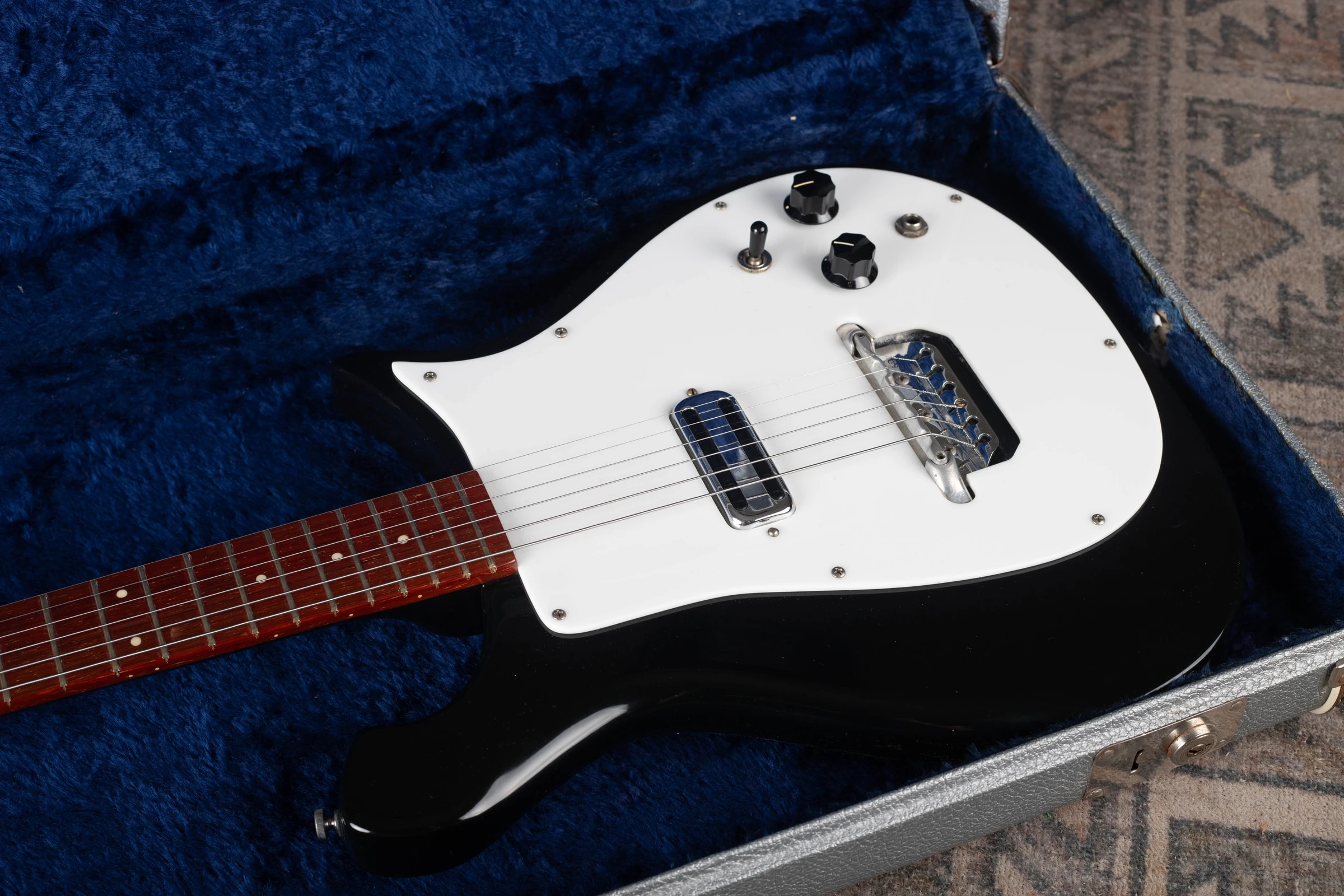
About These PhotosOur 1964 425 is shown for hardware, tuner and condition comparisons. It is not a 600-series guitar and does not demonstrate the cresting-wave body or its construction. Click a detail photograph to enlarge it.
Identify Before You Compare
Models And Variants
- Early Combo 600 / 800
- Earlier designs with their own pickup and construction history.
- 610 / 615
- Later cresting-wave family with plainer appointments; verify fixed-tailpiece or vibrato configuration.
- 620 / 625
- Deluxe relatives; compare binding, inlays, outputs and original hardware.
- 610/12 / 620/12
- Twelve-string versions require additional neck and headstock inspection.
- 650 / 660
- Later distinct designs and specifications; do not use their prices for an early Combo.
Establish Which Generation You Have
Photograph the entire body front and back, including the neck-to-body transition. A familiar cresting-wave silhouette does not date the guitar. Early Combo instruments and later 600-series production need different period references. Write down the exact model claimed, then test that claim against the construction and serial.
Look at fingerboard markers, binding, pickup design and outputs together. A nameplate or swapped jackplate cannot resolve a body that belongs to another design. Our 425 comparison photographs help identify inspection angles, but its outline is not a model template for this family.
Check The Neck And Body Construction
Rear views should show the center section, body wings and finish around their joins where visible. Examine any separation carefully before describing it as finish checking. Paint can conceal the wood layout, so a qualified inspection may be needed if the construction is in doubt.
Check the headstock, nut area and heel for repaired breaks or added finish. Record fret count and marker layout, allowing for period changes. A refretted neck can be perfectly usable, but a replacement fingerboard or heavily altered profile needs a fuller description.
Match Pickups, Controls And Tailpiece
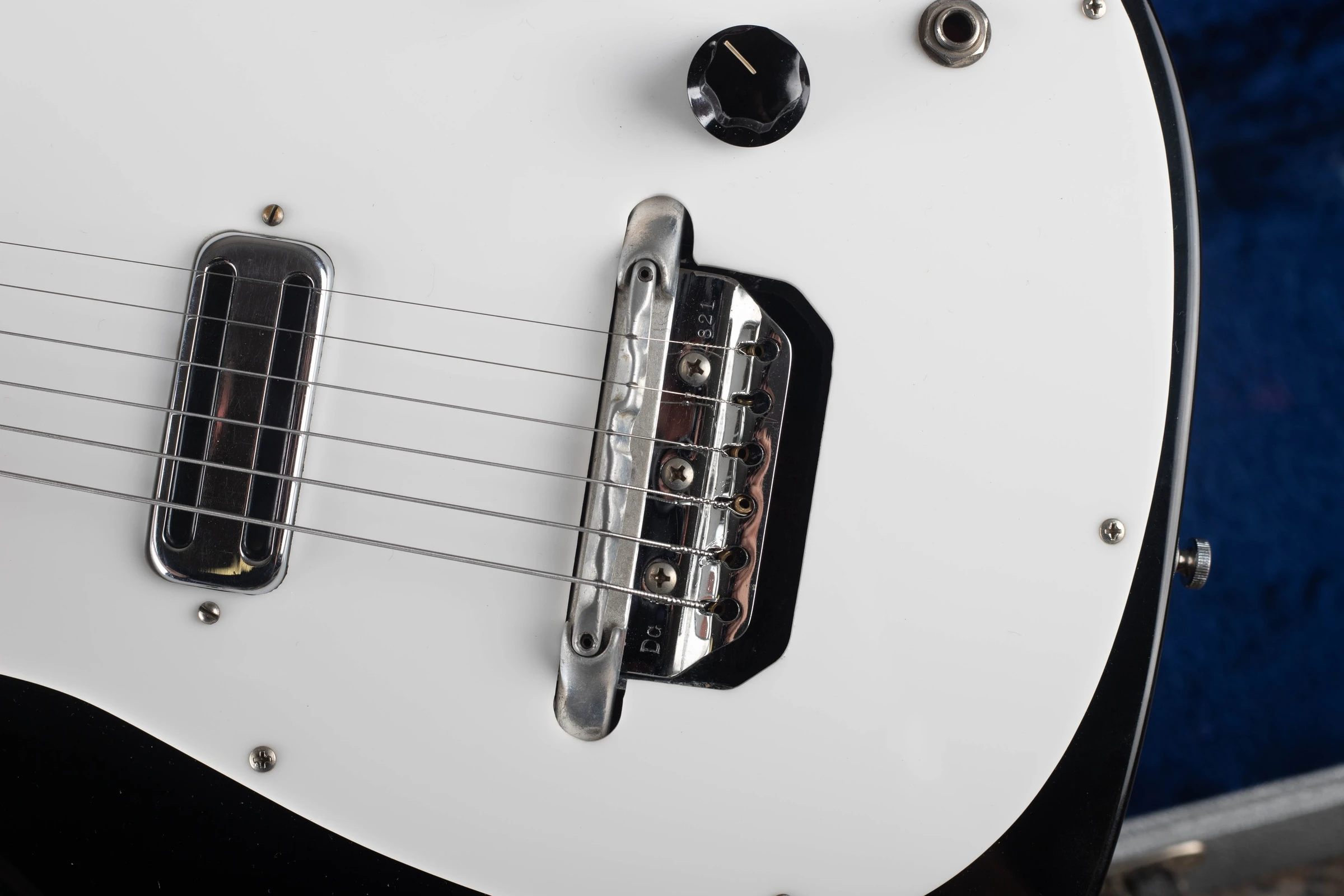
An early Combo’s pickup system should not be judged against a later 620’s Hi-Gain configuration. Conversely, vintage-style toaster covers on a later guitar do not establish an early manufacturing date. Compare the wiring, mounting and body routes with the specific version.
Photograph fixed-tailpiece or vibrato mounting from the side and rear edge. Look for plugged holes and outline marks from removed hardware. On deluxe versions, test both output arrangements correctly; a rewired mono-only instrument should not be advertised as retaining every original electrical function.
Inspect Twelve-String And Later Variants Separately
For a 620/12 or 610/12, inspect the tuner channels, nut slots and paired-string intonation. Check bridge adjustment room with the strings at normal tension. A converted six-string belongs in a different description from a factory twelve-string even if the workmanship is neat.
Later 650 and 660 instruments have their own specifications and buyer expectations. Use their actual model designations and serial dates. Avoid giving a later guitar a 1960s identity because it has checkerboard binding, vintage-style pickups or a period-looking case.
Authentication Checklist
Keep four questions separate: is it a Rickenbacker, is the model correctly identified, is the date supported, and which parts or finishes remain original? A positive answer to one does not settle the others.
- Record the identity. Save the complete serial photograph, model claim, measurements and any dated paperwork. Use the serial lookup only for the formats it covers.
- Compare independent details. Check body construction, neck, pickups, tuners and controls against the same model and period. One replaced part may explain a mismatch; several unexplained conflicts need closer inspection.
- Describe condition precisely. Separate wear, refret, replacement nut, repaired breaks, routing, touch-up, overspray and refinishing. See our photo guide to refinishing clues.
- Inspect internally when justified. Have a qualified repairer document hidden routes, wiring and component dates if a disputed claim affects the purchase. Do not force old screws, fragile guards or an unfamiliar neck adjustment.
- Keep uncertainty visible. “Consistent with this period” is different from a proven exact date or a claim that every solder joint is untouched. Photos can guide an appraisal; some findings require an in-person examination.
Photos For An Appraisal
Take unfiltered photographs in even light. Include the full front and back, both headstock faces, the entire serial or other markings, pickups, controls, bridge, neck joint and any damage. Add the measurements or model-specific views described above. Photograph the case, paperwork and removed parts separately.
You do not need to take the instrument apart for an initial review. If a detail cannot be seen, say so. A clear statement of known repairs and unknown history is more useful than an unsupported claim of complete originality.
Have A Rickenbacker To Identify Or Sell?
Send Joe your photos and any known history. We can help identify the instrument, discuss its condition and make an offer if you are ready to sell.
Sources And Further Reading
Factory documents establish period model descriptions. Instrument-specific references help compare construction; their originality claims are not independent certifications.
- Rickenbacker September 1992 Factory Price ListPeriod reference for later 600-series configurations; not an early Combo specification.
- Rickenbacker Company HistoryBackground on the earlier electric-guitar designs and their evolution.
Photo Credits And Scope
Photographs are from Joe’s Vintage Guitars’ instrument archive. Captions identify the actual instrument shown, including related-model and later-production comparisons. Full frames and existing watermarks are retained. A photograph of another model is not evidence of the correct construction for yours.