

Guitars · Carved-Body Originals And Reissues
Rickenbacker 381 And 381V69Authentication Guide
The 381 requires a clear distinction between original-era production and the later 381V69 family. Its carved body is central to that identification. Decorative binding or toaster-style pickups on another Rickenbacker cannot establish a 381, and the “69” in a V69 name is not the year that particular guitar was made.
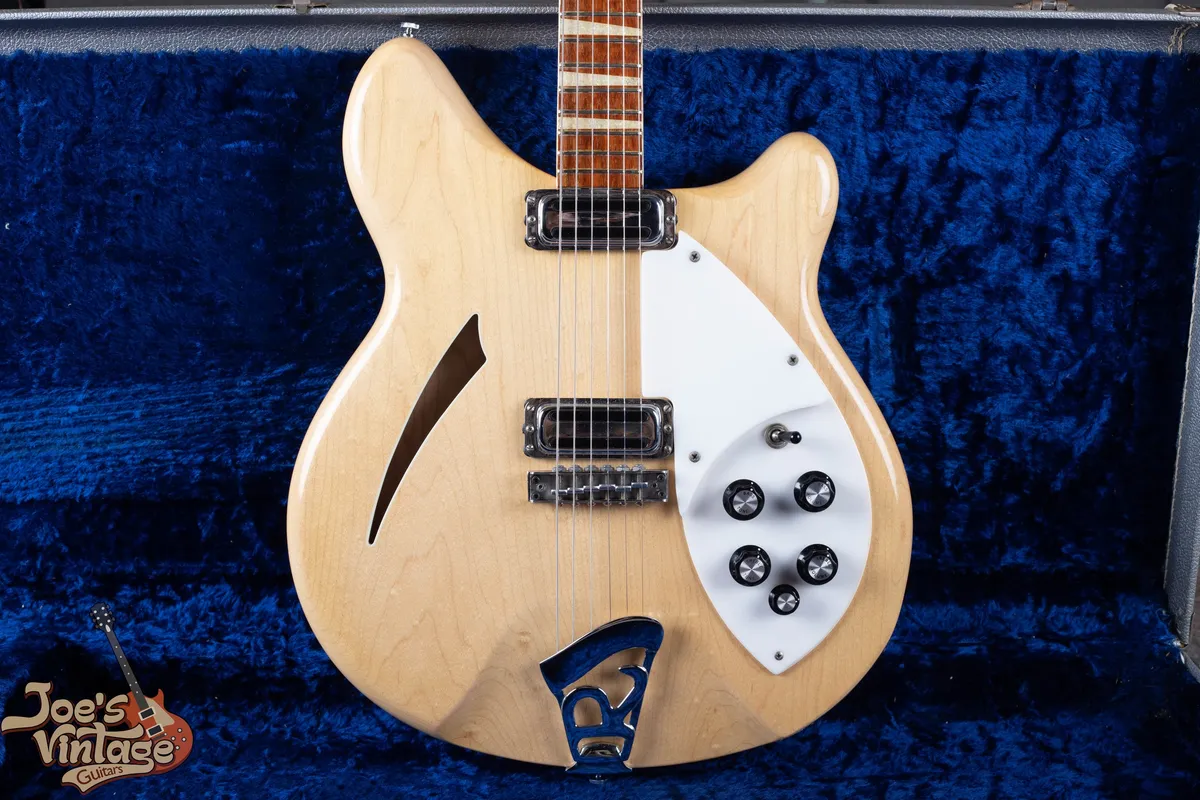
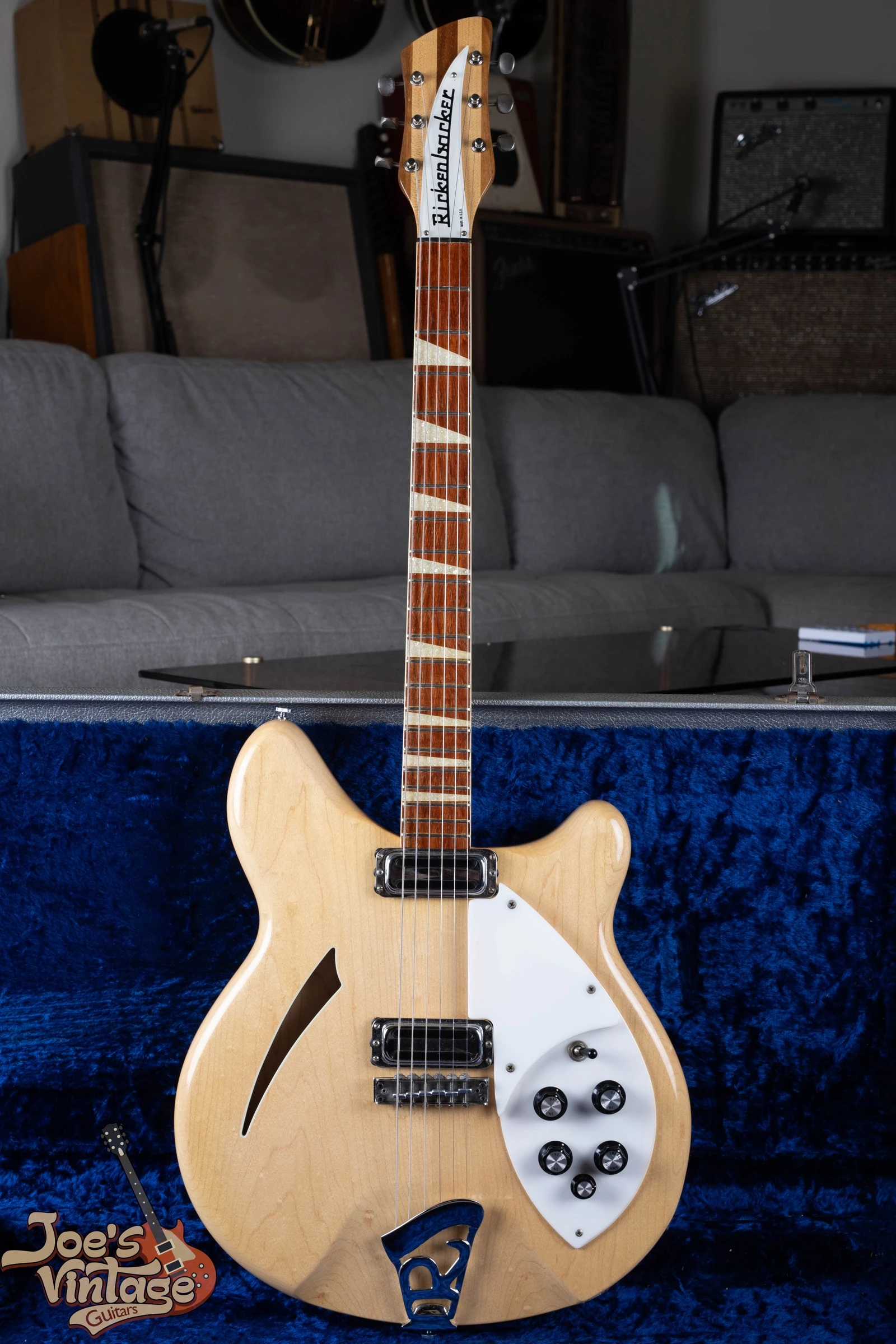
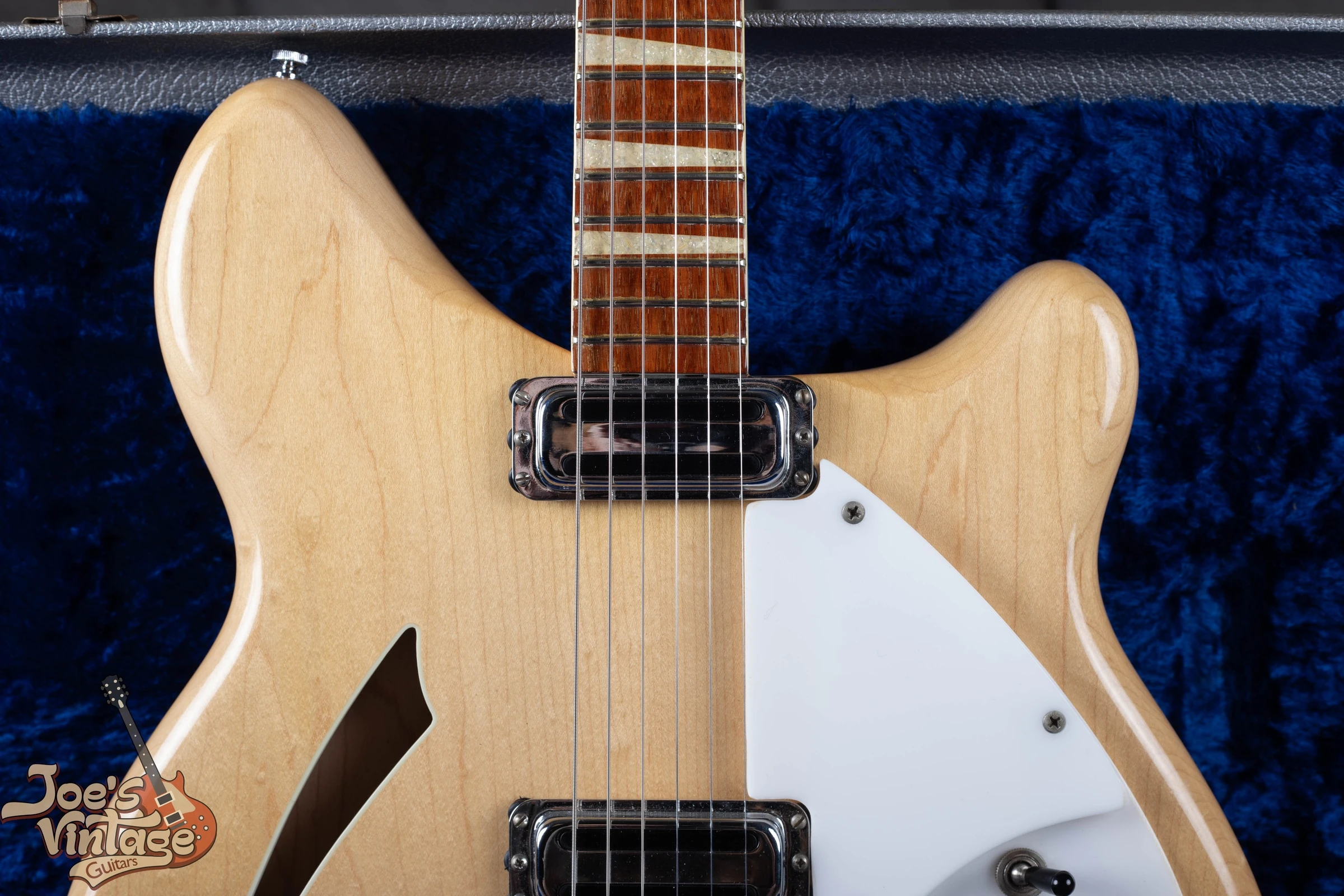
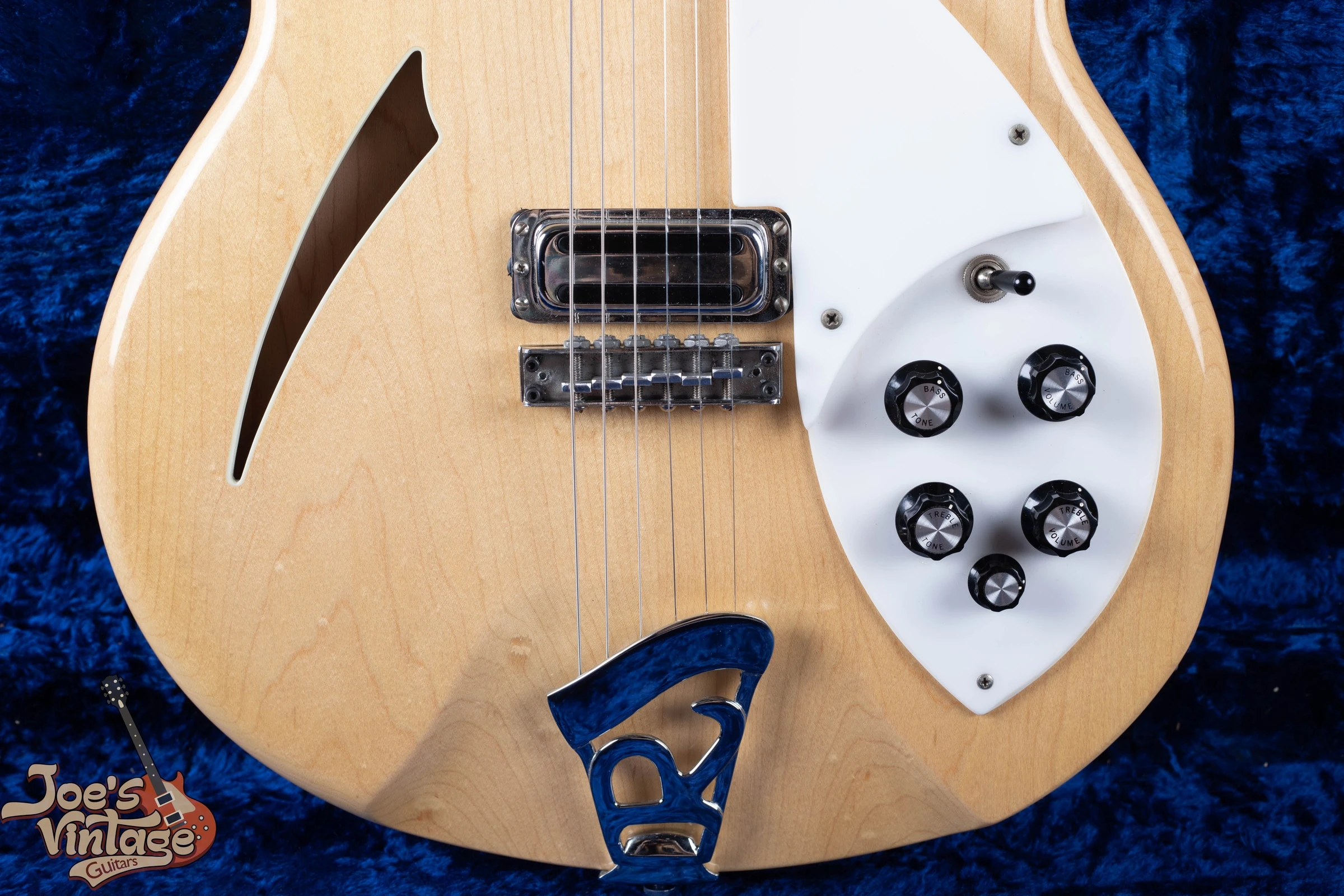
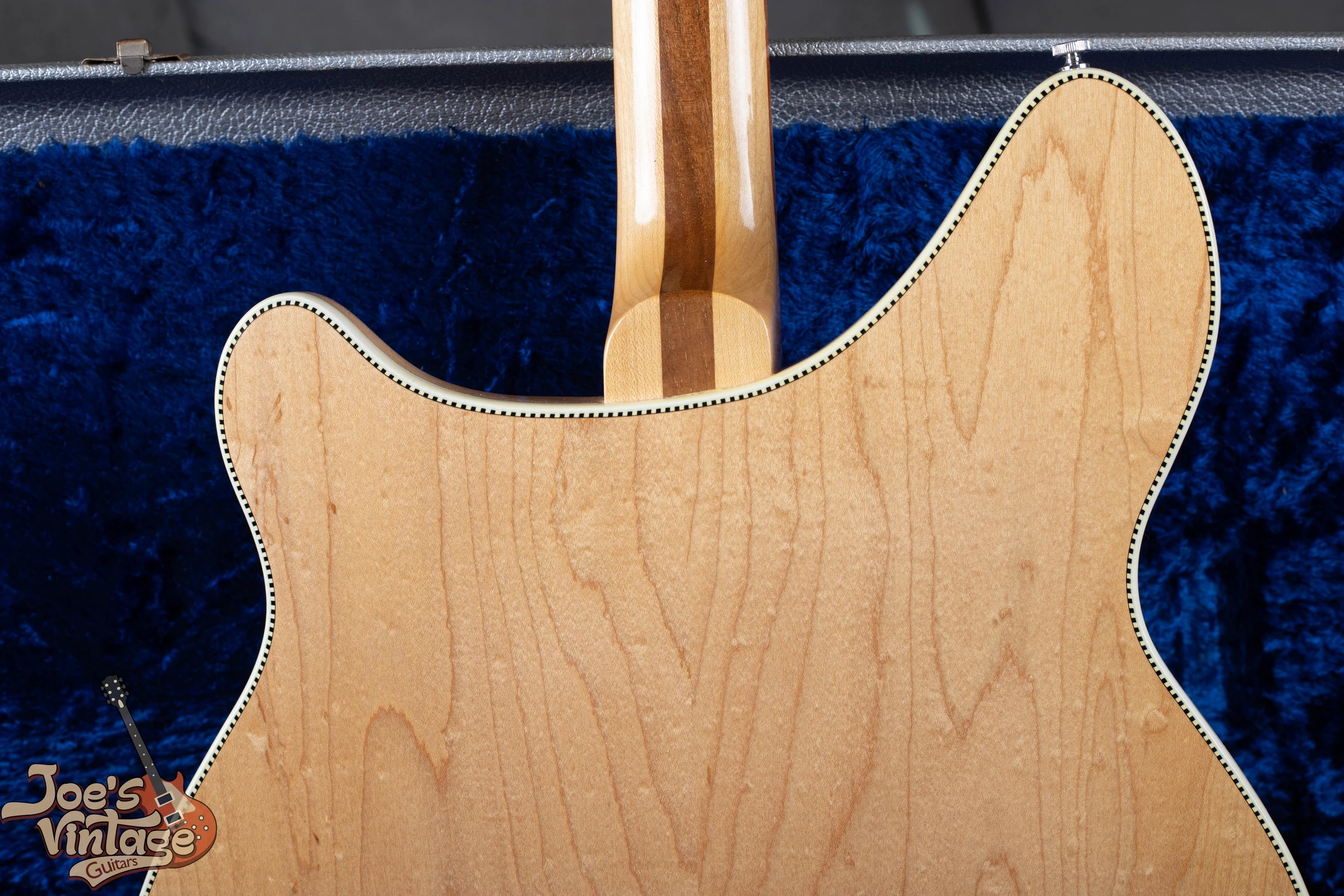
About These PhotosOur 1960s 360 is used only to compare pickups, inlays, binding and inspection angles. It does not show the 381’s carved body or German-carve edge. Click a detail photograph to enlarge it.
Identify Before You Compare
Models And Variants
- Original 381
- Original-era carved-body model; inspect the serial and period hardware together.
- 381V69
- Later six-string vintage-series recreation.
- 381/12V69
- Twelve-string version; evaluate the neck, nut and bridge as a twelve-string.
- 360 / 370
- Related deluxe thinlines, with different body construction.
Document The Carving And Body Depth
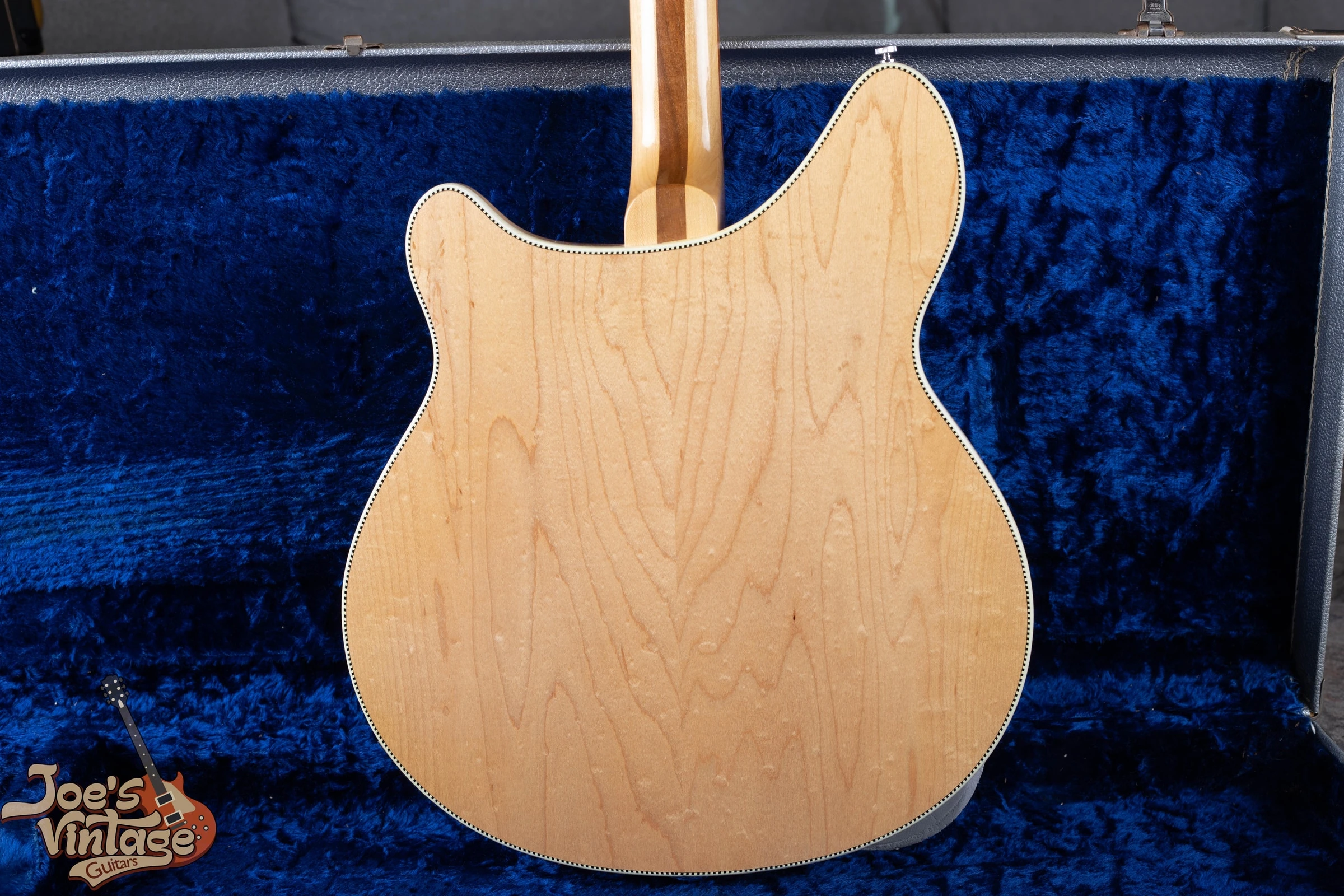
Ask for raking-light views across the top and back, plus a side view showing depth. The 381’s sculpted surfaces need to be visible, not inferred from a front photograph or a seller’s model field. Our flat-angle 360 photographs are useful for hardware comparison but cannot substitute for this body evidence.
Inspect the carved edge and binding joints for sanding, repair or separation. Refinished contours can lose definition. A dark finish can make carving harder to read, so use soft side lighting rather than bright glare or heavy image filters.
Read V69 As A Model Suffix
A later V69 is not an original 1969 instrument. The factory’s 1989 price list describes the 381V69 and its twelve-string relative as contemporary offerings. Photograph the complete serial, neck joint and headstock, then establish the manufacturing date independently of the model name.
Keep the original model and reissue hardware expectations separate. The 1969 dealer example cited here has early Hi-Gain pickups, illustrating why toaster covers are not a universal originality requirement for every original 381. Judge the precise instrument against its period.
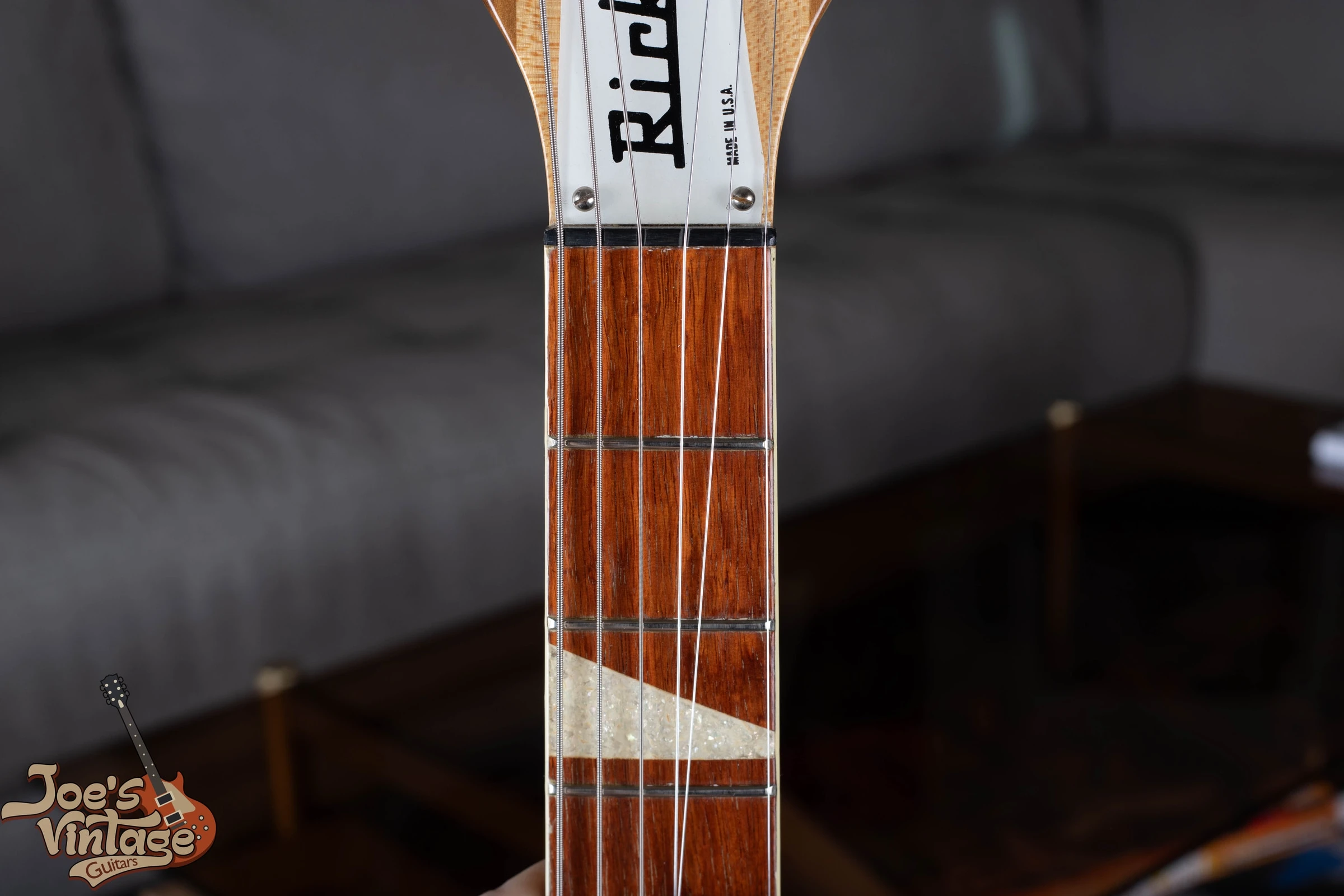
Inspect Binding, Electronics And Neck Geometry
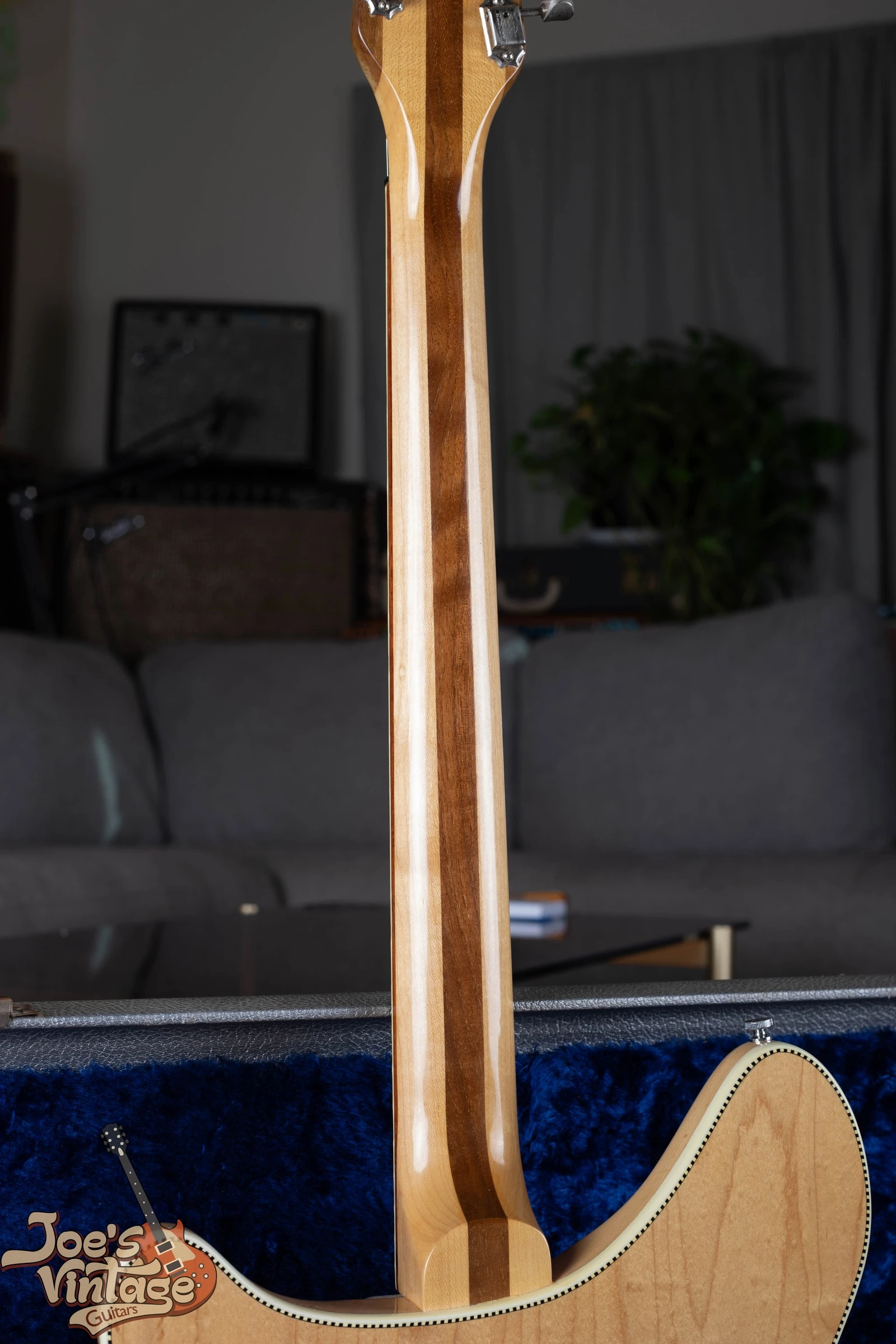
Follow all body and neck binding with close photographs. Local replacements, shrinking joints and loose areas deserve a specific description. Binding repair on a carved body can be more involved than replacing an inexpensive external part, so obtain a repair assessment before assigning a condition grade.
Test pickup switching and outputs, then inspect the bridge setting and action. On a twelve-string, add nut-slot and paired-string intonation checks. A visually impressive top should not distract from a weak pickup, altered circuit or a neck that needs work.
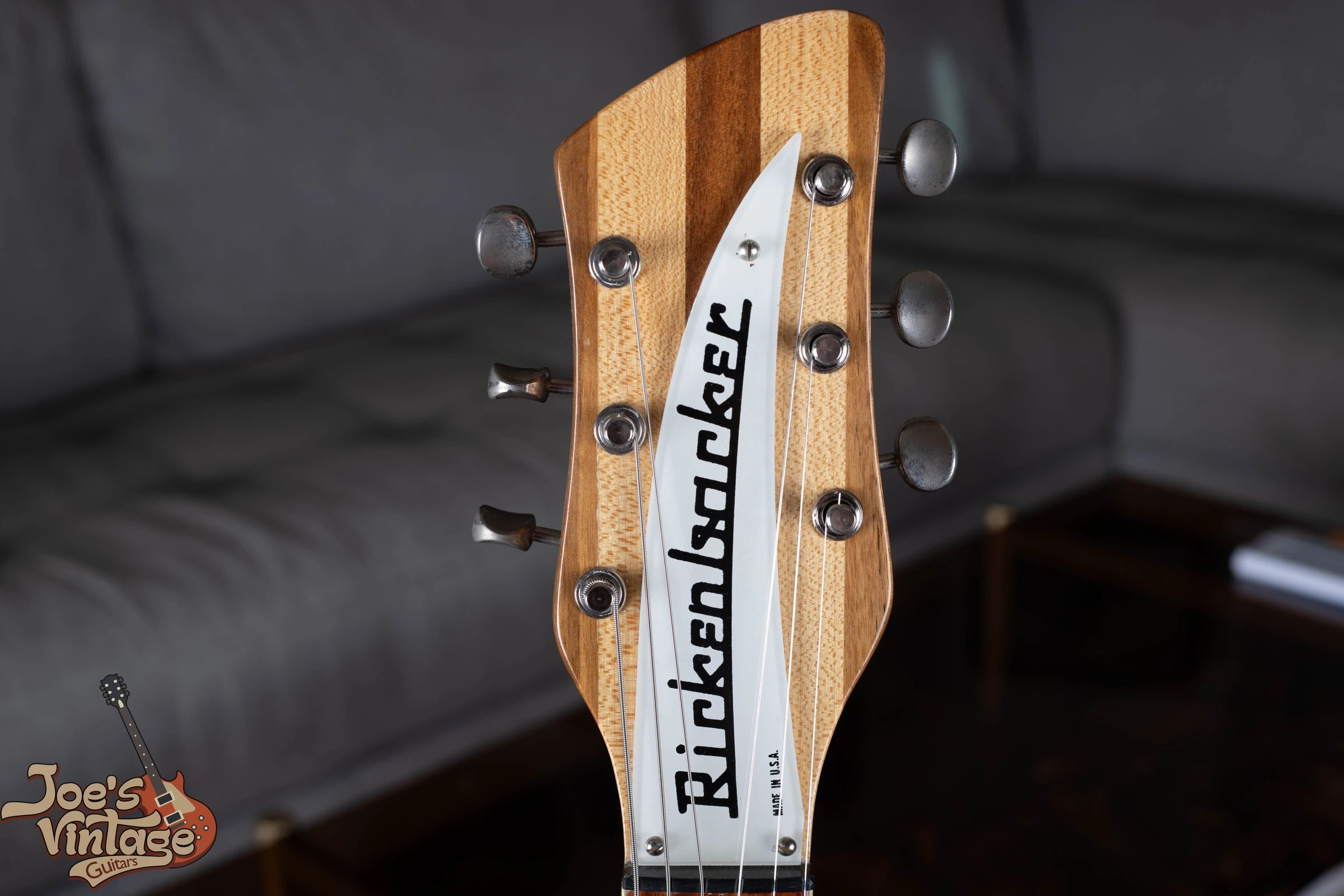
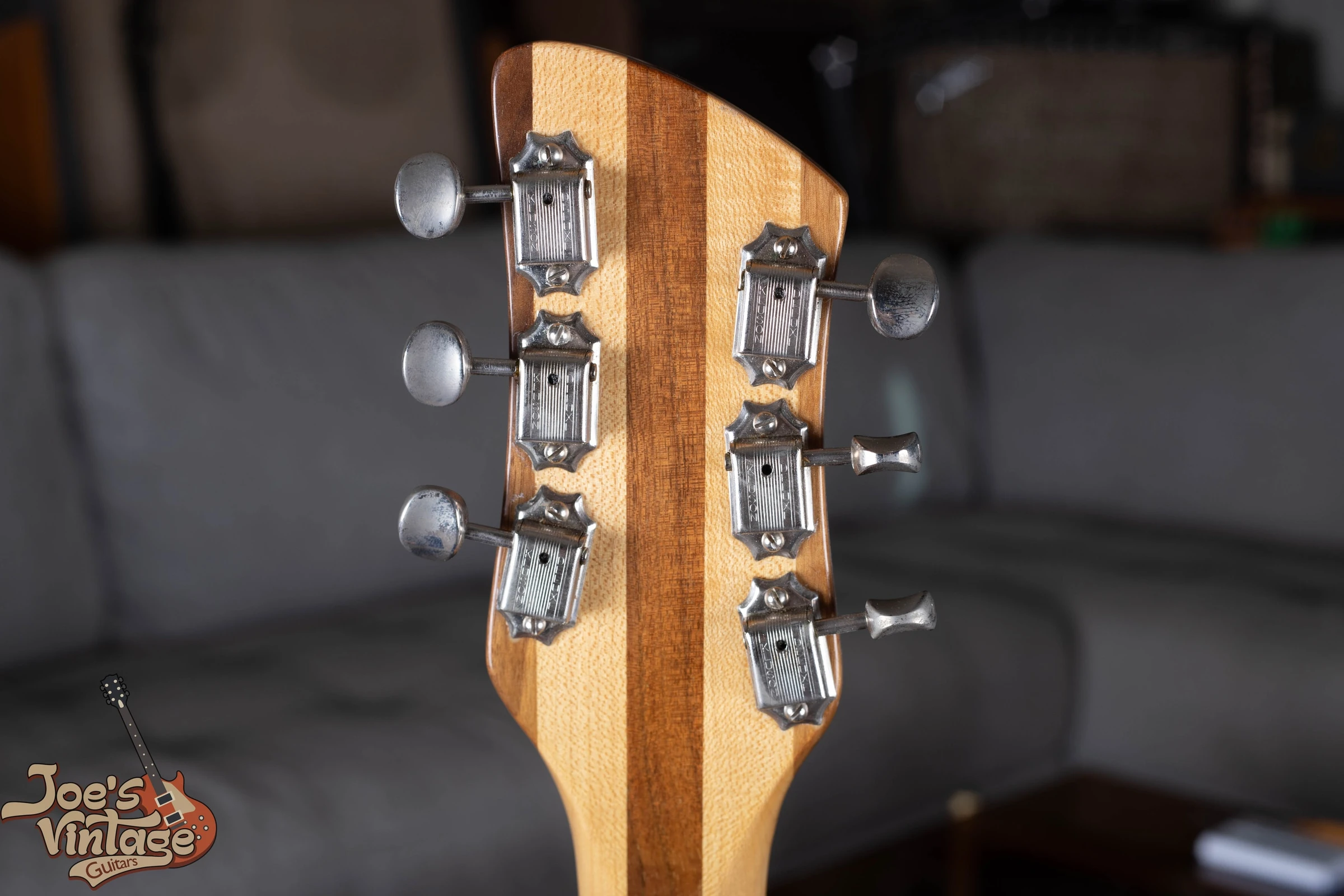
Verify Finish And Original Hardware Claims
Compare protected and exposed finish when a qualified repairer has reason to inspect beneath hardware. Look for incompatible footprints, extra holes or finish over old damage. A set of period-looking knobs or toasters is not proof that the whole guitar escaped modification.
Keep dated photographs, original receipts and any repair records together. Figured maple varies between instruments; attractive grain is not a substitute for a consistent serial and construction. Avoid assigning a production-count rarity claim unless a reliable record supports that specific version.
Authentication Checklist
Keep four questions separate: is it a Rickenbacker, is the model correctly identified, is the date supported, and which parts or finishes remain original? A positive answer to one does not settle the others.
- Record the identity. Save the complete serial photograph, model claim, measurements and any dated paperwork. Use the serial lookup only for the formats it covers.
- Compare independent details. Check body construction, neck, pickups, tuners and controls against the same model and period. One replaced part may explain a mismatch; several unexplained conflicts need closer inspection.
- Describe condition precisely. Separate wear, refret, replacement nut, repaired breaks, routing, touch-up, overspray and refinishing. See our photo guide to refinishing clues.
- Inspect internally when justified. Have a qualified repairer document hidden routes, wiring and component dates if a disputed claim affects the purchase. Do not force old screws, fragile guards or an unfamiliar neck adjustment.
- Keep uncertainty visible. “Consistent with this period” is different from a proven exact date or a claim that every solder joint is untouched. Photos can guide an appraisal; some findings require an in-person examination.
Photos For An Appraisal
Take unfiltered photographs in even light. Include the full front and back, both headstock faces, the entire serial or other markings, pickups, controls, bridge, neck joint and any damage. Add the measurements or model-specific views described above. Photograph the case, paperwork and removed parts separately.
You do not need to take the instrument apart for an initial review. If a detail cannot be seen, say so. A clear statement of known repairs and unknown history is more useful than an unsupported claim of complete originality.
Have A Rickenbacker To Identify Or Sell?
Send Joe your photos and any known history. We can help identify the instrument, discuss its condition and make an offer if you are ready to sell.
Sources And Further Reading
Factory documents establish period model descriptions. Instrument-specific references help compare construction; their originality claims are not independent certifications.
- Rickenbacker June 1989 Factory Price ListDescribes the carved-body V69 models and distinguishes six and twelve strings.
- 1969 381 Dealer ExaminationInstrument-specific description of the original-era example used in the value discussion.
Photo Credits And Scope
Photographs are from Joe’s Vintage Guitars’ instrument archive. Captions identify the actual instrument shown, including related-model and later-production comparisons. Full frames and existing watermarks are retained. A photograph of another model is not evidence of the correct construction for yours.