

Guitars · Capri, Standard And Export Thinlines
Rickenbacker 330 And 340Value Guide
Joe’s 2026 value chart gives estimated market ranges in US dollars, organized by Rickenbacker model, production years and configuration. Check the condition and originality details before applying a range to your instrument.
Joe’s Vintage Guitars · October 2026
Rickenbacker 330 And 340 Value Chart
These are Joe’s estimated current market values in US dollars for original instruments in excellent condition, with the original case where applicable. Choose the row that matches the model, production years and configuration. A refinished, modified or repaired instrument needs a separate condition adjustment.
| Model | Years | Configuration | Estimated Value |
|---|---|---|---|
| Rickenbacker 330Capri, thick body | 1958 to 1960 | Capri, thick body | $7,900 to $10,550 |
| Rickenbacker 330Thinner body | 1965 to 1969 | Thinner body | $3,550 to $5,800 |
| Rickenbacker 33021 frets | 1970 to 1976 | 21 frets | $2,200 to $3,500 |
| Rickenbacker 330Small headstock, Jetglo or Burgundyglo | 1977 to 1983 | Small headstock, Jetglo or Burgundyglo | $2,150 to $3,400 |
| Rickenbacker 335Capri, thick body | 1958 to 1960 | Capri, thick body | $7,850 to $10,450 |
| Rickenbacker 335Thinner body | 1965 to 1969 | Thinner body | $3,500 to $5,650 |
| Rickenbacker 33521 frets | 1970 to 1976 | 21 frets | $2,250 to $3,550 |
| Rickenbacker 335SRose Morris export | 1964 to 1967 | Rose Morris export | $5,650 to $7,850 |
| Rickenbacker 340Capri, thick body | 1958 to 1960 | Capri, thick body | $7,850 to $10,450 |
| Rickenbacker 340Thinner body | 1965 to 1969 | Thinner body | $3,500 to $5,650 |
| Rickenbacker 34021 frets | 1970 to 1976 | 21 frets | $3,100 to $4,850 |
| Rickenbacker 340Later production | 1980 to 2014 | Later production | $2,150 to $3,400 |
| Rickenbacker 345Capri, thick body | 1958 to 1960 | Capri, thick body | $7,650 to $10,650 |
| Rickenbacker 345Thinner body | 1965 to 1969 | Thinner body | $3,450 to $6,450 |
| Rickenbacker 34521 frets | 1970 to 1976 | 21 frets | $2,250 to $4,900 |
Ranges are estimates of instrument market value, not purchase offers or insurance replacement values. Originality, playability, repairs and the details of the sale affect the final amount. Unlisted years and unusual variants need an individual appraisal. Later production and reissues appear only in rows that identify them.
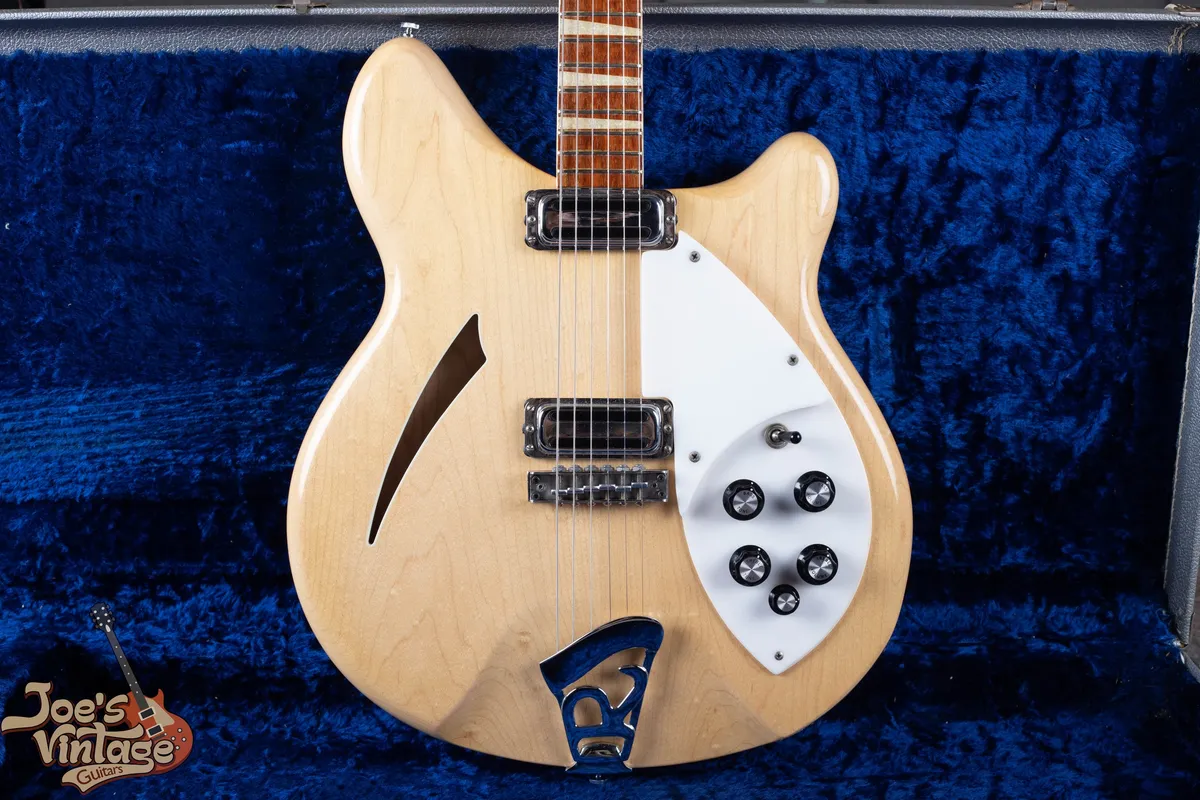
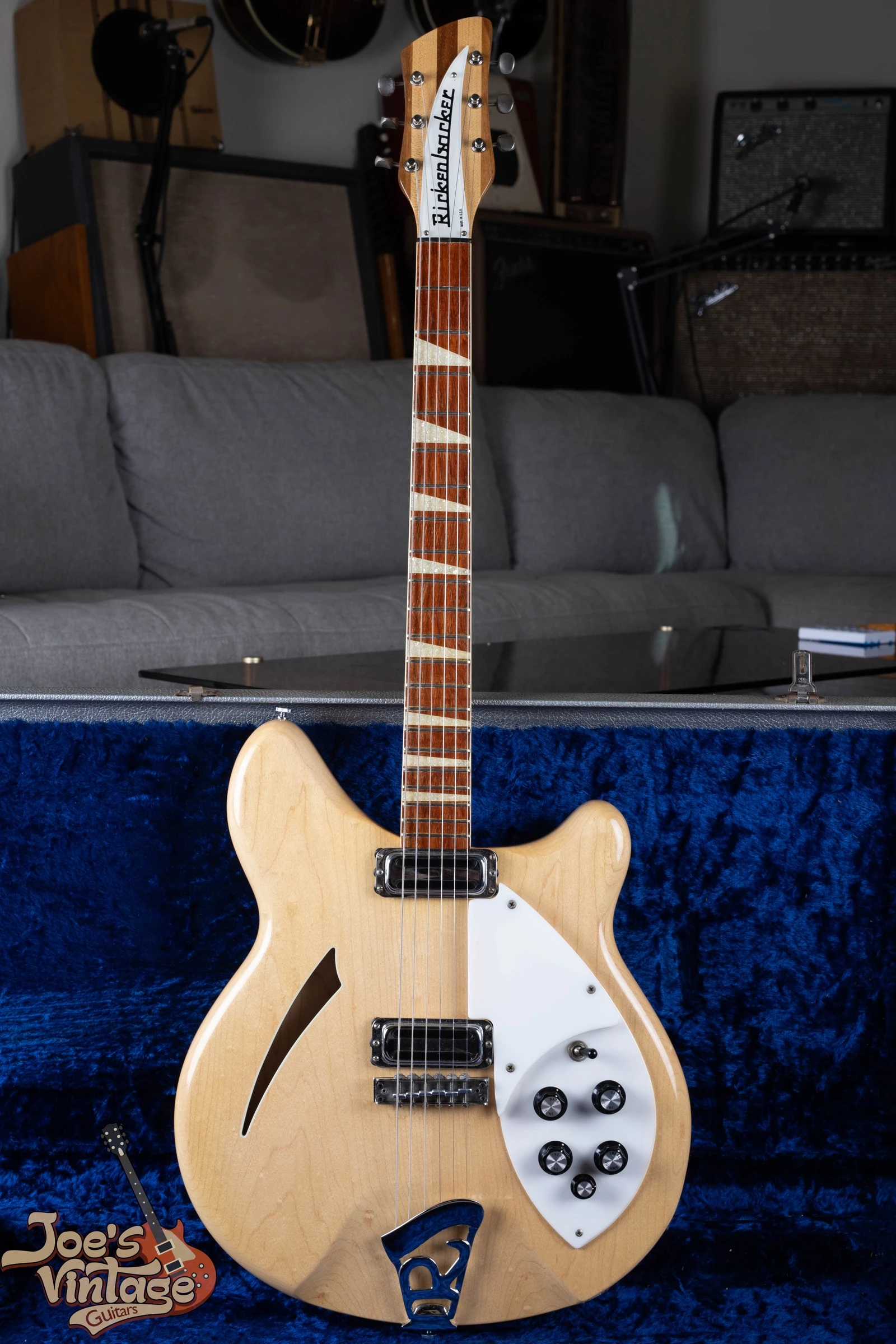
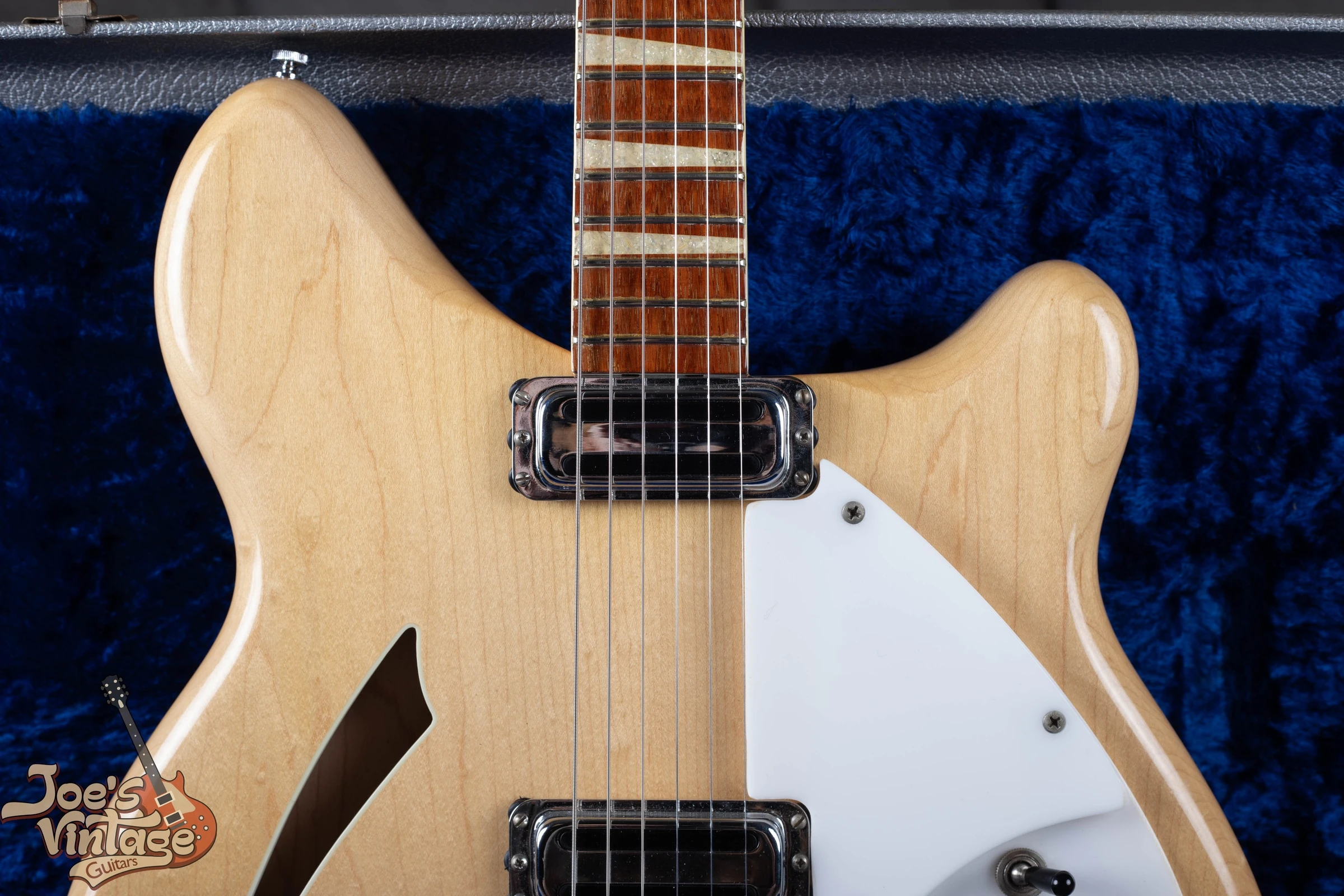
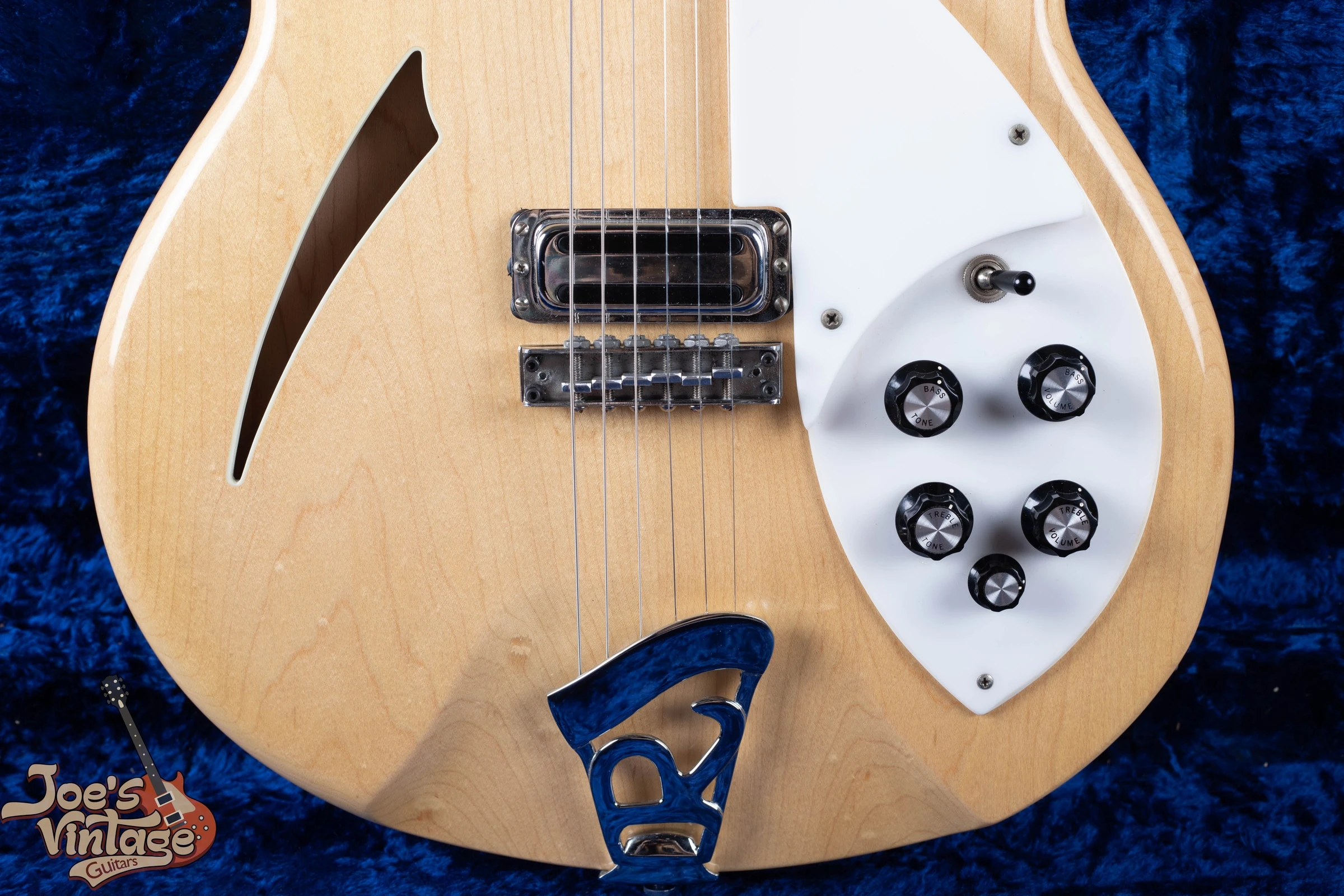
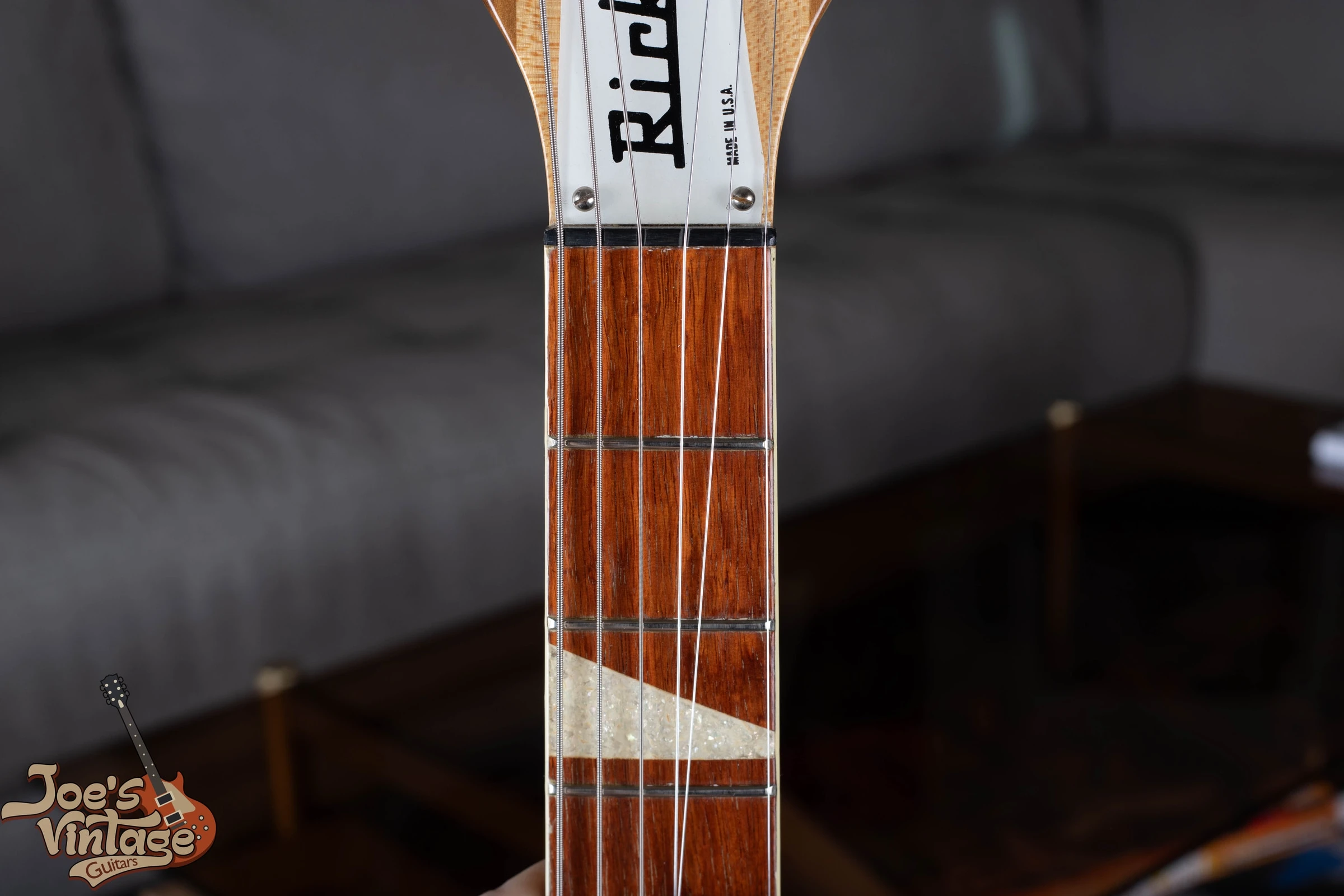
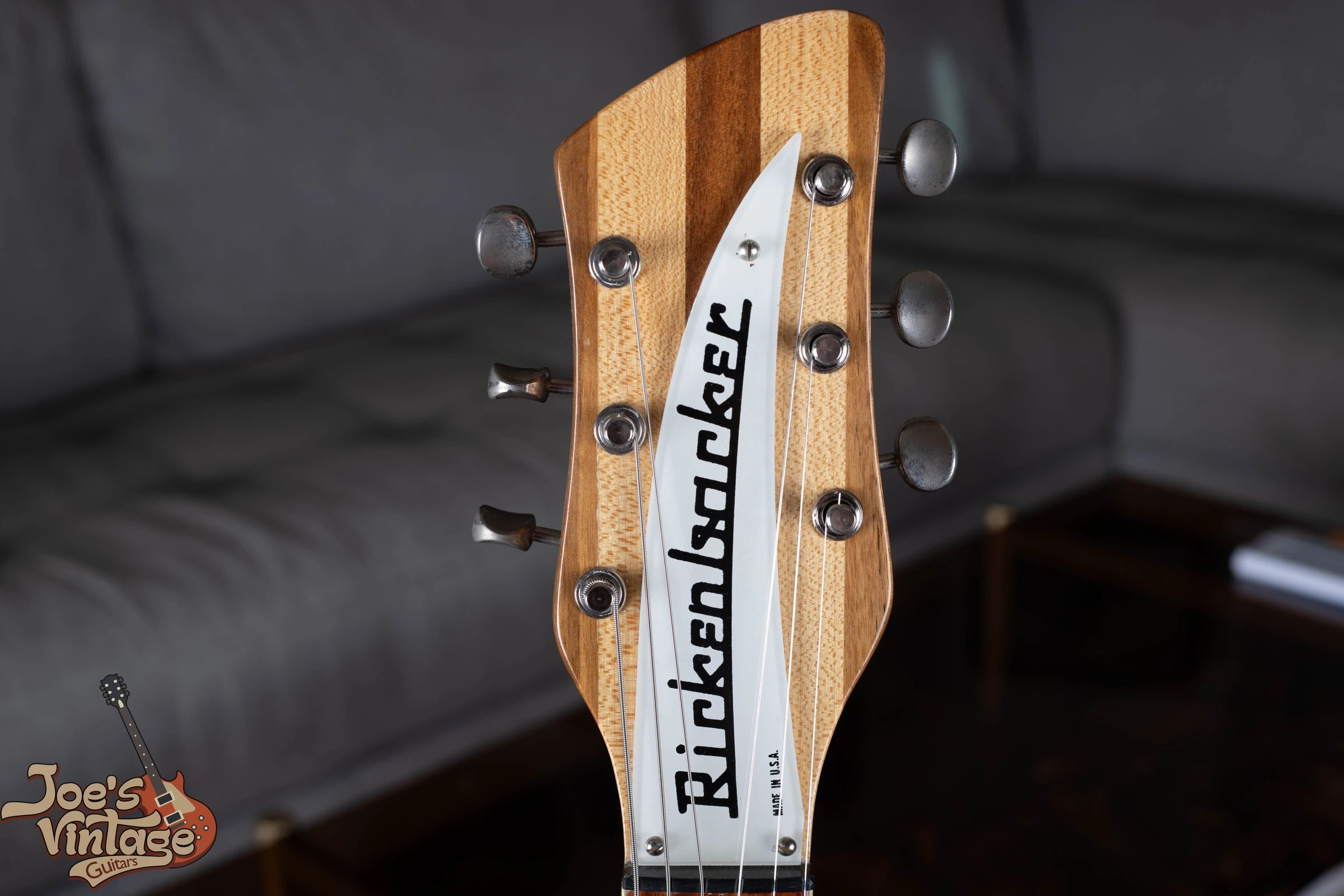
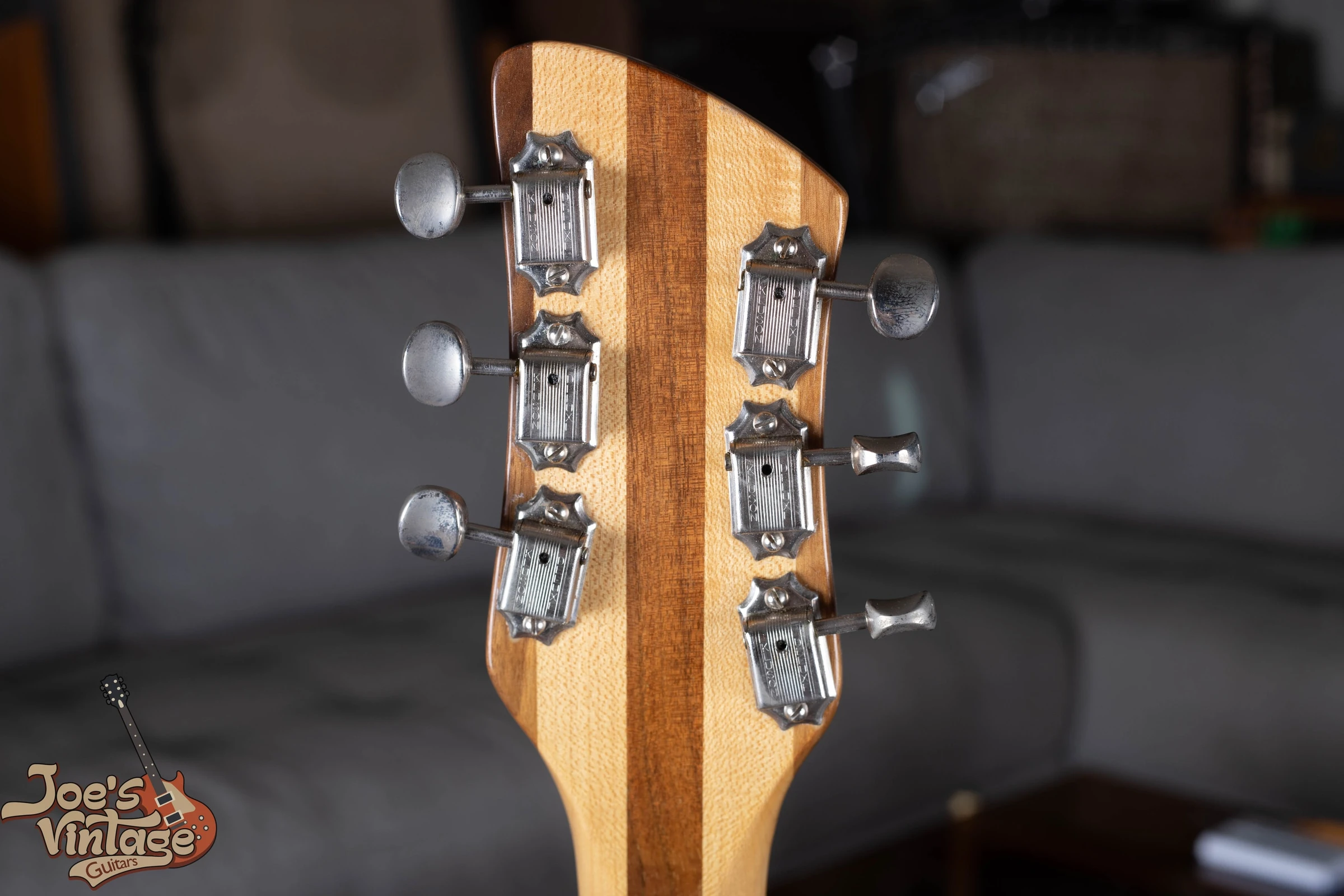
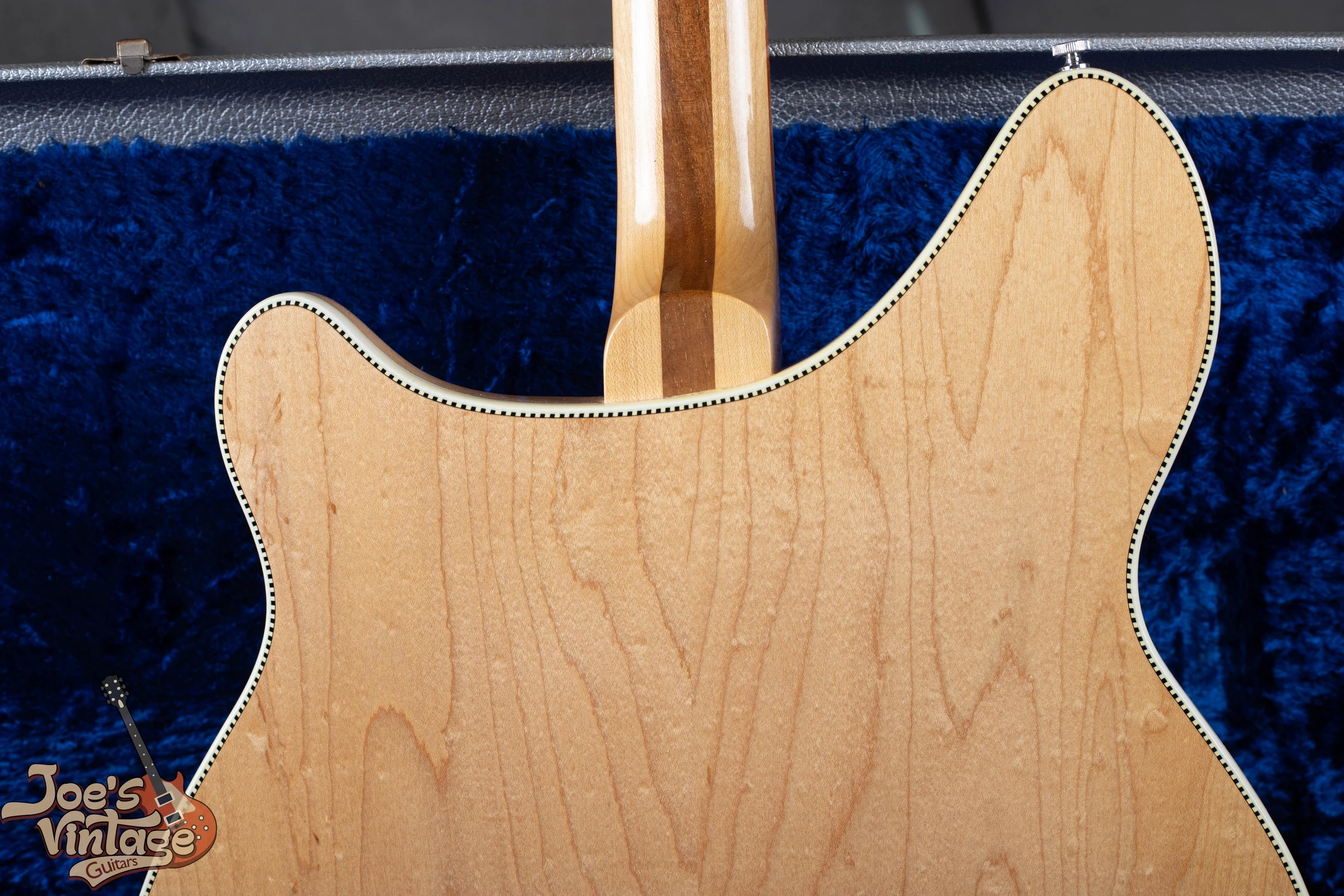
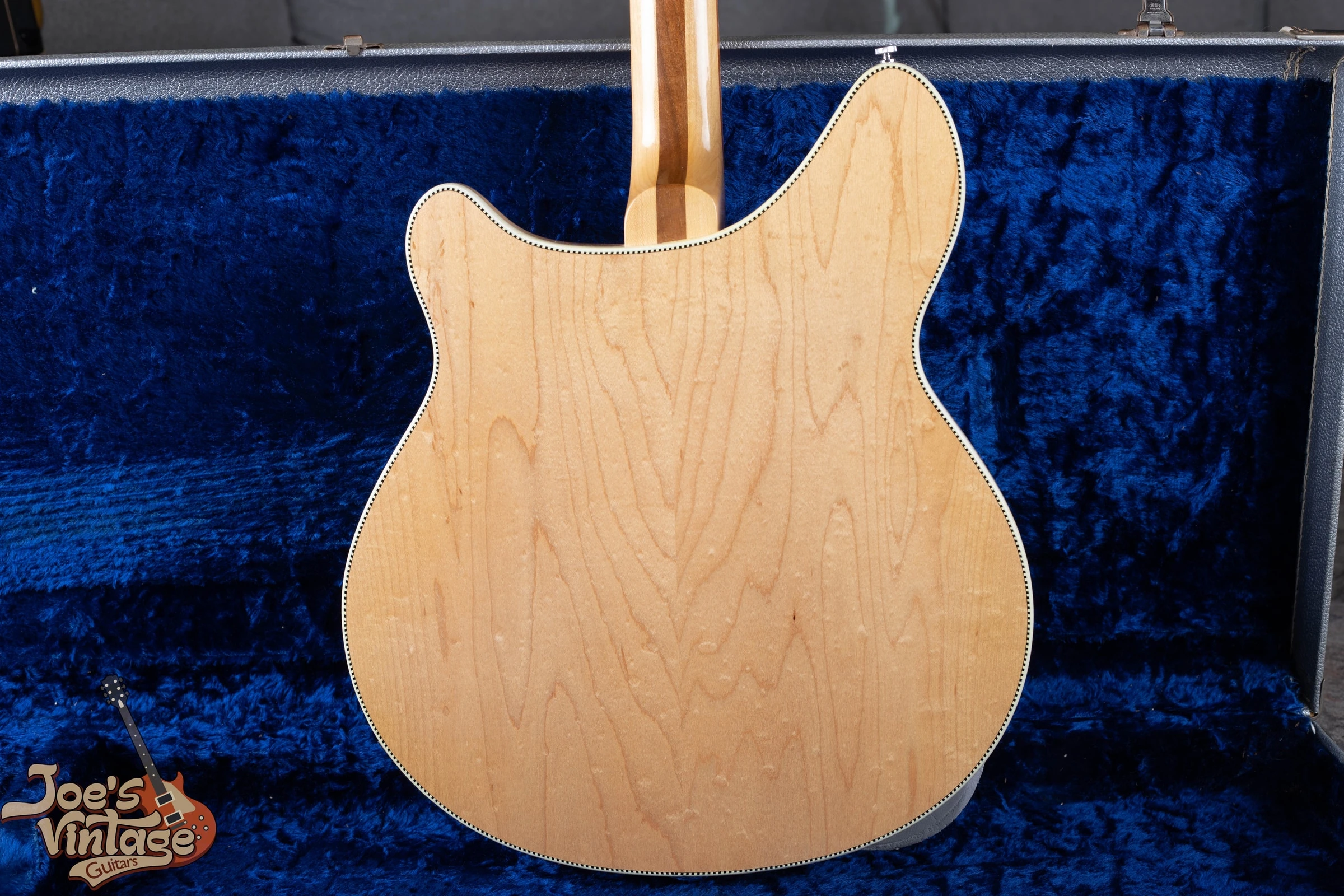
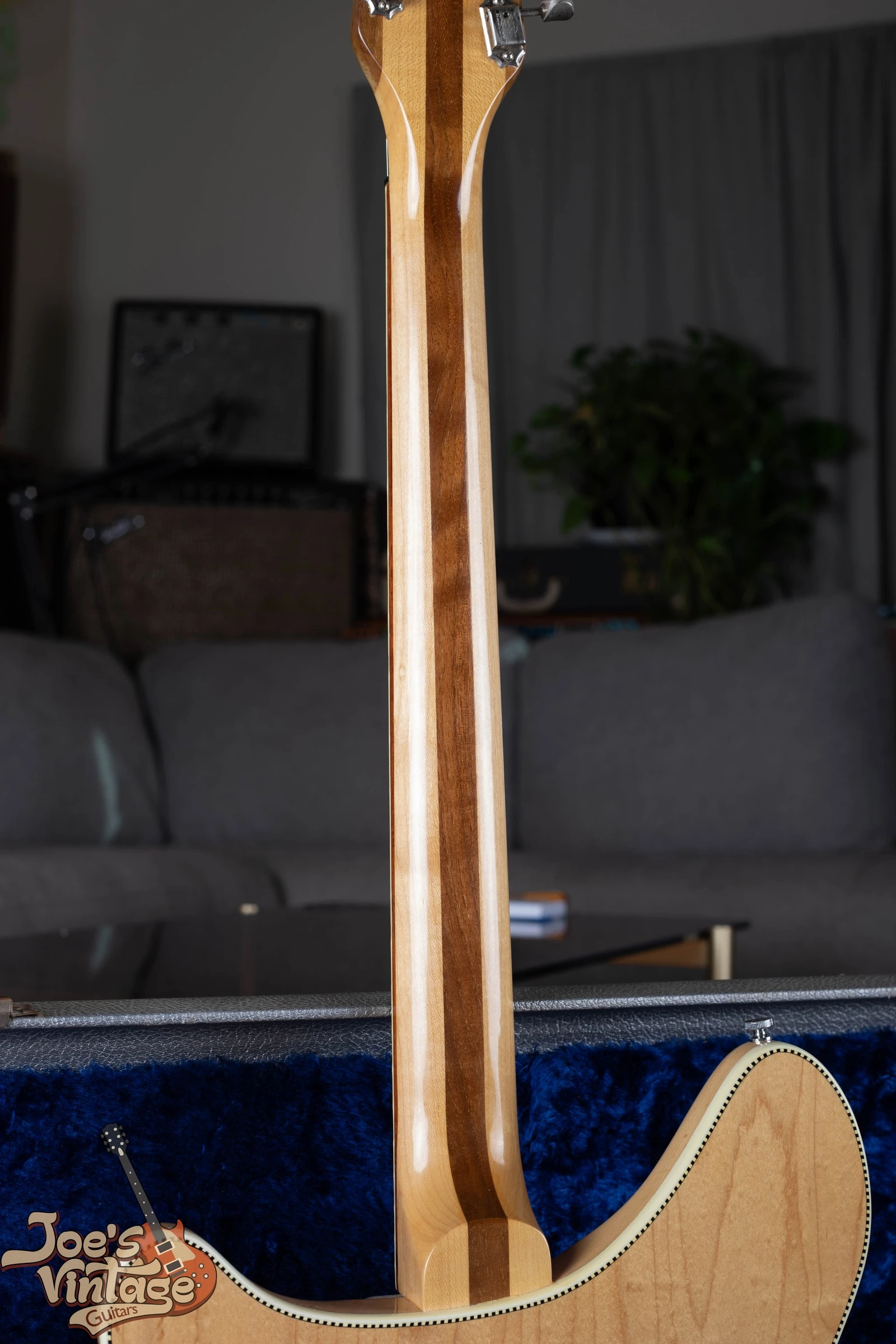
Get A Value Estimate For Your RickenbackerAbout These PhotosThe photographs show our 1960s 360, a related deluxe model. Its triangle inlays and binding are comparison details, not standard 330 specifications. Click a detail photograph to enlarge it.
Identify Before You Compare
Models And Variants
- 330 / 335
- Two-pickup family; check fixed-tailpiece versus vibrato specification.
- 340 / 345
- Three-pickup relatives; added middle pickups can imitate this layout.
- Rose Morris 1997 / 1998
- Export model numbers, not dates. Check the f-hole, configuration and supporting history.
- 330/12 / 340/12
- Twelve-string versions need the separate twelve-string inspection and value guide.
Compare Era, Pickup Count And Originality
Use a 330 comparison for a 330 and a 340 comparison for a factory three-pickup guitar. A converted 330 should carry a description of its conversion, even if it now sounds like a 340. Keep early Capri guitars, ordinary later production and documented export variants in distinct groups.
Use the chart as a starting point for an original instrument in excellent condition. A refret, changed electronics or a repaired neck can place a guitar outside that range. The 330, 335, 340 and 345 rows retain their own configurations instead of treating pickup count as a fixed dollar premium.
Put Structural Work Ahead Of Cosmetic Grading
A guitar with normal checking, buckle wear and healthy neck geometry can be easier to sell than a glossy example with a problematic neck angle. Price a proposed neck reset using an actual repair assessment and then compare with other repaired instruments. The repair bill alone does not measure the change in collector demand.
A refret, replacement nut or changed bridge can improve playability. Explain the work plainly and include the originals if retained. Routing, stripped fingerboard finish and multiple changed pickups require more explanation than a simple consumable replacement.
Keep Export Claims And Paperwork Connected
An original receipt, period photographs and a consistent serial can support a guitar’s history. They should match the instrument’s distinctive features. A loose export tag or an old case does not prove that the guitar inside originally shipped to that market.
For an offer, send the complete body, headstock, jackplate and any modification photos. If the guitar has three pickups, show the middle pickup and surrounding guard closely. If you have a twelve-string, use the separate twelve-string guide before choosing comparison prices.
From Market Value To An Offer
Start with the chart row for the correct model, years and configuration. The ranges describe estimated market value for excellent, original instruments. A direct purchase offer also accounts for condition, needed work and the time involved in preparing the instrument for its next owner.
- Confirm the model and year. Use the matching authentication guide and document the serial, construction and original configuration. Do not apply a rare-variant range before confirming that identity.
- Account for known work. Get a specific repair estimate. Do not apply a universal percentage for every refinish, neck repair or changed pickup. See the changes that affect vintage guitar value.
- Estimate your net proceeds. For a private sale, subtract actual selling fees, shipping, insurance and agreed repairs from the expected selling price. A hypothetical $4,000 sale with $400 in total costs would net $3,600; those figures illustrate arithmetic, not a fee schedule or this model’s value.
- Compare the complete offer. Include who handles packing, payment, shipping and any repairs. A direct purchase offer should be assessed on its terms and certainty as well as the dollar amount.
Use the matching authentication guide before assigning a premium for originality or an unusual version.
Photos For An Appraisal
Take unfiltered photographs in even light. Include the full front and back, both headstock faces, the entire serial or other markings, pickups, controls, bridge, neck joint and any damage. Add the measurements or model-specific views described above. Photograph the case, paperwork and removed parts separately.
You do not need to take the instrument apart for an initial review. If a detail cannot be seen, say so. A clear statement of known repairs and unknown history is more useful than an unsupported claim of complete originality.
Have A Rickenbacker To Identify Or Sell?
Send Joe your photos and any known history. We can help identify the instrument, discuss its condition and make an offer if you are ready to sell.
Related Rickenbacker Guides
Photo Credits And Scope
Photographs are from Joe’s Vintage Guitars’ instrument archive. Captions identify the actual instrument shown, including related-model and later-production comparisons. Full frames and existing watermarks are retained. A photograph of another model is not evidence of the correct construction for yours.