

Les Paul Deluxe Prices · 1969 To 1985
Gibson Les Paul Deluxe Value Guide
Goldtops, sunbursts and sparkle finishes have separate comparisons. Original pickups and unaltered cavities help determine where yours belongs.
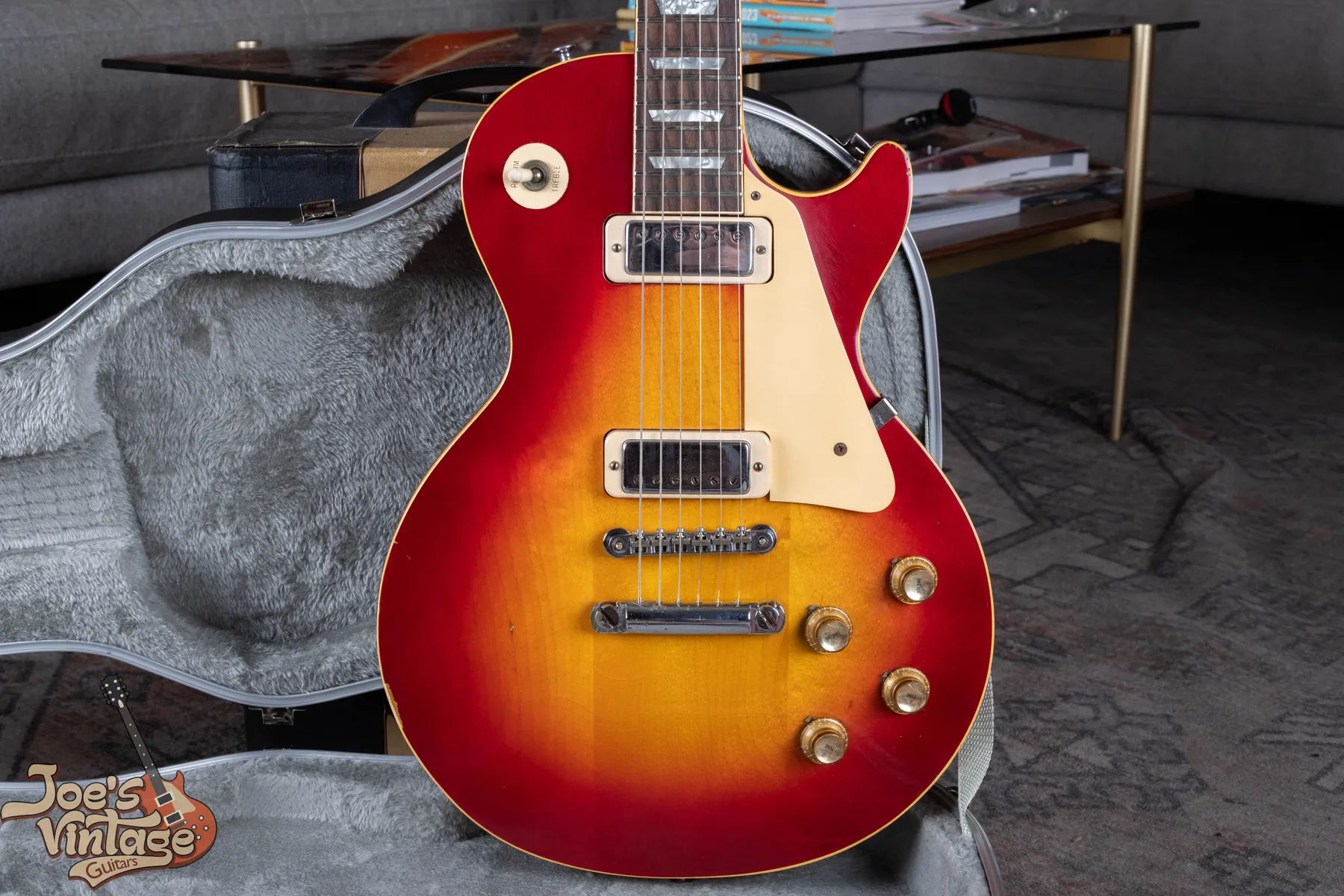
A 1969 gold-finish Gibson Les Paul Deluxe is estimated at $7,250 to $9,350, while a 1971 to 1975 sunburst example is $3,500 to $4,800 in excellent, original condition with its original case. Those figures describe different production groups. Joe’s archive guitar is a 1971 sunburst Deluxe, pictured here with mini-humbuckers. Confirm your own guitar using the Deluxe authentication guide before choosing a row.
This Is An Estimate Of Market Value, Not An Offer To Buy And Not A Guarantee. Market Values Fluctuate; Have Your Specific Item Appraised.
Excellent Original Guitars With Their Cases
Gibson Les Paul Deluxe Values By Year And Finish
| Model | Pricing Year Group | Configuration | Estimated Value |
|---|---|---|---|
| Les Paul Deluxe | 1969 | Goldtop | $7,250 to $9,350 |
| Les Paul Deluxe | 1970 | Goldtop | $6,000 to $7,750 |
| Les Paul Deluxe | 1971 to 1975 | Goldtop | $5,550 to $7,250 |
| Les Paul Deluxe | 1971 to 1975 | Natural | $3,400 to $4,700 |
| Les Paul Deluxe | 1971 to 1975 | Solid red | $3,550 to $4,900 |
| Les Paul Deluxe | 1971 to 1975 | Sunburst | $3,500 to $4,800 |
| Les Paul Deluxe | 1971 to 1975 | Wine | $3,550 to $4,900 |
| Les Paul Deluxe | 1973 to 1975 | Red Sparkle | $6,550 to $8,700 |
| Les Paul Deluxe | 1973 to 1977 | Blue Sparkle | $5,950 to $8,100 |
| Les Paul Deluxe | 1976 to 1979 | Other colors | $3,100 to $4,450 |
| Les Paul Deluxe | 1976 to 1979 | Goldtop | $4,300 to $5,600 |
| Les Paul Deluxe | 1976 to 1979 | Natural | $3,300 to $4,350 |
| Les Paul Deluxe | 1976 to 1979 | Sunburst | $3,400 to $4,450 |
| Les Paul Deluxe | 1980 to 1985 | Various colors | $3,050 to $3,900 |
U.S. dollars. These November 2026 retail market estimates assume excellent, original condition and the original case where applicable. An individual sale can fall outside the range; these figures are not purchase offers. Repairs, changed parts and market conditions require an individual appraisal.
The year bands are pricing groups. They don’t establish the first or last factory availability of every finish within a group. An early natural, wine or sparkle claim needs its own finish and date evidence before that comparison applies.
The table covers the original mini-humbucker Deluxe run. The Pro Deluxe with P-90s and later reissues require separate comparisons. Read the finish and year columns together, especially for sparkle finishes and the later 1970s groups.
Use these figures as November 2026 estimates for the stated condition. A broad range can’t settle the value of routed wood, a repaired headstock or a refinished guitar. Those details need an individual review. An appraisal estimate is also separate from a purchase offer, which depends on the actual instrument and sale arrangements.
Choose The Correct Factory Finish
Gold, Sunburst And Sparkle Finish Comparisons
Early Gold-Finish Deluxes
The 1969 gold group is $7,250 to $9,350, and the 1970 group is $6,000 to $7,750. A claimed 1969 date therefore needs support. Don’t choose that row solely because the guitar is a goldtop or because an online serial lookup returns several possible years.
1971 To 1975 Sunburst
The sunburst estimate is $3,500 to $4,800 for this group. Natural, red, wine and gold finishes have their own rows. The 1971 archive guitar provides a visual example of the sunburst configuration, but its photograph isn’t a condition appraisal of another instrument.
Red And Blue Sparkle
The 1973 to 1975 red sparkle group is $6,550 to $8,700. Blue sparkle has a 1973 to 1977 group estimated at $5,950 to $8,100. Establish factory finish before applying either comparison; a later sparkle refinish requires a different assessment.
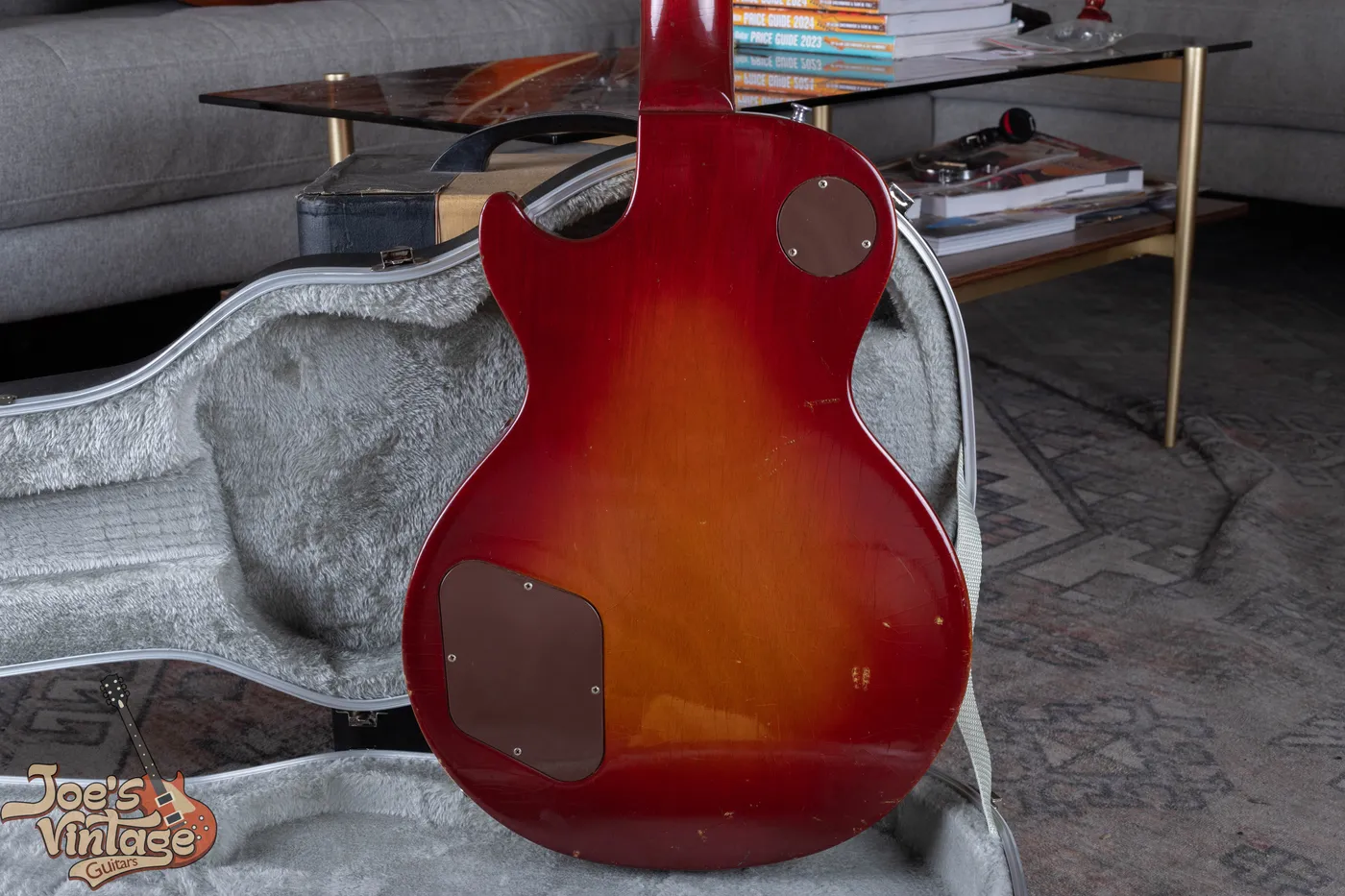
Photograph the color in natural light with the entire front visible. Add the back, neck and finish edges. Artificial lighting can make wine, red and sunburst finishes difficult to compare, while a tight crop may hide an oversprayed edge or a repair. If the finish history is documented, send that record with the photographs.
The Wood Under The Rings Counts
How Pickup Changes Affect Deluxe Value
A documented factory full-size-humbucker Deluxe needs an individual comparison outside the usual mini-humbucker chart. Confirm that possibility before treating larger pickups as a conversion. A mini-humbucker replacement and a full-size-humbucker conversion should not receive the same description. A replacement that fits the existing cavity changes the parts assessment. A conversion that removes wood also changes the body. Include both the present pickup type and any known work underneath it.
If the original mini-humbuckers are still in the case, keep them with the guitar. Photograph their visible surfaces and include any existing service records. Their presence can help an appraisal, but loose pickups still need identification and condition checks. Avoid treating the advertised price of a loose part as an automatic addition to the guitar’s value.
Read how replaced pickups affect value before planning a swap for sale. Installing vintage parts can be expensive, and a correct-looking installation doesn’t restore removed wood. Joe can first evaluate the guitar in its present state and discuss whether further work makes sense.
Disclose a restored conversion even when the current front looks original. Service photographs showing the cavity before new rings were installed are useful. If no such photographs exist, describe what you know and leave hidden details for inspection rather than removing pickups solely to produce a listing.
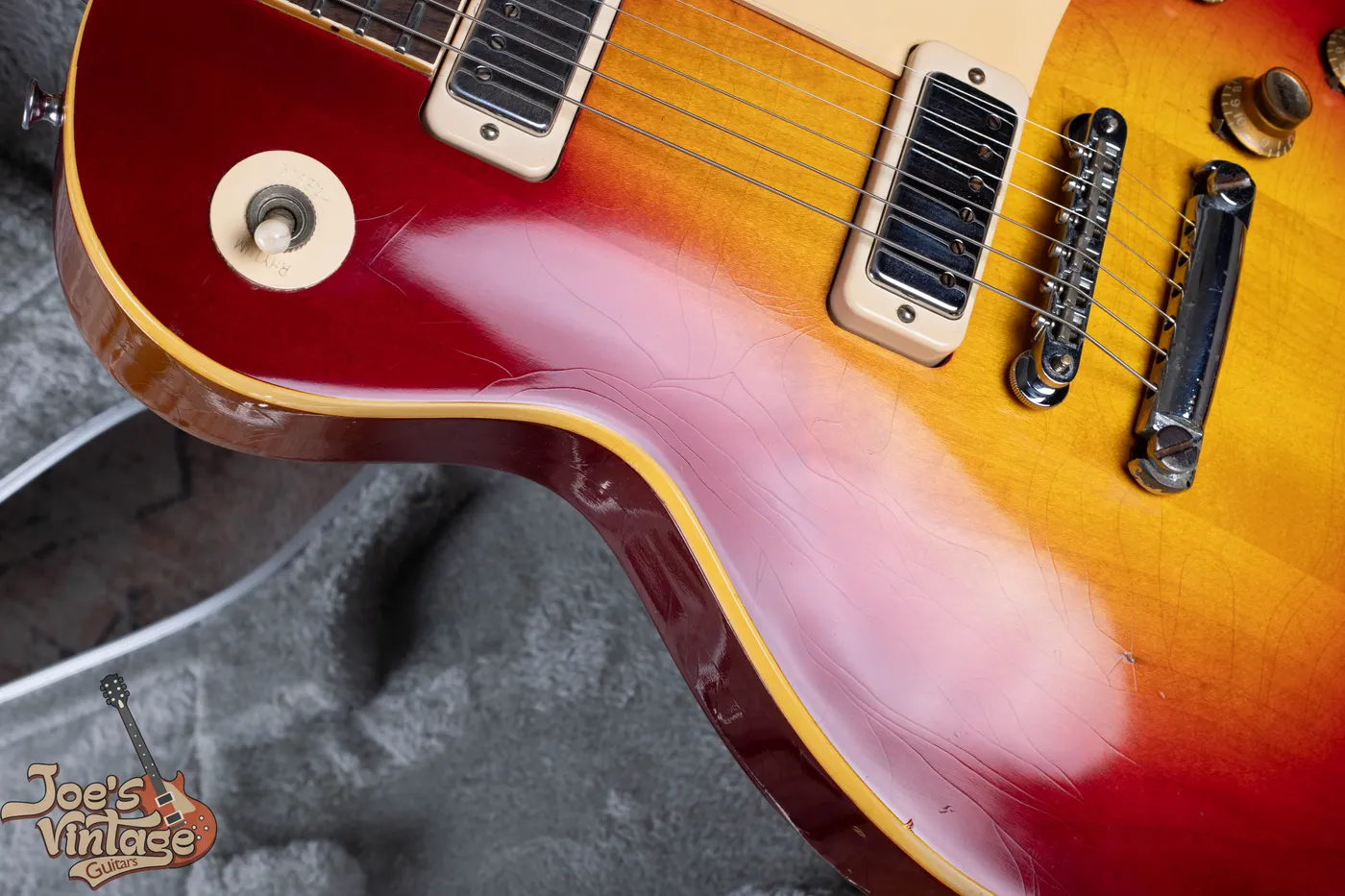
A Deluxe appraisal needs the pickup installation and the body condition, along with its year and finish.
Assess The Whole Condition
Headstock Repairs, Finish Work And Wear
A Repaired Headstock
Show the repair from the rear and both sides. Include its date and any repair invoice. Stability, workmanship, finish work and the rest of the guitar all affect the assessment, so a single fixed deduction isn’t applied to every repaired Deluxe.
Refinish Or Overspray
State which surfaces were worked on. A complete refinish, a neck repair with touch-up and a small finish repair are different conditions. The natural-finish row isn’t appropriate for a goldtop that was stripped later.
Fret And Neck Condition
Report worn frets, buzzing, high action or a known truss-rod problem. A refret may be useful for playing, but its quality and any fingerboard alteration belong in the appraisal. Send an ordinary side view before commissioning work for the sale.
The condition and value guide explains how changes interact. Routing, a refinish and replacement pickups can be related to the same past conversion. Adding three guessed deductions can misrepresent the resulting guitar. Describe the work as a whole so the estimate reflects the instrument a buyer would receive.
Normal playing wear also needs context. Belt wear on the back is visible in a different way from a repaired neck crack, and clean hardware doesn’t cancel either. Include broad views before close-ups so Joe can see the amount and distribution of wear.
1976 Through 1985
Valuing A Later Original-Run Deluxe
The 1976 to 1979 gold group is $4,300 to $5,600, while the same period’s sunburst group is $3,400 to $4,450. The 1980 to 1985 various-finish group is $3,050 to $3,900. Keep the date and finish together when moving between these rows.
A later guitar can be a strong playing instrument while belonging to a different collector comparison from a 1969 goldtop. Measure and describe its actual condition: neck function, frets, working controls, bridge adjustment and any changed hardware. A broad label such as “all original” needs supporting pictures and a known history.
The case and retained parts should travel through the appraisal with the instrument. Photograph the case inside and out, including handle and latches. A later protective case may be useful for transport, but it’s different from the original case assumed by the chart. Tell Joe which one is present before discussing shipment.
Photographs Before Restoration
Prepare Your Deluxe For An Appraisal
Confirm The Production Group
Send the full serial format, headstock, rear neck and body rim. A family purchase story can add context, but the model and date need support from the guitar itself.
Record Every Known Modification
Include pickup changes, enlarged cavities, bridge substitutions and tuner work. Keep removed parts together and identify which ones you know came from this guitar.
Show The Finish And Repairs Clearly
Use even light for the full front and back, then take closer views of repaired areas. Mention uncertain finish history without attempting to improve the surface for the photographs.
Before paying for new pickups, plating or a cosmetic restoration, review whether to restore a guitar before selling. An initial assessment of the current instrument can help avoid work that costs more than it contributes to the sale. Preserve invoices and older photographs if the work has already been completed.
Joe can review the pictures for a free appraisal and discuss a direct sale through the Gibson selling page. Include your location and the case situation so the next step can be planned around the actual guitar.
For a Deluxe stored with several other Les Pauls, keep each case, bridge and pickup set associated with the correct instrument. Similar hardware can be exchanged inadvertently during a move. Label separate bags using the guitar’s known identity and photograph their contents before packing. If the connection between a loose part and the guitar is uncertain, say so in the inventory rather than presenting the part as proven original equipment.
Send The Evidence
Get A Les Paul Deluxe Appraisal
Send the year evidence, finish photographs and modification history. Include the original mini-humbuckers if they are stored separately.
Questions AboutGibson Values
What Is A 1970 Gibson Les Paul Deluxe Worth?
Does Routing For Humbuckers Affect Deluxe Value?
Are Sparkle-Finish Deluxes Priced Separately?
The Last Word
A Value For Your Guitar
Use the row that matches the verified date and factory finish, then describe the guitar’s present condition. If its identity remains uncertain, begin with the Deluxe authentication guide.
This Is An Estimate Of Market Value, Not An Offer To Buy And Not A Guarantee. Market Values Fluctuate; Have Your Specific Item Appraised.