

Gibson Johnny Smith Identification · JS And JSD
Gibson Johnny Smith Authentication Guide
The Johnny Smith combines X-bracing beneath a carved top with a 25-inch scale and floating pickups. That combination distinguishes it from Gibson’s other archtops.
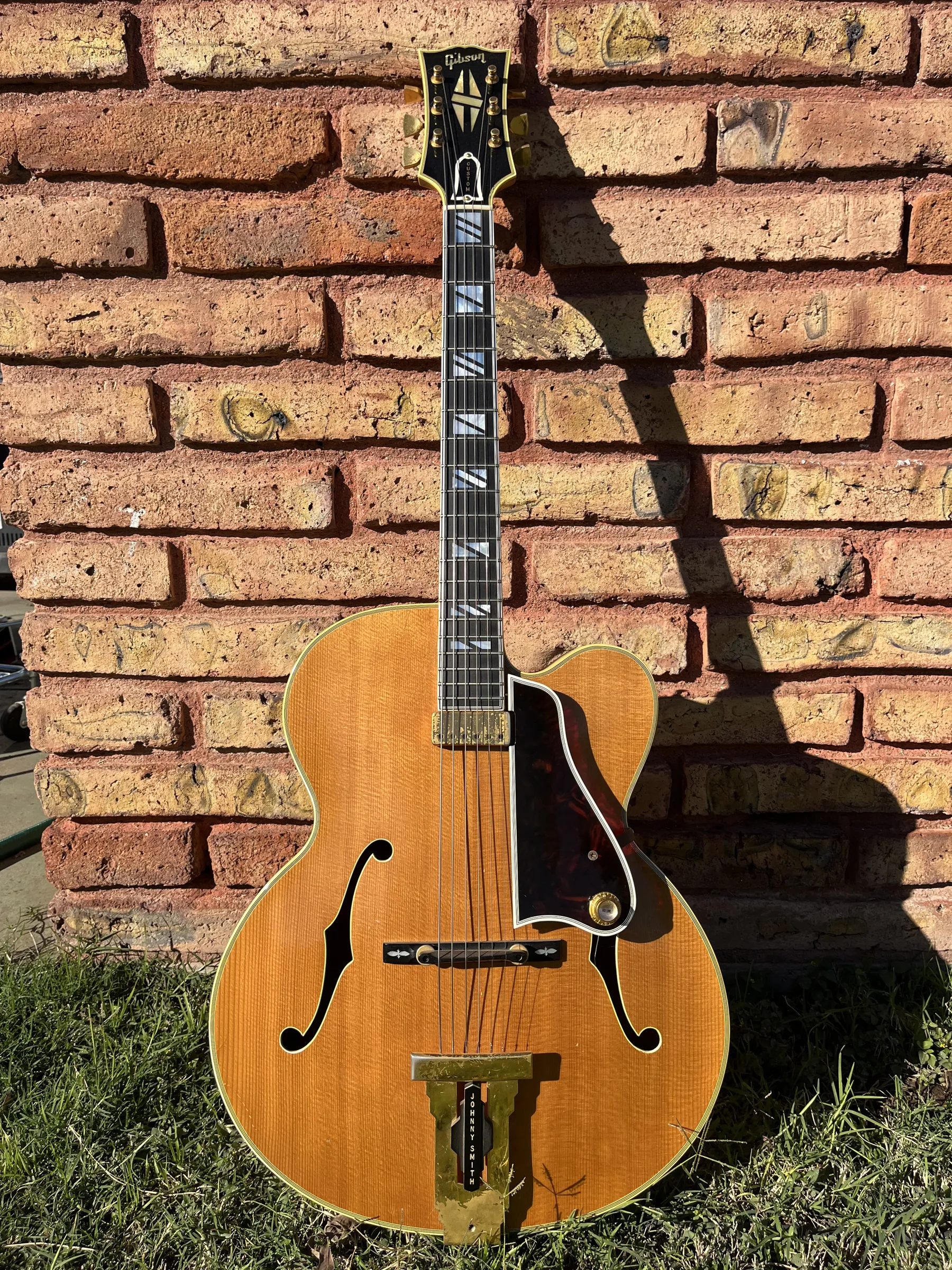
Ted McCarty’s visit led Johnny Smith to draw plans based on his D’Angelico. Gibson introduced the resulting model in 1961 and added the two-pickup Double in 1963. It remained in the line through 1989, when Smith transferred his name to Heritage. A carved 17-inch body, floating pickups and a 25-inch scale belong to every example. Joe’s 1970 below shows a factory second with some changed equipment. You’ll find estimates in the Johnny Smith pricing guide.
Authenticity And Originality Are Assessed From The Information Provided. A Hands-On Inspection Can Change The Conclusion.
Top, Scale, Pickups And Hardware
What Makes A Gibson Johnny Smith
A Carved, X-Braced Top
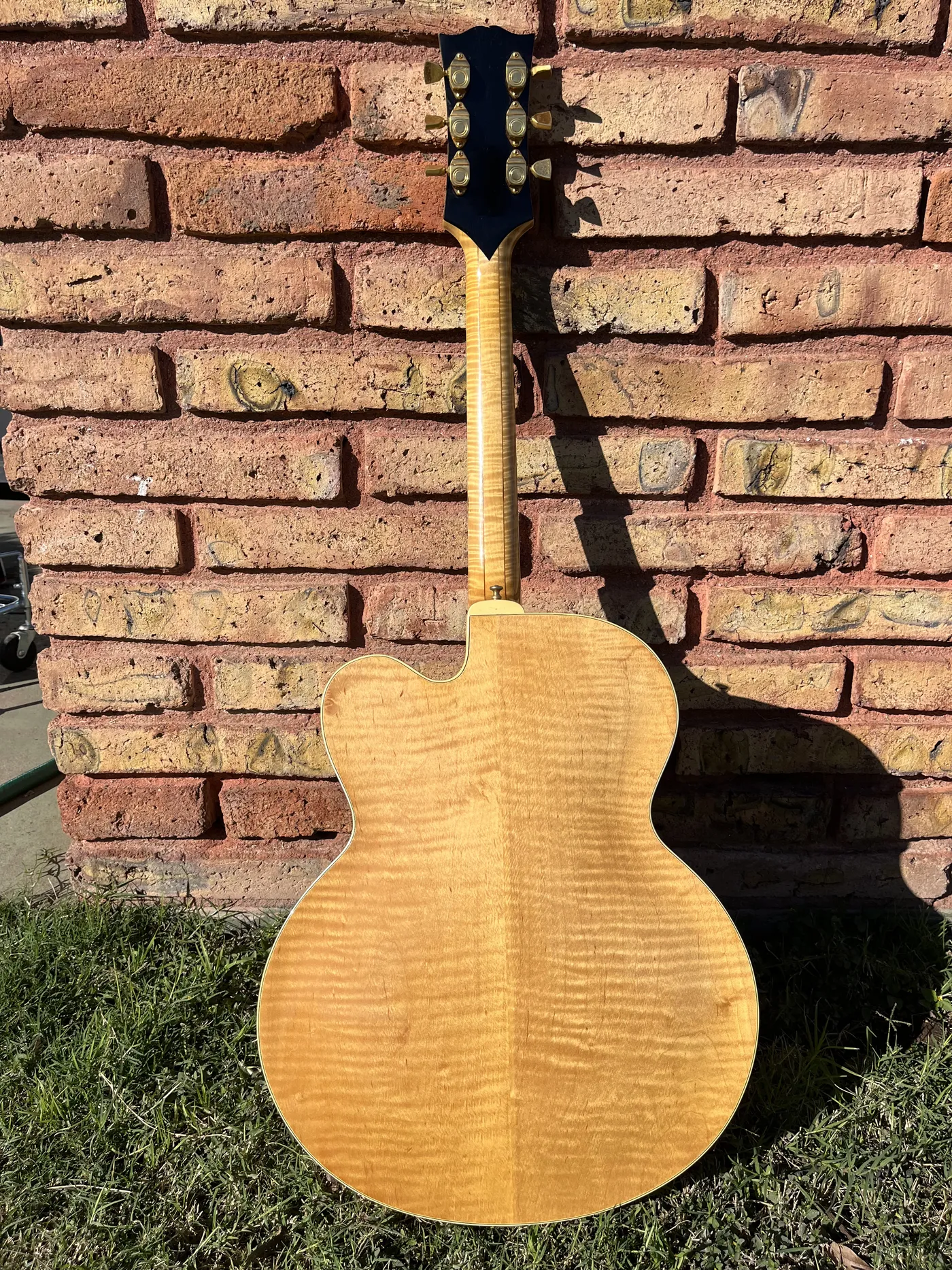
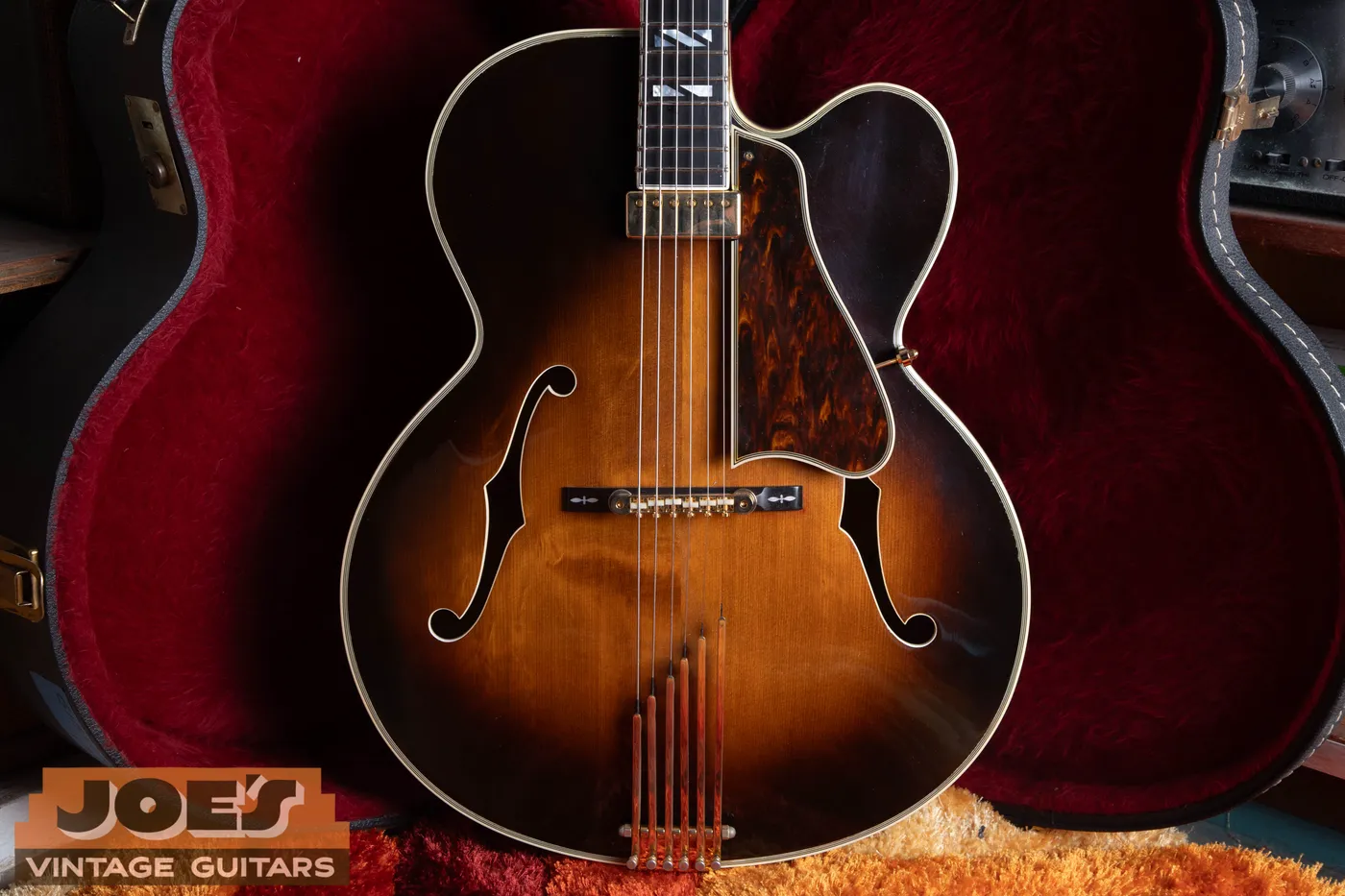
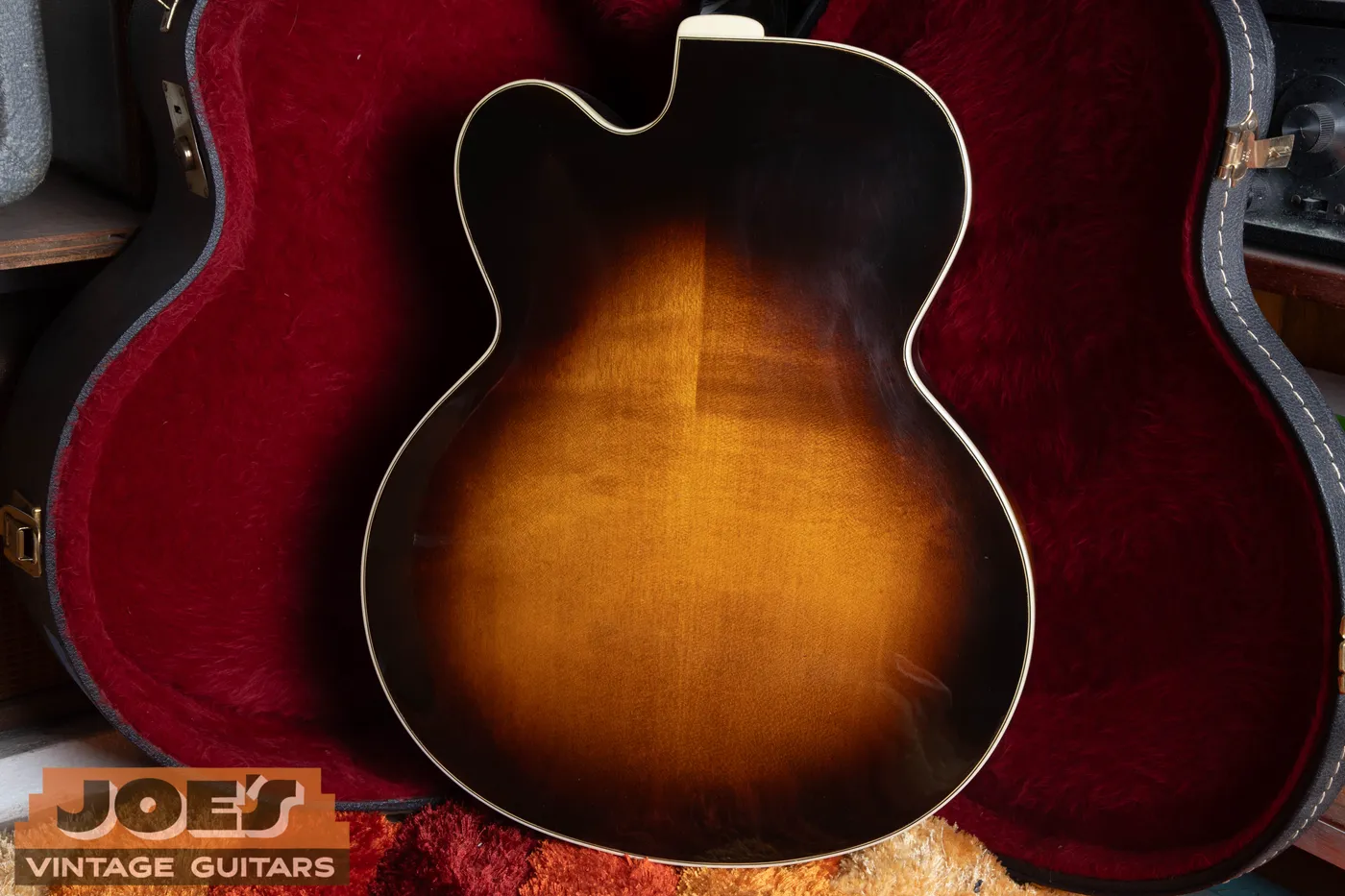
Solid spruce is carved and X-braced for the top; most other Gibson archtops have parallel tone bars. Figured maple is carved for the back, with maple forming the sides. There’s a rounded cutaway in the 17-inch-wide body, which measures about 3 1/8 inches deep.
A 25-Inch Scale
At 25 inches, it’s a shorter scale than the 25½ inches used by the Super 400 and L-5. The Super 400 supplies the pattern for both the headstock and the pearl split-block markers in the ebony fingerboard.
Floating Pickups
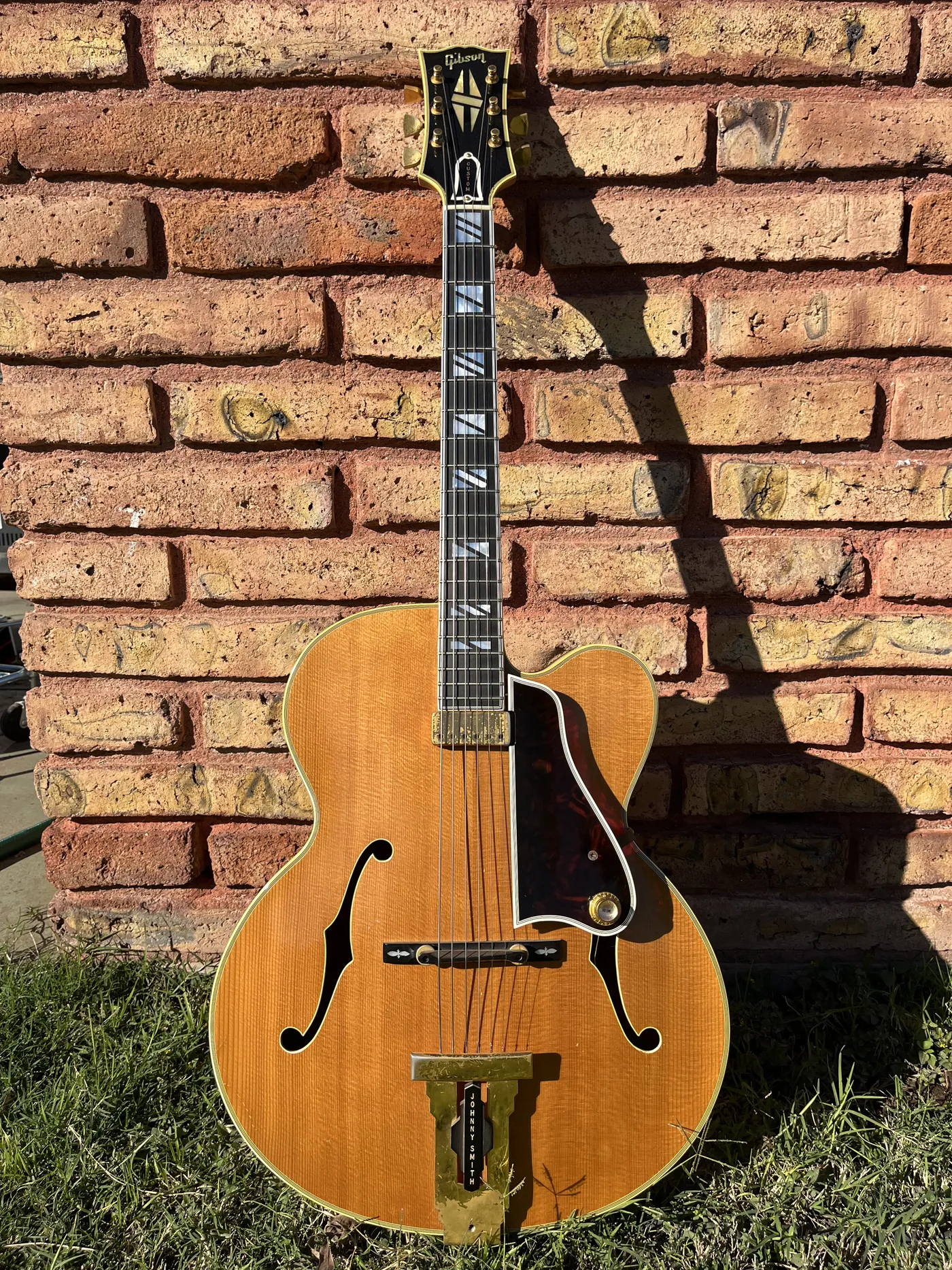
Gibson first used mini-humbuckers on the Johnny Smith. Attachment to the neck and guard leaves the top without pickup cuts. The single-pickup version carries its volume and jack on the guard.
Gold Hardware
An adjustable ebony bridge accompanies gold-plated hardware. The named Johnny Smith tailpiece follows an L-5CES pattern. Published examples show Sealfast tuners from Kluson.
Double the measurement between the nut’s front edge and the middle of fret 12. A result near 25 inches suggests a Johnny Smith; near 25½ inches suggests another model, including the Super 400 or L-5.
With a light through an f-hole, check for the model’s X-bracing if it’s visible. Binding is substantial too. A documented 1962 has seven layers around the top, bound f-holes and multiple layers around its guard.
One Pickup Or Two, Sunburst Or Natural
Johnny Smith Or Johnny Smith Double
| Model | Pickups | Finishes | Ledger Shipments |
|---|---|---|---|
| Johnny Smith | One floating pickup | Sunburst or natural | 963, 1961 to 1979 |
| Johnny Smith Double | Two floating pickups | Sunburst or natural | 625, 1963 to 1979 |
As you count pickups, you’ll also need to inspect the controls. On a single-pickup example, the guard holds the jack and volume. A Double adds another pickup with its controls. Empty mounting holes on the guard or neck end can reveal an earlier pickup position.
According to Joe’s shipping-ledger reference, natural accounts for the smaller share: 112 Doubles and 209 single-pickup guitars. The factory finish choices were limited to natural and sunburst. Another color means the guitar has been refinished.
A Factory Second With An Unusual Serial
Joe’s 1970 Johnny Smith
1970 Gibson Johnny Smith
Original Body, Replaced Pickup, Guard And Tailpiece
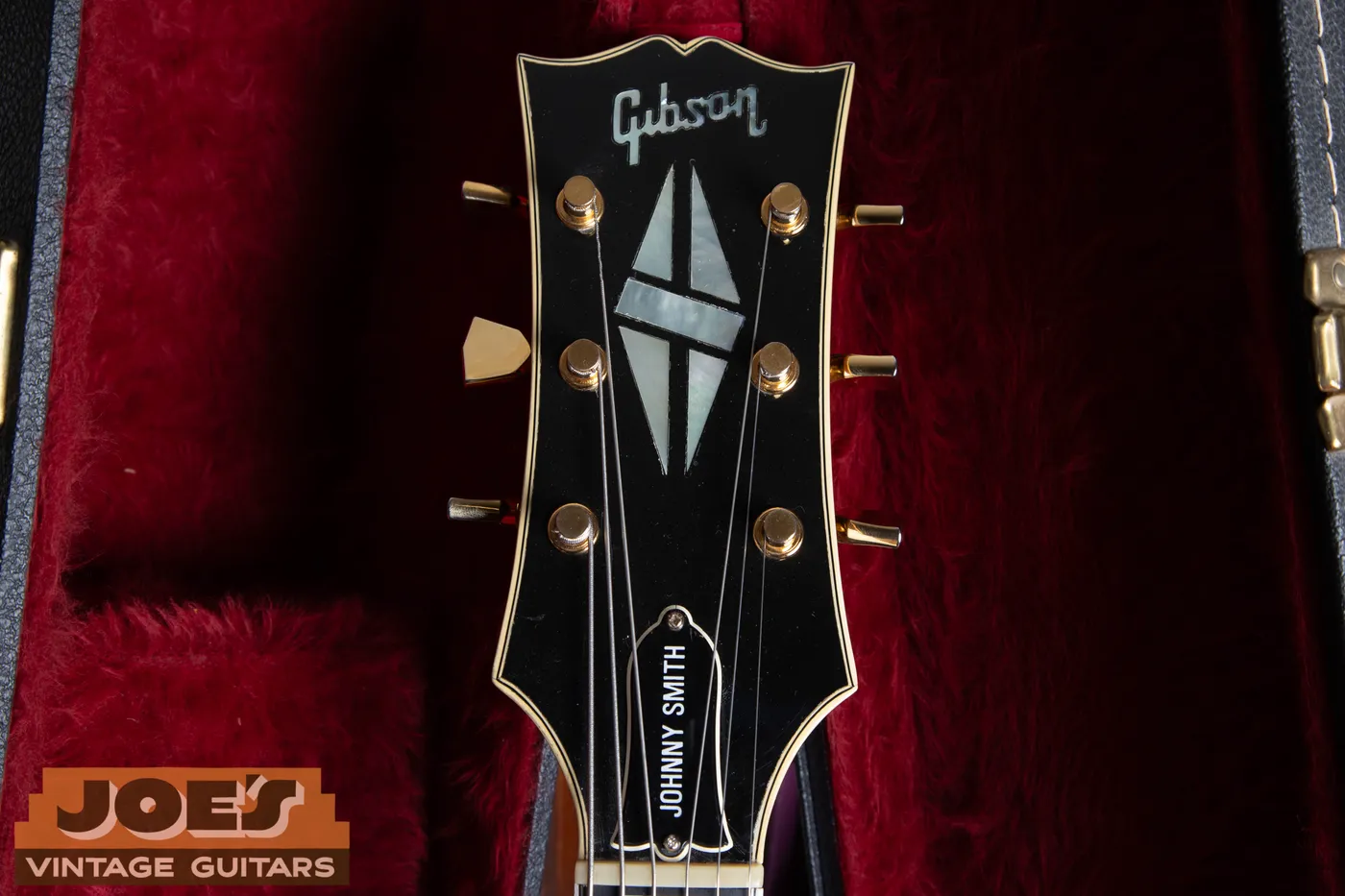
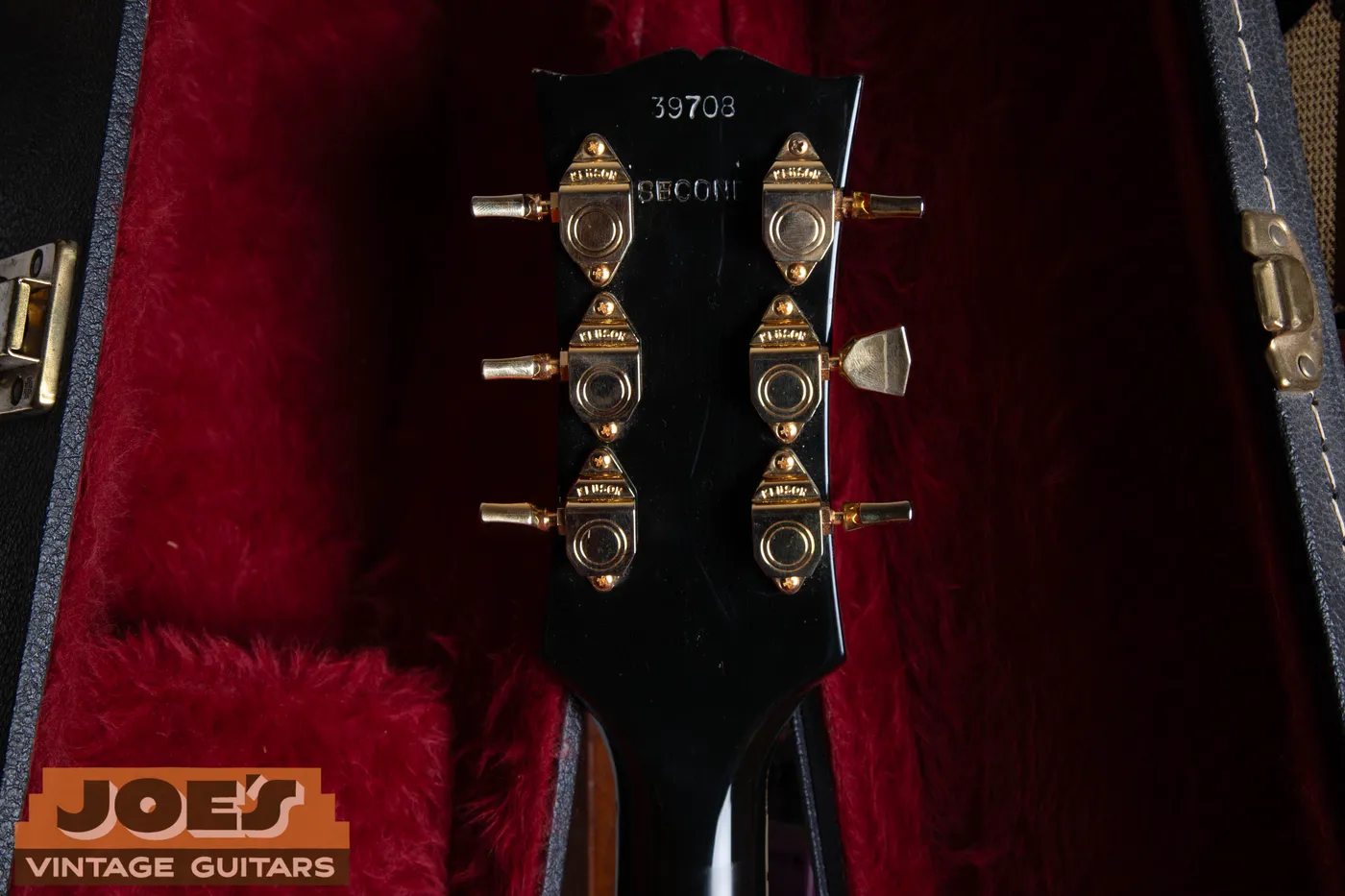
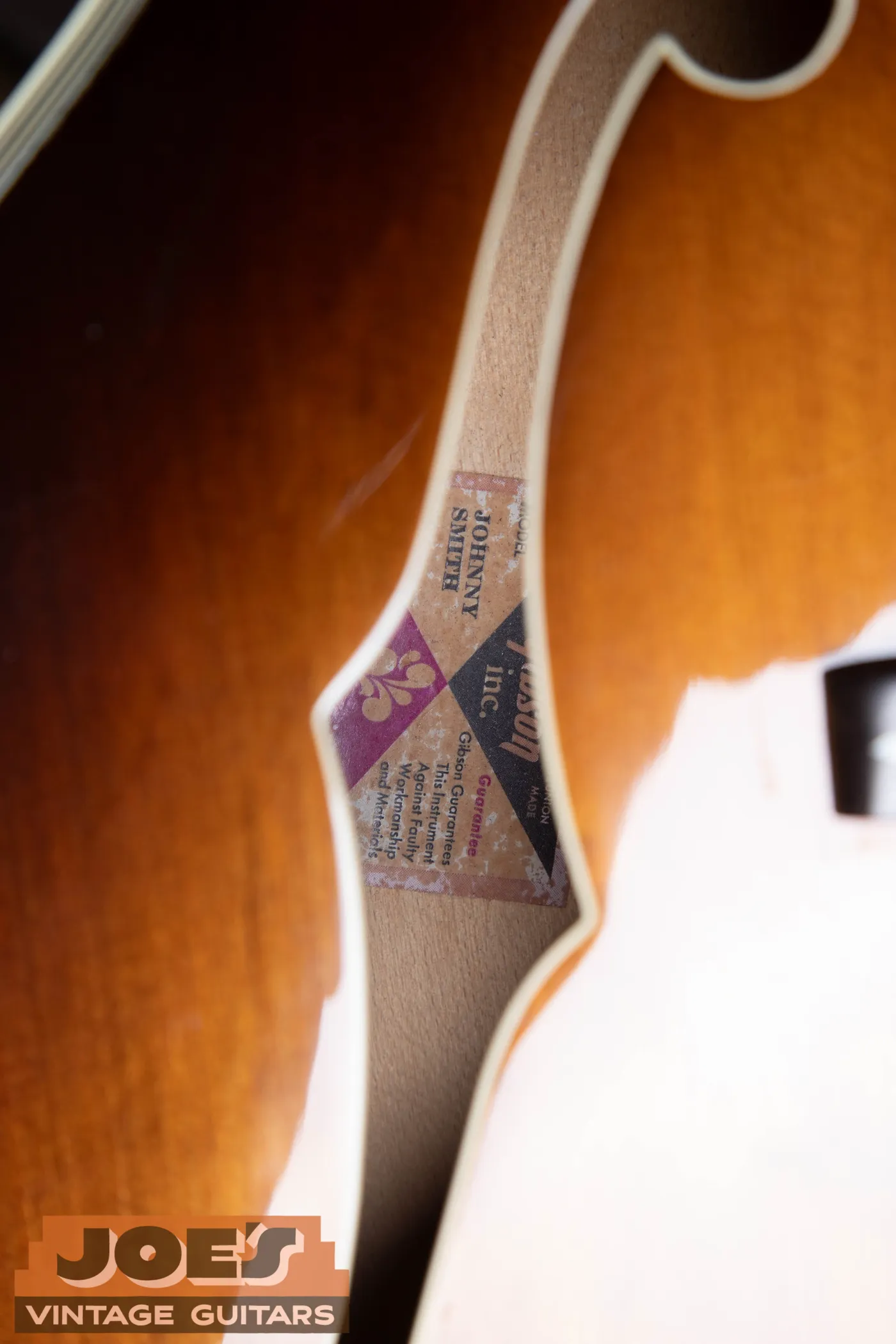
The label and build of Joe’s example point to 1970. Its Gibson Inc. label names Johnny Smith, and the peghead shows a split diamond and a Johnny Smith truss rod cover. Beside the gold Klusons, the serial reads 39708, with SECOND underneath. That number falls outside the expected pattern for the period.
Joe believes a 1970 build completed later may explain the unusual number. A Howard Roberts fingers-style unit replaces the named Johnny Smith tailpiece, while the guard is a replacement and the pickup a Lollar. It’s structurally sound, plays exceptionally well and came with its factory case.
Labels And Serial Formats
Dating A Johnny Smith
Impressed Serials, No USA Stamp
Check behind the headstock for an impressed number. An orange oval label appears on a documented 1962. Because Gibson repeated number ranges during the 1960s, a serial may correspond to several years.
MADE IN U.S.A. Stamp
Beginning in 1970, MADE IN U.S.A. appears beneath Gibson serials. It distinguishes the period when a six-digit 1970s number also falls within a 1960s range.
Eight-Digit Decals
The decal prefixes correspond to years: 99 for 1975, 00 for 1976, and 06 for 1977.
Eight-Digit Impressed Serials
Read the year by combining the first digit with the fifth. Reports indicate that some hand-built archtops retained earlier numbering styles into the late 1970s.
Compare the number with the Gibson serial reference, then reconcile it with the hardware and label design. Joe’s 1970 has a five-digit number outside the usual ranges. A mismatch alone doesn’t undermine identification when the construction and label support the guitar.
What A 2 Or SECOND Means
Reading A Factory Second Stamp
Seconds were sold with a headstock-back mark: a little 2 near the top or SECOND, as seen on Joe’s 1970. According to a former Gibson finish worker, 2 often indicated a return to the paint booth. Some factory seconds were sold to employees.
Usually the factory had found a cosmetic fault. Keep the stamp intact and disclose it as part of the instrument’s factory history. Assess its playing qualities and structural condition directly.
What To Question On A Johnny Smith
Replaced Parts And Look-Alikes
Aftermarket Pickups
Replacement units from Lollar and other makers fit the factory Johnny Smith mount. Check the cover and mounting parts against an original example with documentation.
Guards And Jacks
A newer guard is a common change. Some owners have also substituted a standard jack for the small factory jack. Inspect for added holes and fresh solder.
Tailpieces
Smith’s name should appear on the factory tailpiece. A piece without that identity is replacement equipment.
Copies And Later Guitars
Establish the maker using the serial, headstock and label. Ibanez’s 1970s copy was the 2461; Heritage produced a Johnny Smith after 1989. Gibson later followed the design with the LeGrand.
Inspect the finish as well as the parts. Look for overspray on the binding and compare neck and back color with the top. Read the condition and value reference for the treatment of repairs and replacements.
Photos Joe Needs To Identify Yours
Build A Johnny Smith Identification Record
Front, Back And Side
Take daylight views of the full instrument, including a side photograph looking across the bridge.
Pickups, Guard And Tailpiece
Photograph the tailpiece, the edges around the guard and the pickup’s attachment points.
Headstock, Serial And Label
Include the peghead face and its reverse with all serial markings and stamps visible. Add the label seen through the f-hole.
Scale Length
Send the distance you’ve measured between the nut and fret 12 so the scale can be checked.
Send The Evidence
Ask Joe To Identify Your Johnny Smith
Send the photos above. Joe can confirm the model, the likely year and which parts are original.
Where These Details Come From
Johnny Smith Identification Sources
- Vintage Guitar: The Gibson Johnny Smith
George Gruhn on the model’s origin, construction and finishes.
- Premier Guitar: Johnny Smith’s Fine-Tuned Signature
Body, bracing, the Double and the Guild Johnny Smith Award.
- Guitar World: The Epiphone And Gibson Mini-Humbucker
The Johnny Smith as the first Gibson with mini-humbuckers.
- ES-335.com: That Little 2 On The Headstock
Factory second stamps.
- Gibson Shipping Totals, 1948 To 1979
Johnny Smith and Johnny Smith Double ledger figures.
Questions AboutGibson Identification
How Do I Know My Johnny Smith Is A Gibson?
What Does SECOND Stamped On The Headstock Mean?
Did The Johnny Smith Come In Colors Other Than Sunburst?
When Was The Gibson Johnny Smith Made?
The Last Word
Keep The Evidence Together
Match the top, pickup arrangement and scale, and assess the label alongside its serial. Record replacements before using the Johnny Smith value chart.
Authenticity And Originality Are Assessed From The Information Provided. A Hands-On Inspection Can Change The Conclusion.