

Gibson Johnny Smith Prices · Single And Double Pickup
Gibson Johnny Smith Value Guide
Collectors pay most for the first years of the 1960s. On later guitars, factory pickups, guards and tailpieces help determine where an example falls within its price range.
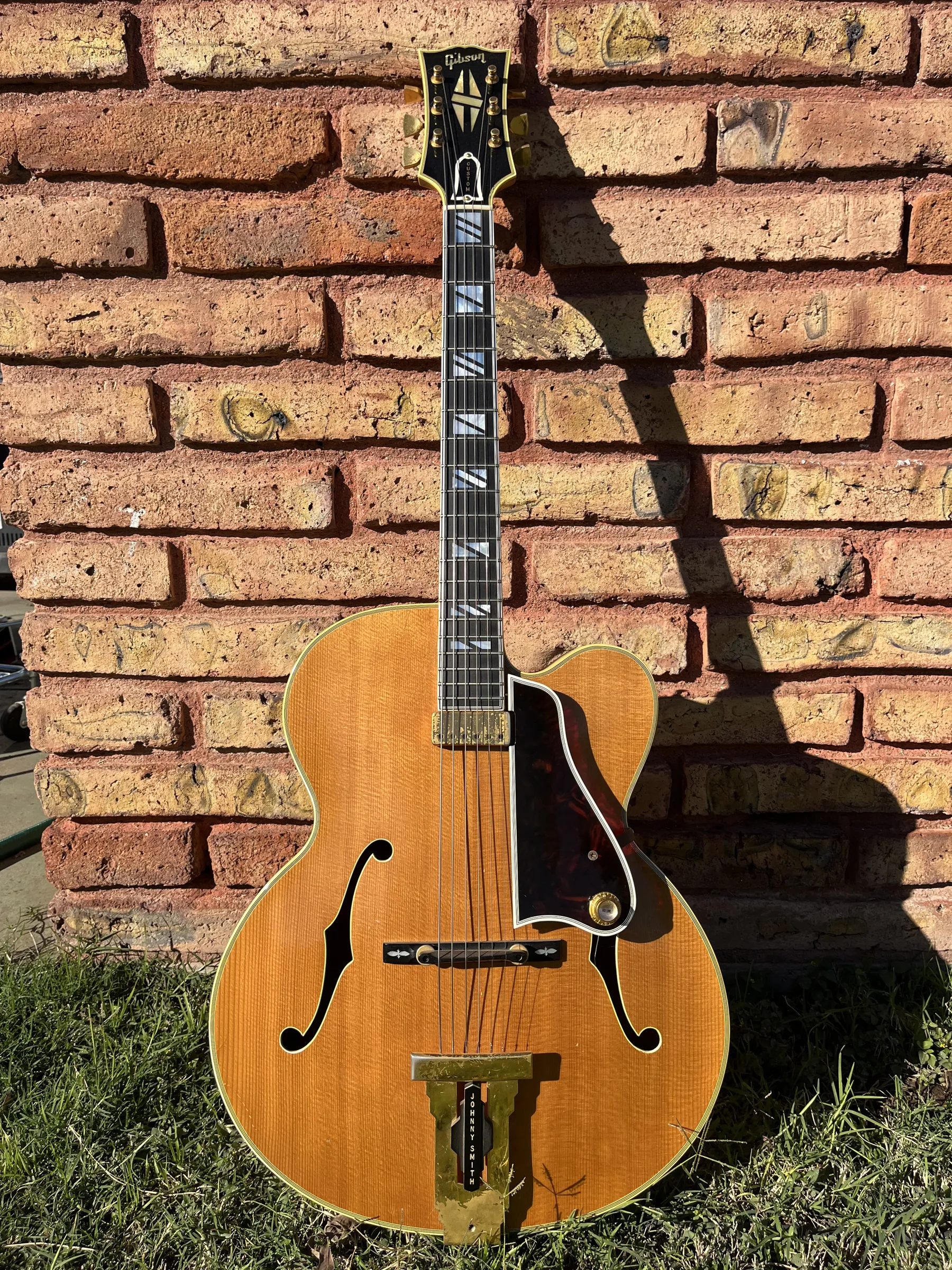
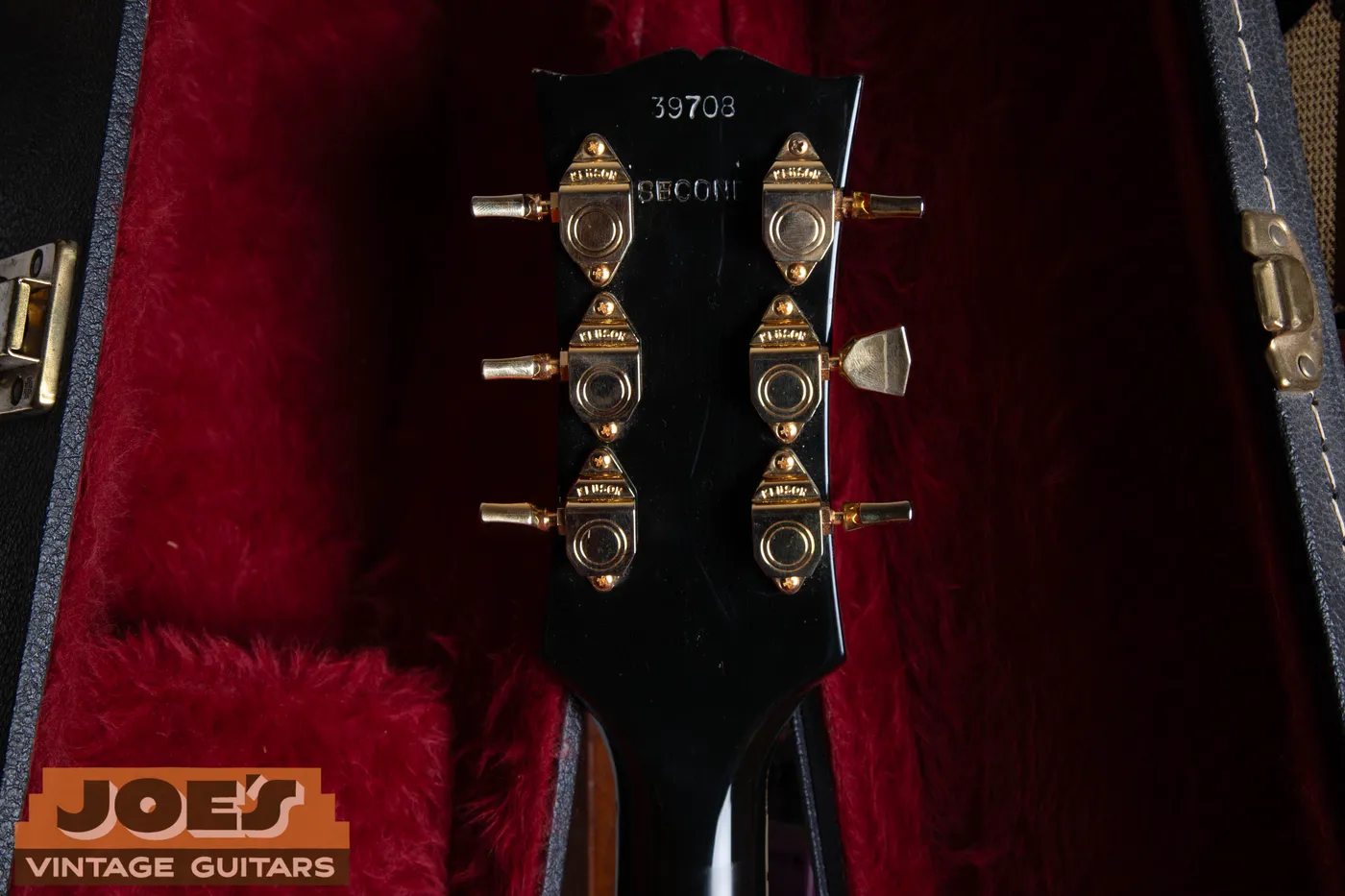
The estimate for 1961 to 1964 is $11,900 to $14,950, compared with $6,450 to $8,600 for 1970 to 1989. Each assumes an excellent Johnny Smith with entirely original equipment and its original case. Sunburst and natural finishes share these rows, as do the single-pickup model and the Johnny Smith Double with two pickups. Joe’s 1970, pictured below, carries a factory-second stamp and replacements for its guard, pickup and tailpiece. Before selecting a comparison, establish the equipment with the Johnny Smith identification reference.
This Is An Estimate Of Market Value, Not An Offer To Buy And Not A Guarantee. Market Values Fluctuate; Have Your Specific Item Appraised.
Excellent Original Guitars With The Original Case
Johnny Smith Values By Year
| Model | Pricing Year Group | Configuration | Estimated Value |
|---|---|---|---|
| Johnny Smith And Johnny Smith Double | 1961 to 1964 | One or two floating pickups; natural or sunburst | $11,900 to $14,950 |
| Johnny Smith And Johnny Smith Double | 1965 | One or two floating pickups; natural or sunburst | $7,500 to $9,700 |
| Johnny Smith And Johnny Smith Double | 1966 to 1969 | One or two floating pickups; natural or sunburst | $7,100 to $9,300 |
| Johnny Smith And Johnny Smith Double | 1970 to 1989 | One or two floating pickups; natural or sunburst | $6,450 to $8,600 |
U.S. dollars. These November 2026 retail market estimates assume excellent, original condition and the original case where applicable. An individual sale can fall outside the range; these figures are not purchase offers. Repairs, changed parts and market conditions require an individual appraisal.
For 1965 the estimate is $7,500 to $9,700; for 1966 to 1969 it’s $7,100 to $9,300. A natural finish or a second pickup doesn’t select a different guide row. Sunburst, natural, single-pickup and Double examples are grouped together, with those distinctions assessed during the individual appraisal.
The figures represent November 2026 retail estimates for excellent examples retaining all factory parts and their original cases. Purchase offers require their own assessment. Structural repairs, refinishing or replacement of the pickup, tailpiece or guard call for an individual valuation.
The First Years Of A Carved Archtop
Why 1961 To 1964 Leads The Chart
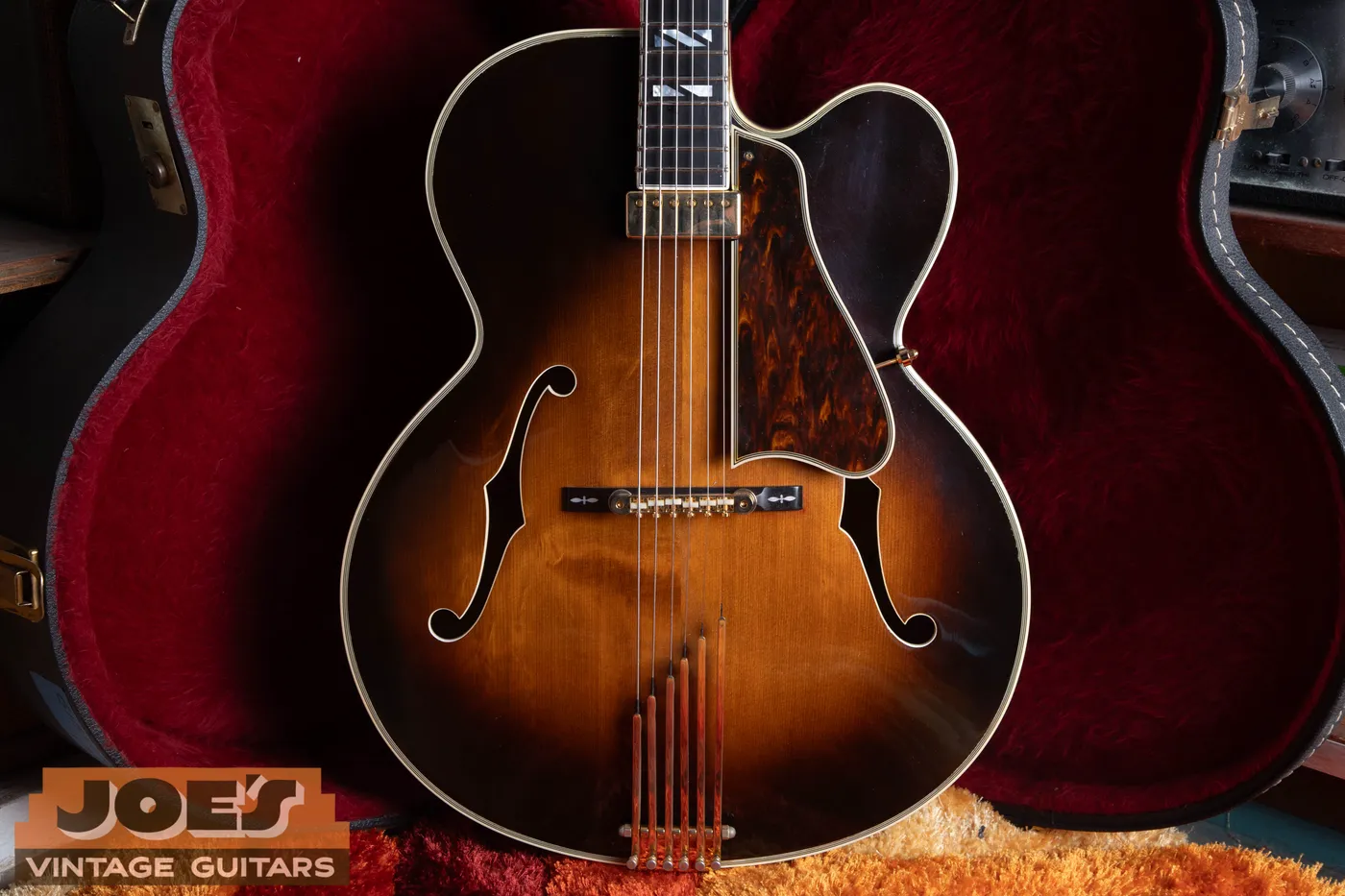
Collectors place the highest value on the opening four years of production. The 1961 to 1964 estimate of $11,900 to $14,950 stands several thousand dollars above the 1965 estimate of $7,500 to $9,700.
Shipments were limited. Joe’s ledger totals list 28 single-pickup examples for 1961, exclusively sunburst, followed by 91 in 1962. In 1963, the Double began shipping with a total of 9.
Inspect condition carefully on these carved-top, carved-back guitars. A cracked top, a repaired brace or a high bridge resulting from a tired neck angle requires a comparison outside the clean-condition rows. That applies across production years.
What The Chart Groups Together
Single Pickup, Double Pickup And Natural Finish
Johnny Smith
The ledger records 963 single-pickup examples between 1961 and 1979. Each has a floating pickup, with the jack and volume control carried by the guard.
Johnny Smith Double
Ledger shipments total 625 through 1979 for this version. It began shipping in 1963 with a pair of floating pickups.
Natural Finish
Natural is the less common finish in both versions. It accounts for 209 among 963 single-pickup instruments and 112 among 625 Doubles.
The combined price rows leave finish and model distinctions to the appraisal. Let Joe see the controls and pickups clearly, and use daylight photographs to show the color. Compare the versions in the Johnny Smith identification guide.
A Factory Second With Replaced Parts
Joe’s 1970 Johnny Smith
1970 Gibson Johnny Smith
A Strong Player With An Unusual Serial
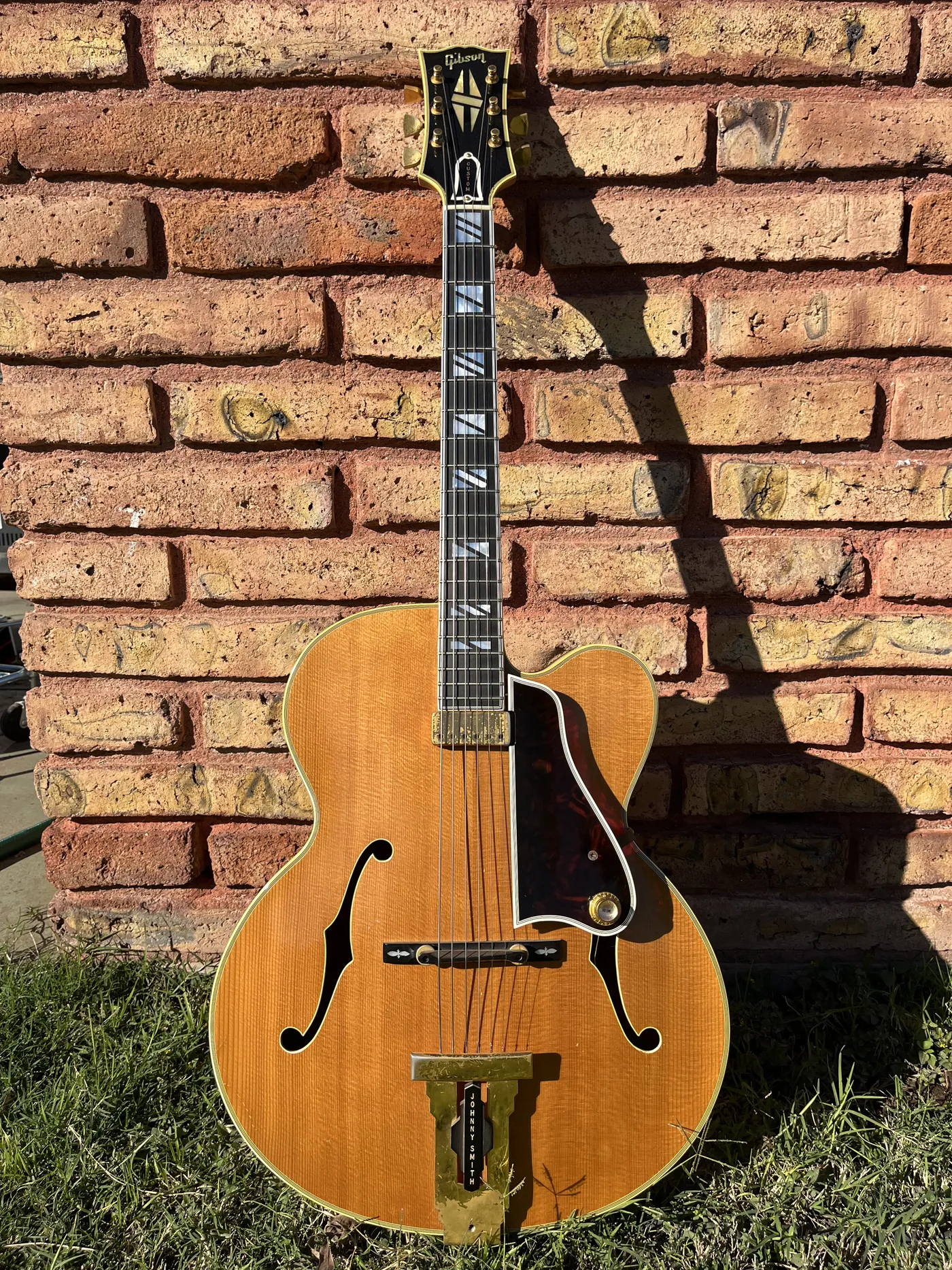
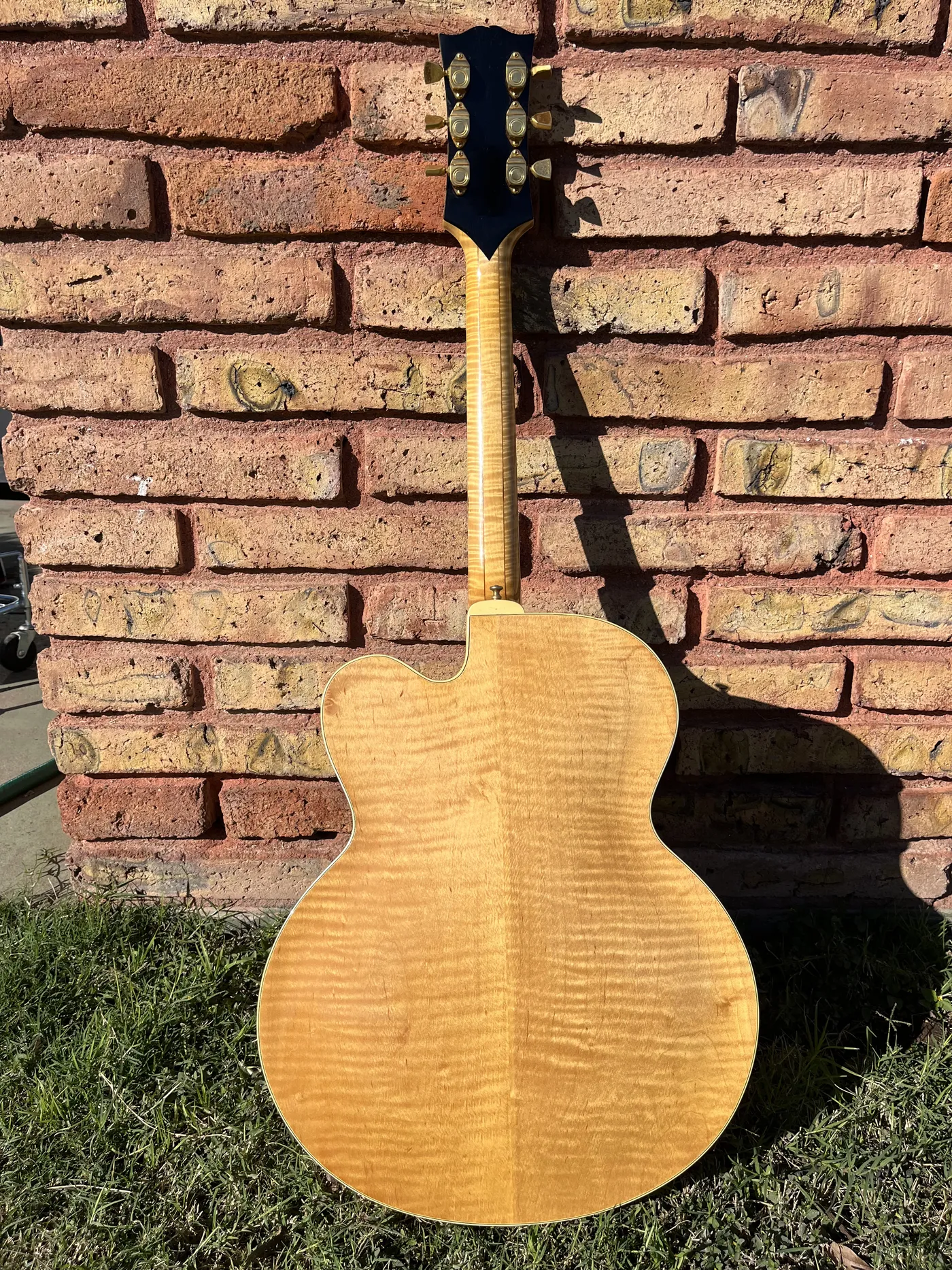
Construction and the label suggest 1970 for Joe’s Johnny Smith, despite the unusual-for-the-period serial 39708. SECOND is stamped on its headstock. Joe’s best explanation is a guitar built in 1970 and finished or assembled somewhat later. It arrived with its original hard case, a Lollar pickup, a replacement guard and a Howard Roberts fingers-style tailpiece.
The second stamp and replacement equipment lower its comparison with an excellent, original example. For daily playing, it offers exceptional playability and a full, musical amplified sound from the Lollar. That makes it well suited to someone buying a Johnny Smith for regular use.
What Moves A Johnny Smith Out Of The Chart
Pickups, Guards, Tailpieces And Seconds
Replaced Pickups
Many guitars now carry aftermarket pickups made in Johnny Smith style. They can sound excellent, though they replace factory equipment. Tell Joe whether you still have the original.
Replacement Guards
Controls attach to the factory multi-bound tortoise guard. Since replacement guards turn up often, send close views of both the binding and control attachments.
Changed Tailpieces
List a tailpiece change, including a fingers-style unit like Joe’s 1970 carries. The factory piece is identified by Johnny Smith’s name.
Factory Seconds
Report a stamped 2 or SECOND when requesting an appraisal. Gibson used these marks for guitars sold as seconds; playability needs to be judged separately.
Retain the original equipment that accompanies your guitar. Before replacing or reinstalling parts, consult the advice on restoration ahead of a sale. The pickup-change guide explains how a swap affects an appraisal.
Photos And Facts Joe Uses
What To Send For A Johnny Smith Appraisal
Front And Back In Daylight
Use daylight to make the finish color and the carved top and back easy to assess.
Pickups, Guard And Controls
Photograph the guard’s edge and the pickup’s mounting closely enough to show their details.
Headstock Back And Label
Make the number and nearby stamps readable. Add a view through the f-hole of the interior label.
Side View Across The Bridge
A photograph from this angle records the height of the bridge and the angle of the neck.
Send The Evidence
Get A Value For Your Johnny Smith
Send the photos above and anything you know about the guitar’s history. Joe can tell you which row it fits and what its parts and condition do to the number.
Questions AboutGibson Values
What Is A 1960s Gibson Johnny Smith Worth?
Is A Johnny Smith Double Worth More?
Does A Replaced Pickup Hurt A Johnny Smith’s Value?
The Last Word
A Value For Your Guitar
Establish originality before assessing the date and condition. For a part-by-part reference, use the guide to identifying a Johnny Smith.
This Is An Estimate Of Market Value, Not An Offer To Buy And Not A Guarantee. Market Values Fluctuate; Have Your Specific Item Appraised.