

Gibson ES-225 Prices · Original 1955 To 1959 Family
Gibson ES-225 Value Guide
Start with one pickup or two, then confirm factory sunburst or natural finish. Bridge equipment and repairs complete the condition assessment.
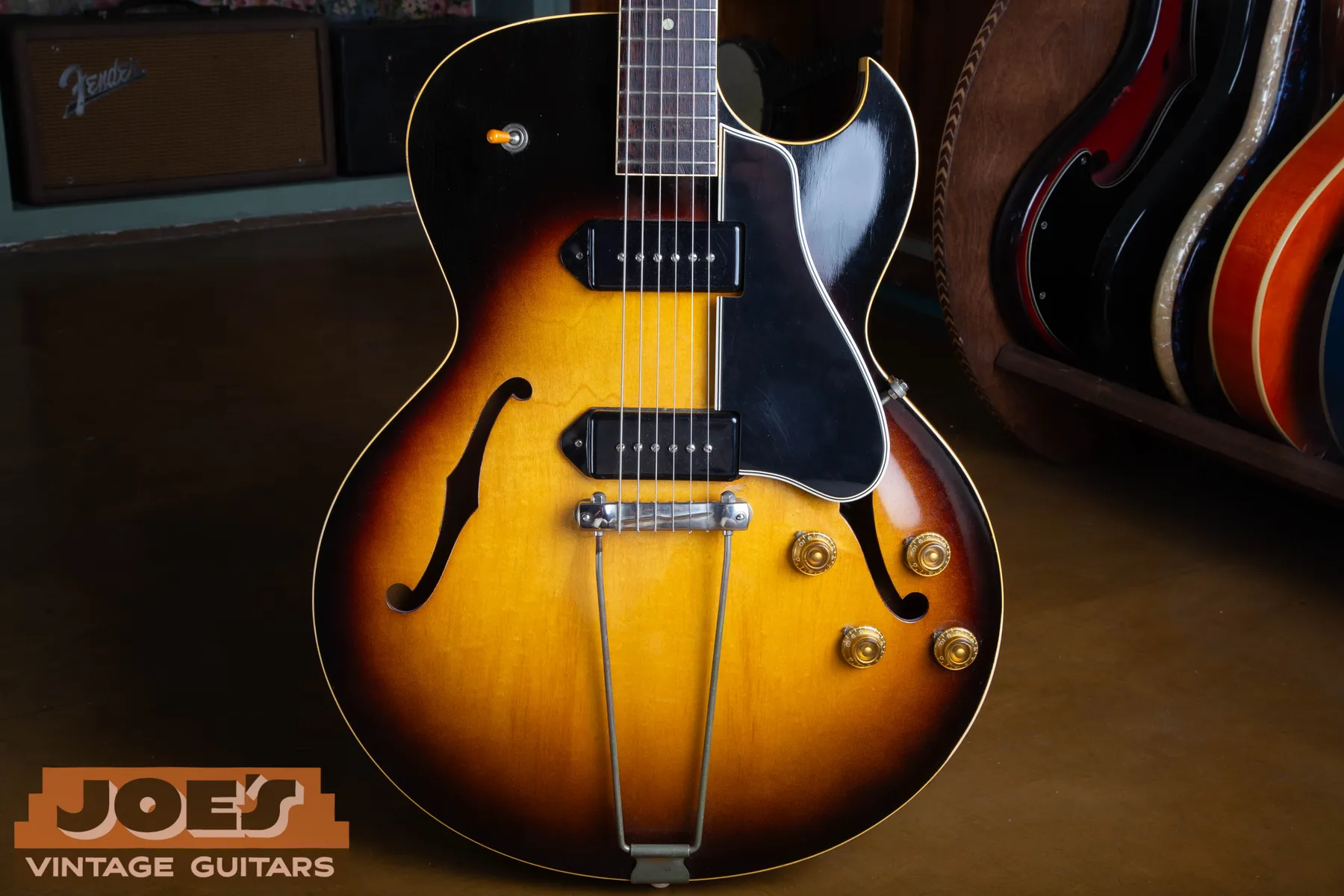
A sunburst single-pickup Gibson ES-225T is estimated at $3,100 to $4,000, while a natural two-pickup ES-225TDN is $6,700 to $8,450 in excellent, original condition with the original case. Joe’s photographed 1956 ES-225TD is the sunburst two-pickup configuration. Use the existing ES-225 model and authentication guide to establish the suffix, finish and hardware before choosing a price comparison.
This Is An Estimate Of Market Value, Not An Offer To Buy And Not A Guarantee. Market Values Fluctuate; Have Your Specific Item Appraised.
Excellent Original Guitars With Original Cases
Gibson ES-225 Values By Pickup Count And Finish
| Model | Pricing Year Group | Configuration | Estimated Value |
|---|---|---|---|
| ES-225T / ES-225TN | 1955 to 1959 | Natural; one P-90 | $4,300 to $5,600 |
| ES-225T / ES-225TN | 1955 to 1959 | Sunburst; one P-90 | $3,100 to $4,000 |
| ES-225TD / ES-225TDN | 1956 to 1959 | Natural; two P-90s | $6,700 to $8,450 |
| ES-225TD / ES-225TDN | 1956 to 1959 | Sunburst; two P-90s | $4,850 to $6,600 |
U.S. dollars. These November 2026 retail market estimates assume excellent, original condition and the original case where applicable. An individual sale can fall outside the range; these figures are not purchase offers. Repairs, changed parts and market conditions require an individual appraisal.
Choose the pickup configuration first. The T is the single-pickup version, TD has two pickups, and N identifies natural finish where included. The table’s grouped dates are pricing comparisons; the full model guide gives the introduction and transition details for individual versions.
These November 2026 estimates assume original finish, the stated factory configuration and excellent condition. They aren’t purchase offers. Modern reissues, converted guitars and examples with substantial repairs need separate assessments rather than a direct match to these four rows.
Sunburst And Factory Natural
Single-Pickup ES-225T And ES-225TN Values
The sunburst single-pickup estimate is $3,100 to $4,000, with natural at $4,300 to $5,600. The single pickup’s central position is a feature of this model. Photograph the whole top so the pickup, bridge assembly and two controls can be seen in their relationship to one another.
A later second pickup changes the condition comparison. If another opening was cut into the body, that alteration remains relevant even after the added pickup is removed. Keep any earlier photographs or repair records that show the installation and describe the present configuration accurately.
The natural-finish row assumes the guitar left the factory in that finish. Exposed light wood after an old stripping job doesn’t establish an ES-225TN. Include rim, binding and neck photographs so the finish history can be reviewed beyond the broad center of the top.
A missing model suffix in an old advertisement doesn’t settle the configuration either. The instrument’s construction, pickup layout and factory evidence are more useful than a shortened sale title. Joe can help resolve the description before applying a price.
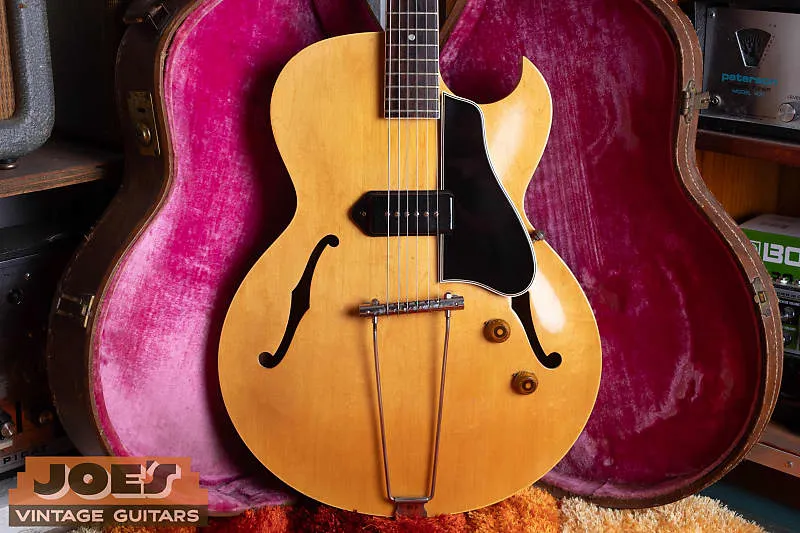
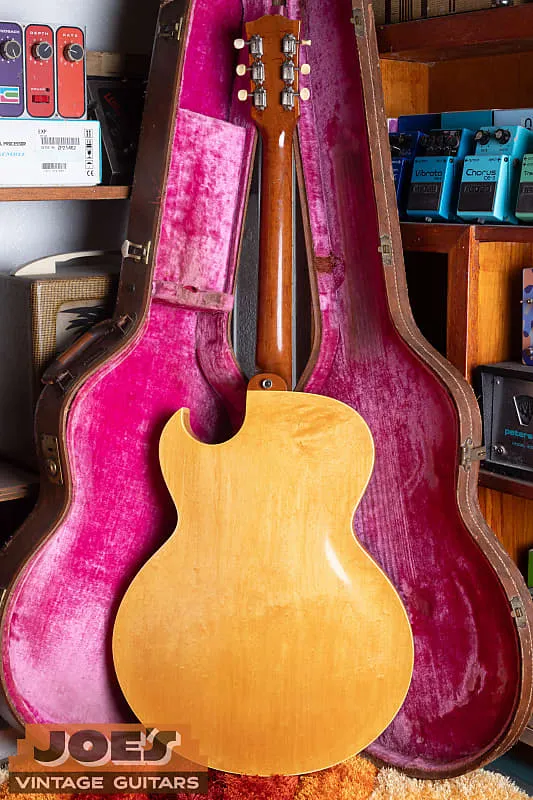
Confirm The Factory Double-Pickup Layout
Two-Pickup ES-225TD And ES-225TDN Values
The two-pickup sunburst group is estimated at $4,850 to $6,600, and natural at $6,700 to $8,450. Four controls and a selector accompany the neck and bridge pickups. The factory identity should be supported when a guitar has been heavily modified or its history is uncertain.
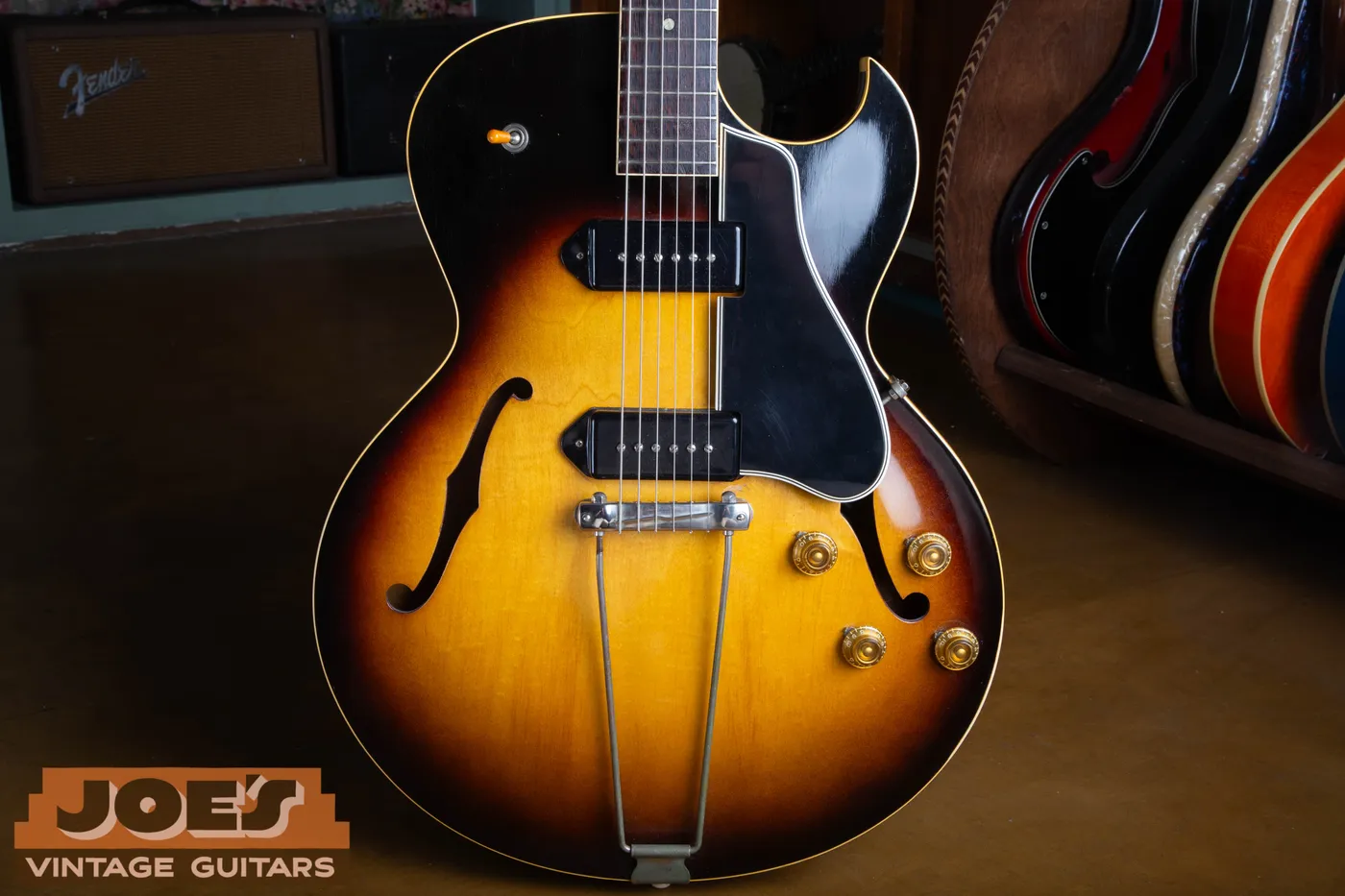
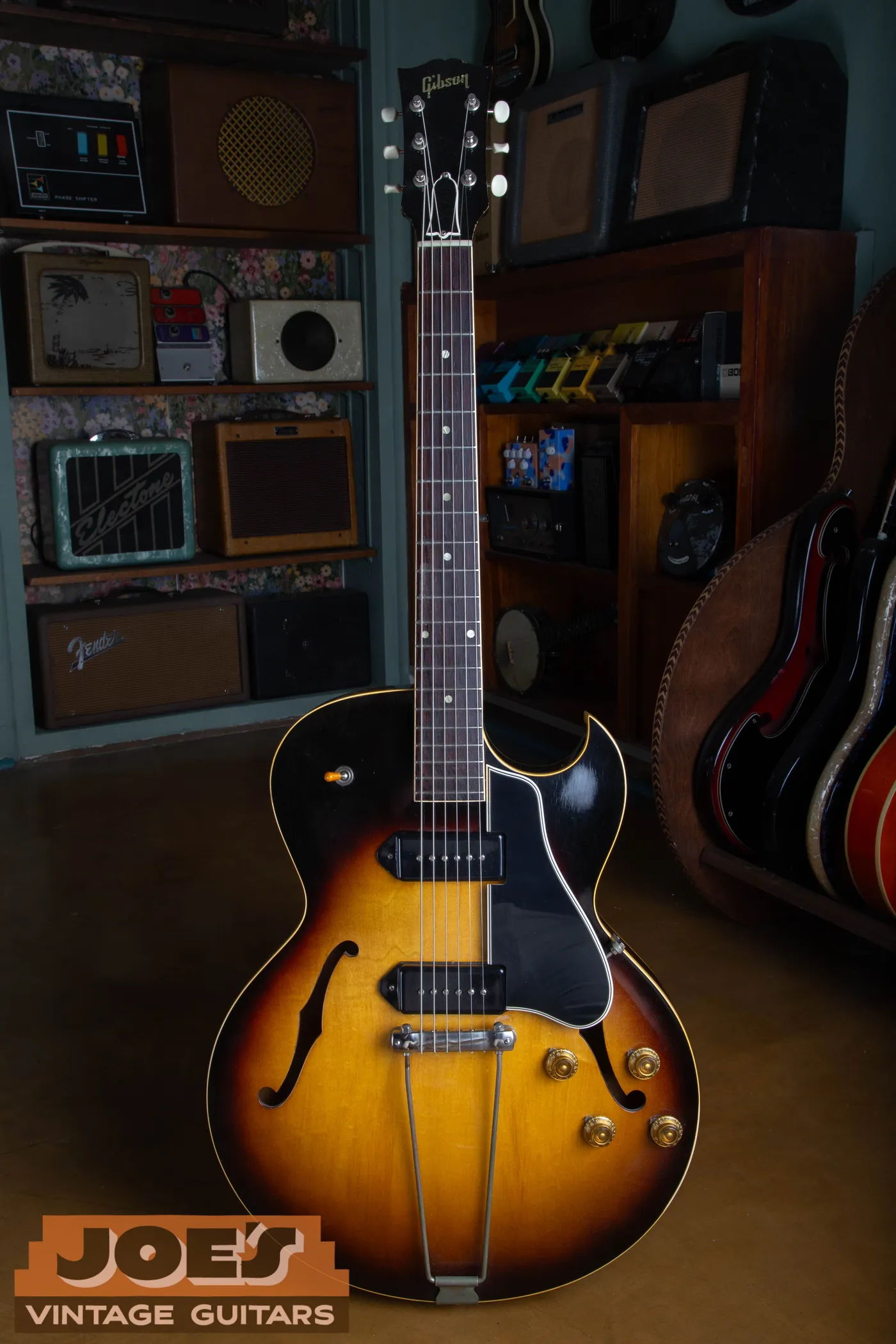
Joe’s 1956 archive example shows the two black P-90 covers, control layout and long combined bridge-and-tailpiece assembly. These photographs are a model comparison. Another ES-225 needs its own finish, pickup and structural assessment before the range is useful.
A replaced P-90 may fit the existing opening, while a humbucker conversion can remove wood. The pickup replacement guide explains why those changes should be described separately. Keep original pickups and any service pictures with the guitar if they survive.
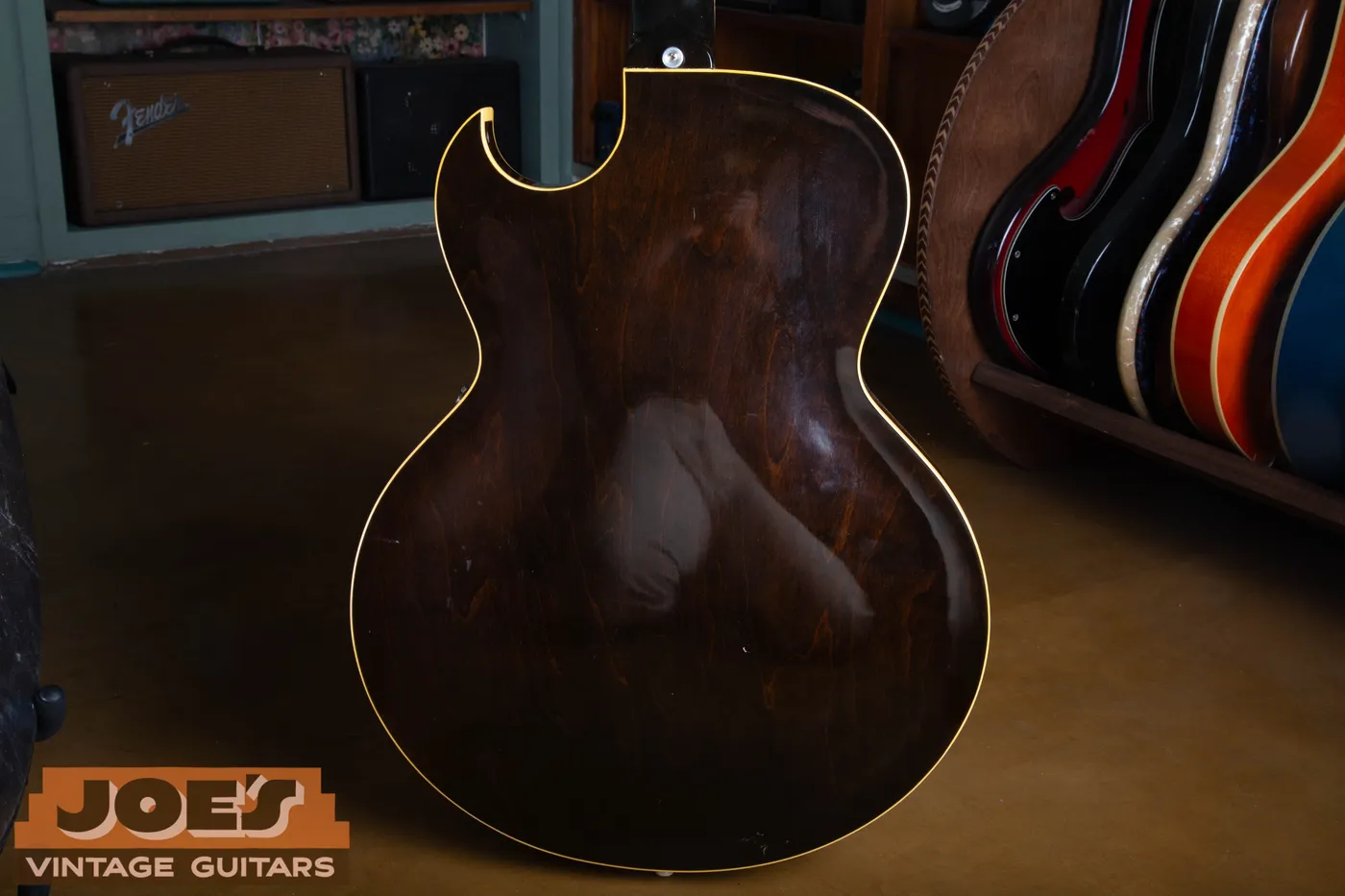
1956 Gibson ES-225TD
Sunburst And Two P-90s
The full front records the configuration and body outline. The back view adds the neck joint and the condition of the rear surface. A useful appraisal photo set includes both, rather than relying on a flattering front view alone.
Identify The Equipment Before Calling It A Modification
Bridge And Tailpiece Changes On An ES-225
The long combined bridge-and-tailpiece unit is a recognizable ES-225 feature. Some late-1959 examples use a shorter trapeze and separate adjustable bridge, as described in the model guide. The later arrangement should not be declared a replacement solely because it differs from the 1956 photographs.
For the guitar being appraised, document the installed assembly, mounting points and any extra holes. An original late configuration and a player conversion are different findings. Date evidence and the physical installation help distinguish them.
A changed bridge can alter setup and intonation without changing the model name. Describe what was installed and why, if known. Keep the previous assembly even if it was removed because the owner preferred another arrangement. Loose parts still need to be checked for completeness and their connection to this guitar.
Don’t buy a vintage tailpiece simply to make the guitar match a photograph before selling. The correct configuration may depend on the instrument’s period, and installation can add expense or new damage. An appraisal of the current condition can identify which questions need resolution first.
Separate Surface Work From Ordinary Wear
Original Finish And ES-225 Condition
Sunburst wear and factory-natural finish need different descriptions. A bright center surrounded by dark edges can change with lighting and exposure, while an old refinish may have developed its own checking. Send evenly lit photographs of the whole guitar before close-ups of a disputed area.
Use the refinish guide to describe known work. State whether the top, back, neck or entire instrument was refinished. Local touch-up around a repair should also be disclosed, with its extent kept separate from a full refinish.
Body binding and the area around the neck joint can show work omitted from a front photograph. Include those views without attempting to clean or polish away discoloration. If the finish history is unknown, leave that question open for inspection.
For a natural ES-225, provenance that shows the guitar before repairs can be useful. A dated family photograph may document an earlier finish or hardware arrangement. It should be identified as that type of evidence rather than treated as proof of a manufacturing date.
Top, Neck And Electrical Function
Hollowbody Repairs And Playing Condition
Headstock And Heel Repairs
Show the repair from multiple angles, with a wider view of the neck. Include any invoice describing the work. Repair quality, finish changes and stability need individual assessment instead of a fixed deduction applied to every guitar.
Top And Rim Condition
Photograph cracks, open seams and areas around changed hardware. A close-up should be paired with the whole panel so its location and extent are clear. Report movement or rattling without pressing on a suspected loose area.
Controls And Pickup Function
Explain silent pickups, noisy controls or an intermittent output jack. Existing service photographs can document component changes. An initial appraisal doesn’t require removing the harness through an f-hole.
The condition and value guide helps organize repairs and originality. A routed pickup conversion, its new wiring and the finish work around it may describe one project. The assessment should consider the complete result without stacking unrelated guessed deductions.
Describe playability as well as appearance. High action, low bridge adjustment or worn frets can affect the next owner’s costs. A qualified repairer can diagnose the cause when a photo review can’t resolve it.
A Short Photo Set With The Right Details
What To Send For An ES-225 Appraisal
Include the full front and back, headstock, visible factory order number, bridge assembly and neck joint. Add photographs of known repairs and list changed parts. If a number is difficult to read, preserve the original image and leave uncertain characters unresolved.
Show the case interior and exterior, including fit, handle and latches. The chart assumes the original case. A later case or no case should be included in the appraisal description so Joe can discuss suitable packing before shipment.
Before paying for replacement hardware or finish work, read whether to restore before selling. A free appraisal can begin with the instrument in its current condition. The Gibson selling page explains the next step if you want to discuss a direct sale.
Send The Evidence
Get A Gibson ES-225 Appraisal
Send the pickup layout, factory markings, bridge equipment and condition photographs. Include the case, location and any repair history.
Questions AboutGibson Values
What Is A 1956 Sunburst Gibson ES-225TD Worth?
Is A Short Tailpiece Always Wrong On An ES-225?
Can A Single-Pickup ES-225 Be Priced As A TD After Conversion?
The Last Word
A Value For Your Guitar
Confirm the ES-225 suffix, original finish and hardware arrangement before using a range. The ES-225 authentication guide supplies the model checks; Joe can then review the individual condition and value.
This Is An Estimate Of Market Value, Not An Offer To Buy And Not A Guarantee. Market Values Fluctuate; Have Your Specific Item Appraised.