

Guild Identification Guide
Vintage Guild Vs. Reissue: How To Tell Them Apart
Guild has reused model names and design details. Establish the production line and serial system before assigning an old date to a familiar-looking guitar.
Back To The Guild Serial LookupWesterly Factory Vs. Westerly Collection
A vintage Westerly Guild was built during the Rhode Island factory era. The modern Westerly Collection uses the name as a reference to that history. These meanings should remain separate in an identification or sale description.
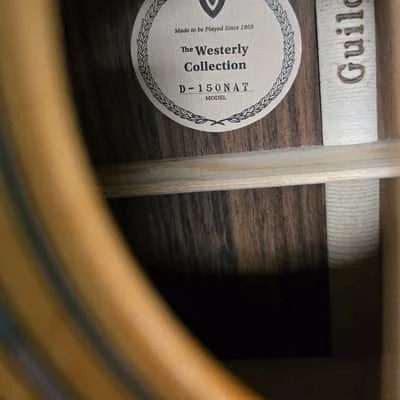
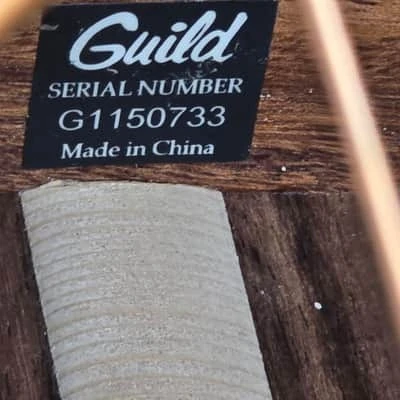
Joe’s D-150NAT example makes the distinction visible. The model label says Westerly Collection, while its serial marking says Made in China. The guitar can carry Guild’s familiar name and styling without belonging to the old U.S. production sequence.
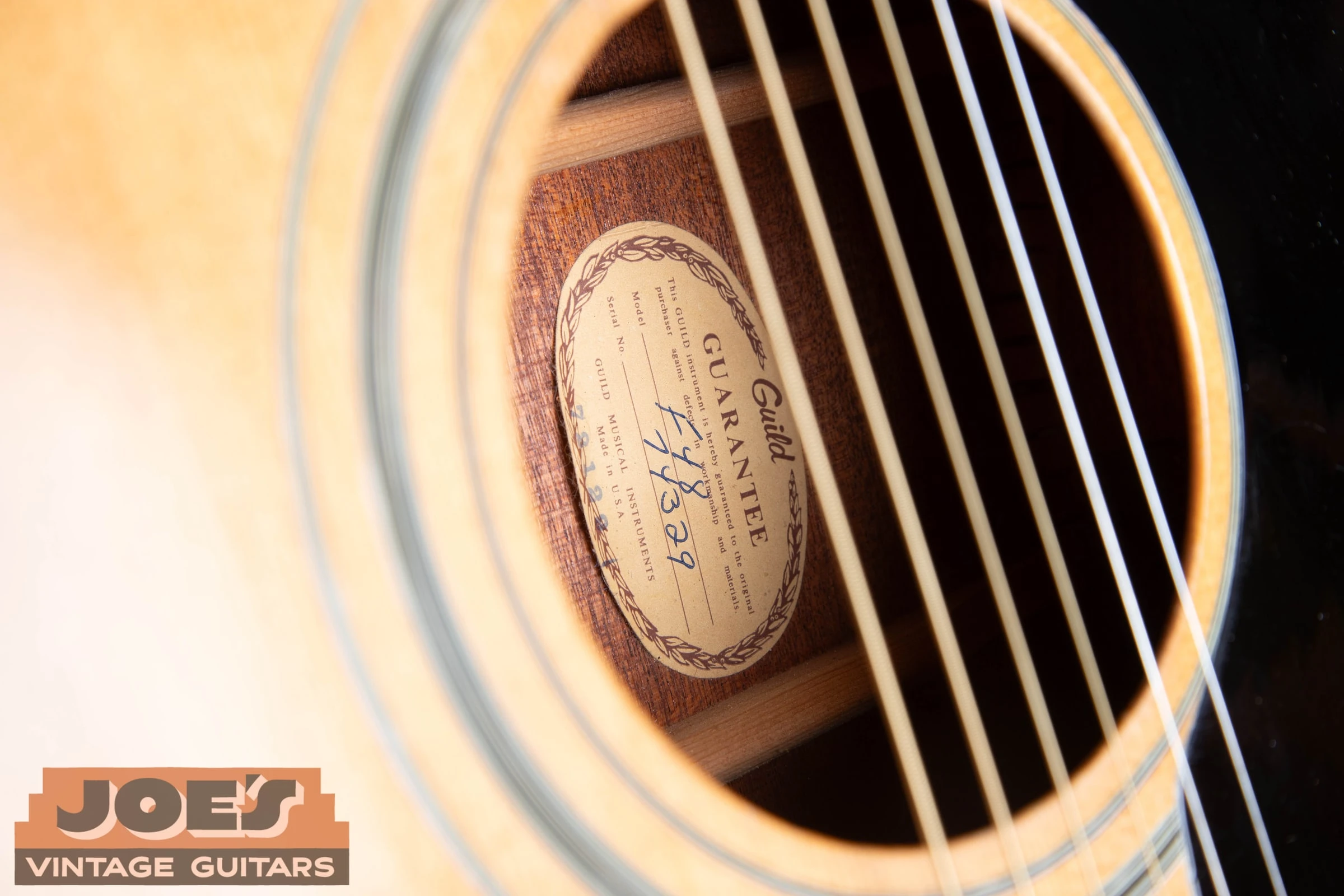
Read the full country and series wording before using the serial lookup. A numeric substring inside a later serial should not be extracted and entered as if it were a complete 1960s number. The label guide shows the two markings together.
Newark St. And Revived Electric Designs
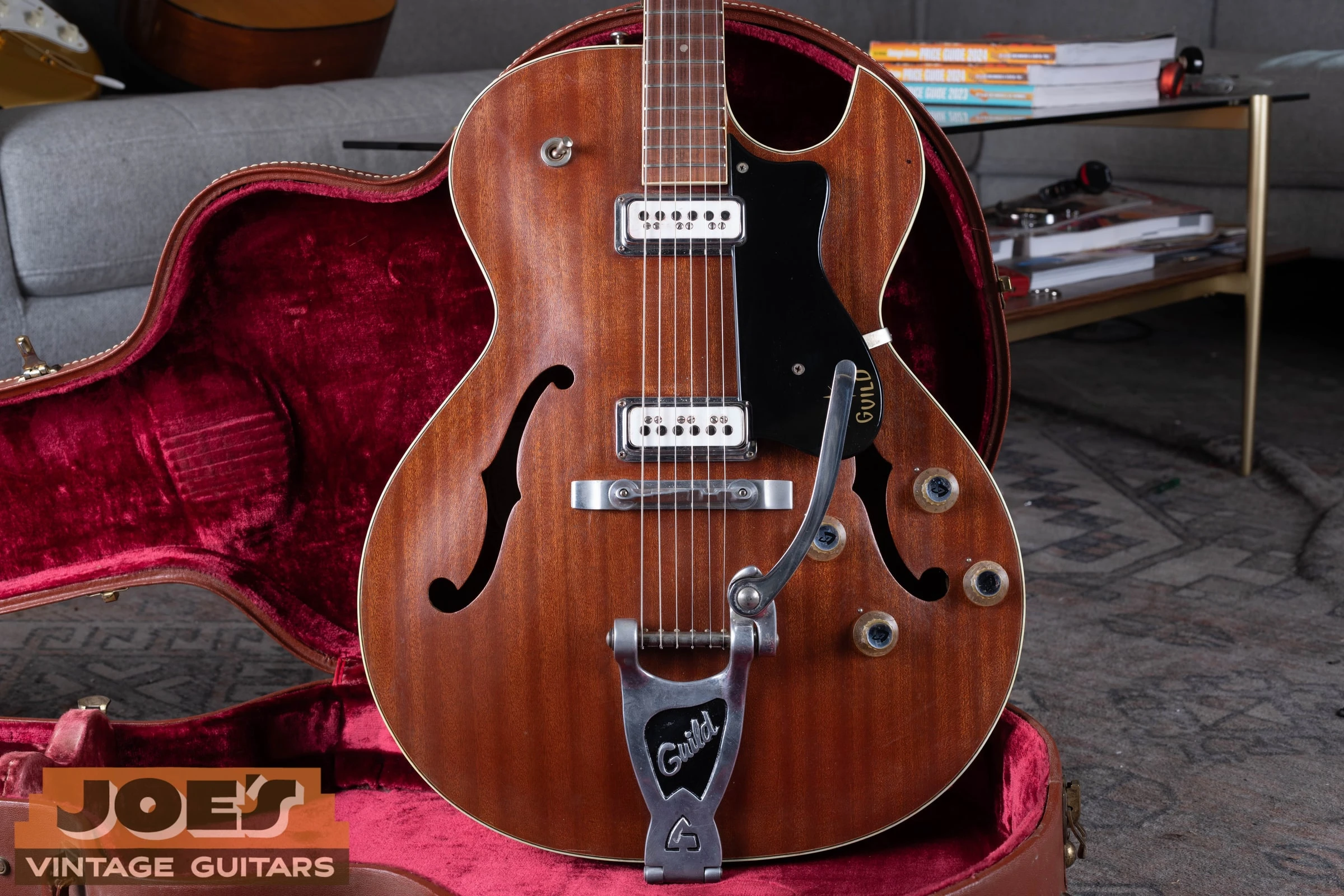
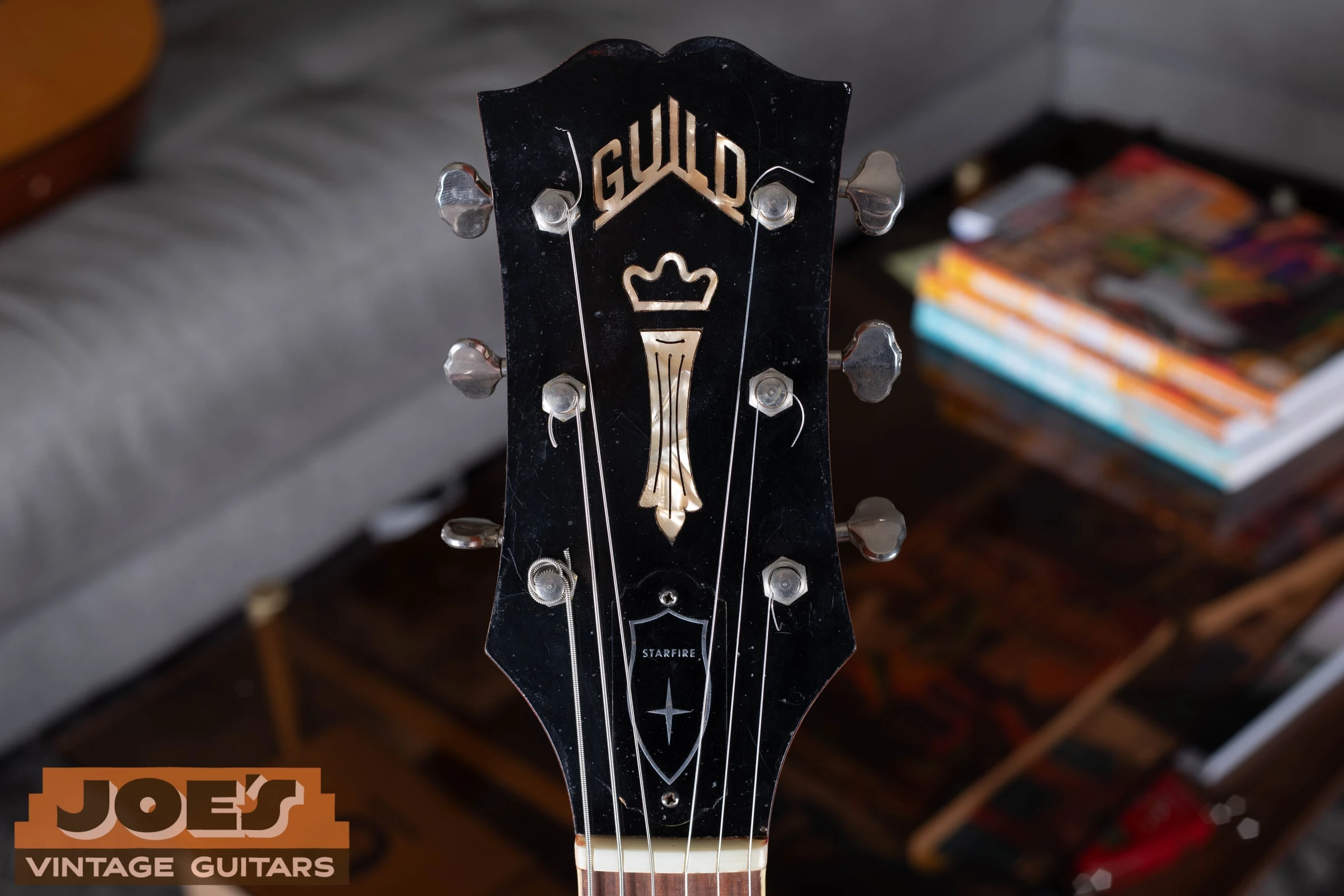
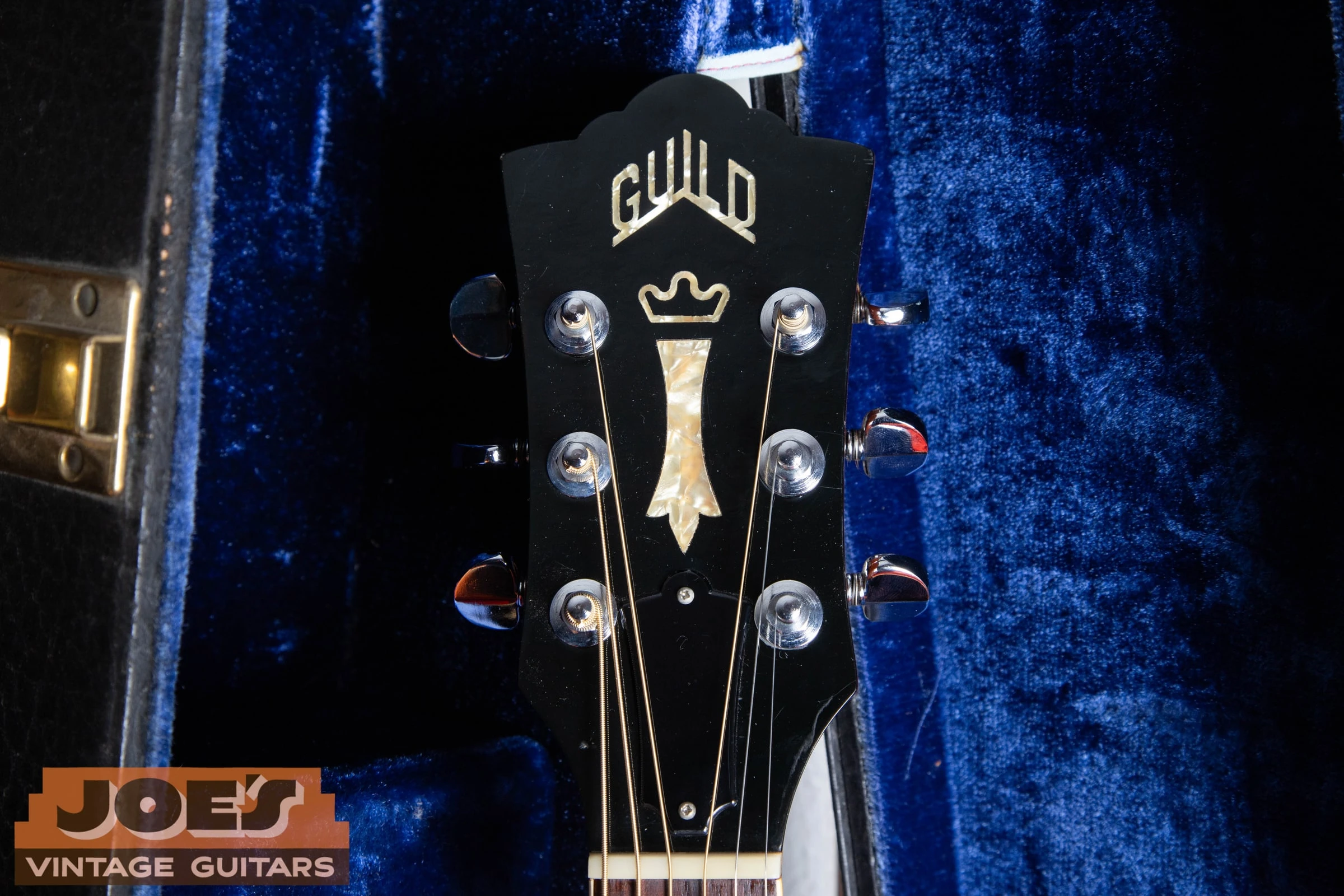
Later Newark St. instruments revisit Guild electric designs. A Starfire name, a vintage-style tailpiece or an old-looking logo is therefore insufficient evidence of a 1960s build. Read the complete model designation, country marking and serial before comparing the body with old photographs.
Guild’s current product announcements describe reissued Starfire models with modern specifications, and an S-300 design that refers back to 1977. A year used to describe the original design is not the manufacture year of a newly made guitar.
The Starfire identification guide explains which construction and control details to record. Compare a specification for the exact version rather than counting how many vintage-looking features it carries.
A Later USA Guild Can Also Look Vintage
Later U.S. Guild production passed through Corona, Tacoma, New Hartford and Oxnard. Familiar acoustic model names continue through different periods, with changes in factory, specifications and serial formats.
A Tacoma T-prefix or New Hartford N-prefix date code is read differently from an older model sequence. An Oxnard instrument should not be forced into that earlier Julian formula merely because it was made after 2005. The factory-era guide separates those systems and explains where the published coverage stops.
For an unresolved later guitar, save the original receipt, model suffix, serial and country marking. Compare the manufacturer's model information or request help with photographs. A confident-looking calculator result is not a substitute for a format that actually applies.
A Vintage Guild Can Have Later Parts
A changed bridge, new tuners or replacement pickups don't turn a vintage body into a reissue. They change the instrument’s condition and originality description. Keep the build-date evidence and the repair history as separate parts of the record.
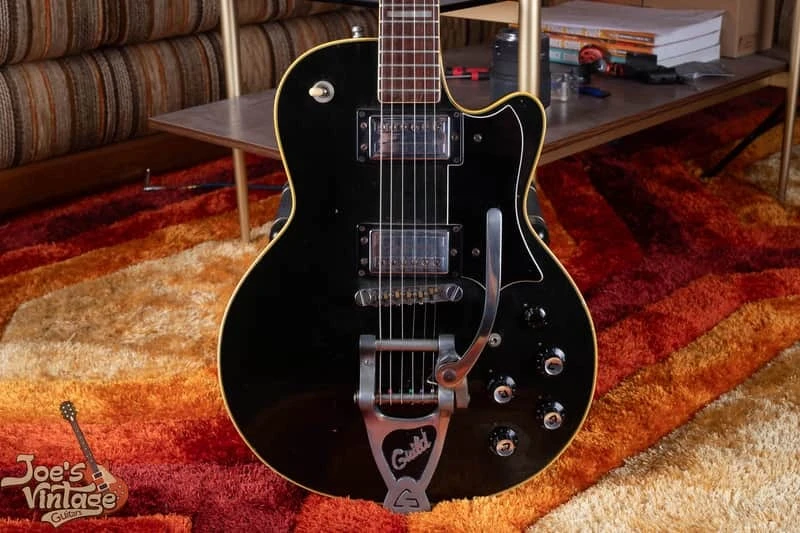
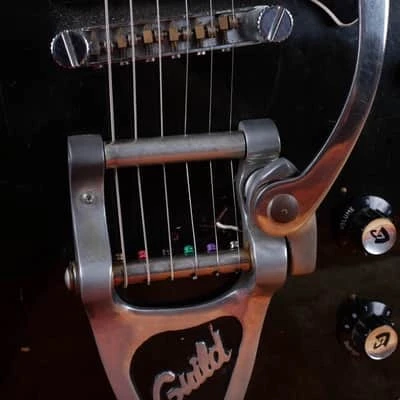
Joe’s black Bluesbird is a useful example: its listing discloses an added Bigsby. A buyer who dated the entire guitar by that installed part could reach the wrong conclusion. Conversely, assuming a branded vibrato must be factory original would overlook a disclosed modification.
The pickup and hardware guide shows where to photograph mounting holes, tuner backs, bridge footprints and controls. Retain removed parts and receipts, but don't describe a loose part as original solely because it came in the case.
When The Number And Features Disagree
First check the transcription. A hidden letter, missed zero or partly visible stamp can change the chart. Next confirm the model and country. The 1960s charts reuse some prefixes, and later instruments can use strings that resemble earlier systems.
Then review known repairs and the limits of the records. Guild acknowledges gaps in its dating information. A missing entry is not proof that a guitar cannot exist, and a plausible entry does not prove an instrument is unmodified. Keep unresolved details visible instead of choosing the more desirable answer.
For a Guild appraisal, send full front and back photographs, the label, both sides of the headstock and any disputed part. If you intend to sell the guitar, a clear description of its model, date evidence and repairs makes the comparison with other instruments more useful.
Sources And Further Reading
- Guild’s Westerly Collection Introduction
Read why the modern line uses a historical factory name.
- Guild Reissue Announcements
Distinguish a revived design year from the actual manufacture date.
- Guild’s Factory And Model FAQ
Check the manufacturer’s explanation of factory moves, series names and record limitations.
Get Help Identifying Your Guild
Send the serial, a full front and back view, and close-ups of the feature you want checked. Include any known repairs or replacement parts.
Get A Free Guild AppraisalReturn to the Guild serial lookup and dating library to compare the rest of the instrument.