

Basses · Original Deluxe Basses And Later Reissues
Rickenbacker Vintage 4002 BassesValue Guide
Joe’s 2026 value chart gives estimated market ranges in US dollars, organized by Rickenbacker model, production years and configuration. Check the condition and originality details before applying a range to your instrument.
Joe’s Vintage Guitars · October 2026
Rickenbacker Vintage 4002 Basses Value Chart
These are Joe’s estimated current market values in US dollars for original instruments in excellent condition, with the original case where applicable. Choose the row that matches the model, production years and configuration. A refinished, modified or repaired instrument needs a separate condition adjustment.
| Model | Years | Configuration | Estimated Value |
|---|---|---|---|
| Rickenbacker 4002Original production; does not cover a modern reissue | 1977 to 1984 | Original production; does not cover a modern reissue | $10,000 to $11,750 |
Ranges are estimates of instrument market value, not purchase offers or insurance replacement values. Originality, playability, repairs and the details of the sale affect the final amount. Unlisted years and unusual variants need an individual appraisal. Later production and reissues appear only in rows that identify them.
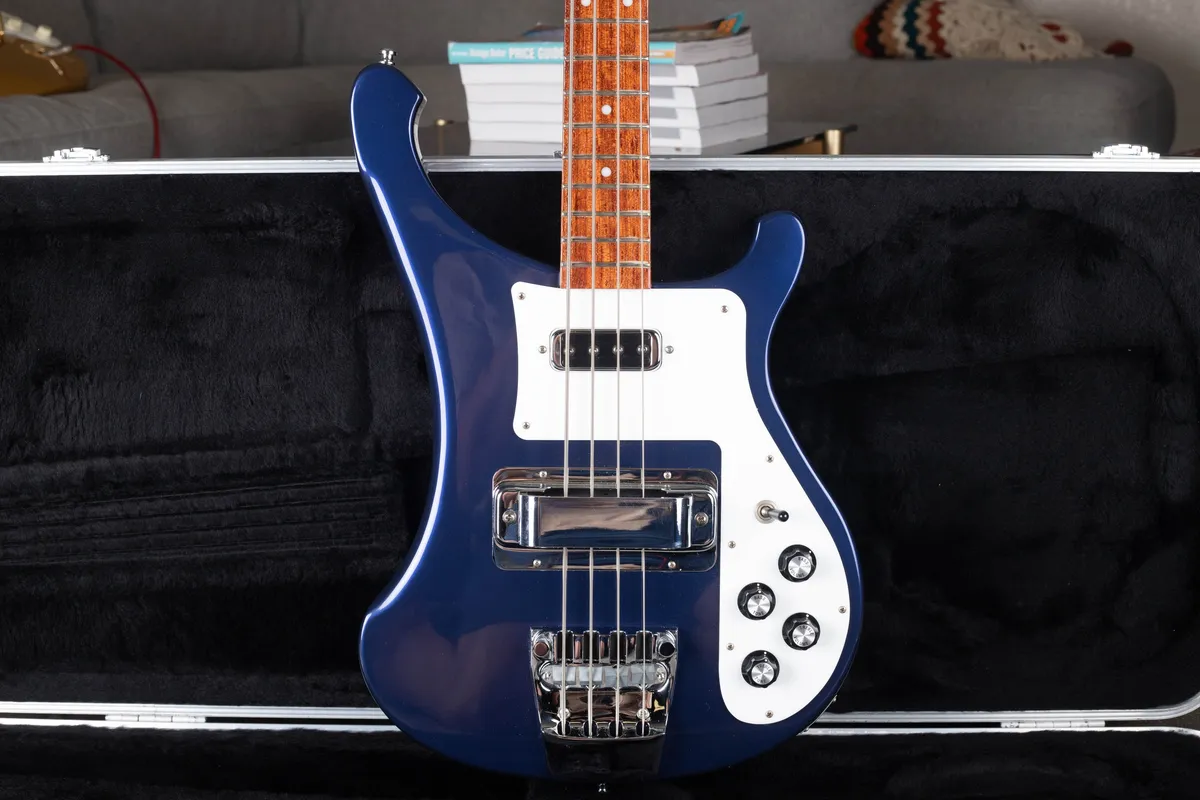
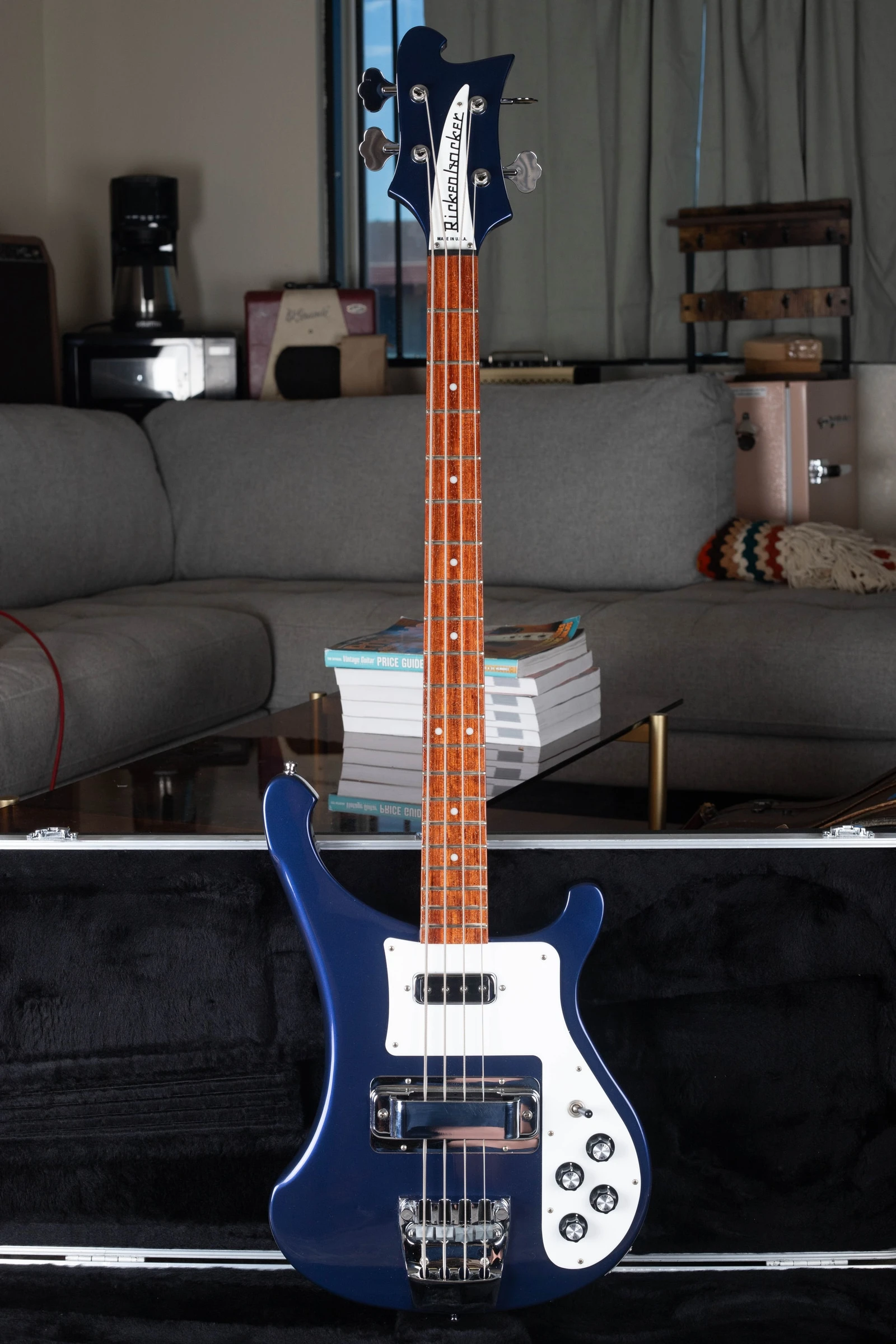
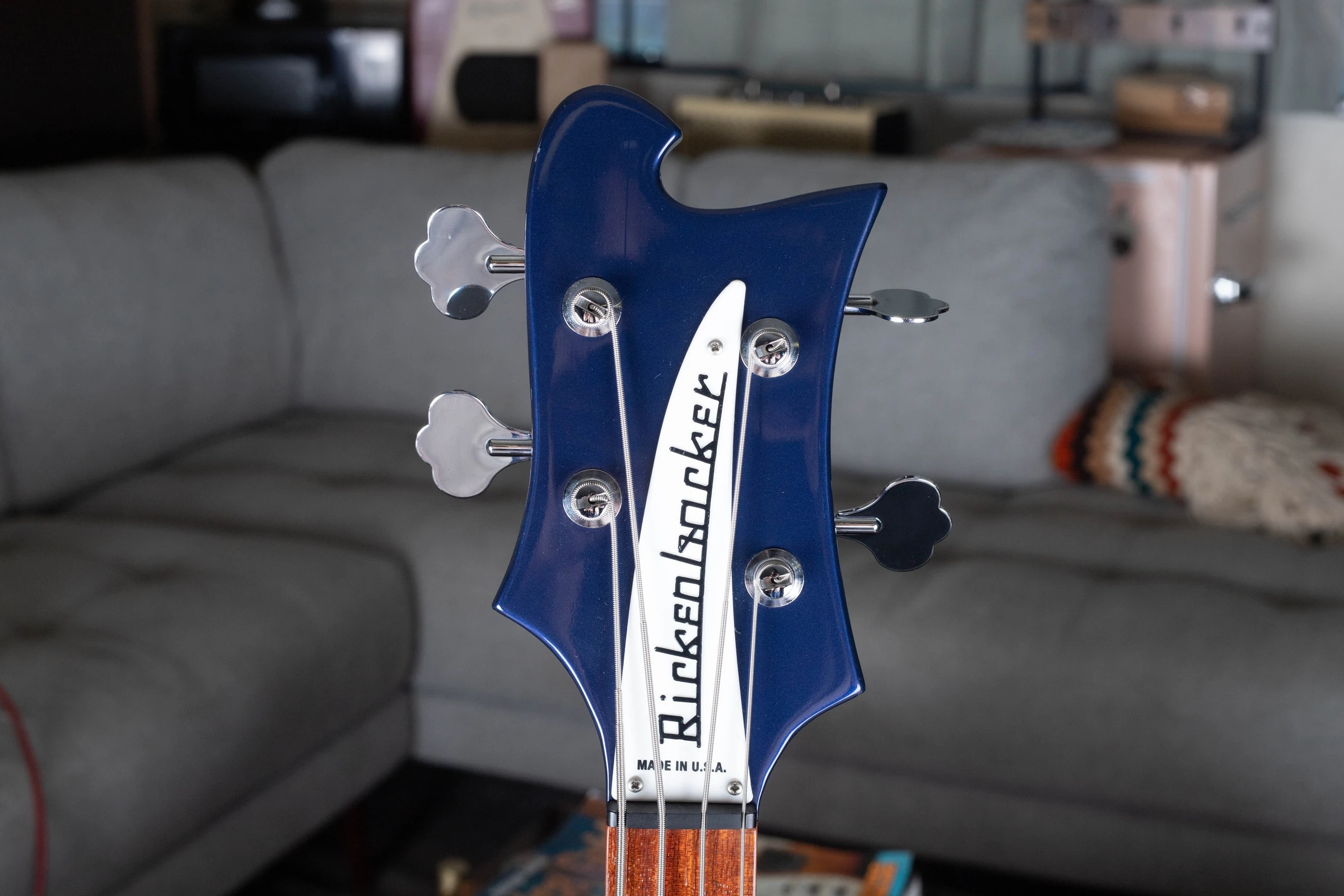
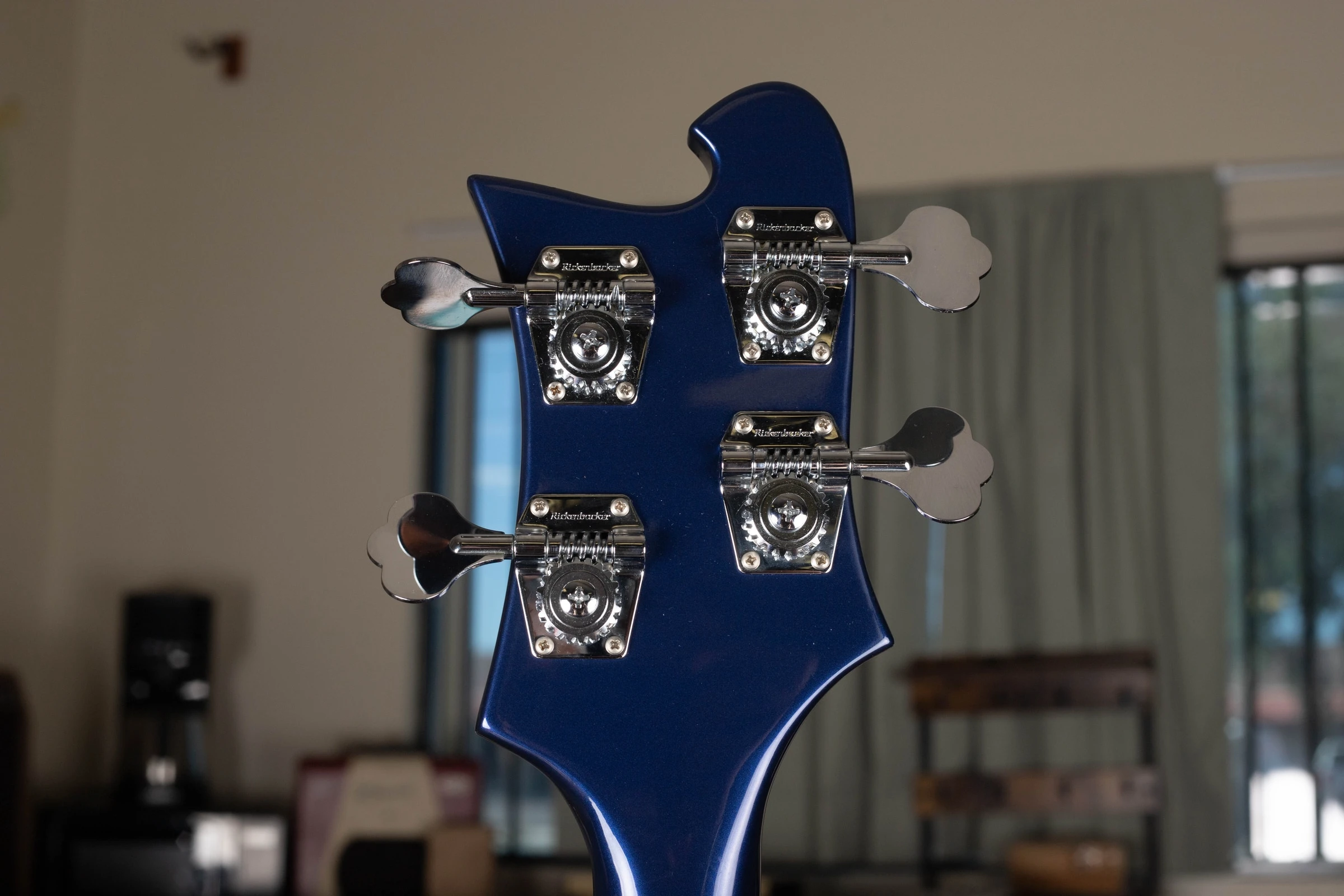
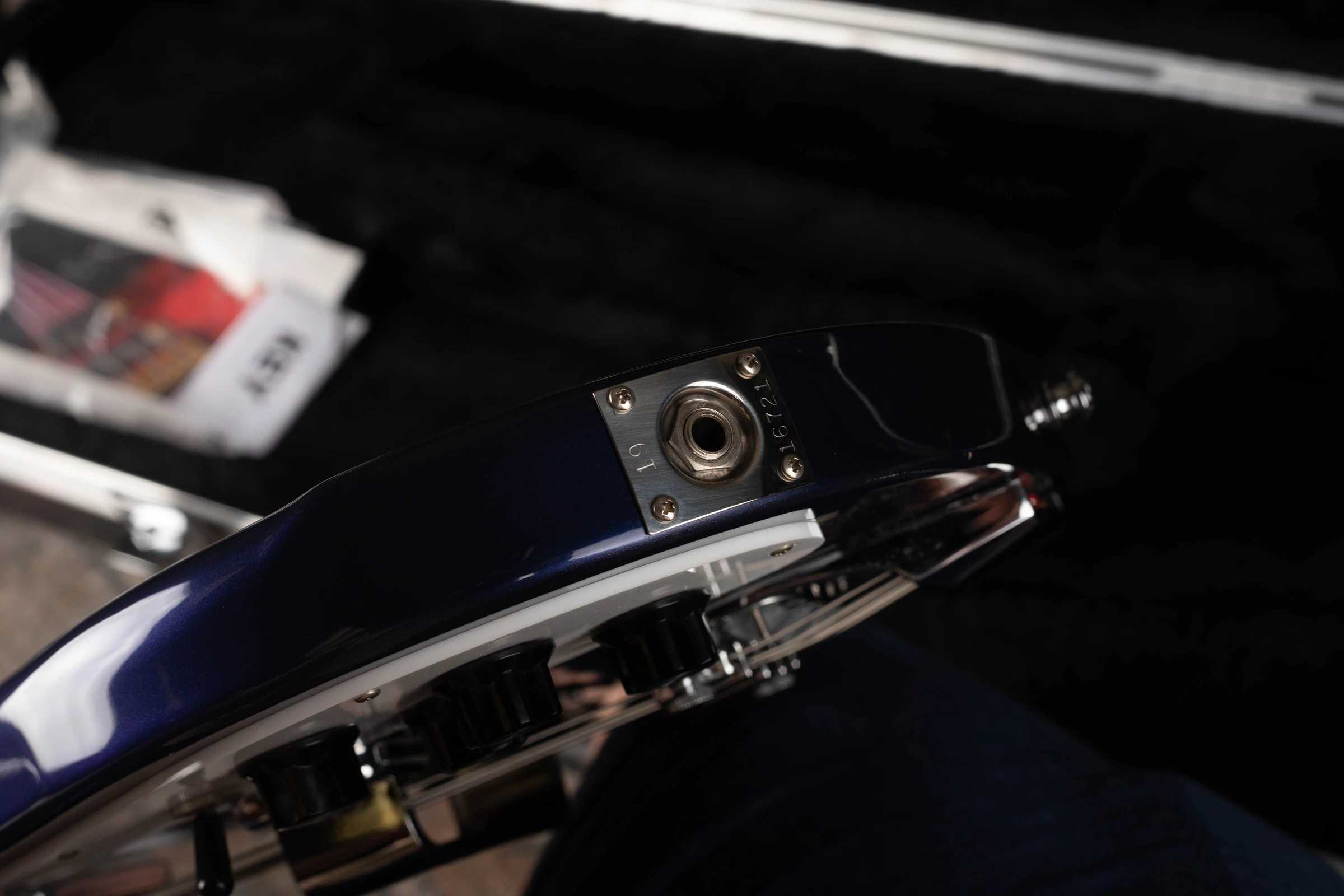
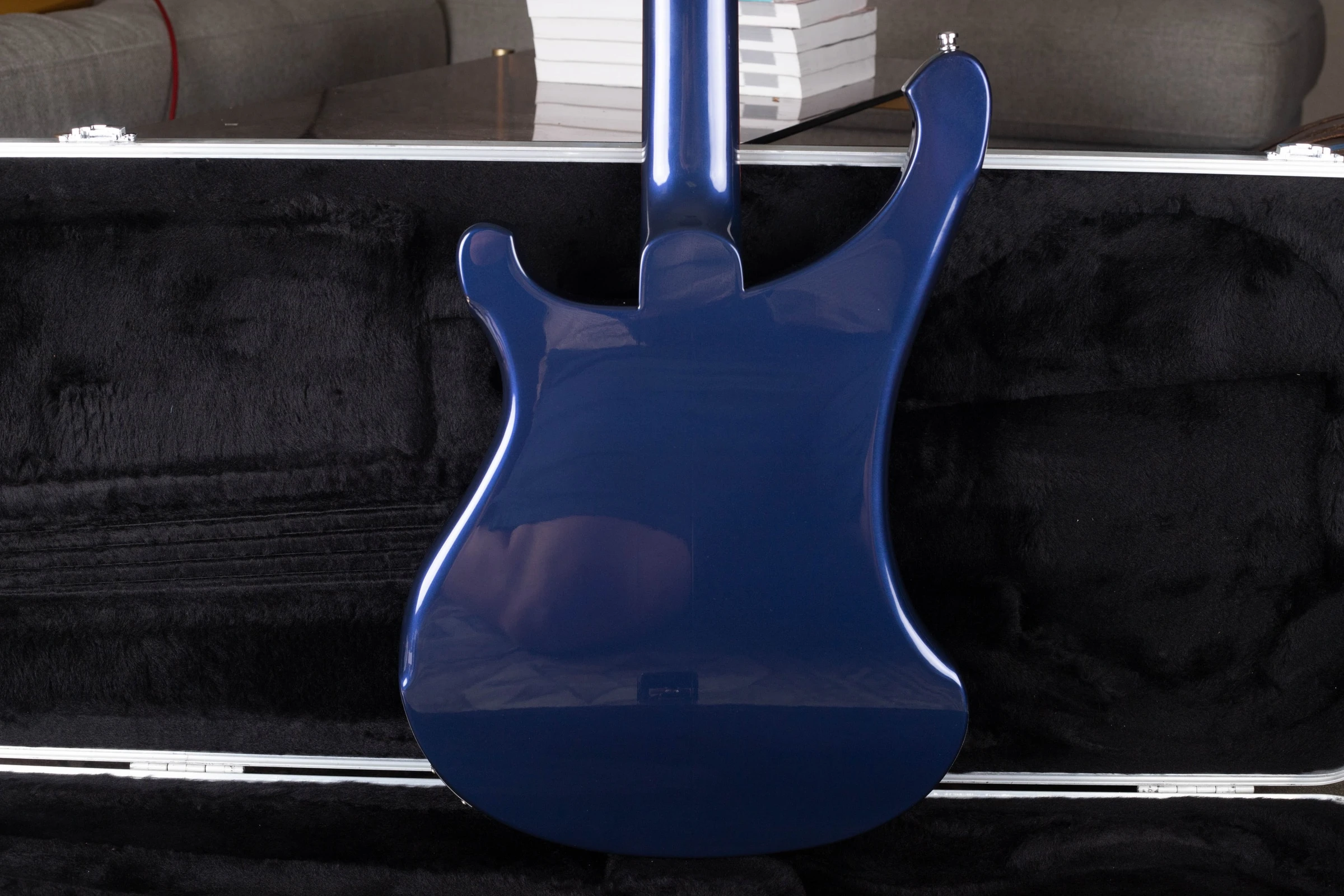
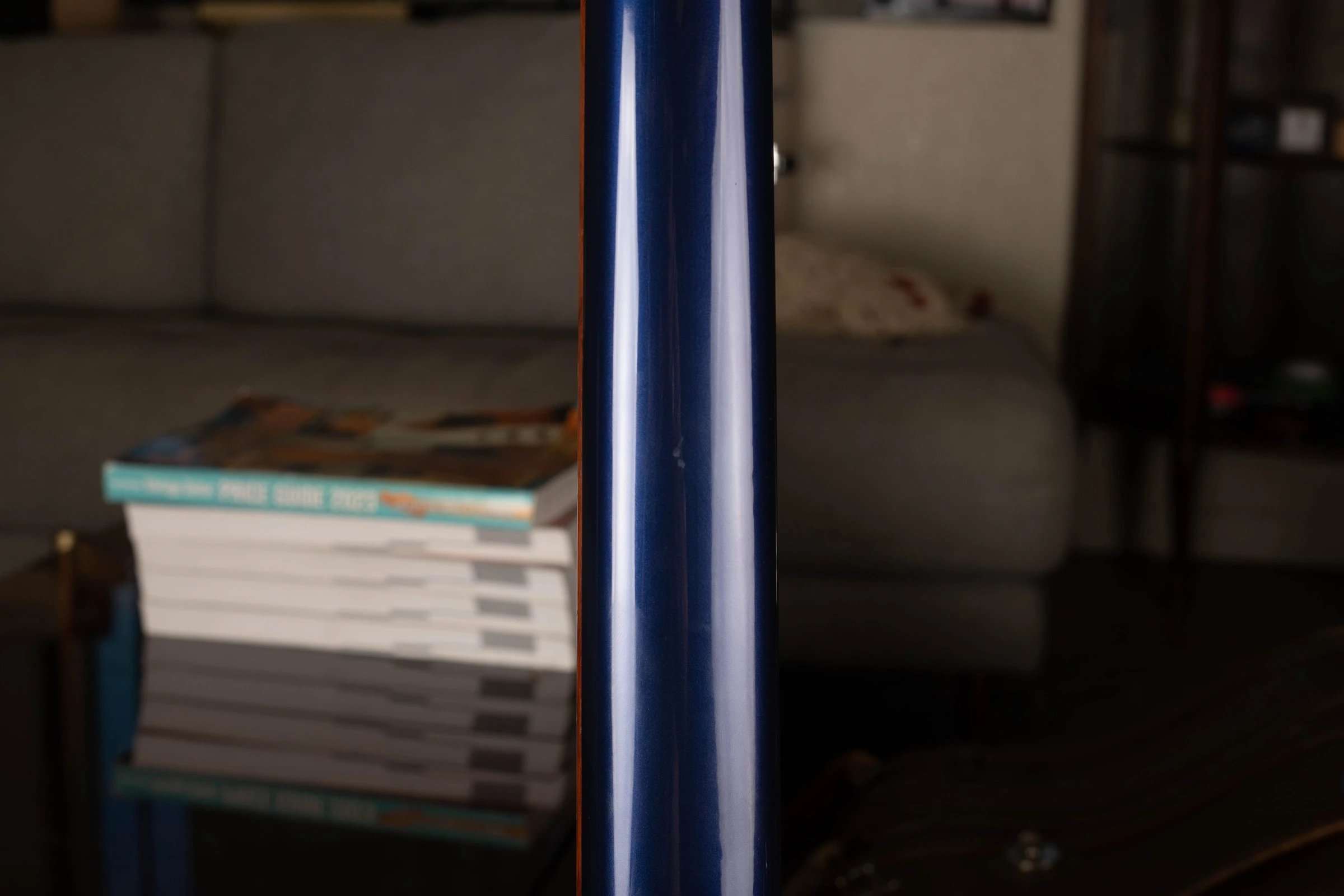
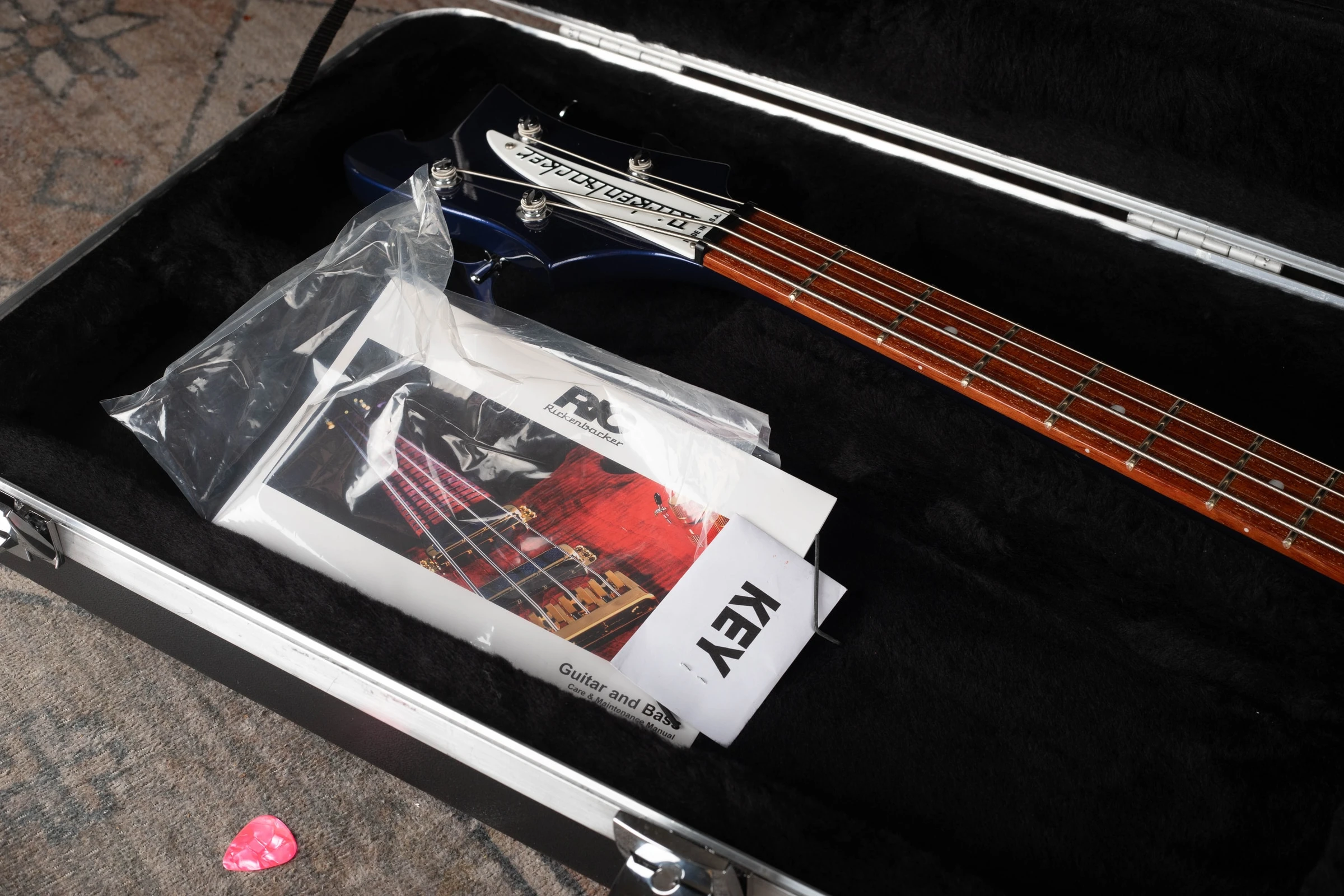
Get A Value Estimate For Your RickenbackerAbout These PhotosThe photos show our 1989 4003 for general bass-condition comparisons. They do not show the 4002’s pickups, ebony fingerboard, binding or additional output. Click a detail photograph to enlarge it.
Identify Before You Compare
Models And Variants
- Original 4002
- Deluxe bass with model-specific pickups, appointments and output system.
- Later 4002 Reissues
- Later instruments must be dated independently; the model name alone is insufficient.
- Modified 4001 / 4003
- Added pickups or electronics do not establish a factory 4002.
Value An Original 4002 As Its Own Model
The chart applies to original 4002 production from 1977 to 1984 in excellent, original condition. This model’s electronics, appointments and construction need to be checked together before applying the range. A modified 4001 or 4003 does not become a 4002 because it has similar cosmetic details.
Later recreations require a separate appraisal. The original-era range does not cover a modern reissue, an instrument with replacement model-specific pickups or a bass with unresolved structural repairs. Complete original electronics and documented condition are central to the estimate.
Evaluate Missing Electronics Before Setting A Price
A changed or damaged model-specific pickup may be harder to replace correctly than a common control pot. Have the complete circuit tested and identify any absent functions. A bass that works through one output may still have substantial electrical changes.
Structural condition also matters: binding work, a repaired neck and a replacement bridge should be documented individually. A restoration estimate helps define the cost, but restored condition may still attract a different buyer from an untouched example.
Use An Individual Appraisal For A Serious Sale
Send the serial, full front and back, all outputs, pickup close-ups, fingerboard and binding details. Include service records and any original components that were removed. A short recording of all working output modes can supplement the photographs.
For a scarce bass, the time available to find a buyer can affect an acceptable offer. Tell Joe whether you want an estimate of market value or an immediate purchase offer, and disclose any work that remains unresolved.
From Market Value To An Offer
Start with the chart row for the correct model, years and configuration. The ranges describe estimated market value for excellent, original instruments. A direct purchase offer also accounts for condition, needed work and the time involved in preparing the instrument for its next owner.
- Confirm the model and year. Use the matching authentication guide and document the serial, construction and original configuration. Do not apply a rare-variant range before confirming that identity.
- Account for known work. Get a specific repair estimate. Do not apply a universal percentage for every refinish, neck repair or changed pickup. See the changes that affect vintage guitar value.
- Estimate your net proceeds. For a private sale, subtract actual selling fees, shipping, insurance and agreed repairs from the expected selling price. A hypothetical $4,000 sale with $400 in total costs would net $3,600; those figures illustrate arithmetic, not a fee schedule or this model’s value.
- Compare the complete offer. Include who handles packing, payment, shipping and any repairs. A direct purchase offer should be assessed on its terms and certainty as well as the dollar amount.
Use the matching authentication guide before assigning a premium for originality or an unusual version.
Photos For An Appraisal
Take unfiltered photographs in even light. Include the full front and back, both headstock faces, the entire serial or other markings, pickups, controls, bridge, neck joint and any damage. Add the measurements or model-specific views described above. Photograph the case, paperwork and removed parts separately.
You do not need to take the instrument apart for an initial review. If a detail cannot be seen, say so. A clear statement of known repairs and unknown history is more useful than an unsupported claim of complete originality.
Have A Rickenbacker To Identify Or Sell?
Send Joe your photos and any known history. We can help identify the instrument, discuss its condition and make an offer if you are ready to sell.
Related Rickenbacker Guides
Photo Credits And Scope
Photographs are from Joe’s Vintage Guitars’ instrument archive. Captions identify the actual instrument shown, including related-model and later-production comparisons. Full frames and existing watermarks are retained. A photograph of another model is not evidence of the correct construction for yours.