

Original Blackface And Silverface Amps
Princeton Reverb Vs. Deluxe Reverb Vs. Twin Reverb
Choose by the clean volume you need, the speaker format you prefer and the amplifier you can comfortably move.
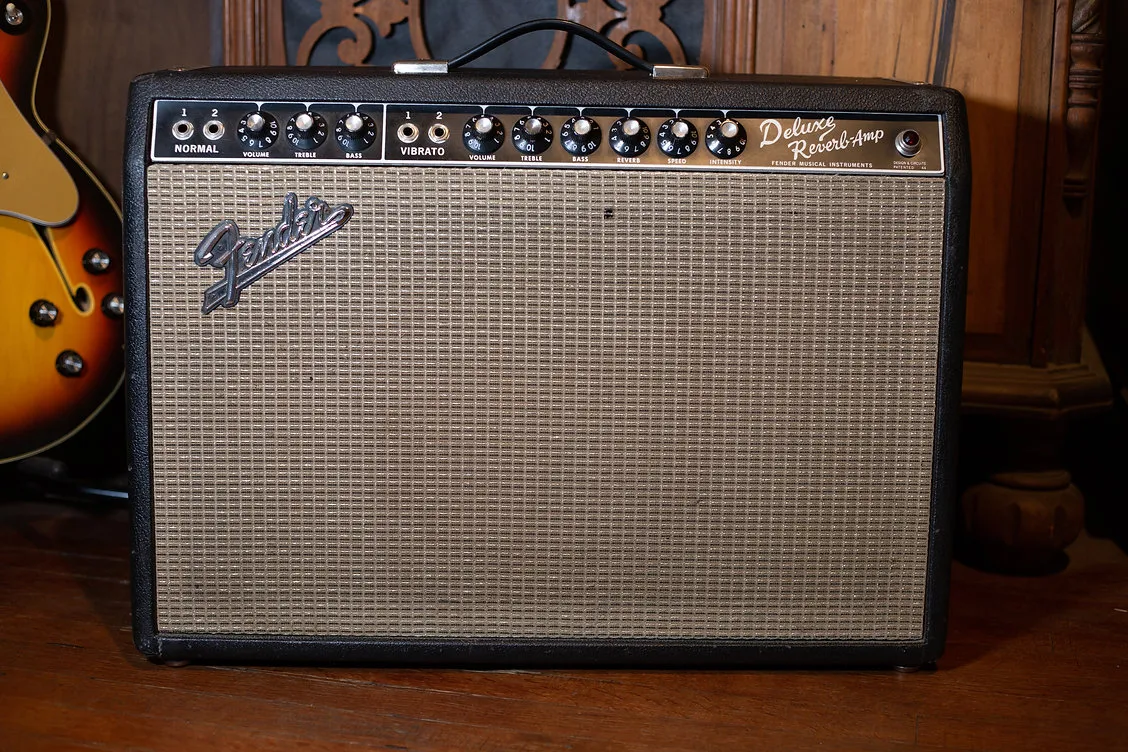
The Princeton Reverb is the smallest of these three vintage combos, the Deluxe Reverb adds output and a twelve-inch speaker, and the Twin Reverb provides substantially more clean output through two twelve-inch speakers. Start with the volume your playing requires and how you’ll transport the amp. Then compare the individual examples. Speaker replacements, service condition and circuit revisions can change what you hear from two amplifiers carrying the same model name.
Playing recommendations are starting points for an audition. The condition, speakers and circuit of an individual vintage amplifier can change the result.
Blackface Reference Configurations
Vintage Fender Reverb Amp Comparison
| Model | Output | Power Tubes | Speakers | Weight | Best For | Value Range |
|---|---|---|---|---|---|---|
| Princeton Reverb | 12 W | Two 6V6 | One 10-inch | 28 lb documented example | Compact recording and lower-volume use | $2,650 to $3,550 |
| Deluxe Reverb | 22 W | Two 6V6 | One 12-inch | 37 lb documented example | A portable starting point for rehearsal and gigs | $3,450 to $4,300 |
| Twin Reverb | 85 W | Four 6L6GC | Two 12-inch | 62 lb documented example | Higher clean-volume requirements | $2,250 to $3,100 |
| Vibrolux Reverb | 35 W | Two 6L6GC | Two 10-inch | 40 lb documented example | Two ten-inch speakers in a smaller combo | Individual appraisal |
| Super Reverb | 40 W | Two 6L6GC | Four 10-inch | 60 lb documented example | Four-speaker coverage and stage use | Individual appraisal |
Weights describe individual documented vintage examples, not guaranteed factory weights: 1966 Princeton, 1966 Deluxe, 1966 Twin, 1967 Vibrolux and 1967 Super. Output figures are nominal model ratings. Values reproduce the excellent-original blackface rows in the linked guides below. Vibrolux and Super ranges aren’t included in this chart.
For the complete price groups and condition assumptions, use the Princeton value guide, Deluxe value guide and Twin value guide. The single range for each model above is its blackface reference, so it shouldn’t be applied automatically to a later silverface example.
Weight can change with speakers, transformers, cabinet work and accessories. Ask for the actual amplifier to be weighed if carrying it is a deciding factor. A measurement taken from a current reissue’s specification sheet doesn’t establish the weight of a vintage amp with different parts.
Try Your Loudest Playing First
Headroom And The Clean Sound You Need
Clean headroom is the room an amplifier has before the sound becomes more distorted at the level you’re using. The Twin’s much higher nominal output makes it the starting candidate when clean volume is the main requirement. The Princeton is the first one to try when smaller size and lower output suit the job. The Deluxe sits between them in this comparison.
That order doesn’t mean every guitar and speaker will produce the same result. Bring the guitar you’ll use, including its hottest pickup setting, and play as hard as the performance requires. Listen for whether the attack stays clear at the needed volume. Set the tone controls for the sound you want instead of comparing identical knob numbers on different circuits.
For pedal use, decide where you want distortion to originate. If the amplifier needs to stay clean while pedals supply the gain, audition that clean level with the pedals connected. If you want the amplifier itself to overdrive, check the volume at which you like that sound. A pleasing overdriven sound may be too loud or too quiet for the intended room.
Treat a weak or noisy example as an inspection question before forming an opinion about the entire model. Worn tubes, speaker problems or circuit changes can affect the audition. Ask what service has been completed and whether the amp follows its original specification. The purchase is for that individual amplifier in its present state.
Band Level And Microphone Support
Volume At Rehearsal And Onstage
Princeton And Deluxe At A Gig
A Princeton can be a useful choice when the required stage volume is modest or a microphone carries the sound through the PA. Test its clean level against the actual band. The Deluxe offers more nominal output and a larger speaker, making it a sensible next comparison when the Princeton runs out of the clean sound you need. Neither model should be chosen solely from a promise that it will handle every drummer.
Twin, Vibrolux And Super Options
The Twin is a strong candidate for a loud clean foundation. The Vibrolux and Super offer different speaker formats and output levels, so include them if the two-twelve-inch Twin feels too large or you prefer ten-inch speakers. Listen at the required stage level. The Super’s four-speaker cabinet also changes the carrying problem, even when its nominal wattage is lower than the Twin’s.
Set up the audition as close as possible to the intended stage arrangement, including microphone and monitor support.
Silverface Twins require particular care in this discussion. Later standard and ultralinear versions have different output specifications from the blackface reference in the table. A master-volume control also changes the available control arrangement. The word silverface doesn’t identify one circuit, and the Princeton or Deluxe shouldn’t inherit the Twin’s specifications because their panels share a color.
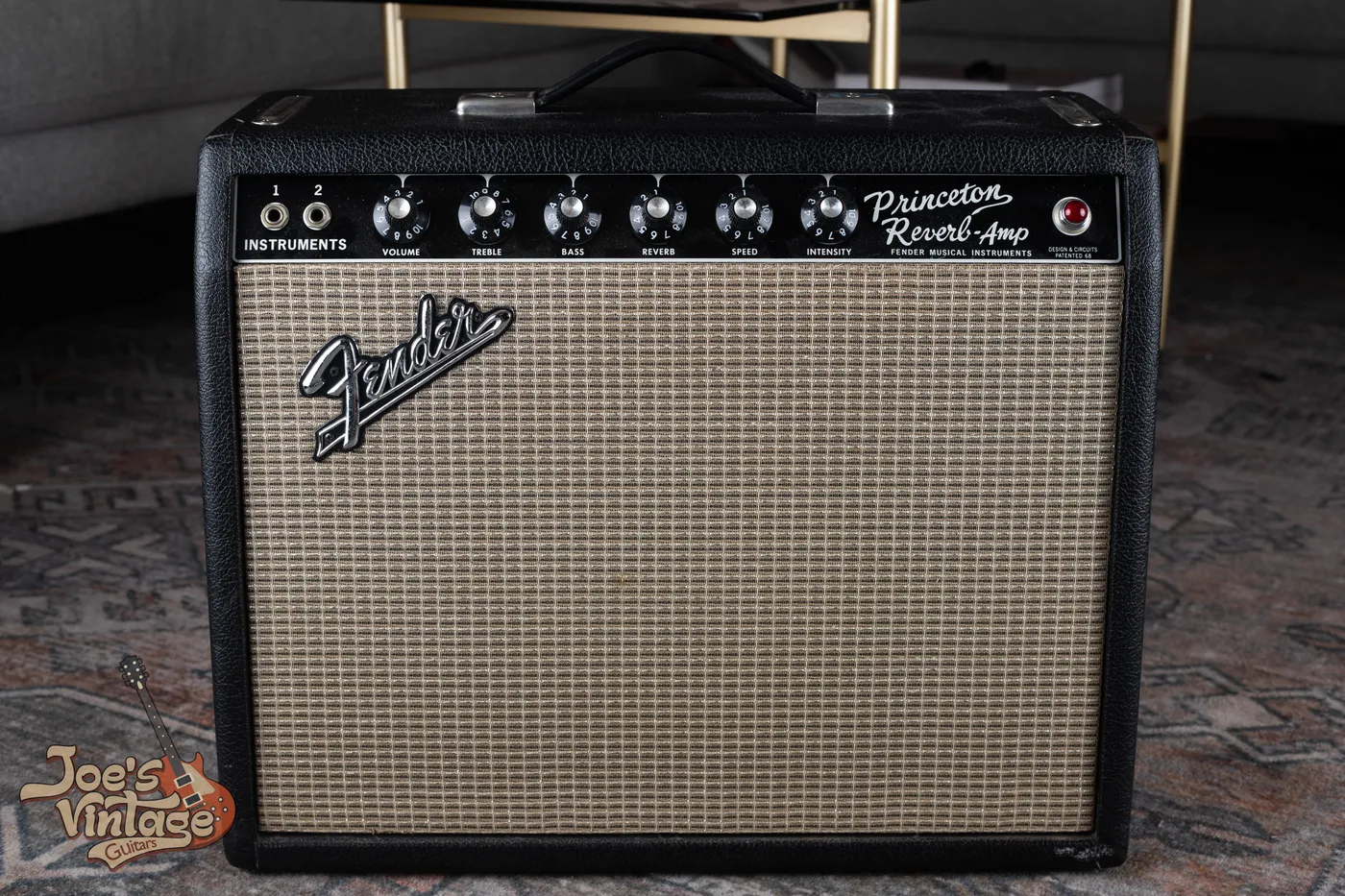
1966 Princeton Reverb And 1966 Twin Reverb
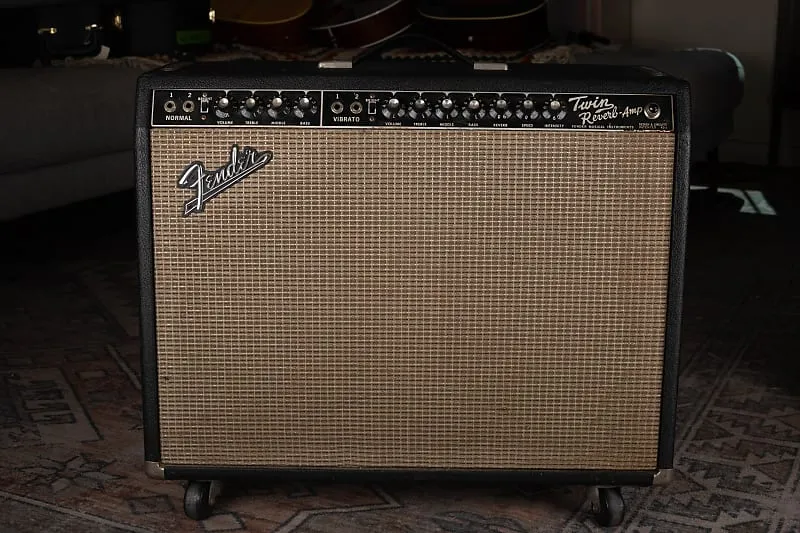
Choose The Sound At The Microphone
Recording With A Princeton, Deluxe Or Twin
For recording, begin with the required sound and the room’s acceptable volume. A Princeton is an easy first audition when you want a compact combo and a single ten-inch speaker. A Deluxe changes both the output level and speaker format. A Twin remains useful when you want its clean response and two-speaker arrangement, even if the session never approaches its full available output.
Place the microphone and listen back before deciding that a larger amp records better. The sound at a microphone close to a speaker can differ from what you hear standing across the room. Try each amplifier in the same recording setup, then make deliberate changes in position. Keep guitar, performance and recording level reasonably consistent during the comparison.
Check background hum, rattles and intermittent reverb at the settings you’ll record. Ask about service history and have a technician investigate faults before relying on the amp for a session.
Built-in reverb and tremolo should be auditioned separately from the dry sound. Listen through the useful control range and try the footswitch if it’s included. Record any effect fault separately from your preference for its sound.
Measure Your Actual Route
Weight, Cabinet Size And Everyday Transport
The documented examples show a substantial carrying difference between a Princeton and a Twin. Cabinet dimensions and the way the load sits in your hands matter as well. Before buying, consider stairs, doorways, the vehicle opening and the distance from parking to the stage. An amp that fits comfortably in a rehearsal room can still be inconvenient on that route.
Check the handle and mounts before lifting. Casters help on level surfaces, but stairs and loading into a car still require a lift.
Speaker substitutions can materially change the load. The Twin weight in the table comes from a documented 1966 example with period-correct Jensen C12N speakers. It isn’t a promise for a Twin with different speakers. Ask for the present weight and a rear photograph together so the measurement can be connected to its actual configuration.
Use The Matching Value Guide
Price The Version And Its Condition
A smaller amplifier doesn’t automatically cost less in the vintage market. The blackface ranges above come from separate model entries and reflect different collector and player demand. Begin with the correct version, then inspect originality and service needs. The size that suits your playing and the version that commands the highest collector price may lead to different choices.
Look beyond the initial purchase figure. A speaker replacement, missing reverb equipment or major cabinet work changes the condition assessment, while an unserviced amp may need electrical attention. Ask for a clear repair history and arrange an inspection where needed. Don’t treat a seller’s “all original” statement as a guarantee of safe operation.
Silverface alternatives deserve their own chart lookup. Their lower or higher asking prices can’t be judged from the blackface row alone, and the early trim, master-volume or boost distinctions need correct identification. Preserve the model’s actual features in the description instead of treating an alteration toward an earlier circuit as equivalent to an untouched earlier amplifier.
Send The Evidence
Compare The Specific Amps You’re Considering
Send Joe the model names, photos and known changes. An appraisal can separate the price question from the playing preferences you’ll decide in an audition.
Originality And Date Evidence
Confirm The Model Before Making The Choice
The Princeton identification guide distinguishes non-reverb, reverb and transitional models. The Deluxe identification page covers the 5E3 and later Deluxe families, while the Twin identification page follows the major Twin Reverb revisions. Each includes modern reissue checks so a familiar-looking new amp doesn’t enter an original-vintage comparison.
For broad cosmetic clues, read the tweed, brownface, blackface and silverface article. A readable chart stamp can be checked with the date decoder; transformer and speaker evidence provides another route when the chart is absent. Keep the date finding separate from the listening test. A correct year doesn’t decide which amp will suit your room.
Original Models And Measured Examples
Comparison Specification Sources
- Blackface Princeton Reverb
12-watt, two-6V6 and single-ten-inch specification.
- Blackface Deluxe Reverb
22-watt, two-6V6 and single-twelve-inch specification.
- Blackface Twin Reverb
85-watt, four-6L6GC and two-twelve-inch specification.
- Greg Gagliano’s Vibrolux Reverb
Documented 1967 example: 35 watts, two 6L6GC, two ten-inch speakers and 40 pounds.
- Greg Gagliano’s Super Reverb
Documented 1967 example: 40 watts, two 6L6GC, four ten-inch speakers and 60 pounds.
Questions AboutChoosing A Vintage Fender Amp
Is A Princeton Reverb Loud Enough For A Band?
Is A Twin Reverb Too Loud For Recording?
Does The Deluxe Reverb Always Cost Less Than A Twin?
Can I Use Modern Reissue Weights For Vintage Amps?
The Last Word
Audition The Amp At The Volume You Need
Choose a candidate from its output and speaker format, then audition the particular amp and check its carrying weight. For a condition-based estimate, use the linked model value guides or send Joe your amp photographs. If you’re selling an amplifier you no longer use, see how to sell an amp to Joe.
Playing recommendations are starting points for an audition. The condition, speakers and circuit of an individual vintage amplifier can change the result.