

Fender Telecaster Identification · 1968 To 1981
Fender Telecaster Thinline, Custom And Deluxe Authentication Guide
The f-hole, pickup combination and headstock narrow the model. The neck joint, internal evidence and finish history establish whether the parts belong together.
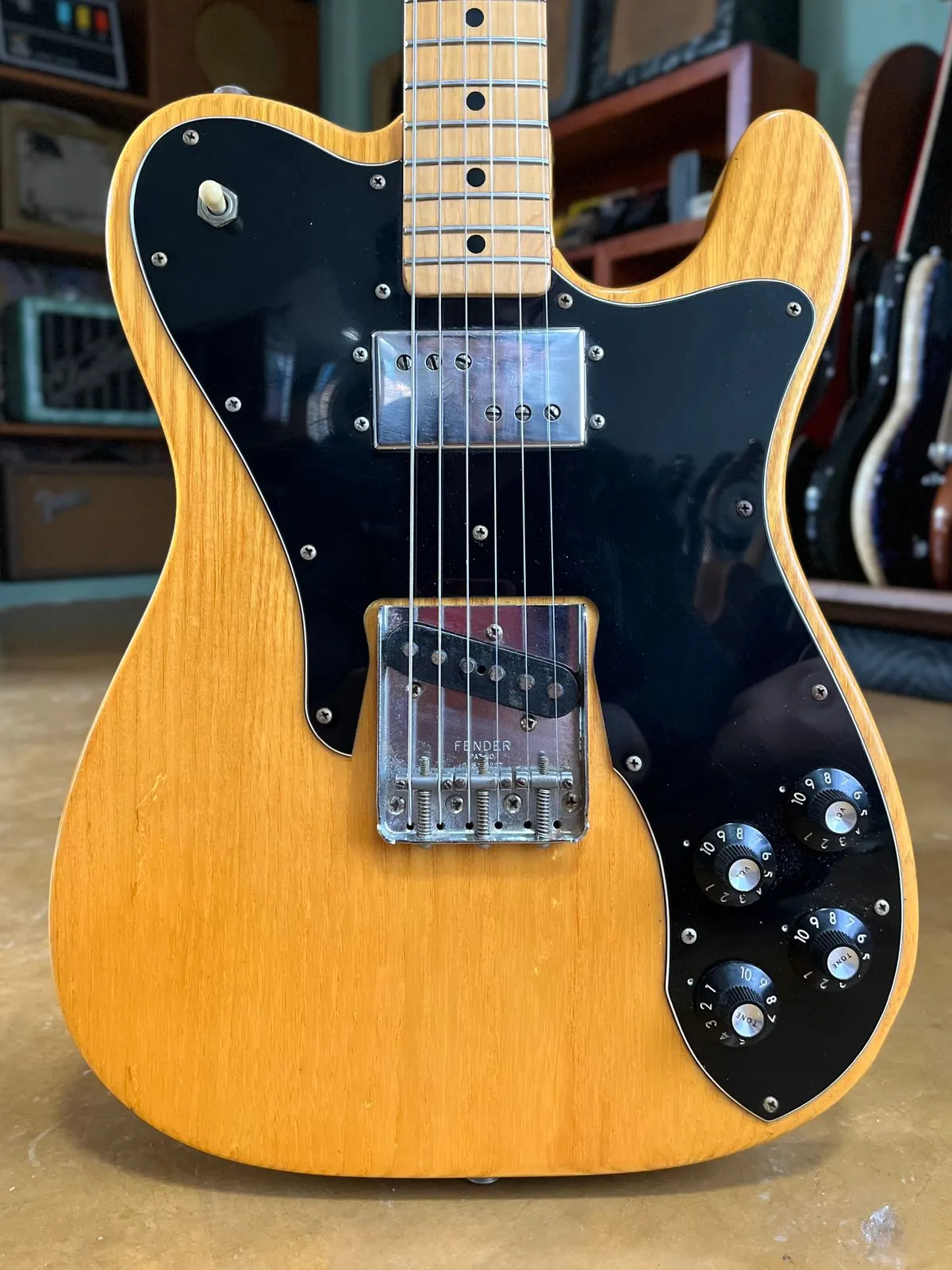
A vintage Thinline, Telecaster Custom and Telecaster Deluxe share a recognizable body outline, but their construction and electronics differ. Identify the design before applying the model-specific value charts. These photographs include a modified 1972 Thinline, two differently worn 1974 Customs, a 1977 Deluxe and later examples that illustrate why a vintage-style appearance can’t establish an original production date.
Authenticity And Originality Are Assessed From The Information Provided. A Hands-On Inspection Can Change The Conclusion.
Model Names And Factory Layouts
Identify Thinline, Custom And Deluxe Features
| Family | Body And Neck Clues | Pickup And Control Layout |
|---|---|---|
| Early Thinline | Partially hollow body, f-hole, four-bolt neck | Two Telecaster single-coils; two knobs and blade switch |
| Later Thinline | F-hole, three-bolt neck and bullet adjustment | Two Wide Range humbuckers; two knobs and blade switch |
| 1972 To 1981 Custom | Solid slab body, Telecaster headstock, three-bolt neck | Wide Range neck pickup, bridge single-coil; four knobs and toggle |
| Deluxe | Solid body with rear contour, large headstock, three-bolt neck | Two Wide Range humbuckers; four knobs and toggle |
The earlier bound Custom Telecaster is a separate design with two traditional single-coils. Its name can be shortened to Custom in advertisements, creating confusion with the 1972 redesign. Record the pickup configuration and body binding before choosing the relevant history or price comparison.
A standard Telecaster fitted with a neck humbucker can resemble a Custom from a distance. The factory Custom’s guard, four controls, toggle location and neck features provide additional checks. A replacement pickguard can imitate the layout, so the body routing and original construction remain important when a conversion is suspected.
Likewise, two humbuckers alone don’t establish a Deluxe. Compare the large headstock, rear contour and full control arrangement. Photographs of the back often resolve a model question that several front close-ups leave unanswered.
1968 Introduction And The Later Wide Range Design
Thinline Construction And The Pickup Transition
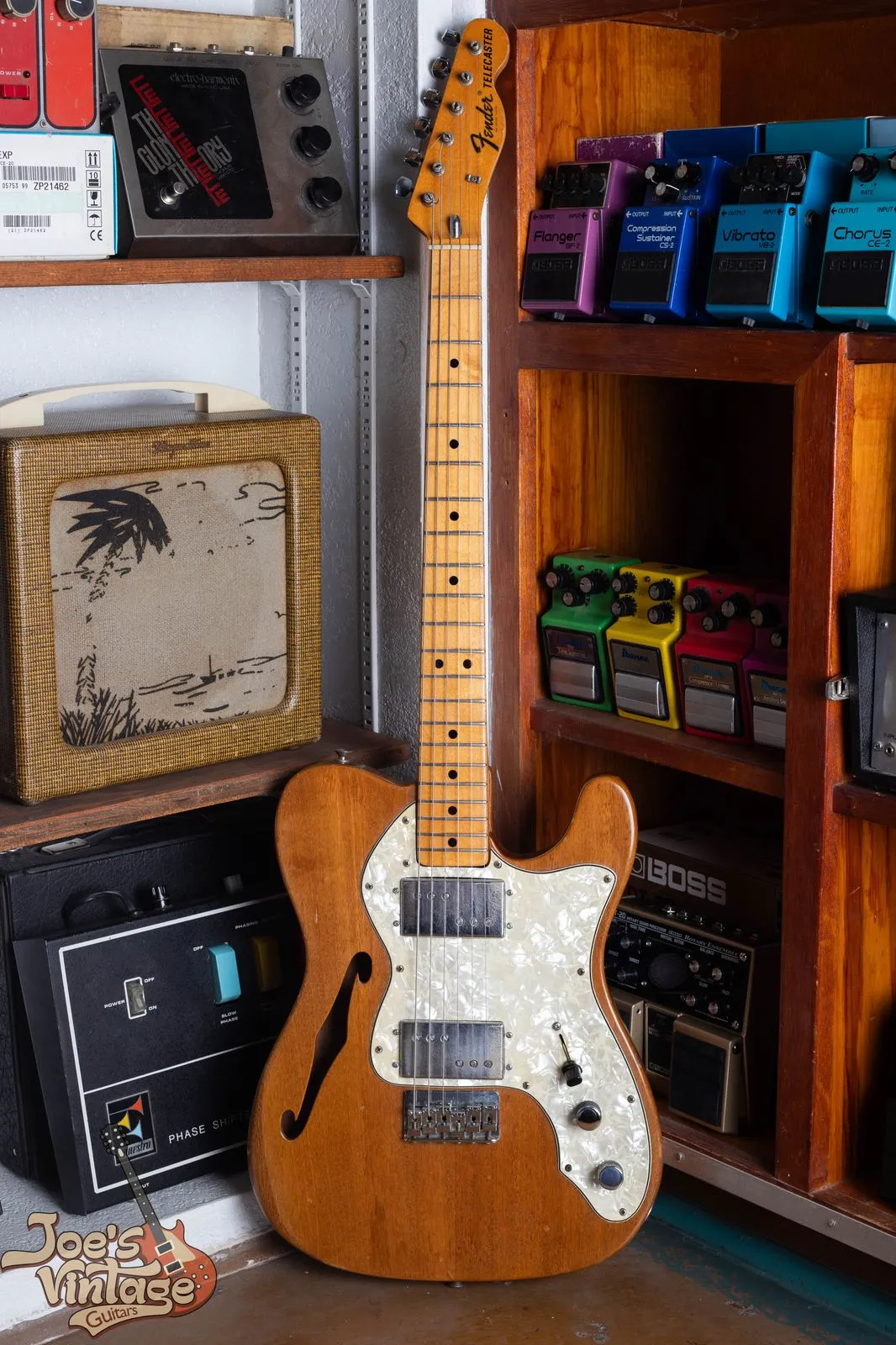
The Thinline introduced in 1968 uses a partially hollow body with an f-hole and a distinctive extended pickguard. The body construction includes chambers closed with a back panel. Early versions retain traditional Telecaster single-coil pickups, and natural ash and mahogany are familiar early examples.
The design changes in 1971 to two Wide Range humbuckers with a three-bolt neck and bullet truss-rod adjustment. Around that transition, read the pickup configuration and neck attachment together. A date claimed from a serial number doesn’t resolve a four-bolt versus three-bolt mismatch.
Inspect the f-hole edge, body profile and back-panel relationship in clear photographs. An f-hole cut into another body doesn’t reproduce the complete factory construction. Internal photographs from previous repairs can help, but a first appraisal should begin with the visible instrument and its known history.
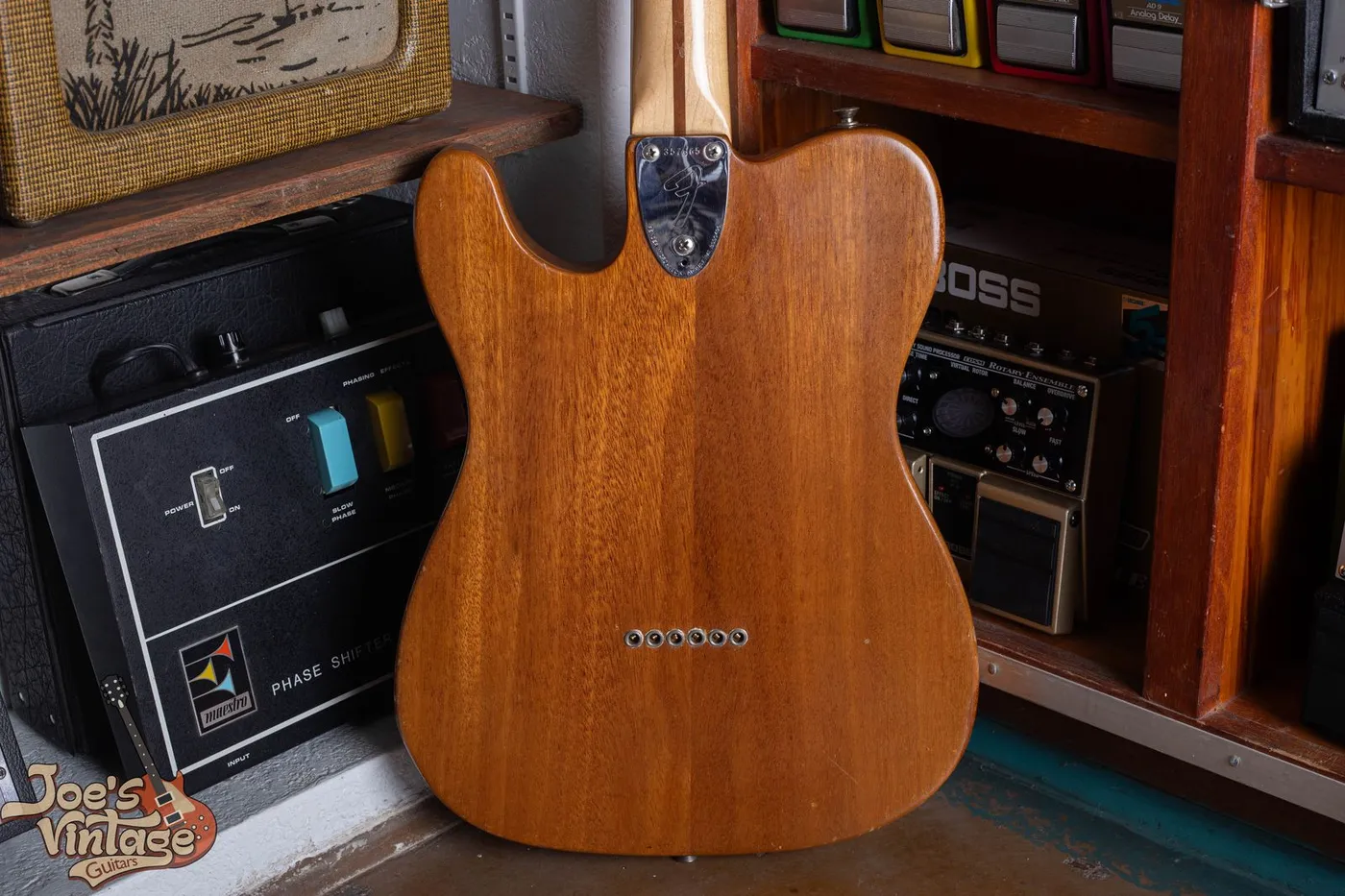
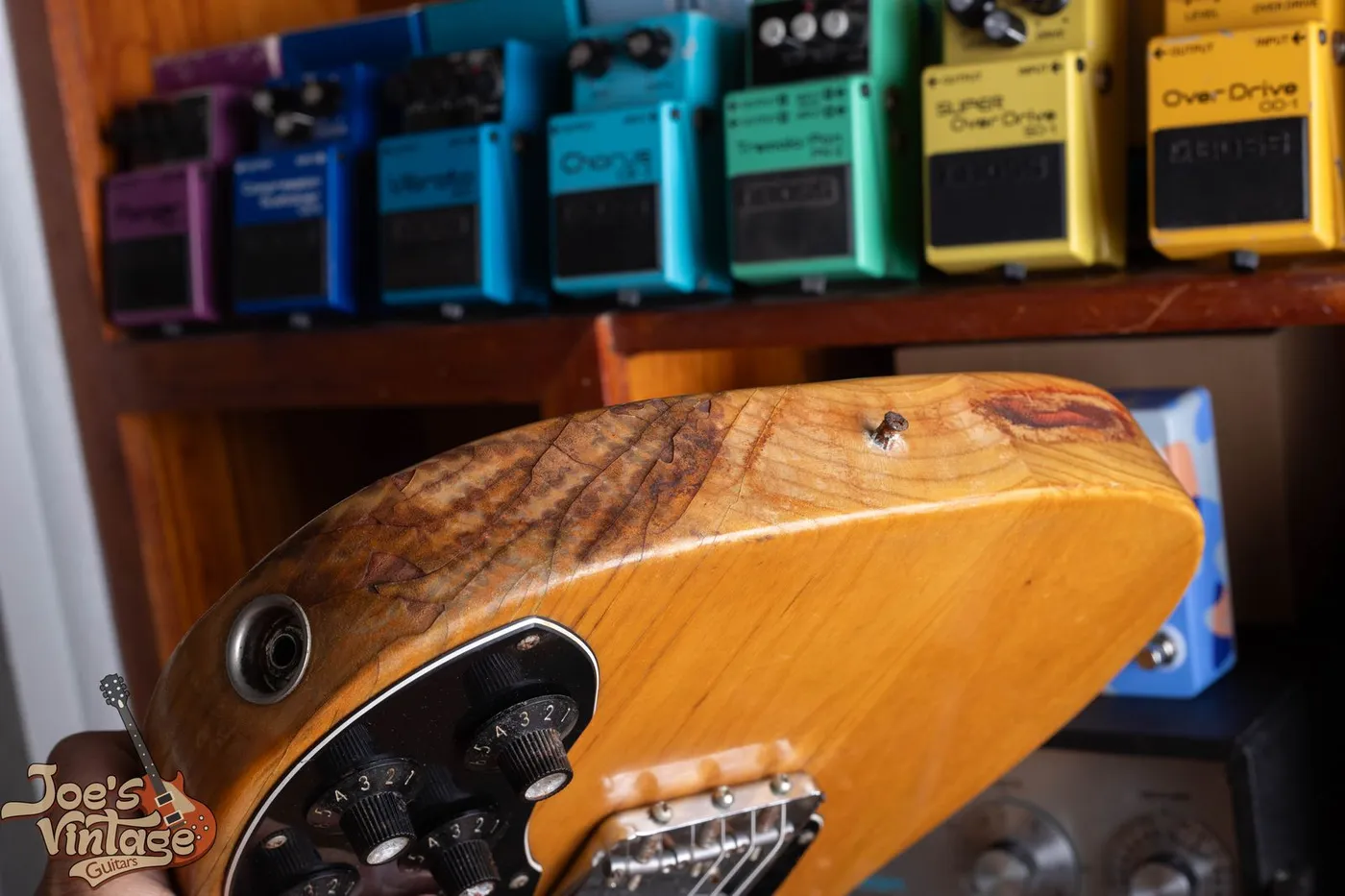
The 1972 mahogany Thinline shown here has an added arm contour and body overspray. That contour is a modification on this example. Its presence should not be taught as a normal factory Thinline feature. Compare the upper edge with a side view and record the alteration before discussing finish originality.
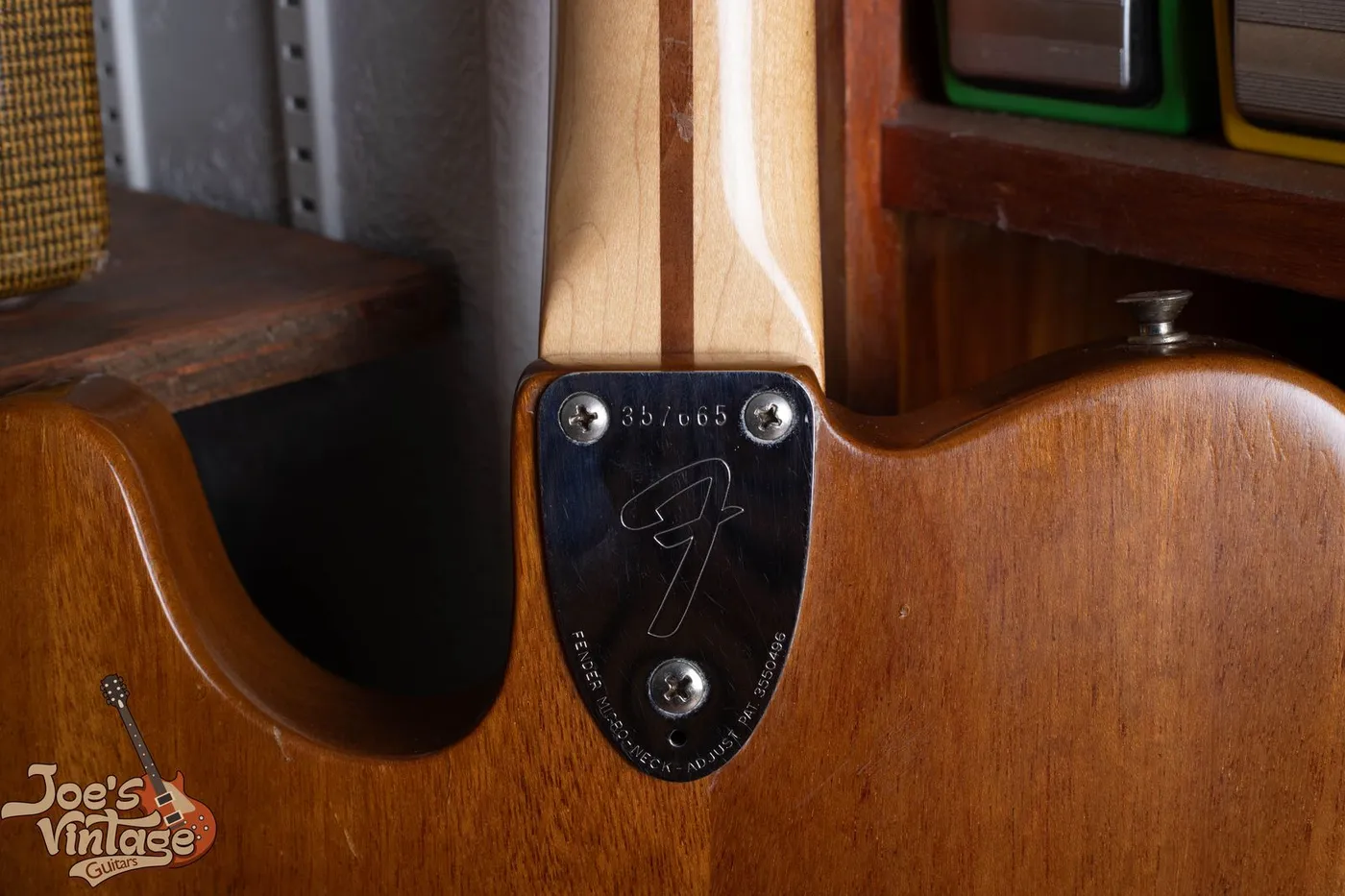
Check the neck plate, heel and headstock as a group. Replacing a neck can introduce later markings or a different adjustment system. A coherent set of parts is more useful than one correct-looking badge or plate, especially when a guitar has passed through several repairs.
Mixed Pickups And Four Independent Controls
The 1972 To 1981 Telecaster Custom
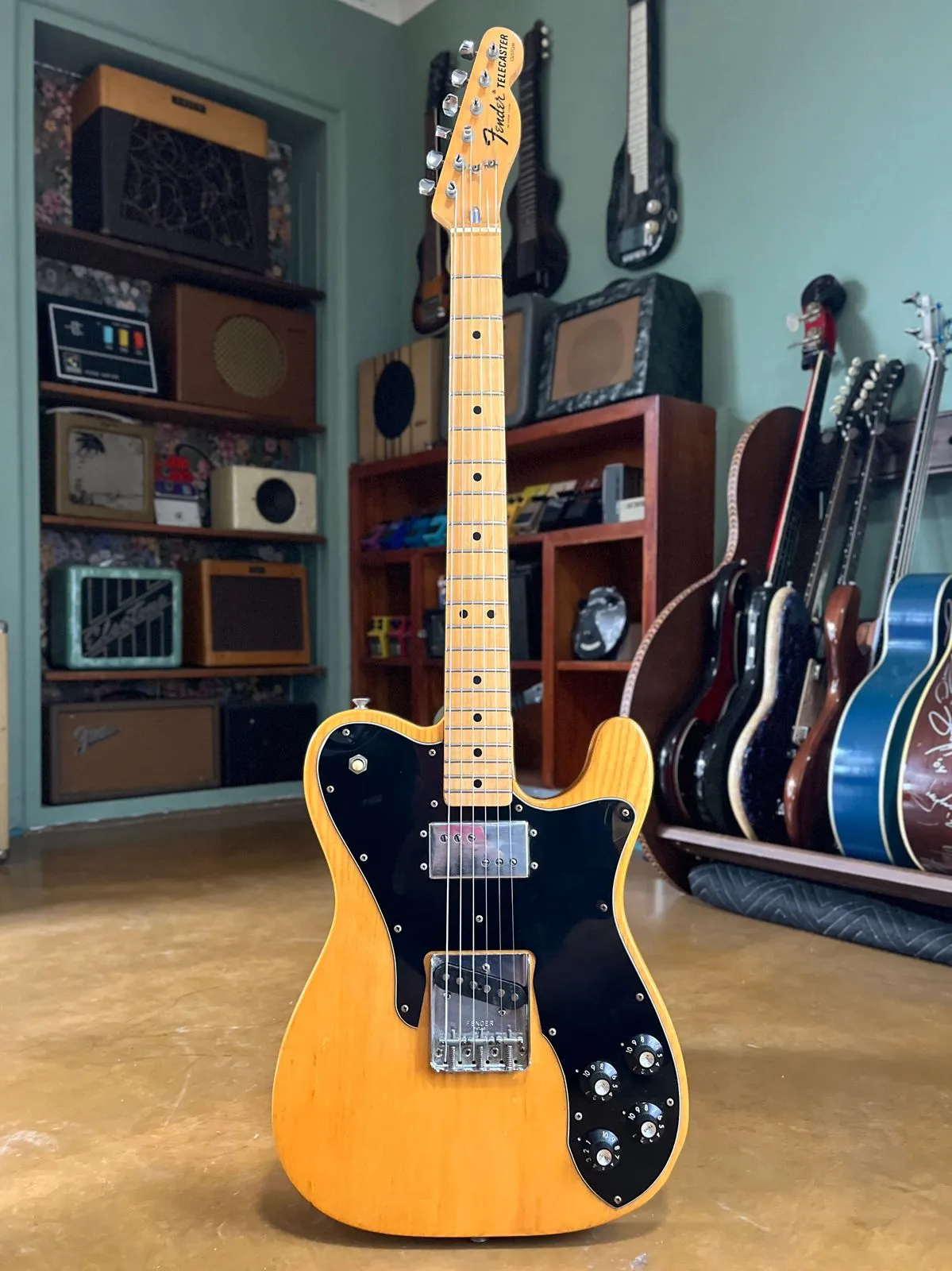
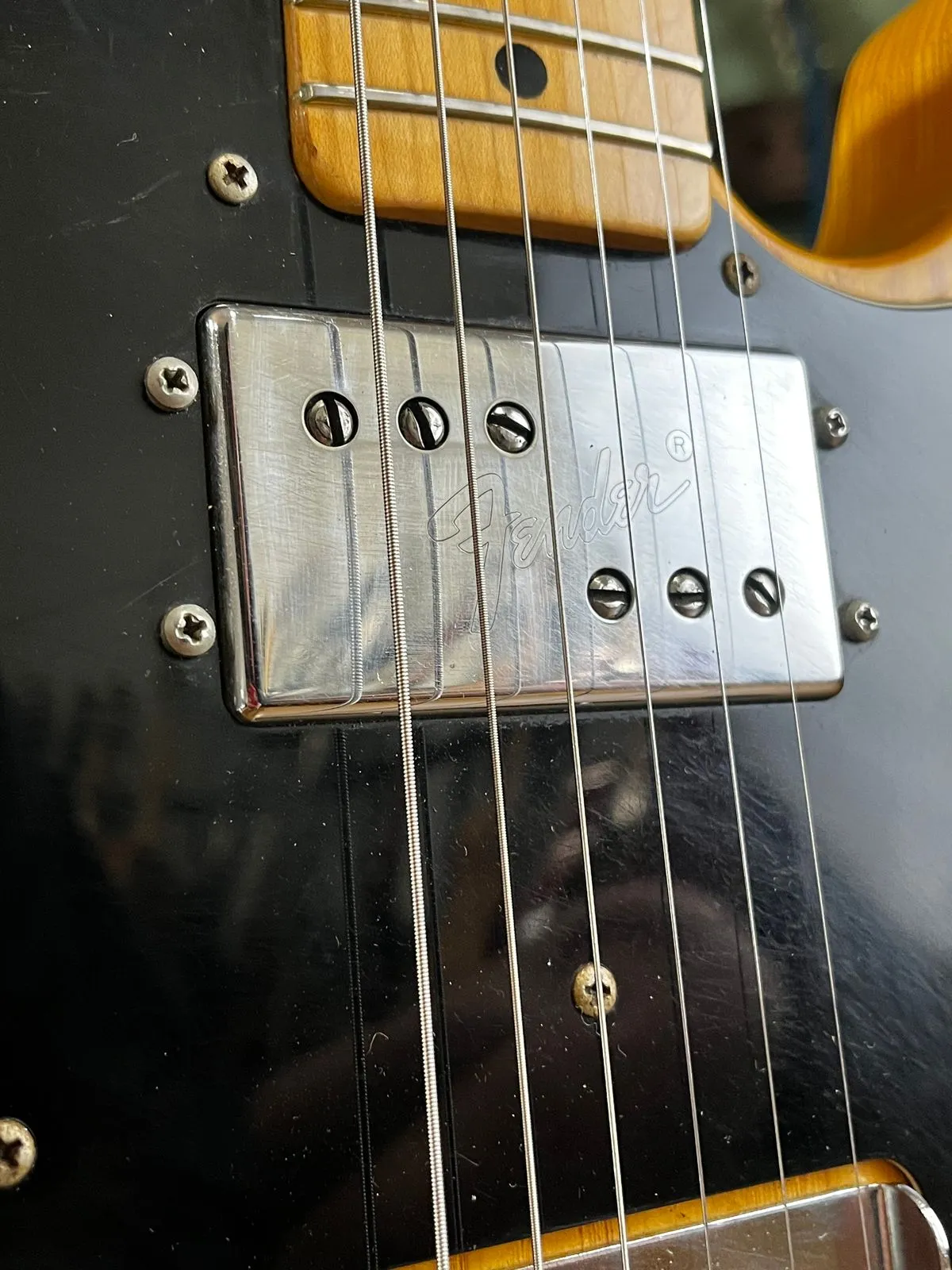
The redesigned Custom pairs a Wide Range neck humbucker with the traditional Telecaster bridge pickup. Two volume controls, two tone controls and an upper-body toggle replace the familiar two-knob control plate. The large pickguard carries much of that layout, while the body remains a slab design.
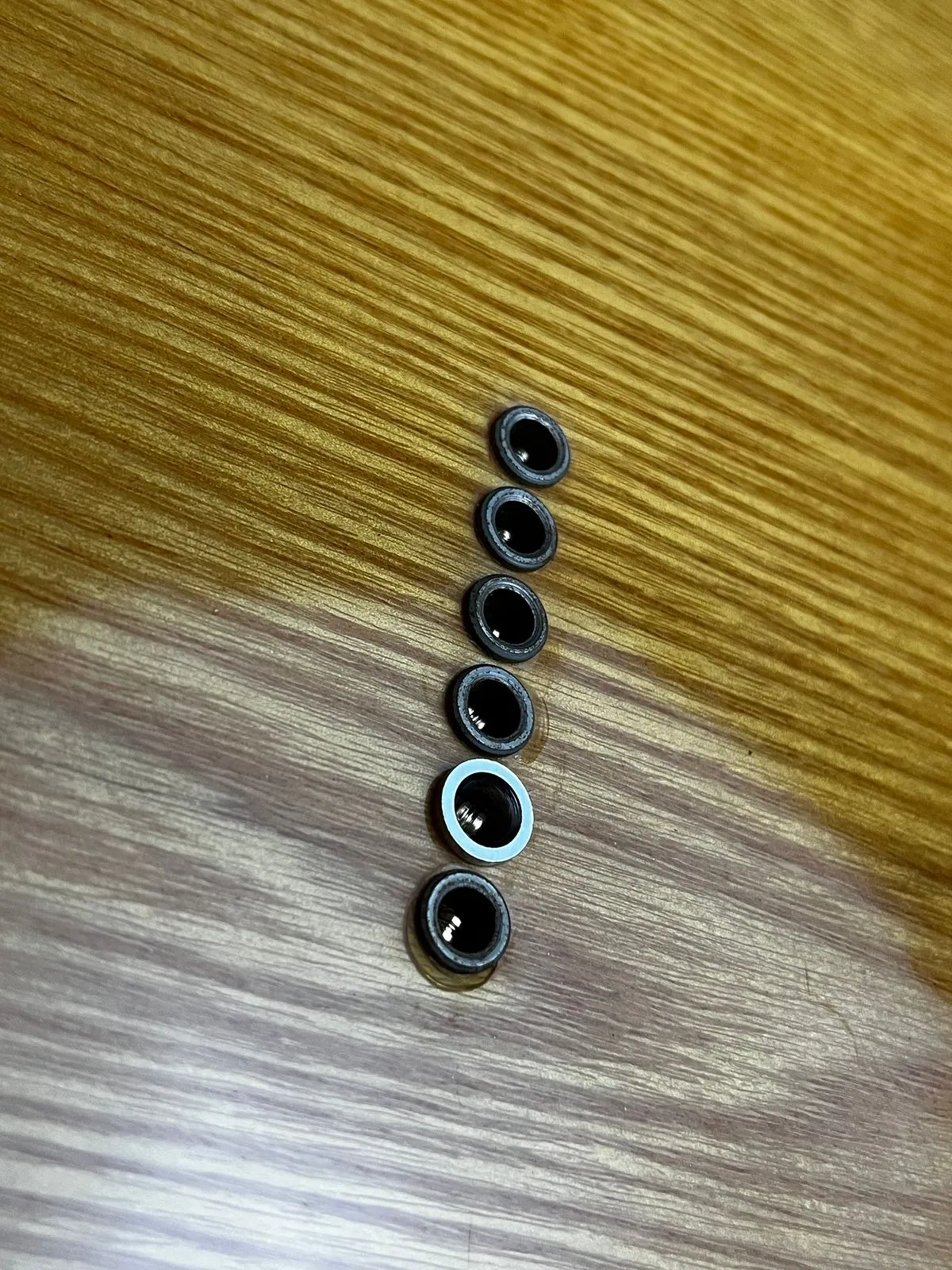
The 1974 natural example illustrates the neck humbucker, traditional bridge assembly and three-bolt neck attachment. Its documented replaced string ferrule belongs in the condition description. A single changed ferrule should not be mistaken for a different bridge system or a wholesale body conversion.
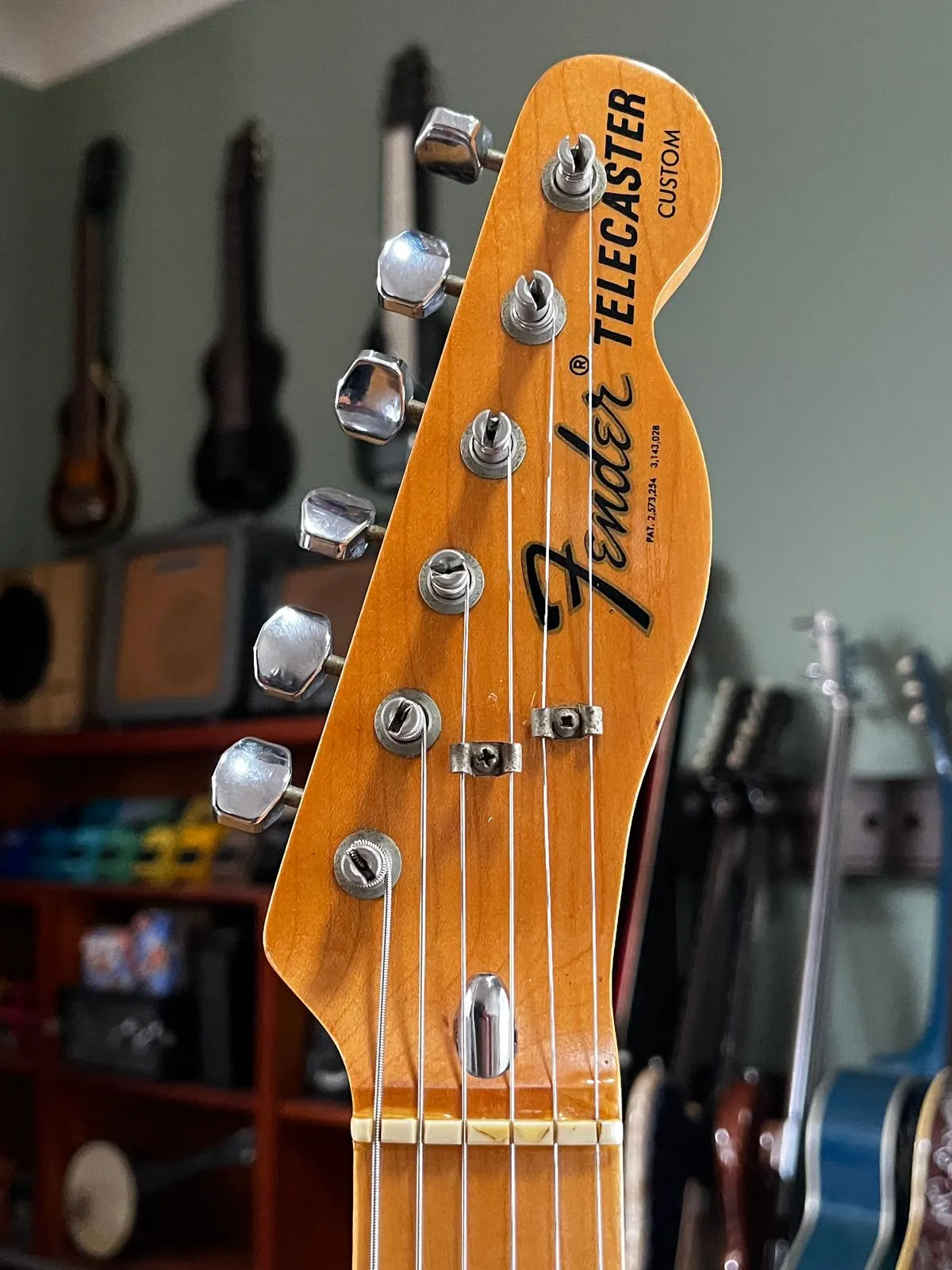
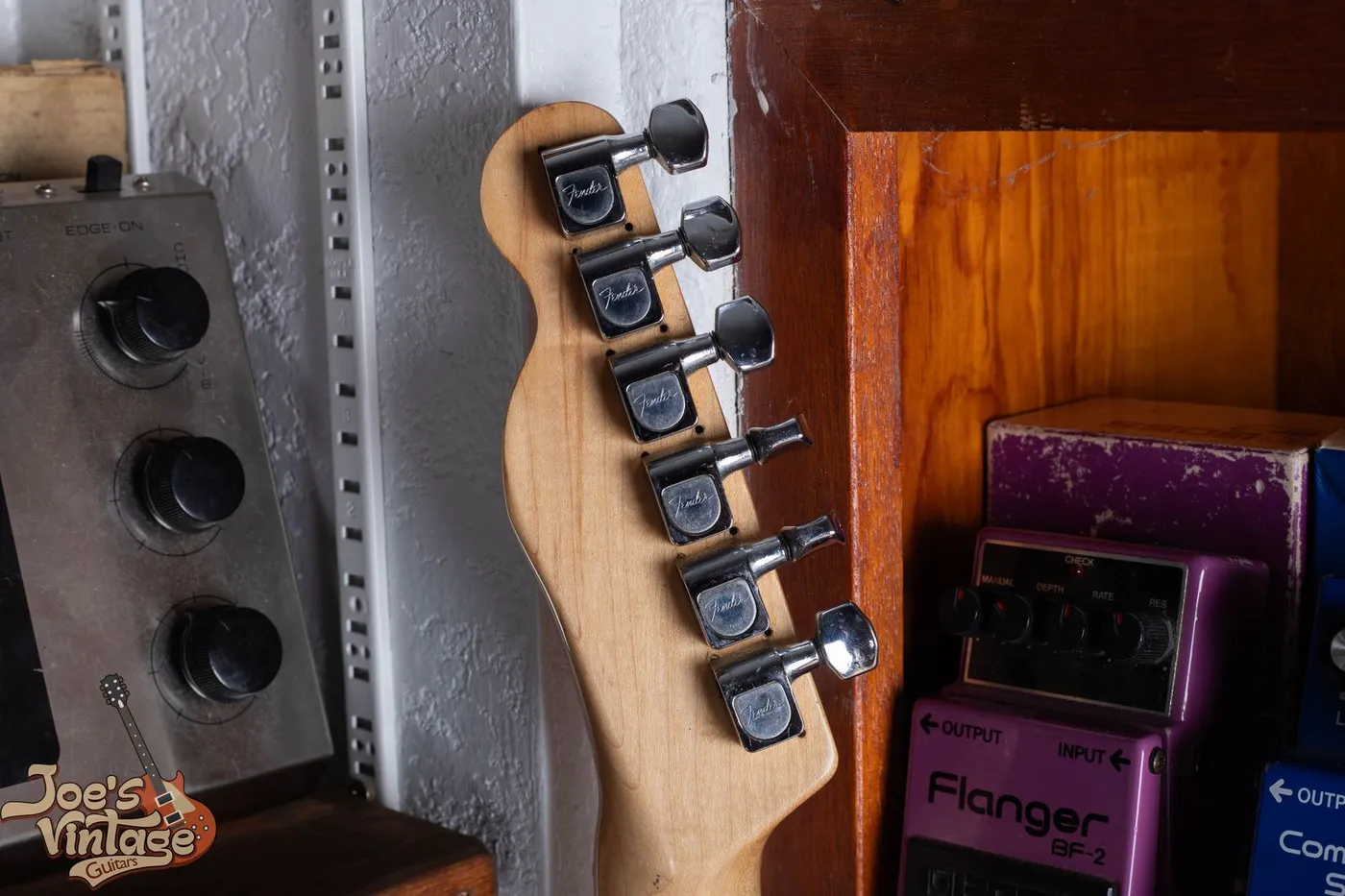
The second 1974 Custom has extensive finish damage along the lower body and replacement tuners. Those differences show why a model reference photograph should retain its condition notes. The cleaner guitar and worn guitar provide separate comparisons even though their year and basic specification agree.
A replacement tuner may leave extra screw holes or enlarged shaft openings. Photograph the rear of the headstock and any visible impressions without removing the tuners solely for an initial inquiry. If old tuner holes are already exposed, include a sharp close-up and the full headstock for context.
For wiring, record which controls operate each pickup and whether the selector behaves consistently. Owners sometimes change pot values or switching arrangements to suit their preferences. The exterior model layout can remain recognizable after those changes, so original wiring needs separate evidence.
Large Headstock, Body Contour And Two Wide Range Pickups
Original Telecaster Deluxe Identification
Fender developed the Deluxe in 1972 and introduced it commercially in January 1973. The original run continued through 1981. An early component dated 1972 can therefore appear in the model’s history without making every guitar described as a 1972 Deluxe an established production example.
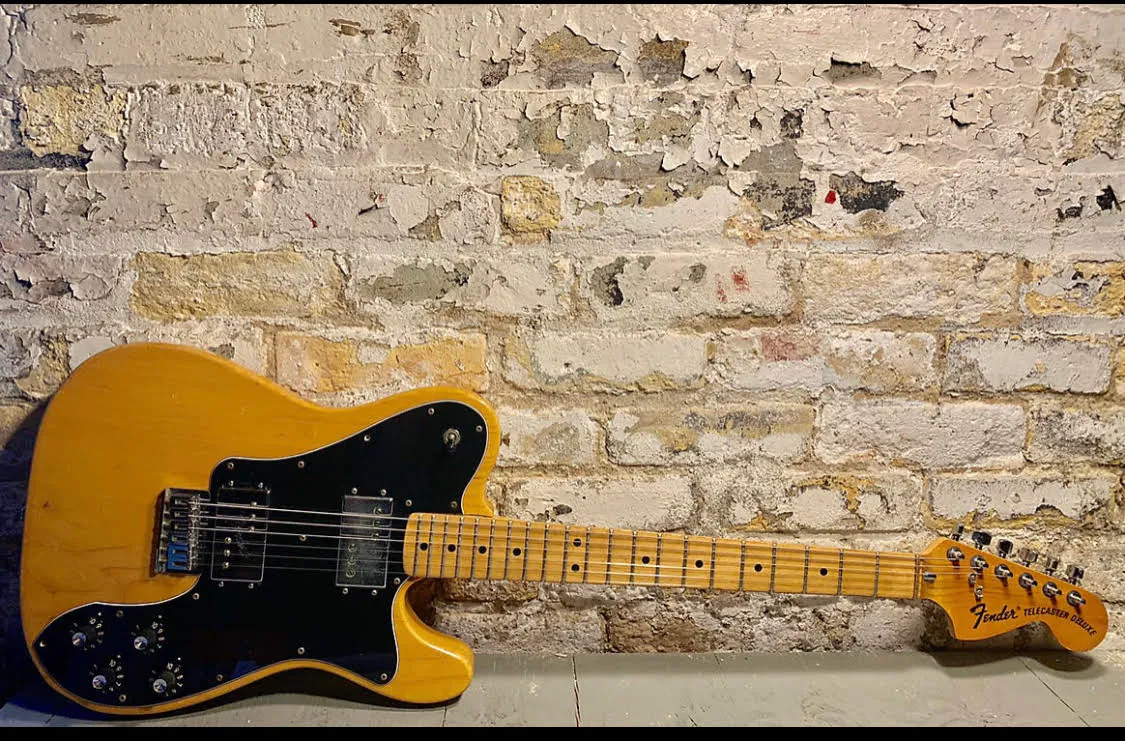
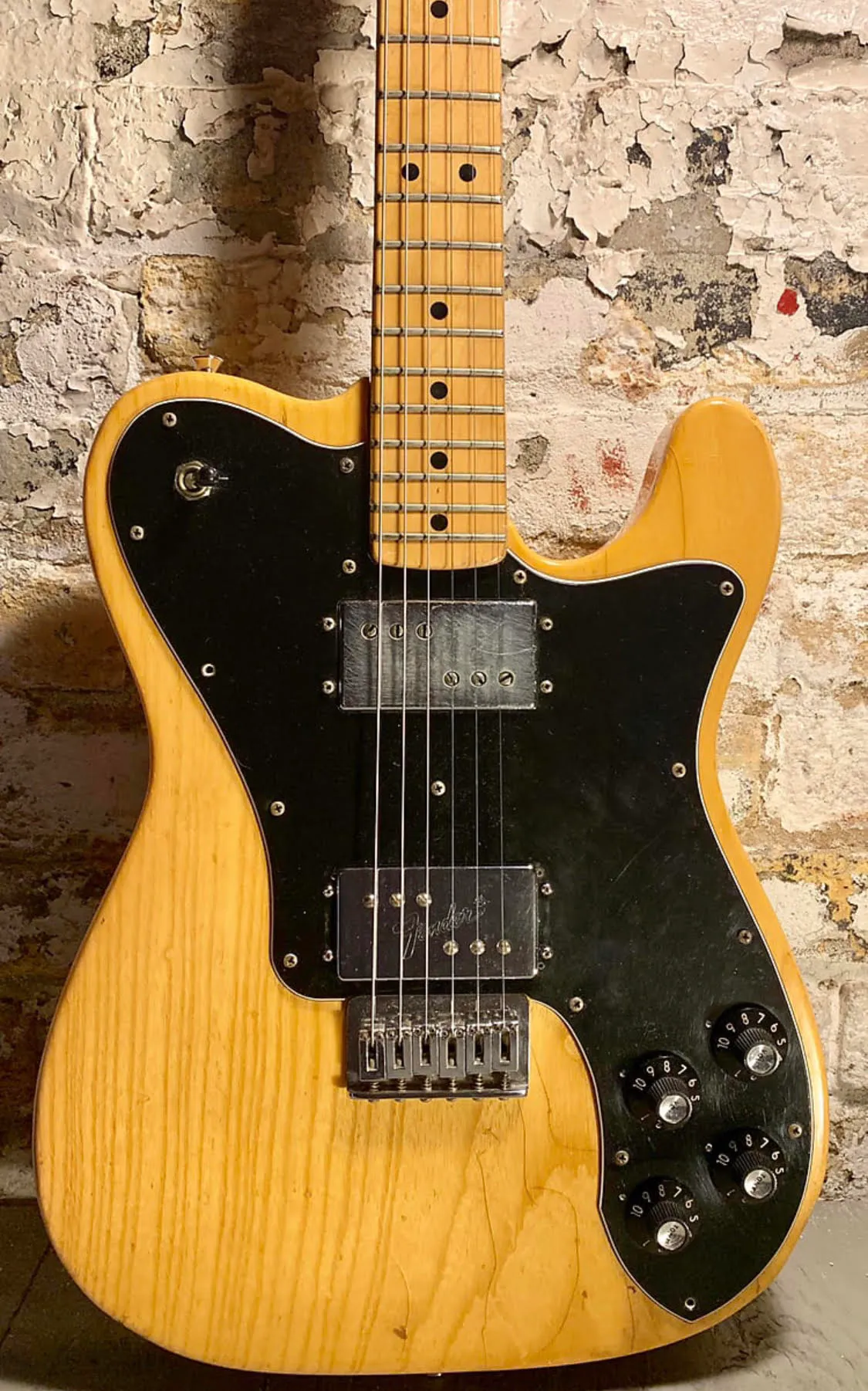
The large Stratocaster-style headstock is an immediate clue. Follow it down to the maple fingerboard, three-bolt joint and solid body with a rear contour. The four-knob controls and upper toggle resemble the Custom’s arrangement, while two Wide Range pickups distinguish the Deluxe’s electronics.
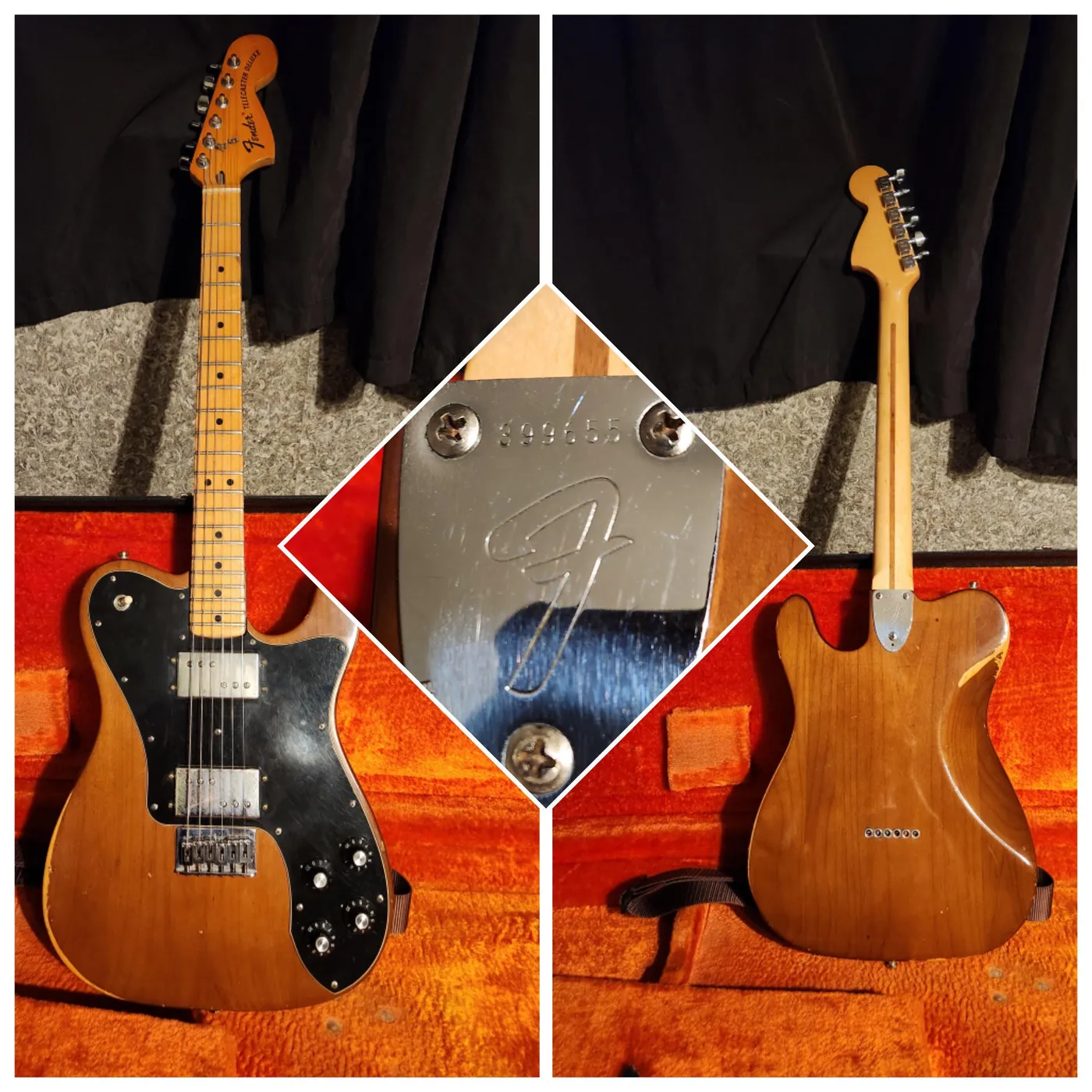
Joe’s 1977 natural guitar shows the whole front in one photograph and the body in another. The two views document the relationship between the neck and the pickup layout. The additional brown-finish Deluxe image includes the back contour and plate; its exact year is left open here pending supporting component evidence.
Most familiar examples use a hardtail bridge. Fender also offered a Stratocaster-style vibrato during the early period, with that option ending after 1974. A vibrato on a Deluxe therefore requires a date and installation check before it is classified as factory equipment or a later conversion.
Show the body’s rear routing and mounting evidence if service photographs exist. A later vibrato installation can remove wood and add holes. Returning a hardtail bridge to a routed body doesn’t erase that history, even if the front looks conventional again.
The Deluxe’s rear contour is part of its factory design. Keep that distinction clear when comparing it with the modified Thinline shown earlier. The same visual feature can have a different explanation on another model, which is why authentication begins with the correct family.
Construction, Repairs And Replacement Units
Authenticate Wide Range Pickups Beyond The Cover
The original Wide Range design uses threaded CuNiFe magnet pole pieces. Its large cover and staggered exposed pole pattern are recognizable, but the cover alone can’t establish the age or internal construction. Later pickups and replacement units can share the general appearance.
Begin with the installed pickup’s dimensions, mounting arrangement and condition. If there are existing underside photographs, record the base, leads, markings and solder. Keep the photographs together with the guitar’s service history so a repair can be distinguished from a different pickup installed years later.
A rewind may preserve many visible original parts. Changed leads, disturbed solder or altered magnets should prompt a specific question about prior service. None of those observations should be expanded automatically into a claim that every other part is wrong.
Pot values and wiring changes can affect how a Wide Range pickup sounds. A dark or bright sound isn’t an authentication test, and a resistance reading varies with temperature and the measurement arrangement. Electrical measurements are useful supporting information when recorded accurately by someone who understands the circuit.
A pickup bearing a recognizable brand or material description can still be modern. Compare construction with the claimed period and look for consistent date evidence. Avoid purchasing expensive loose vintage pickups to complete a guitar before the existing components have been assessed.
Check How The Evidence Fits Together
Neck Joints, Serials And Component Dates
The three-bolt neck joint and bullet adjustment are expected on these later designs. Three bolts alone don’t identify a particular model or year. Inspect the plate, screw positions and neck heel for evidence of conversion or replacement, and compare them with the rest of the guitar.
Fender serial numbers overlap across years and can appear on interchangeable parts. Use the serial guide for the appropriate production system. A plate number is a dating clue, while the model features and component evidence determine whether the suggested period makes sense.
Serials move onto the headstock during the 1976 period, with subsequent prefixes and overlapping usage. A prefix should not be treated as a guarantee of a single calendar year. Photograph the entire marking and both headstock faces so the location, logo and country information remain visible.
The neck-date guide explains why the date on a neck refers to a component stage. Pot codes likewise date the potentiometers. Earlier parts can be assembled later, and replacement parts can introduce newer dates. Build a plausible interval from the evidence instead of demanding identical dates everywhere.
When a date is unclear, retain the uncertainty. A smudged character should not be completed simply because it would make the guitar fit a desirable year. Existing receipts can document ownership or a sale date, but they need to be tied to this instrument before they support its history.
Separate Appearance From Factory History
Finish, Wood And Body Alterations
Natural and walnut finishes require careful descriptions. Walnut can name the finish color without identifying the body wood. A natural-looking body can have been stripped and clear-coated. Examine the surface history before making a claim about either original color or species.
Check the edges around the neck joint, pickguard and hardware in existing service photographs. Sanding, filled holes and altered contours may survive beneath later finish. A shiny surface, attractive grain or convincing checking can’t establish an untouched finish on its own.
Document body modifications by their extent. Extra control holes, enlarged pickup openings and a reshaped arm edge involve different amounts of work. The photographs should show where the alteration sits on the whole instrument as well as its close detail.
Don’t scrape a finish or remove a decal to investigate it. Preserve the guitar’s present condition and ask for an inspection if the claim materially affects the appraisal. The refinish guide helps describe known work while leaving unresolved questions clearly identified.
A Design Year Can Differ From The Build Year
Later Reissues And Custom Shop Instruments
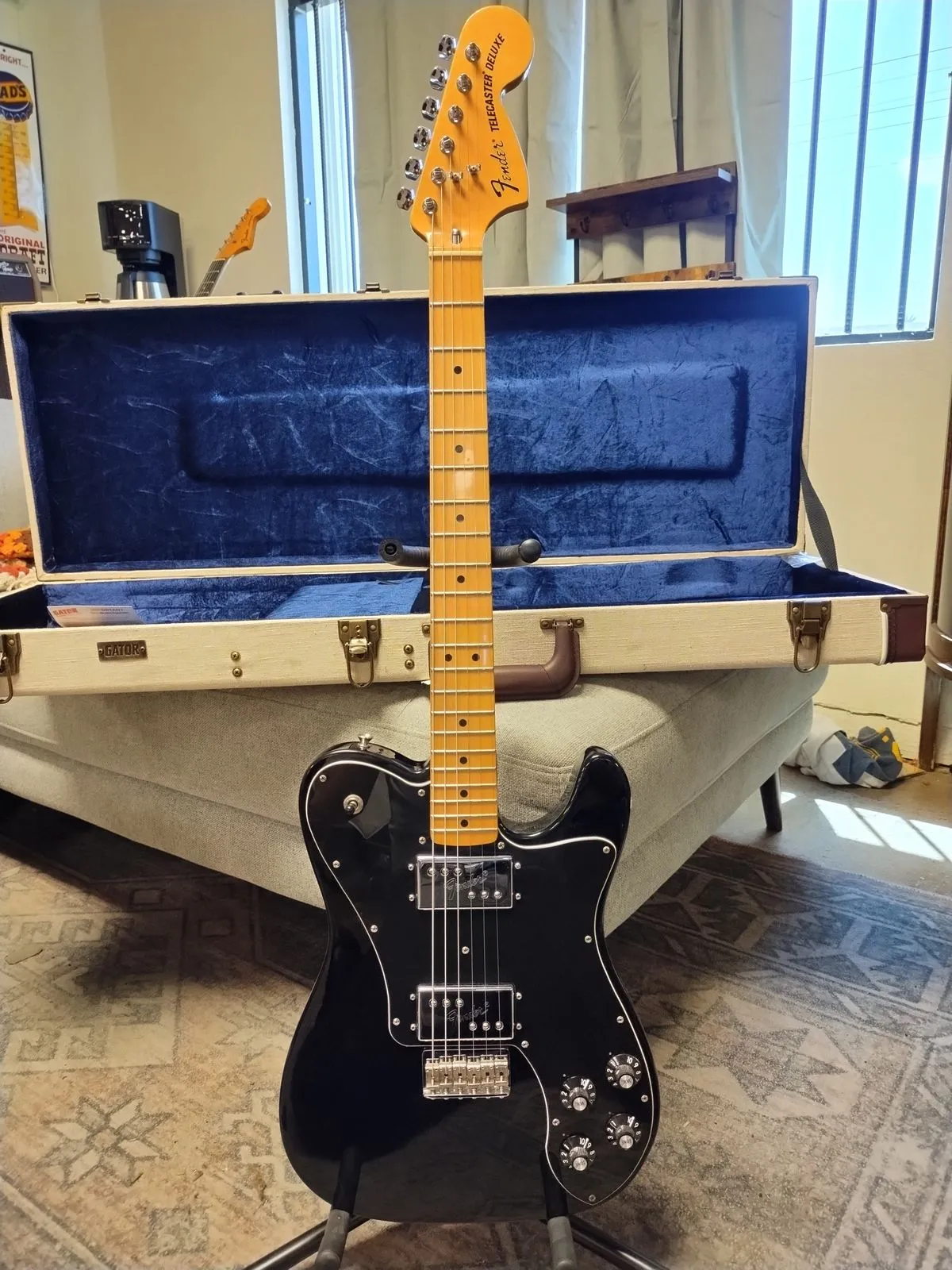
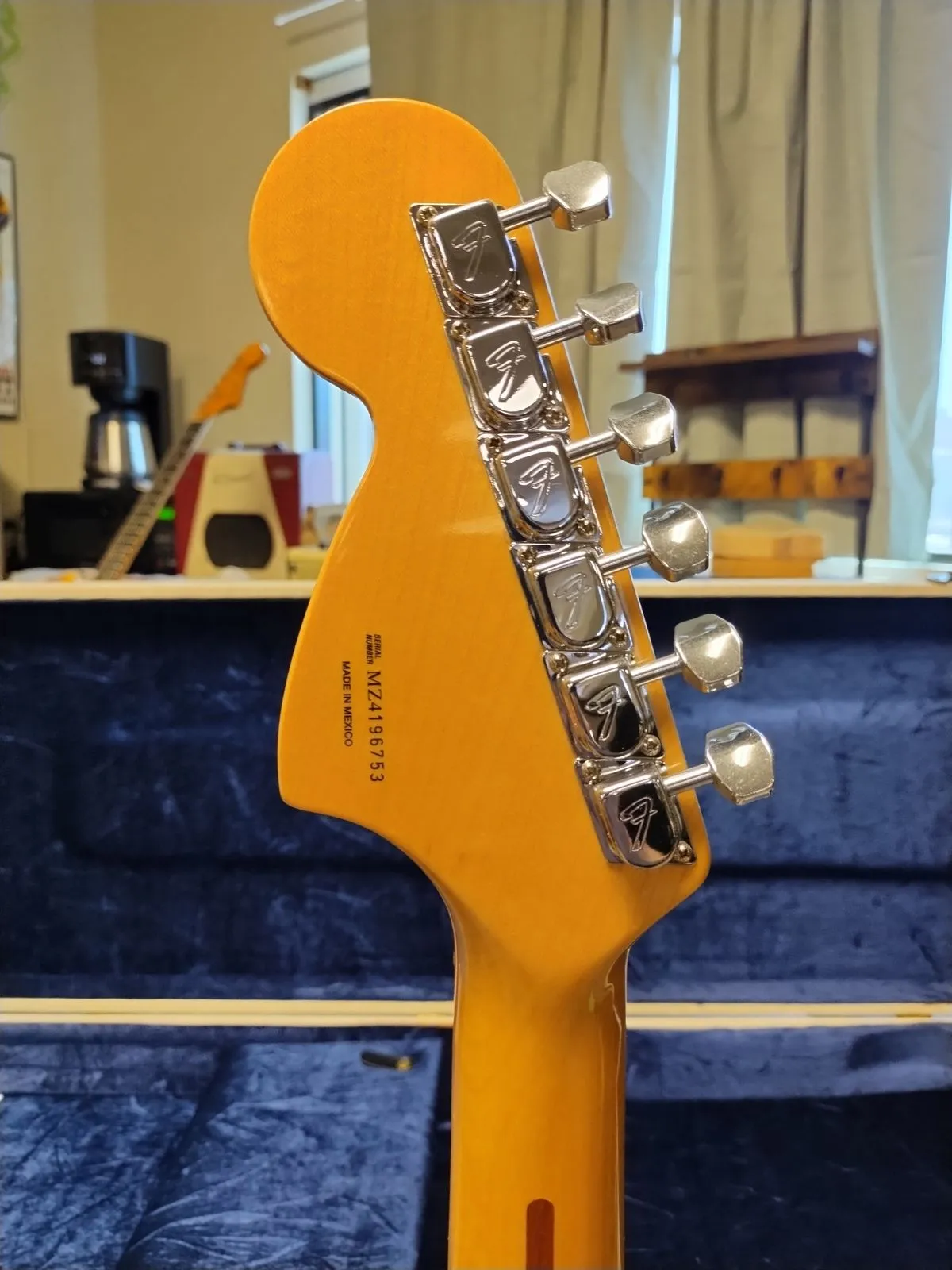
The black Classic Series ’72 Deluxe is a later reissue, with a Made in Mexico marking shown on the rear of its headstock. The ’72 designation describes the design reference. It doesn’t turn the instrument into a guitar manufactured in 1972.
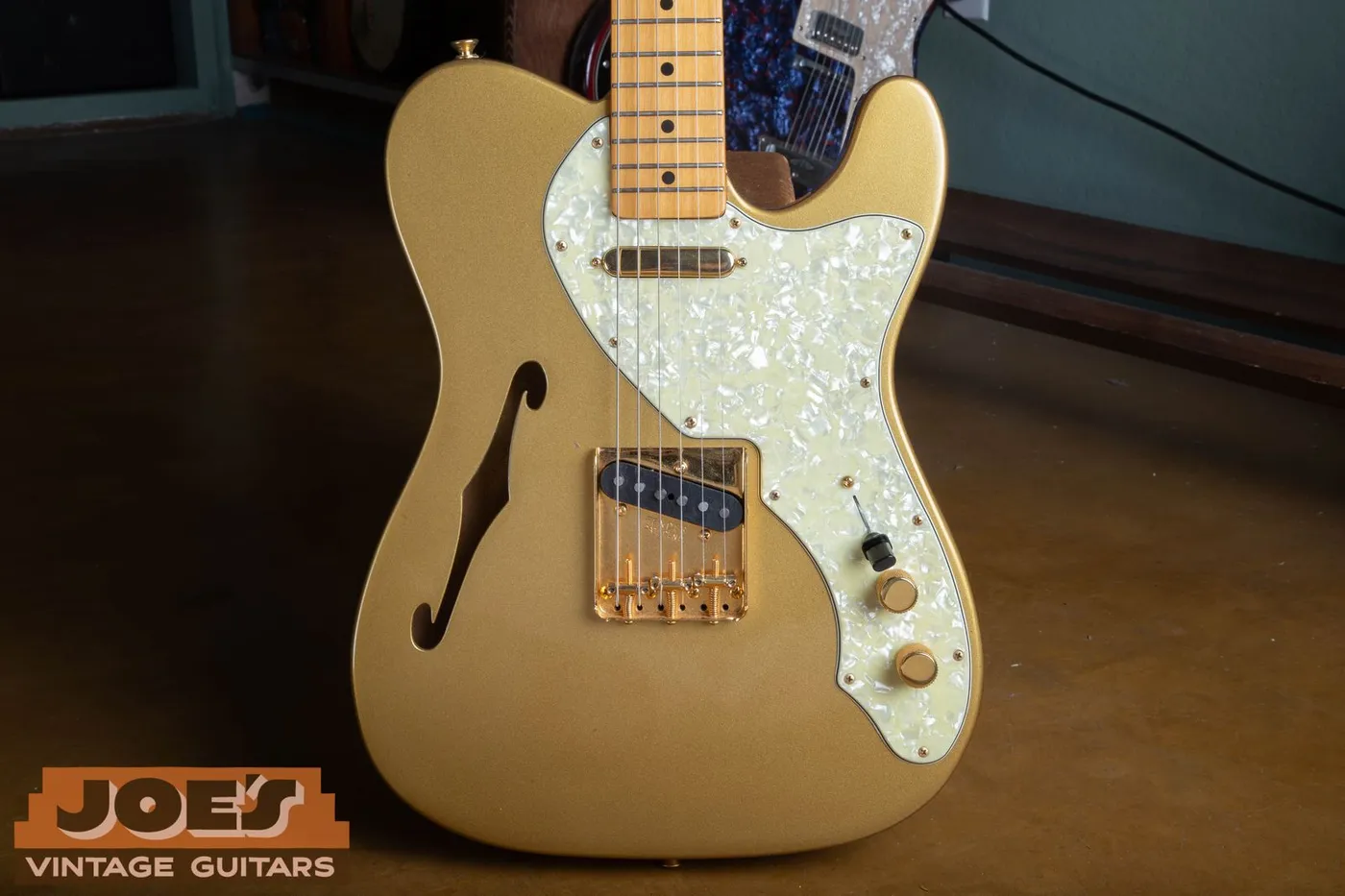
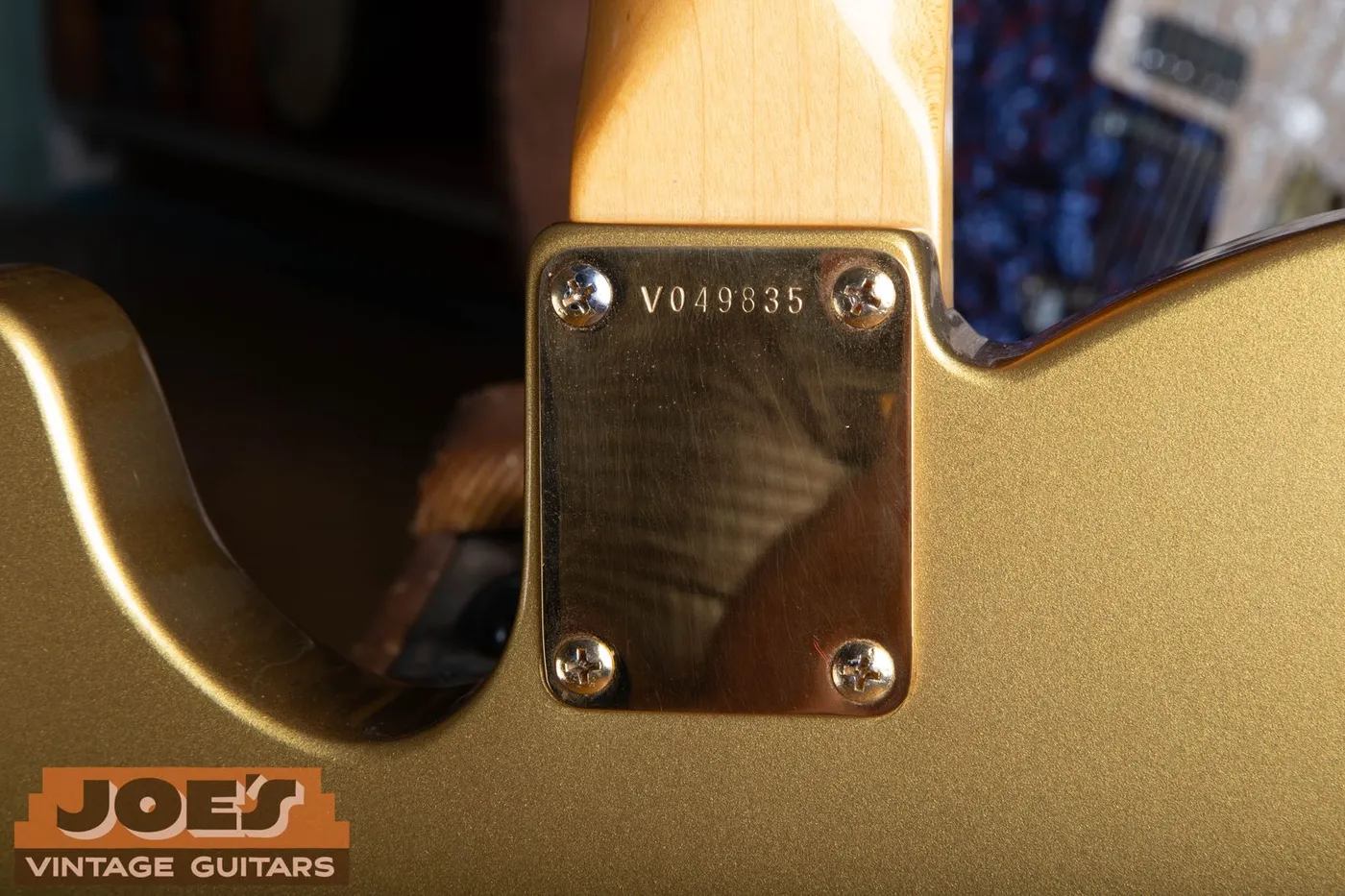
The 1990 Fred Stuart Masterbuilt Thinline is another later instrument with vintage-inspired features. Its V-prefix plate belongs in that production context. Reading only the numeric portion through an early Fender serial table would produce an unreliable conclusion.
Japanese reissues, Mexican production and American Custom Shop guitars each need their own markings and construction checks. Retain the complete serial, country wording and any factory documentation. A certificate should match the actual guitar and its identifiers before it is used as supporting evidence.
Once the model and manufacturing period are established, keep later replacements and repairs in the description. An original 1970s guitar with a later neck is a different case from a wholly later reissue. The vintage value charts assume the original family and configuration have been confirmed.
Exterior Evidence First
Send A Useful Telecaster Photo Set
Send the full front, back, both headstock faces, serial and neck plate. Add the f-hole and body profile for a Thinline, or the rear contour for a Deluxe. Include pickups, bridge, controls, repair areas and the case. Existing internal photographs are welcome, but avoid taking the guitar apart solely to begin the appraisal.
Match The Factory Layout
Compare the body construction, pickup arrangement, controls and headstock before assigning the model.
Cross-Check The Dates
Read the complete serial and compare available neck and component dates with the physical features.
Keep Changes In The Description
Record finish work, replaced parts and permanent alterations separately from the original model identity.
Send The Evidence
Identify Your Thinline, Custom Or Deluxe
Include the complete model layout, visible numbers and known modifications. Joe can explain which remaining details would resolve an uncertain date or originality claim.
Factory Model Histories
Telecaster Variant References
- Fender Thinline History
Introduction, chambered construction and pickup transition.
- Fender Telecaster Custom History
Earlier bound model and the 1972 redesign.
- Fender Telecaster Deluxe History
Commercial introduction, body and headstock features, and early vibrato option.
Questions AboutFender Identification
Does A Three-Bolt Neck Mean The Guitar Is A Deluxe?
Is An Arm Contour Original On A 1972 Thinline?
Can A ’72 Deluxe Be A Modern Guitar?
Does A Wide Range Cover Prove The Pickup Is Original?
The Last Word
Keep The Evidence Together
Identify the family, follow its construction changes and resolve the dates against the physical evidence. Then use the Thinline, Custom and Deluxe value guide for the matching original production group.
Authenticity And Originality Are Assessed From The Information Provided. A Hands-On Inspection Can Change The Conclusion.