

Metal-Body Nationals · Single Cones And Tricones
National Resonator Guitar Value Guide
Values for original metal-body Nationals, with separate rows for round necks, square necks, tenor and plectrum configurations.
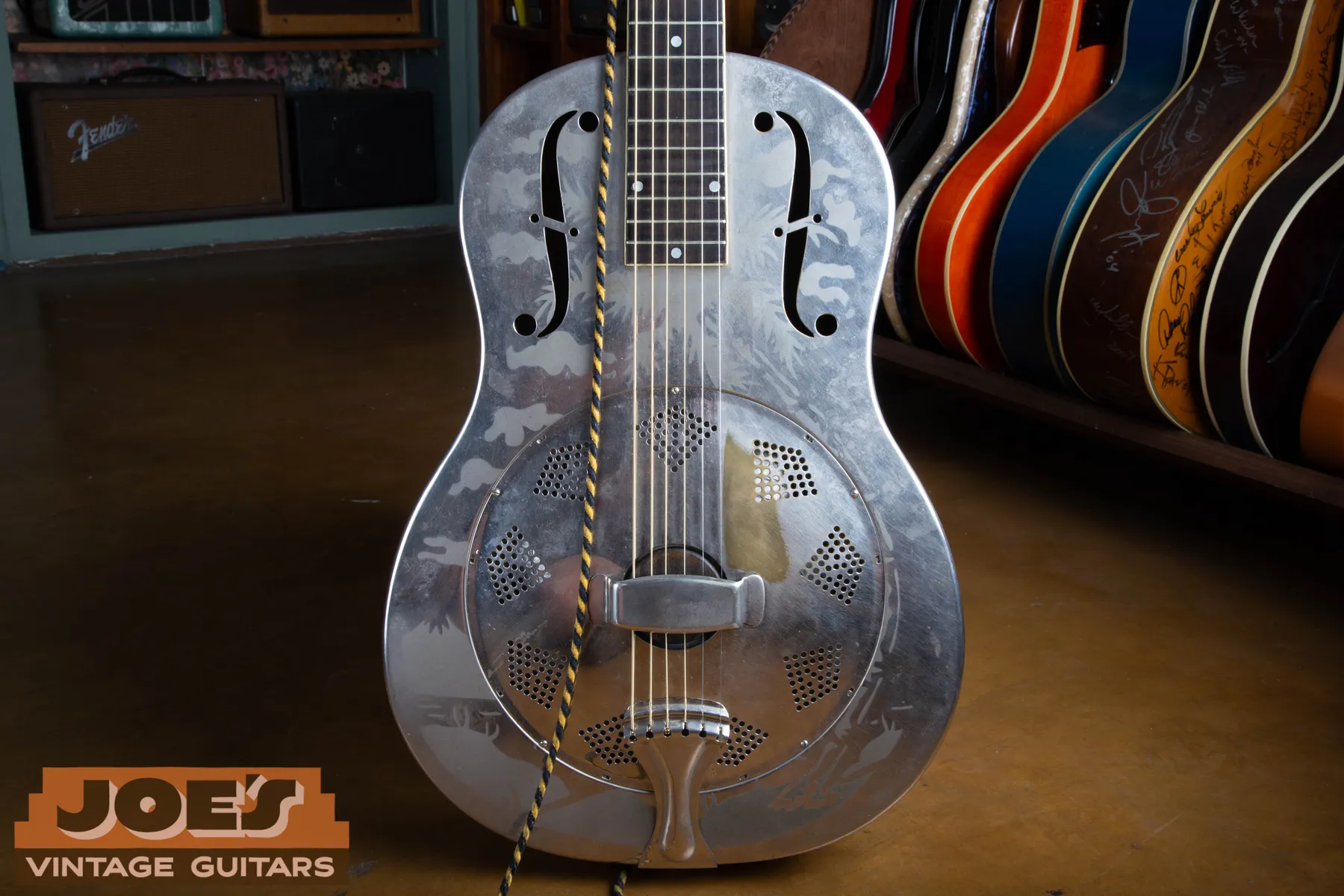
An original National metal-body resonator can be worth a few thousand dollars or substantially more, depending on its model and neck configuration. Joe’s estimate for a 1930 to 1934 round-neck Duolian is $3,100 to $4,000 in excellent, original condition with its case. A Style 3 round-neck tricone is $12,200 to $15,650, while the square-neck Style 3 has a separate $4,250 to $5,550 range. That neck distinction needs to be settled before pricing the guitar. The National authentication guide separates Style O, Duolian, Triolian and tricones, and explains the construction checks. This page covers the original metal-body instruments and the configurations actually priced below.
This Is An Estimate Of Market Value, Not An Offer To Buy And Not A Guarantee. Market Values Fluctuate; Have Your Specific Item Appraised.
Joe’s Estimated Market Ranges
National Metal-Body Resonator Values
| Model | Years | Configuration | Estimated Value |
|---|---|---|---|
| Duolian | 1930 to 1934 | Round neck | $3,100 to $4,000 |
| Style O | 1930 to 1934 | Round neck, 12 fret, common etching | $3,100 to $4,000 |
| Style O | 1930 to 1934 | Round neck, 12 fret, rare etching | $3,850 to $6,800 |
| Style O | 1933 to 1934 | Square neck, common etching | $1,300 to $1,700 |
| Style O | 1933 to 1934 | Square neck, rare etching | $2,650 to $3,300 |
| Style O | 1935 to 1942 | Round neck, 14 fret, flat cutoffs | $6,150 to $7,900 |
| Style O | 1935 to 1942 | Round neck, 14 fret, common etching | $2,650 to $3,350 |
| Style O | 1935 to 1942 | Round neck, 14 fret, rare etching | $3,900 to $6,550 |
| Style O Tenor | 1929 to 1930 | Four string | $850 to $1,100 |
| Style 1 Tricone | 1927 to 1943 | Round neck | $4,750 to $6,450 |
| Style 1 Tricone | 1928 to 1943 | Square neck | $3,400 to $4,250 |
| Style 1 Tricone Plectrum | 1928 to 1935 | Four string, 26 inch scale | $1,800 to $2,250 |
| Style 1 Tricone Tenor | 1928 to 1935 | Four string, 23 inch scale | $1,700 to $2,150 |
| Style 1.5 Tricone | 1930s | Round neck | $8,000 to $10,250 |
| Style 1.5 Tricone | 1930s | Square neck | $2,650 to $3,500 |
| Style 2 Tricone | 1927 to 1942 | Round neck | $10,000 to $12,600 |
| Style 2 Tricone | 1927 to 1942 | Square neck | $3,000 to $3,850 |
| Style 2 Tricone Plectrum | 1928 to 1935 | Four string | $1,300 to $1,700 |
| Style 2 Tricone Tenor | 1928 to 1935 | Four string | $1,500 to $1,950 |
| Style 2.5 Tricone | 1927 to 1928 | Engraved fingerboard and coverplate | $7,500 to $10,100 |
| Style 3 Tricone | 1928 to 1939 | Round neck | $12,200 to $15,650 |
| Style 3 Tricone | 1928 to 1941 | Square neck | $4,250 to $5,550 |
| Style 3 Tricone Plectrum | 1928 to 1935 | Four string | $2,550 to $3,400 |
| Style 3 Tricone Tenor | 1928 to 1939 | Four string | $2,400 to $3,100 |
| Style 4 Tricone | 1928 to 1940 | Round neck | $16,000 to $20,050 |
| Style 4 Tricone | 1928 to 1940 | Square neck | $4,250 to $5,950 |
| Triolian | 1928 to 1936 | Various colors, metal body | $2,650 to $3,350 |
| Triolian | 1936 to 1937 | Faux rosewood grain, metal body | $2,400 to $3,050 |
| Triolian Tenor | 1928 to 1936 | Four string, metal body | $950 to $1,300 |
U.S. dollars. These are estimated values, not purchase offers. Repairs, replaced parts, finish work and market changes require an individual assessment.
Read the configuration column as carefully as the model name. A Style O with common decoration, a specifically identified rarer pattern and a flat-cutoff example are separate comparisons. This chart does not declare a guitar rare because its scene looks unfamiliar in a photograph. The version must first be established.
The Triolian entries are used here only for metal-body examples within the listed periods. Early wood-body instruments that share the name are outside this page’s scope. Later Duolian and Triolian years without a separately verified figure are omitted rather than filled from a nearby model. These are estimates, not purchase offers.
Compare The Right Construction
The Model And Neck Explain The Price Spread
Duolian And Triolian
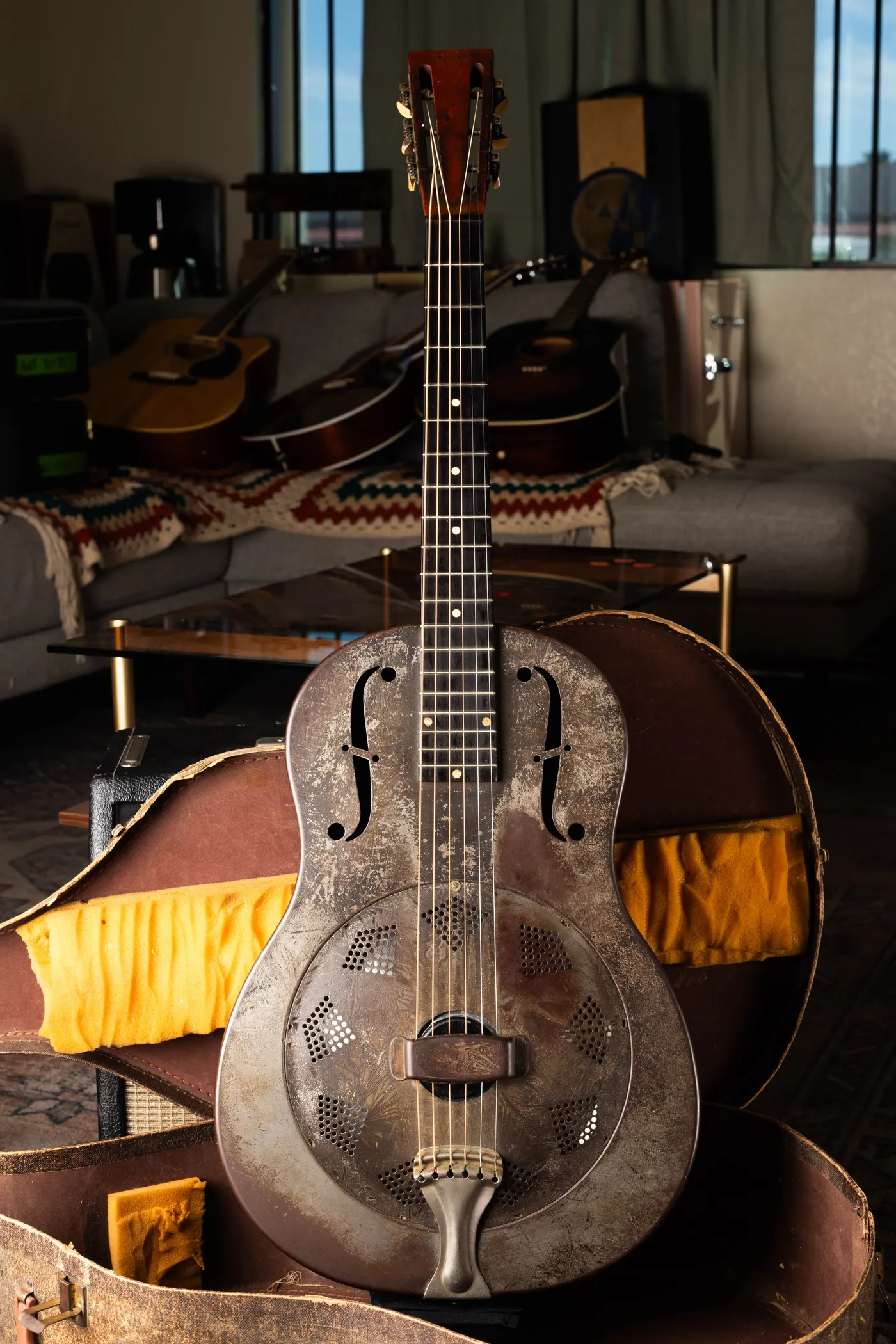
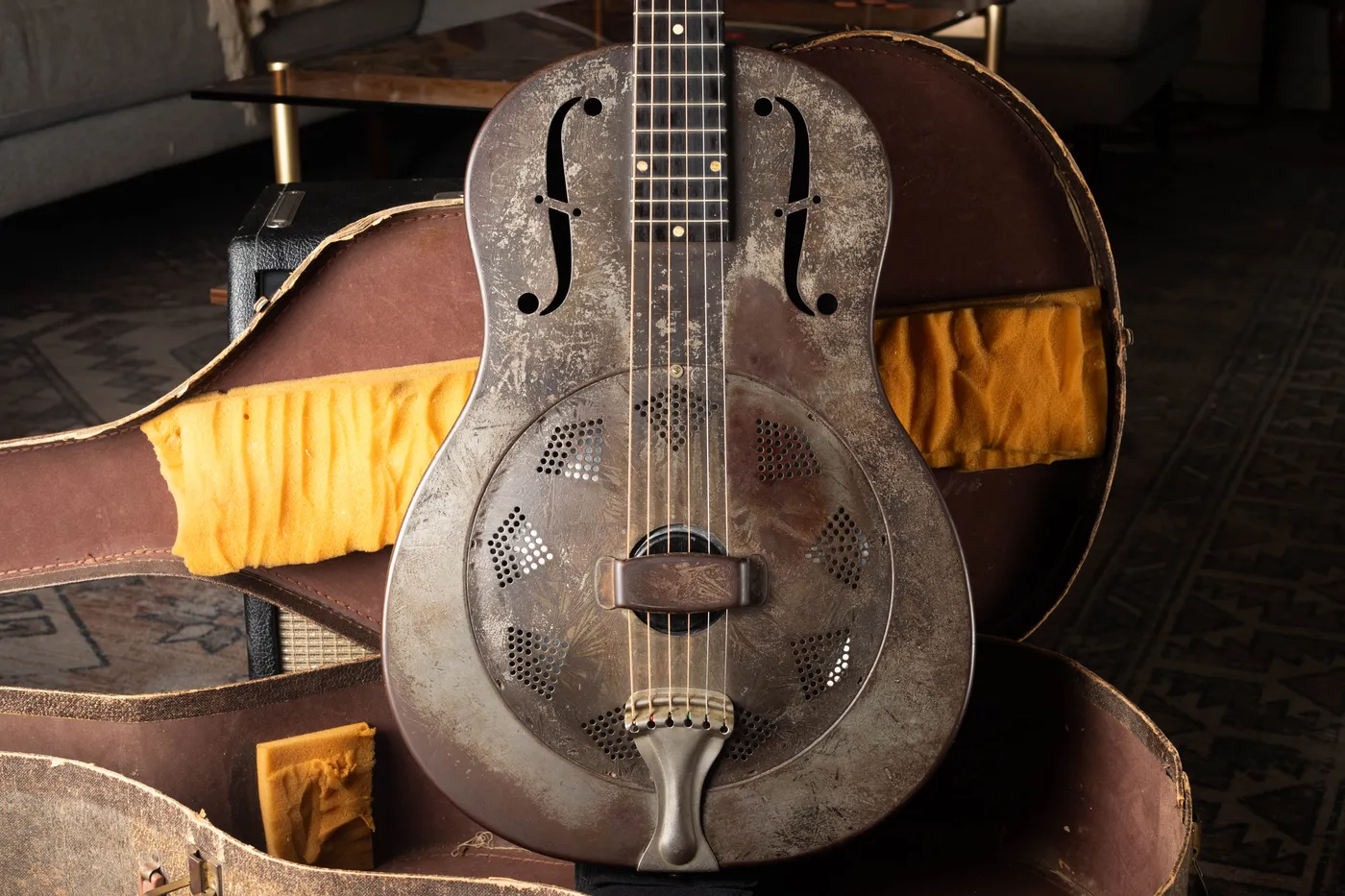
Painted metal-body single-cone instruments need their actual model and finish history established. A worn finish can still carry useful original evidence. Stripping it to make the metal shine changes the comparison instead of automatically improving the guitar.
Style O
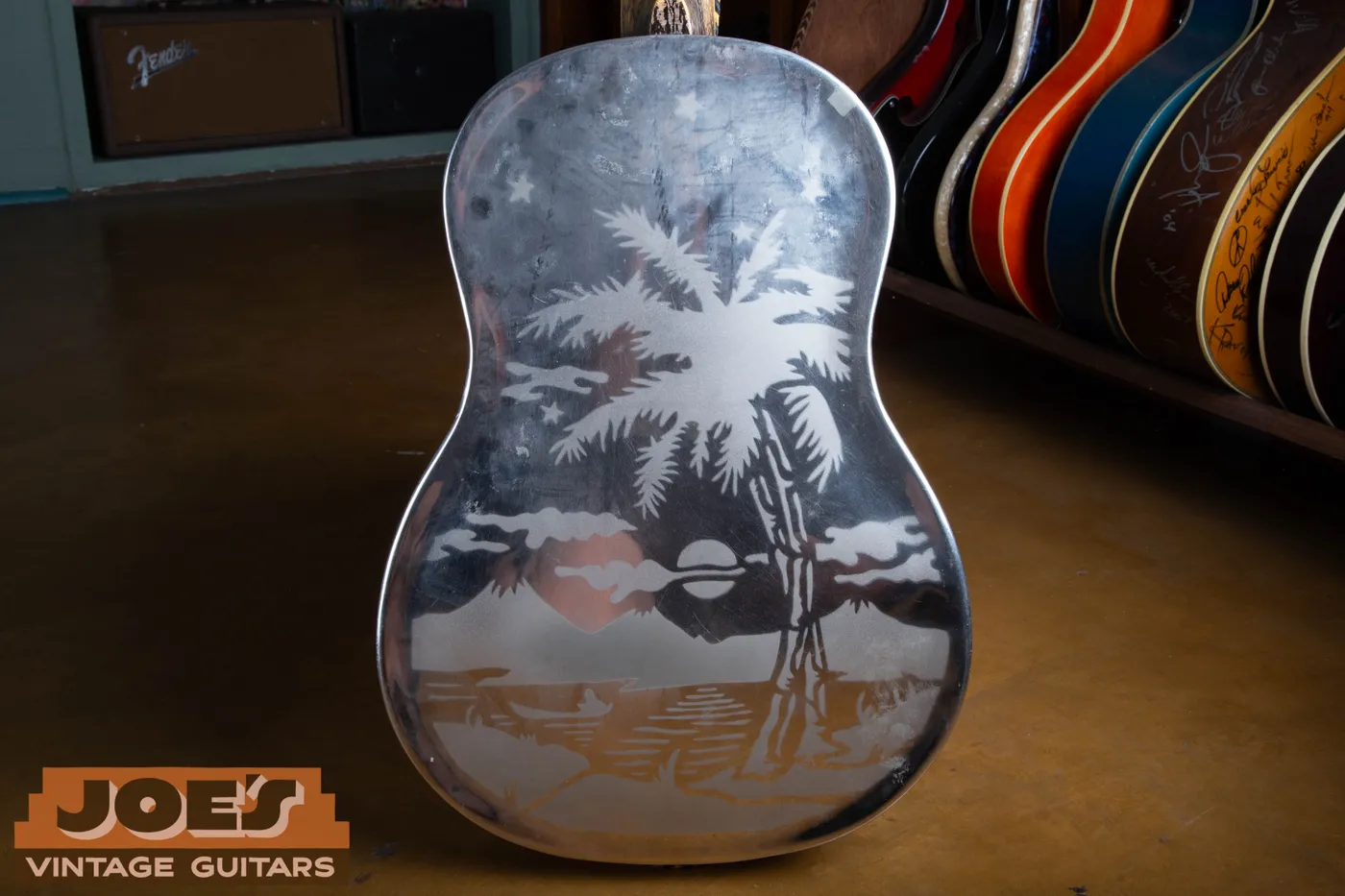
The plated body and scenic decoration invite a closer look, but condition and configuration still govern the estimate. Keep 12-fret and 14-fret versions separate, and document the neck profile. A picturesque back alone isn't a complete model identification.
Styles 1 Through 4 Tricones
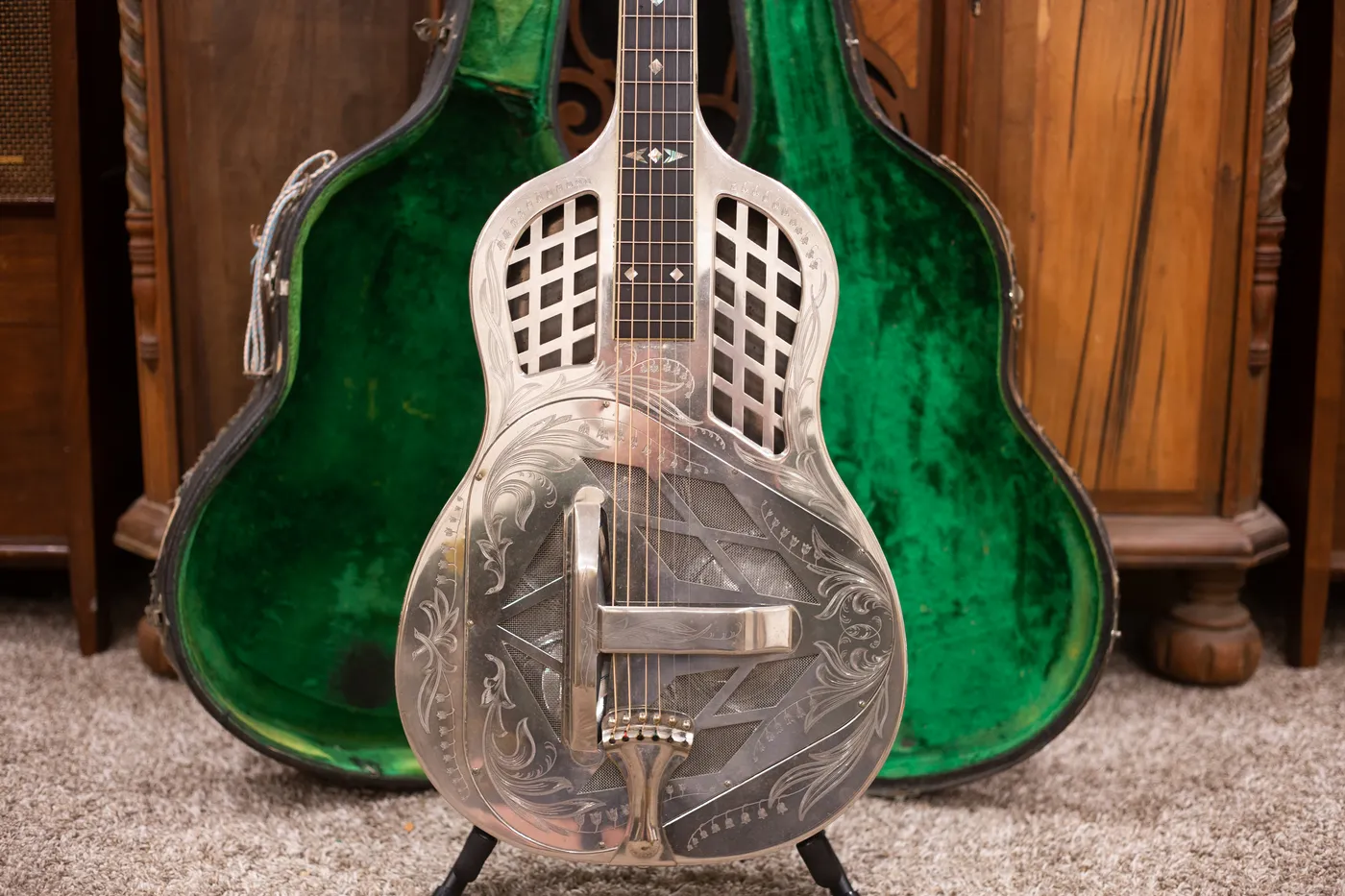
The tricone rows separate decoration levels and neck forms, including the intermediate styles where priced. An engraved square-neck instrument should be compared with square-neck examples. A higher style number does not erase that distinction.
Four-string tenor and plectrum models also have their own rows. Count the original tuner positions and measure the instrument before choosing a six-string comparison. A guitar that has been converted or fitted with a replacement neck needs a description of that work, not just the string count it has today.
When an instrument's exact variant is unresolved, keep the estimate conditional. Joe can review the full front, back, neck and headstock before assigning the configuration. There is no benefit in choosing a rare row first and then looking for details that seem to support it.
A painted Duolian and an engraved square-neck tricone are different instruments, even when both carry the National name.
What Changes The Comparison
Original Surfaces And Working Resonators
A metal body still has condition questions. Photograph dents, damaged seams, corrosion, plating wear and earlier repairs without polishing first. Surface shine doesn't establish structural condition or original plating. On a decorated instrument, aggressive cleaning can also obscure the detail you're asking an appraiser to examine.
For a Duolian or Triolian, retain the finish as found while you gather an opinion. Chipped paint, localized touch-up and a complete repaint are different descriptions. Joe’s refinish guide explains why original surfaces belong in the valuation discussion. This page doesn't assign one percentage to every kind of paint or plating work.
Cone, Bridge And Setup
A replacement cone can be part of a documented service history. It should be identified as such, with any older components retained. A guitar that plays well after service is different from an untouched example, and neither description should be hidden behind the word “restored.”
Buzzing or weak response may have more than one cause. Don't remove the coverplate and start tightening components to improve the selling presentation. Record the symptom and any work already performed, then let a repair assessment establish what is needed.
Neck And Playing Configuration
Show the neck profile, joint, fingerboard and string height. High action may be appropriate to a square-neck Hawaiian instrument but a playing problem on a round-neck guitar intended for fretting. Establish the intended configuration before calling the setup defective.
A shaved square neck, replacement round neck or altered fingerboard changes the identification as well as condition. Include known conversion history. An attractive result shouldn't be described as an original round-neck example without supporting evidence.
Electrical modifications to an acoustic National should be disclosed too. Read the guidance on replacement pickups. Describe work already done and ask about proposed repairs before spending money to prepare the guitar for sale.
Photo Timeline
National Instruments In Joe’s Archive
1930s · Style O
The Scenic Metal-Body Single Cone
The Style O archive photos show a plated body and the palm-tree scene on the back. They let you compare the body and neck together. The scene is recorded without assigning this particular guitar an unsupported rare-pattern premium.
1932 · Duolian
Painted Body And Slotted Headstock
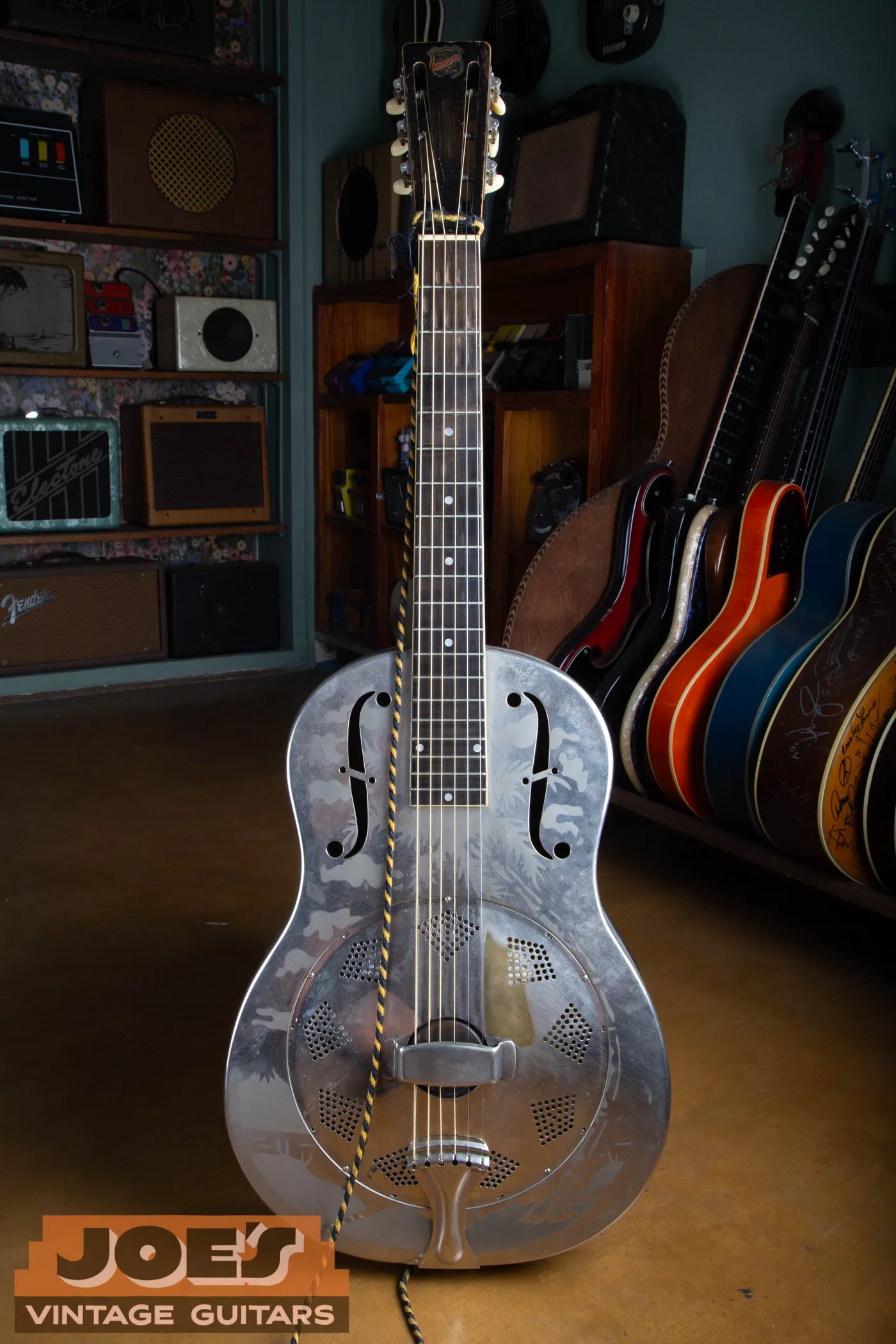
Joe’s Duolian photographs retain the painted surface, headstock and circular coverplate. That complete record is more useful for an estimate than a polished detail of the metal alone.
1930s · Triolian
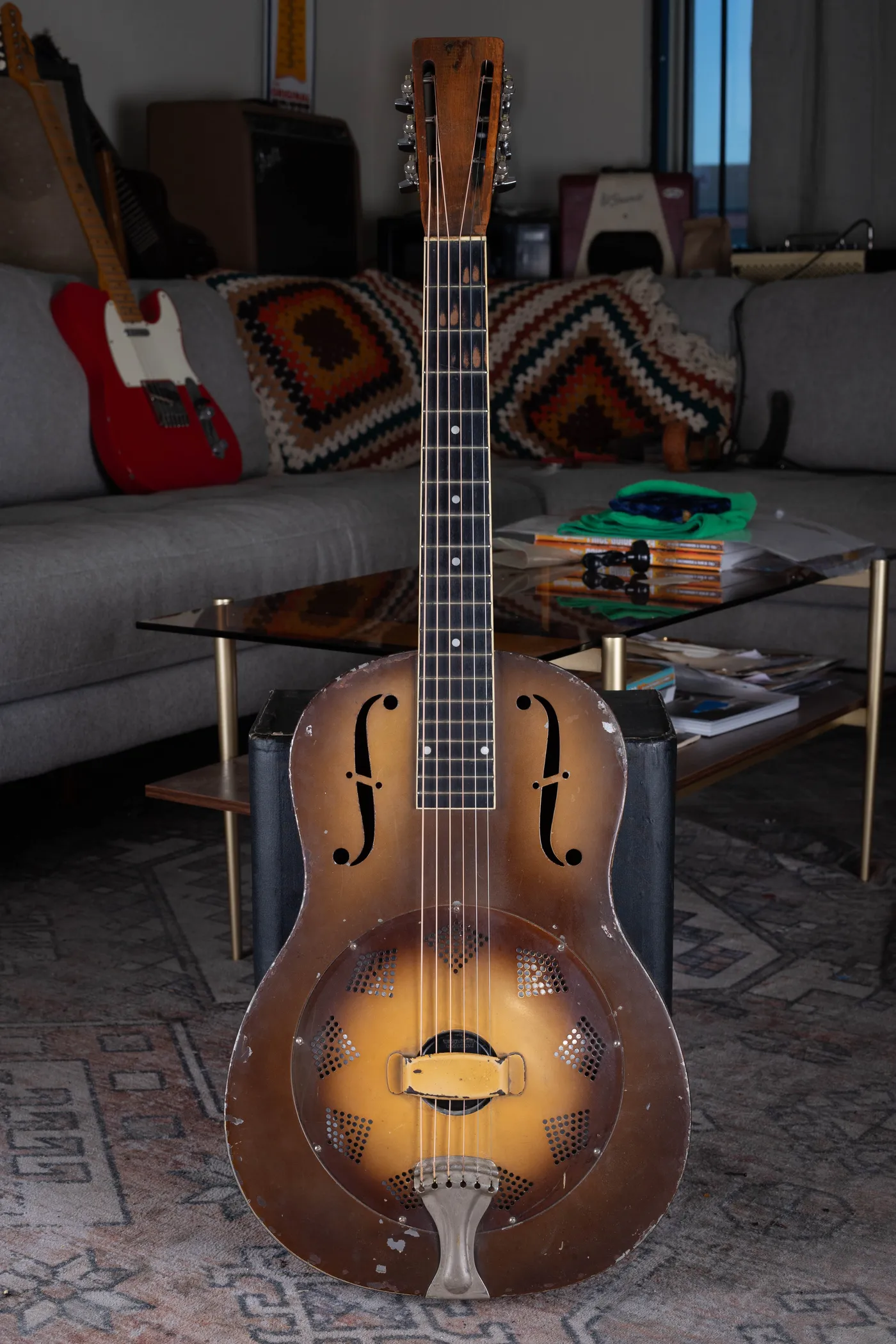
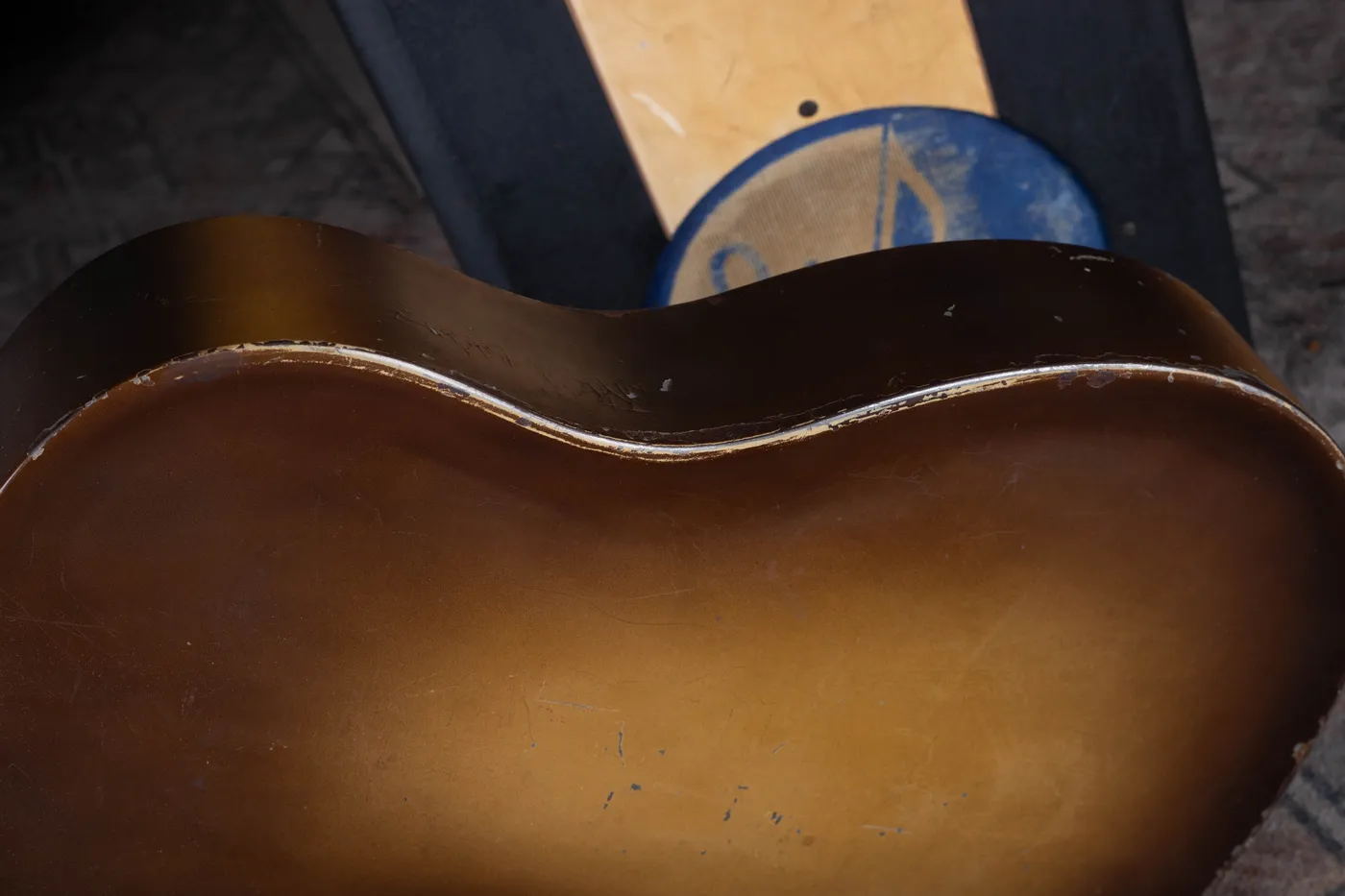
Sunburst On The Metal Body
The Triolian set shows its sunburst appearance on the front and rear. Finish condition should be evaluated from both views, with any known repainting or repair described separately.
1928 · Style 3
A Square-Neck Tricone
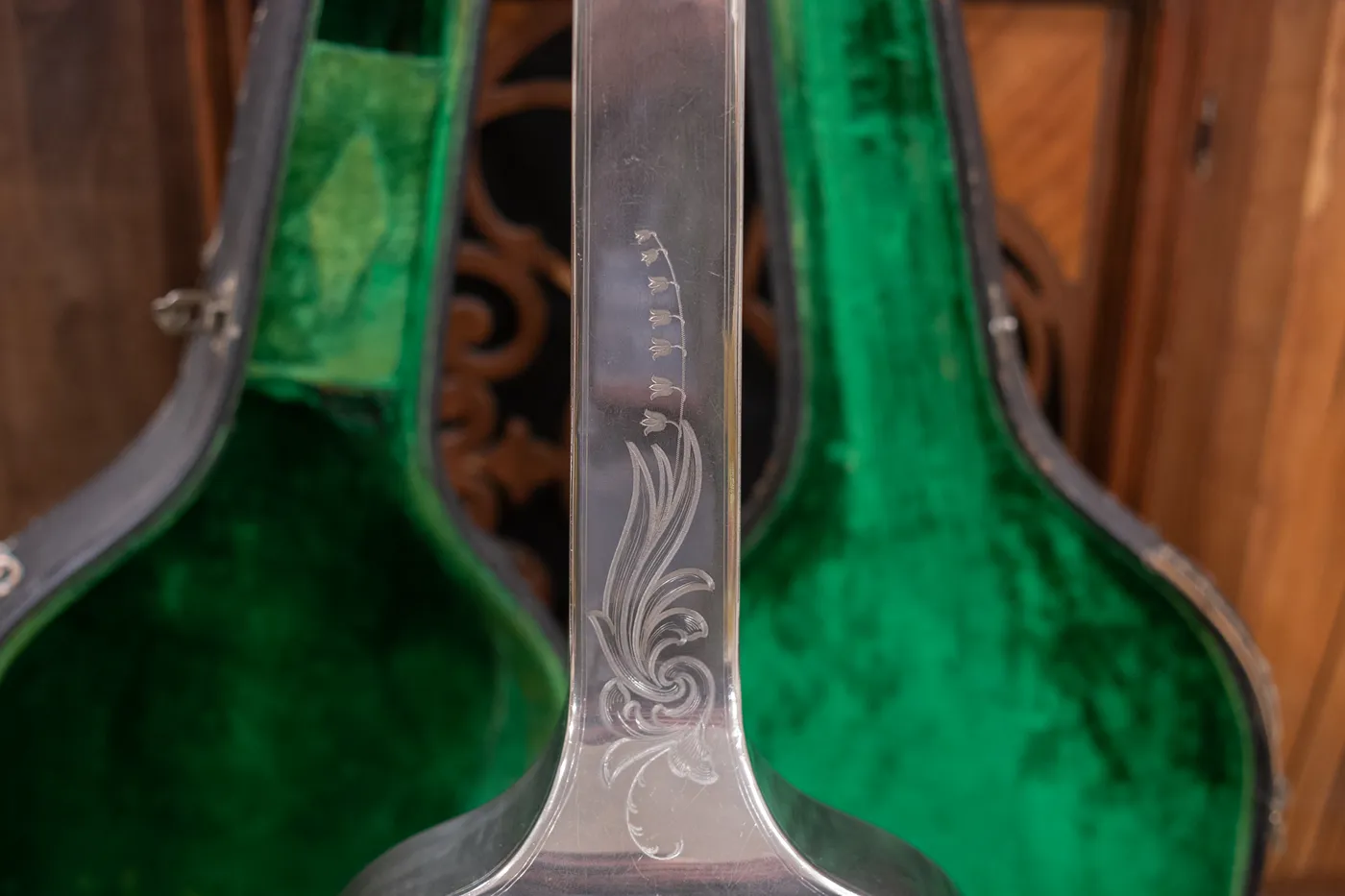
The engraved Style 3 has a square metal neck, visible in the side view. That construction keeps it in the square-neck comparison despite the elaborate decoration. The archive also preserves the readable number 542.
Condition And Completeness
What Supports A Stronger Originality Comparison
A Clearly Identified Configuration
A supported model, neck form and production period make the correct row usable. Decoration should be identified from the complete pattern, with uncertainty retained when the photographs don't resolve it.
Original Surfaces And Documented Parts
Finish or plating history, a documented resonator assembly and a clear repair record make the condition description more dependable. A vague claim of “all original” isn't a substitute for that evidence.
Sound Structure And Appropriate Setup
The guitar should be assessed for its intended use. A playable round neck and a properly configured square neck need different setup judgments. Known structural work should accompany either description.
Keep the case and removed components together. Old cones, bridges or tailpieces can explain the sequence of repairs, although a loose part's age and connection still need to be established. Photograph them outside the case so they aren't confused with the installed assembly.
Before paying for restoration, read whether to restore a guitar before selling and what can lower vintage guitar value. Repair costs and the eventual selling price are separate questions. An estimate of the guitar as it stands can help you choose the next step without assuming every restoration expense will be recovered.
Include The Neck Form
Photographs For A National Appraisal
Show The Complete Shape
Send the front, back, body sides and a neck-profile view. Keep the headstock and body joint visible.Record Marks And Decoration
Photograph the entire serial location, logo, coverplate and scenic or engraved pattern. Don't rub or scrape a stamp to improve it.Describe Service And Changes
Include cone, bridge, neck, paint or plating work you know about. Show the case and removed parts separately.
Send The Evidence
Get A Value For Your National
Send Joe the photographs before cleaning, refinishing or converting the instrument for sale. Explain how it is currently set up and what you know about its history. An individual appraisal can account for details that a model-wide price range leaves open.
Questions AboutNational Values
Why Are Round-Neck And Square-Neck Tricone Values Different?
Does Shiny Metal Mean A Higher National Value?
Are Wood-Body Triolians Included?
Should I Replace A Cone Before Asking For An Appraisal?
The Last Word
A Value For Your Guitar
A National value begins with the model, neck form and surviving construction. Keep the surface and service history visible, then compare the matching chart row. If you're unsure whether the instrument is a Style O, Triolian or tricone variant, use the identification guide before assigning it a price.
This Is An Estimate Of Market Value, Not An Offer To Buy And Not A Guarantee. Market Values Fluctuate; Have Your Specific Item Appraised.