

New York, Philadelphia And Kalamazoo · Zephyr Identification
Epiphone Zephyr Authentication Guide
The ordinary Zephyr changed from a single-pickup electric to a two-pickup Kalamazoo thinline. Zephyr De Luxe and Emperor models belong to their own families.
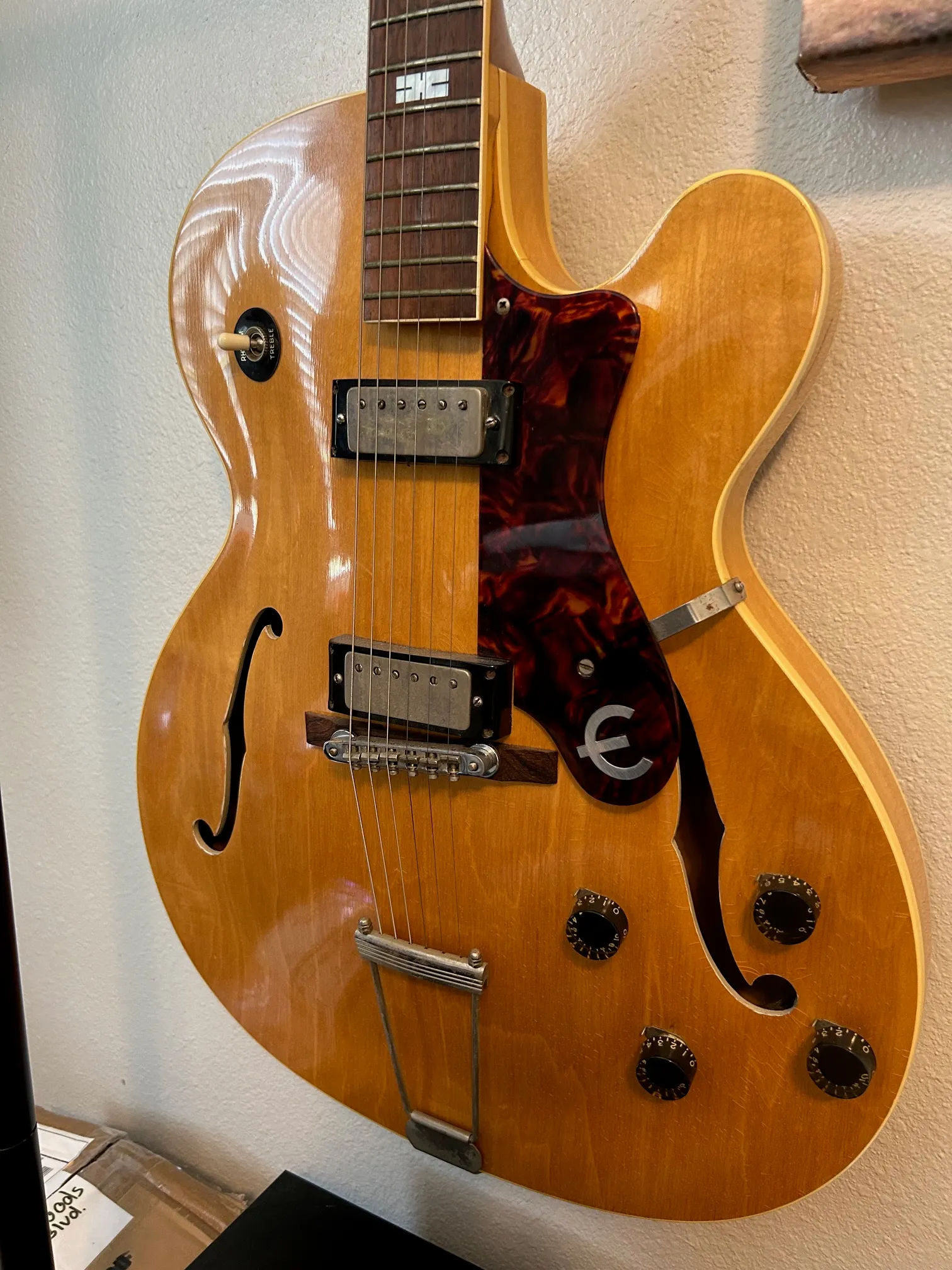
Identify an Epiphone Zephyr by its body construction, depth and factory pickup layout before dating the serial. The older ordinary Zephyr is a single-pickup electric; the Gibson-built E312T is a two-pickup thinline. The more ornate Zephyr De Luxe and Zephyr Emperor are different models. Once the family is established, the Zephyr value guide separates the relevant American configurations.
Authenticity And Originality Are Assessed From The Information Provided. A Hands-On Inspection Can Change The Conclusion.
Start With The Body And Electrical Layout
The Specifications That Identify A Zephyr
| Group | Body And Cutaway | Pickup And Hardware Reference |
|---|---|---|
| Early Zephyr Spanish | Non-cutaway electric archtop, earlier smaller body | Single pickup; changing handrest and control arrangements |
| Postwar Zephyr | Larger electric archtop; non-cutaway or Regent | Single pickup, period Epiphone headstock badge and trapeze |
| Philadelphia Catalog Zephyr | 1954 cutaway and non-cutaway electric versions | One pickup; tenor version also cataloged |
| Kalamazoo E312T / E312TN | Thin rounded-cutaway body; laminated maple | Two pickups, four controls and selector; nickel-plated hardware |
| 1961 Catalog Measurements | 17⅜ inches wide, 20¾ long, 1⅞ deep | 25½-inch scale and 20 frets |
These groups describe original construction rather than every combination found on a repaired guitar. A changed tailpiece or added pickup can obscure the model without changing what the body originally was. Record the current equipment, then compare it with the appropriate period specification. An old replacement part still needs to be described as a replacement.
New York Development And Philadelphia Continuation
Zephyr History Before Gibson
The New York Electric
The Zephyr Spanish appeared in 1939 as an electric archtop. The early instrument used a smaller body than the later postwar version. Pickup position, handrest, controls and access arrangements changed through the run, so a 1950s front photograph can’t authenticate a prewar example.
Photograph the back as carefully as the face. Early electrical access and later repairs may leave evidence there that a headstock picture misses. Compare the entire configuration with an appropriate catalog or documented instrument rather than dating the guitar from one knob style.
The Regent And Philadelphia Period
The ordinary Zephyr gained a rounded-cutaway Regent version around 1950. The 1954 catalog uses Zephyr Electric for cutaway and non-cutaway versions and also lists a tenor. It shows the single-pickup family continuing during the Philadelphia period before the 1957 ownership change.
Documented Zephyrs from 1954 also show a DeArmond Model 2000 pickup. A later pre-Gibson example therefore should not be rejected simply because it lacks a New York pickup. Check the mounting and period configuration before deciding that the pickup was replaced.
The older model doesn’t become a carved acoustic merely because it resembles an acoustic archtop. Its factory electrical construction matters. Likewise, Regent identifies a cutaway within this family; it’s not a universal name for every ornate electric Epiphone with a rounded cutaway.
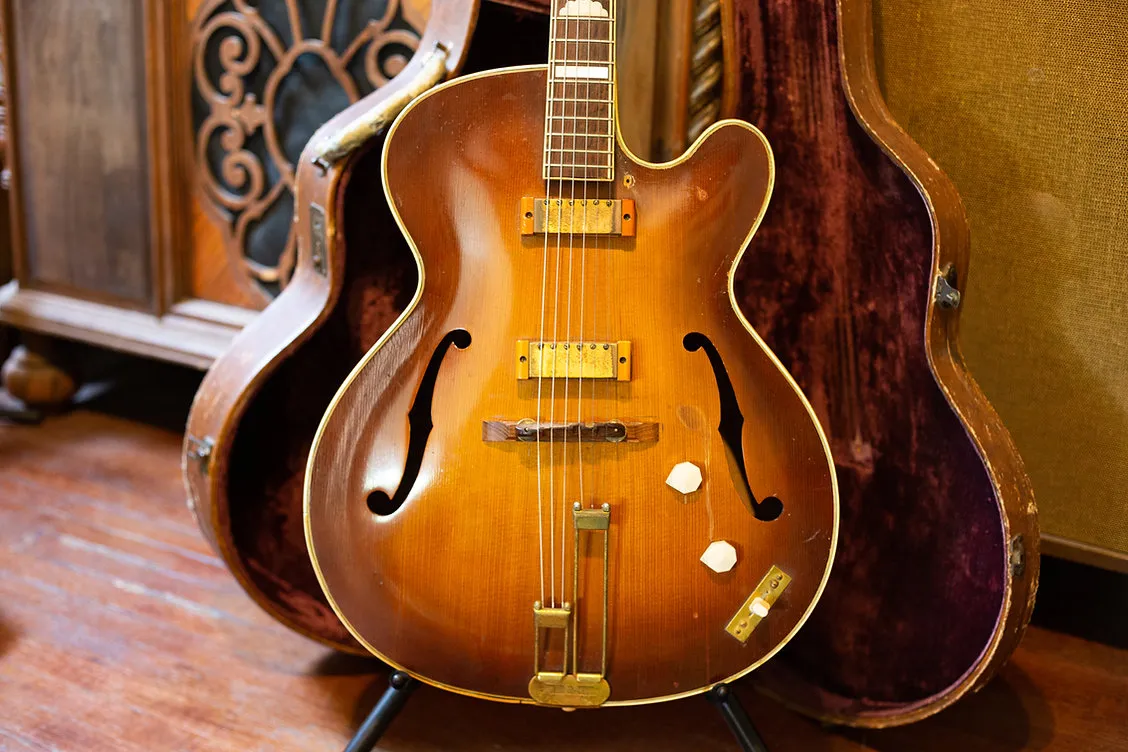
Comparison guitars: the Zephyr De Luxe and Zephyr Emperor retain their own model identities.
A Name Carried Into Different Construction
Zephyr Changes To Check In Sequence
The Early Electric Archtop
Check the small-body outline and original electrical hardware as a group. A missing handrest isn’t enough to date the guitar, and an added cover can’t establish an earlier factory version.
The Larger Body And Changing Pickup
The ordinary Zephyr develops into the larger postwar instrument with a single neck-area pickup. Document the pickup mount, controls and body before applying a later production label to it.
Regent And Cutaway Versions
The rounded cutaway joins the non-cutaway family. Use the original model marking where readable, keeping the complete name rather than dropping De Luxe or Emperor from an ornate instrument’s identification.
Kalamazoo Builds The Thinline
After CMI bought Epiphone in 1957, Kalamazoo production began in 1958. The Zephyr became a thin two-pickup electric in that line. Early New York pickups and later Gibson mini-humbuckers need to be evaluated within that factory transition.
The E312T Specification
The catalog explicitly describes two pickups, independent tone and volume controls, a selector and laminated maple construction. Don’t carry the older ordinary Zephyr’s single-pickup specification into this model.
Construction, Neck And Hardware
The Kalamazoo Zephyr Is A Two-Pickup Thinline
The 1961 catalog specifies laminated arched maple top and back, maple rims and a mahogany neck. Its 17⅜-inch width and 25½-inch scale give it a different set of proportions from the smaller Sorrento and Windsor. The listed depth is 1⅞ inches, compared with the full-depth Broadway on the facing half of the catalog spread.
Measure the rim rather than estimating depth from an angled photograph. Include the arch when describing what you measured, and do not force a precise catalog match from an imprecise tape reading. A clear side view can establish that the body is a thinline while leaving finer measurements for an inspection.
New York Pickups And Mini-Humbuckers
The early Gibson-era electric line used New York single coils before the transition to Gibson-made mini-humbuckers described in the Sheraton history. Check the actual pickup and mounting arrangement. A metal cover alone cannot prove the coil type, manufacturing date or originality.
The E312T has two pickups with separate volume and tone controls and a selector. Trace any added switch, nonstandard ring or enlarged opening before treating it as a factory option. Epiphone mini-humbuckers and Firebird pickups have different internal construction; their narrow covers do not make them interchangeable identification evidence.
The Neck And Tailpiece
The catalog describes a bound rosewood fingerboard with pearl inlays, an adjustable truss rod and a rosewood bridge. The illustrated Zephyr has a simple trapeze tailpiece. Do not import the Broadway’s Frequensator specification merely because the guitars appear together in the catalog.
Photograph the headstock badge, truss-rod cover, tuner backs and heel. Older-looking Epiphone decoration can occur alongside Gibson-era construction, so the logo alone cannot settle the factory. Replacement tuners should be assessed through mounting evidence rather than their shine or apparent age.
Within the Gibson family, the ES-125 thinline shows the same broad approach of a thin hollow electric with a mahogany neck and arched maple body. It does not supply the Zephyr’s exact dimensions, long scale, inlay or pickup specification. Use the original catalogs to compare the construction, not to rename the Epiphone as a Gibson model.
The Sheraton history places the move of Epiphone production to Japan in 1970. That is a brand boundary, not evidence that the Zephyr remained in the catalog for every intervening year. The 1960 to 1964 price group is a valuation category, not proof that every year in that interval produced a shipment. Date an individual Zephyr from its own evidence.
Evidence Under And Around The Hardware
Separate Factory Construction From Later Work
Read Mounting Evidence Before Naming An Option
Start with the visible edges of the pickup mounts, tailpiece attachment and pickguard bracket. Extra holes, mismatched outlines or a replaced guard can explain why a guitar differs from a catalog. Photograph each feature before making a conclusion about a special order. An unusual part needs evidence of when it was fitted, not merely evidence that it is old.
If a technician has already inspected the instrument, ask for photographs showing any enlarged pickup openings or changed wiring. Keep that documentation with the instrument. An assessment based on concealed features should be traceable to the person who actually saw them.
Check The Neck Joint And Playing Geometry
Include a side photograph that shows the heel, fingerboard extension and bridge together. That view helps separate a replacement bridge from a broader neck-angle problem. Show repaired seams and finish changes without concealing them behind a close crop of the pickup or pickguard.
The catalog’s material and dimension descriptions establish the intended model; they do not certify the condition of an individual survivor. A correctly identified E312T can still need structural work. Keep the model conclusion, the supported date and the repair assessment as separate entries so uncertainty in one does not get hidden by confidence in another.
Cutaway, Tenor And Parent Models
Keep These Zephyr Versions Separate
Ordinary Zephyr And Regent
The older ordinary model has one pickup, with non-cutaway and rounded-cutaway versions. Preserve the model wording on the label and compare the body with the correct period. Regent alone does not establish the pickup count of a different parent family.
Kalamazoo E312T And E312TN
The 1961 catalog uses E312T for shaded finish and E312TN for natural. Both are two-pickup thinlines. An N in paperwork does not authenticate a finish that has been stripped or altered; the wood and finish evidence still need inspection.
Tenor And Other Zephyr Names
A tenor requires its own neck and string-layout comparison. Zephyr Hawaiian instruments and amplifiers are outside this Spanish-style guitar guide. Their names and serial practices should not be used to date a six-string archtop.
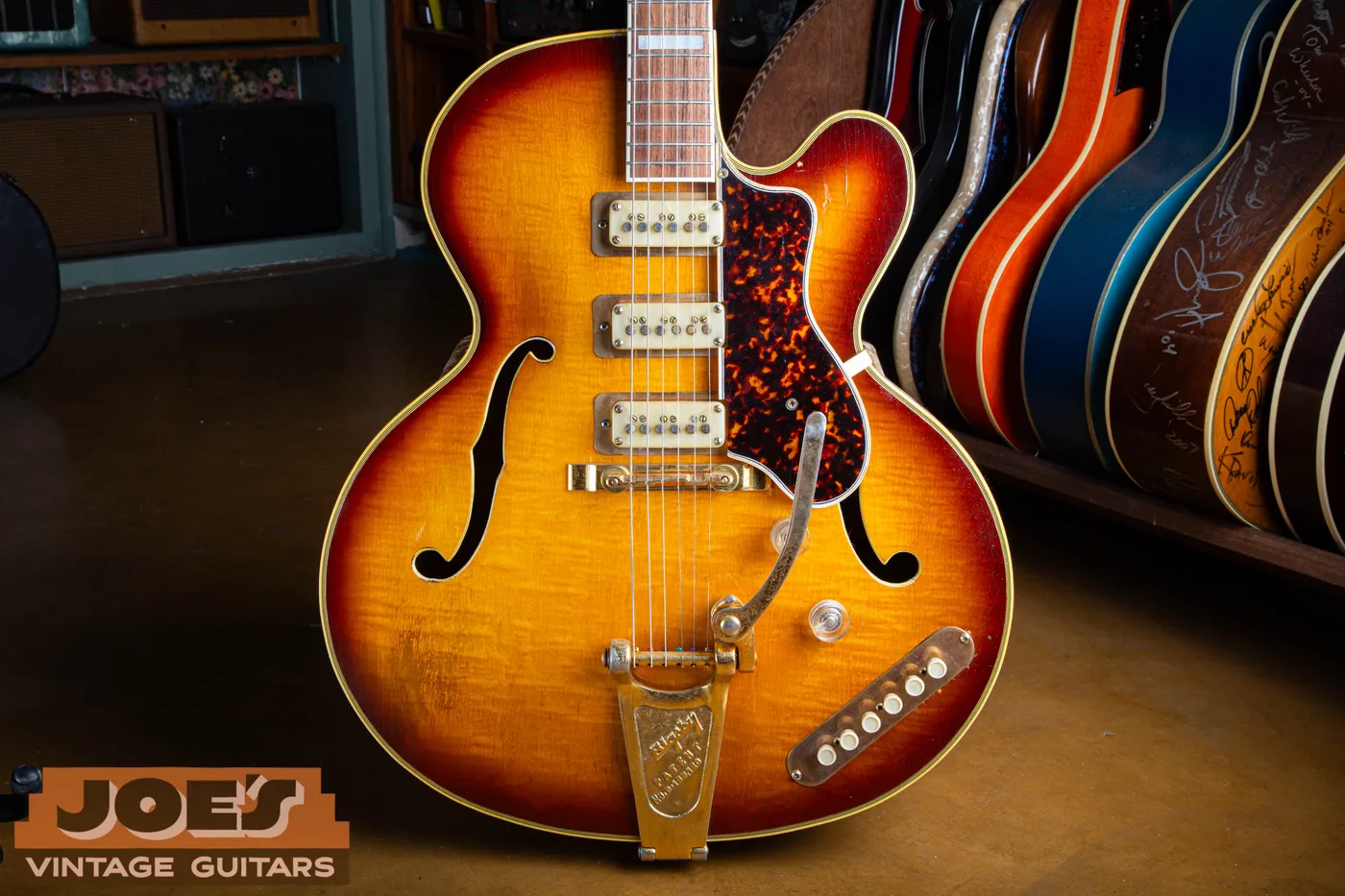
The Zephyr De Luxe belongs with the DeLuxe archtop family, and the Zephyr Emperor Regent belongs with the Emperor. The comparison photos show why the complete name matters: the De Luxe has ornate appointments and two pickups, while the Emperor has three pickups and a push-button selector bank. Neither is the ordinary pre-Gibson Zephyr.
Body And Headstock Evidence
A Kalamazoo Zephyr From Joe’s Archive
Kalamazoo Thinline
1961 Epiphone Zephyr
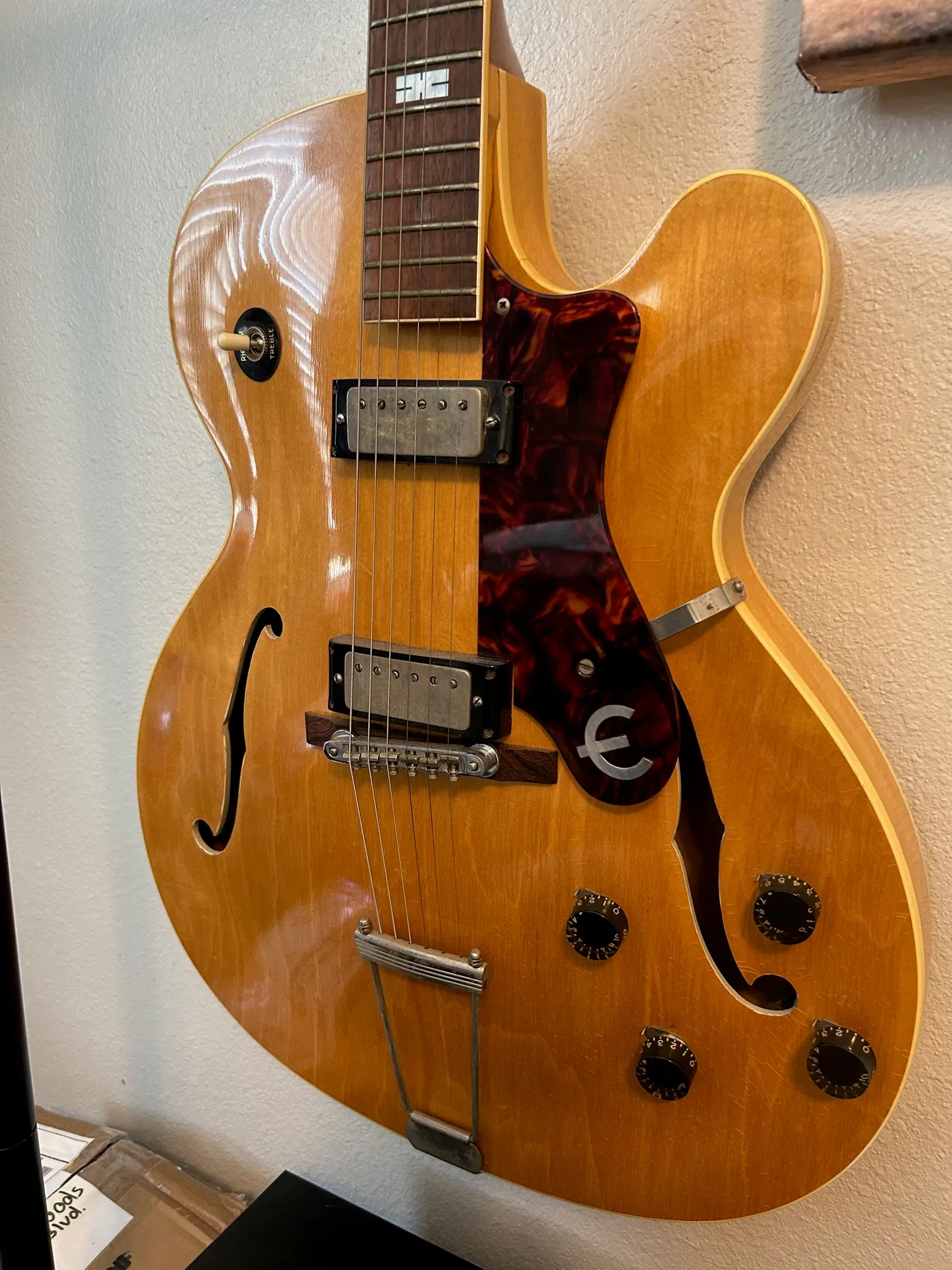
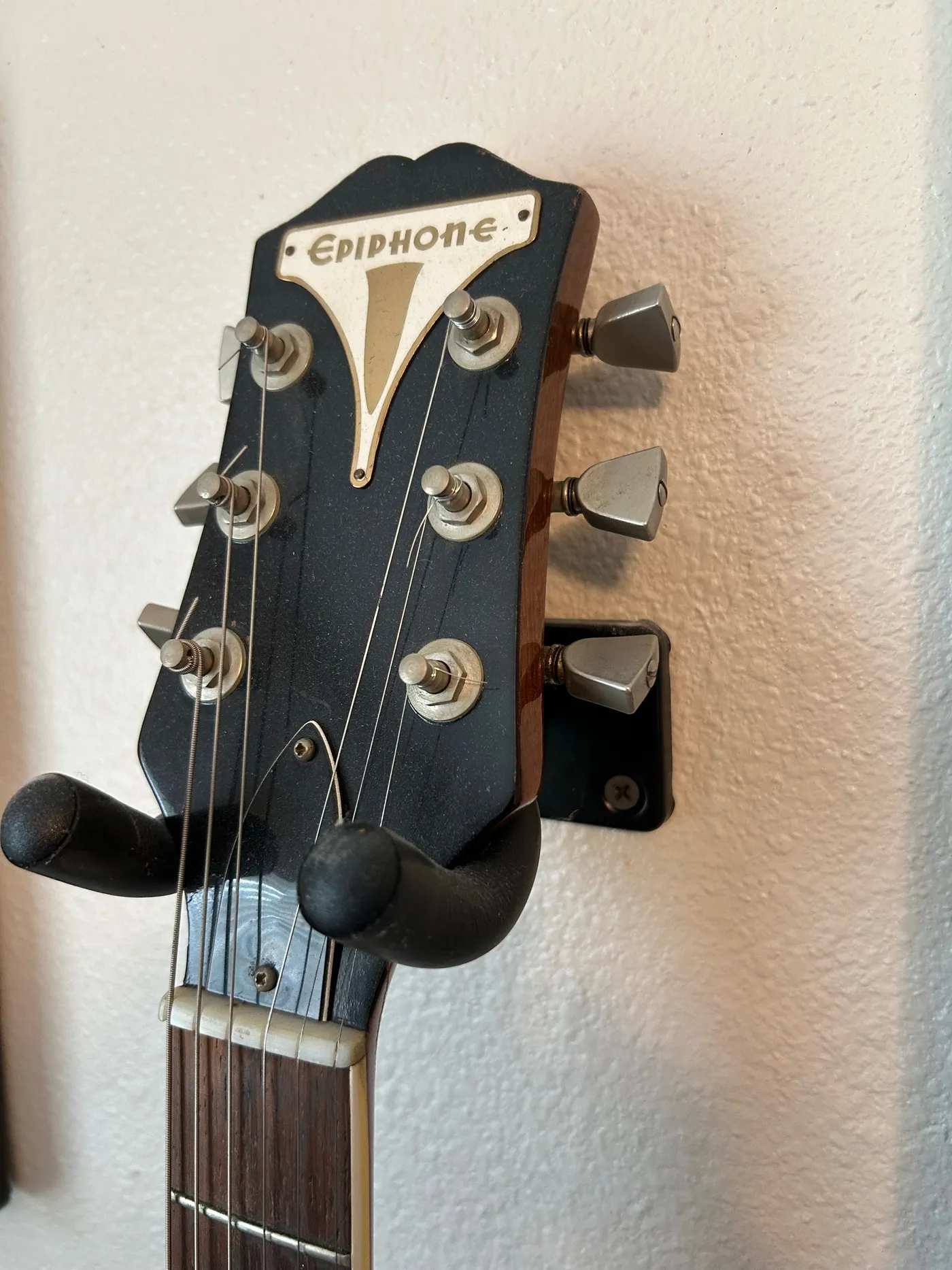
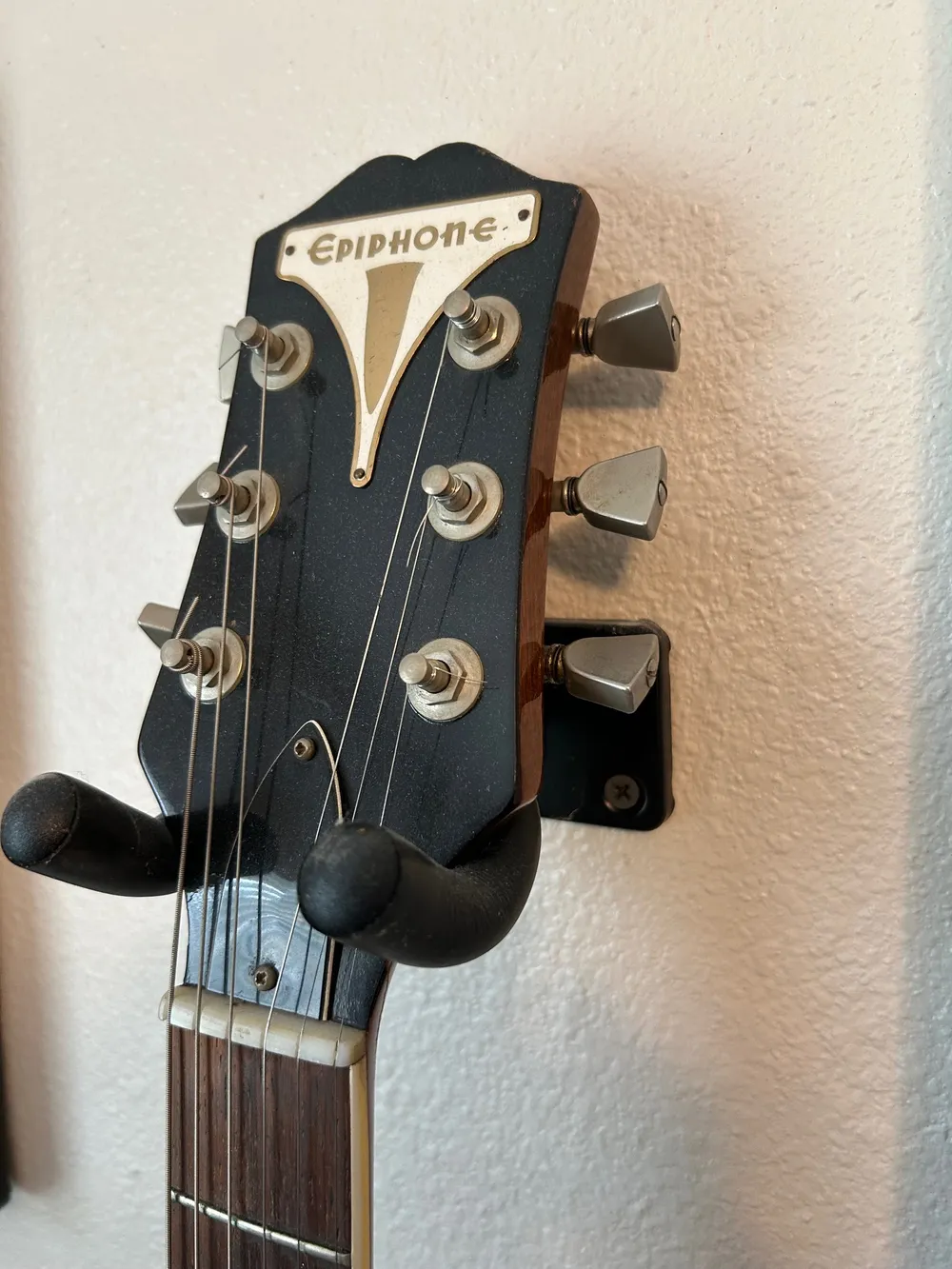
The body photograph shows a natural-finish single cutaway, two covered pickups, four knobs, a selector and trapeze tailpiece. The headstock photograph shows the Epiphone badge and metal-button tuners. The bridge has a metal saddle assembly on a wooden base, which should be compared with the catalog’s rosewood-bridge description rather than automatically called original.
The archive dates this guitar to 1961. The supplied views do not show a label, serial or pickup undersides, so they cannot independently decode its year or certify its electrical parts. Those missing views remain part of the inspection request. A label or rear-headstock photograph would make this particular example more useful for dating; ask for those views when evaluating a similar guitar.
Different Parent Family
1950s Zephyr De Luxe Regent Comparison
The two gold rectangular pickups, Frequensator and ornate decoration identify the comparison as a De Luxe-family electric. A shortened archive title can omit part of a model name, so match the instrument itself before applying the ordinary Zephyr specification or price.
Labels, Stamps And Corroborating Features
Read Serial Numbers In Their Factory Context
Early Kalamazoo hollowbodies need a separate first check: an A followed by four digits on the interior label belongs to Epiphone’s early A-series, not the similarly named Gibson A-prefix chart. Photograph the whole label and keep any factory order number separate. A model code is not a serial number. Later impressed numbers can be compared with the shared Gibson system, with the guitar’s construction used to check the result.
Take a second photograph under light from the opposite side when a stamped character is difficult to read. Keep the original images with the transcription. A typed number without its photograph makes a later correction harder to verify and can carry an early reading mistake into every subsequent description.
Pre-Gibson Epiphone serials can support an estimated production period, but batch assignments are not exact calendar certificates. Preserve the original number and label photograph. Do not invent a missing digit to make the number fit a familiar year, and do not use a later Kalamazoo sequence for a New York instrument.
From 1961, Kalamazoo Epiphones used Gibson’s shared numbering sequence. Use the Gibson serial guide together with the body, headstock and electrical features. Photograph any visible factory order number separately from the serial; they are different markings and should not be combined into one number.
The 1961 Archive Photograph
The pictured headstock face contains no readable serial. The archive year is not a decoded number. A back-of-headstock and interior label photograph would be needed before using this guitar as a dated serial example.
The E312T Identification Checklist
Inspect A Kalamazoo Zephyr In This Order
Measure The Thin Rounded-Cutaway Body
Record width, depth and scale. Compare them with the E312T rather than the deeper Broadway or smaller Windsor. Keep the complete neck and body visible in the initial photo.
Document Both Pickup Installations
Show covers, rings, mounting screws, controls and selector. Record known replacements or rewinds. Have concealed construction examined by a technician when it is necessary, rather than pulling a fragile harness for a first inquiry.
Check The Bridge, Tailpiece And Neck
Compare the bridge assembly and simple trapeze with the period specification. Include heel and headstock repairs, tuner changes and extra screw holes. These affect originality even when the basic model identification is secure.
Reconcile The Markings
Read the serial and label from clear images, then compare their period with the physical features. Leave the year approximate if the surviving evidence cannot narrow it. A confident-looking transcription does not improve an unreadable photograph.
Imports, Reissues And Condition
Separate Later Names From American Zephyrs
Post-1970 Japanese, Korean and Chinese Epiphones, Elitist instruments and signature models belong to their actual production series. Historical decoration or a familiar Zephyr name does not establish a Kalamazoo build. Check country markings, serial format and supporting paperwork before assigning an American factory.
Identification also does not establish excellent condition. A correct American Zephyr may have a replacement pickup, neck repair or refinish. The condition guide and Zephyr value guide address those issues separately from the model and date.
Send The Evidence
Ask Joe To Review The Zephyr Evidence
Send the complete instrument and its markings for a free appraisal. If you are selling, the Epiphone seller page explains how to share the photos and repair history.
Original Catalogs And Model Research
Zephyr Identification Sources
- 1954 Epiphone Catalog
Ordinary Zephyr Electric, cutaway, non-cutaway and tenor descriptions; separate DeLuxe and Emperor electrics.
- 1961 Epiphone Catalog
E312T and E312TN construction, two-pickup controls, dimensions, scale and hardware.
- New York Epiphone Model Research
Early Zephyr Spanish development, Regent naming and the separate electric families.
- 1960 Gibson Catalog, Page 9
The limited ES-125 thinline construction comparison.
- JVG Sheraton History
House factory chronology and New York pickup to mini-humbucker transition.
- Epiphone Serialization Reference
Epiphone section, page 1071: the early hollowbody A-label sequence differs from Gibson’s A-prefix series; later impressed numbers require feature checks.
- JVG Gibson Serial Guide
Kalamazoo serial interpretation and corroborating features.
Questions AboutEpiphone Identification
Does A Zephyr Have A Frequensator?
Is The Zephyr Regent The Same As A Zephyr De Luxe Regent?
Can The Headstock Badge Date A Zephyr By Itself?
Were Kalamazoo Zephyrs Single-Pickup Guitars?
The Last Word
Keep The Evidence Together
Read the full model name, body and pickup layout before the serial. That separates the ordinary Zephyr from its ornate namesakes and distinguishes the Kalamazoo thinline from the earlier electric. Continue to the Zephyr value guide after the version and alterations are established.
Authenticity And Originality Are Assessed From The Information Provided. A Hands-On Inspection Can Change The Conclusion.