
One Family’s 1952 Fender Telecaster
Joshua’s uncle was the original owner. After decades in one family, Joshua let the guitar go for two reasons: a house of his own, and the chance to see this Telecaster played again.
Read the Story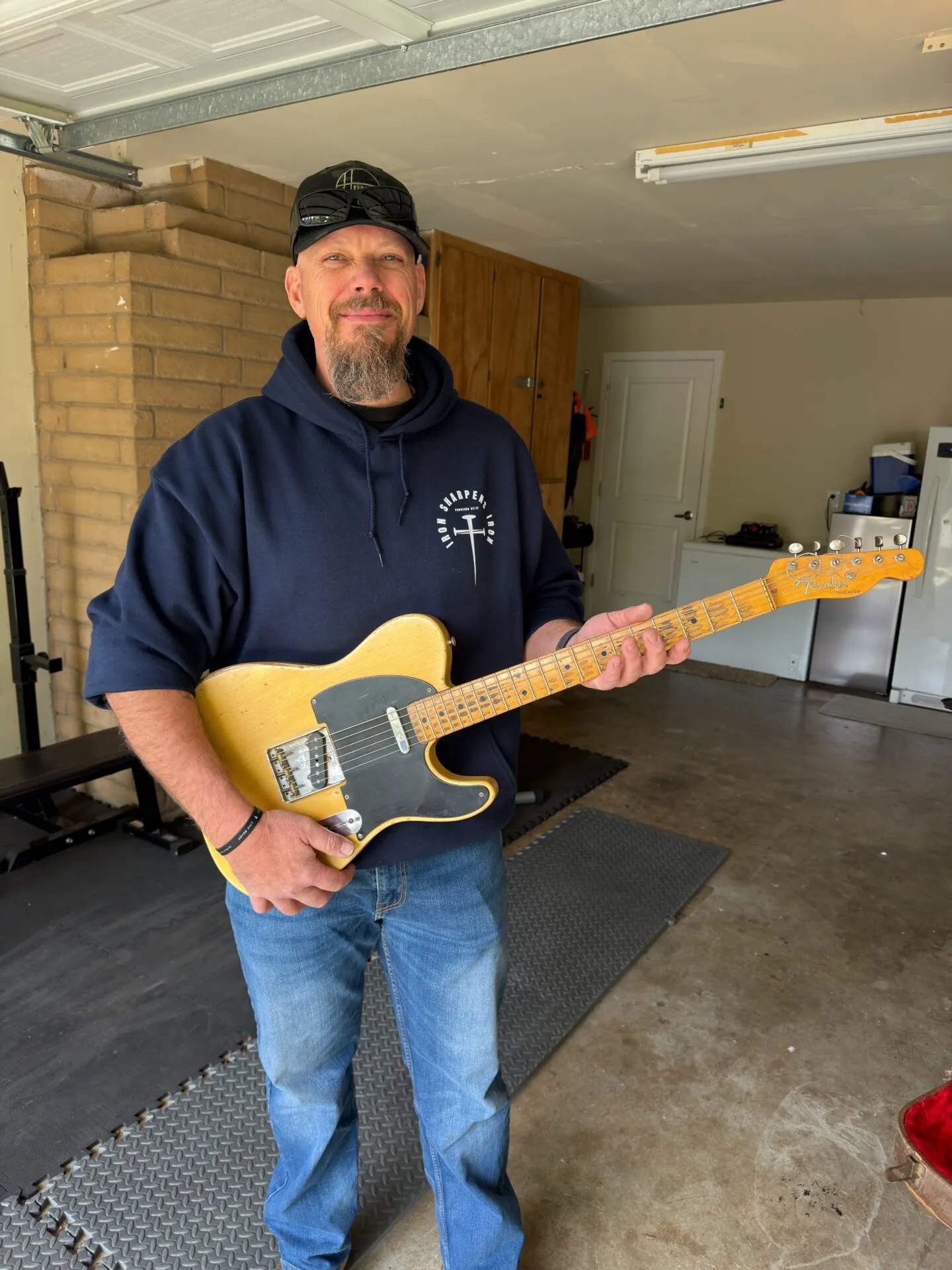
We get a lot of guitars through the shop. Every now and then, one arrives with its history still attached to it. This 1952 Fender Telecaster is one of those guitars, and one more chapter in our collection of original-owner guitar stories.
It came to us from Joshua in Washington. The guitar had belonged to his uncle, its original owner, and stayed in the family for decades. Joshua did not want to see it sit untouched. He wanted it to be played, and the money from the sale would go toward a down payment on a house.
We picked up the guitar in Washington, where Joshua passed his uncle’s Telecaster on to us.
An Early Telecaster With a Life Behind It
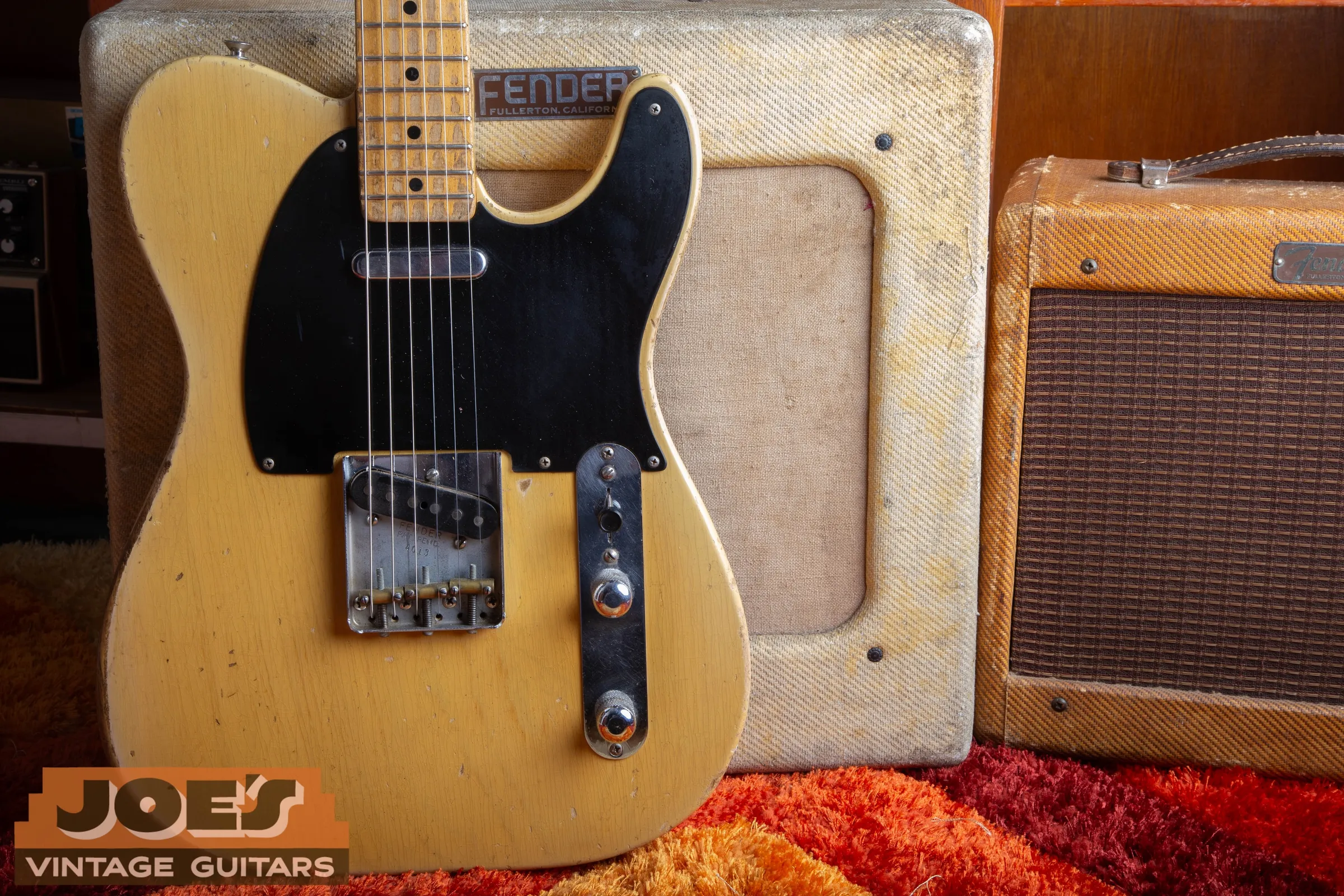
By 1952, the Telecaster had taken the form that would make it one of the most enduring electric guitars ever built: a blonde-finished slab body, one-piece maple neck, black pickguard, two single-coil pickups and a three-saddle bridge. Our year-by-year Telecaster dating guide traces how those features changed across the model’s history, while the 1952 Fender Telecaster value guide explains how originality and condition affect the market range.
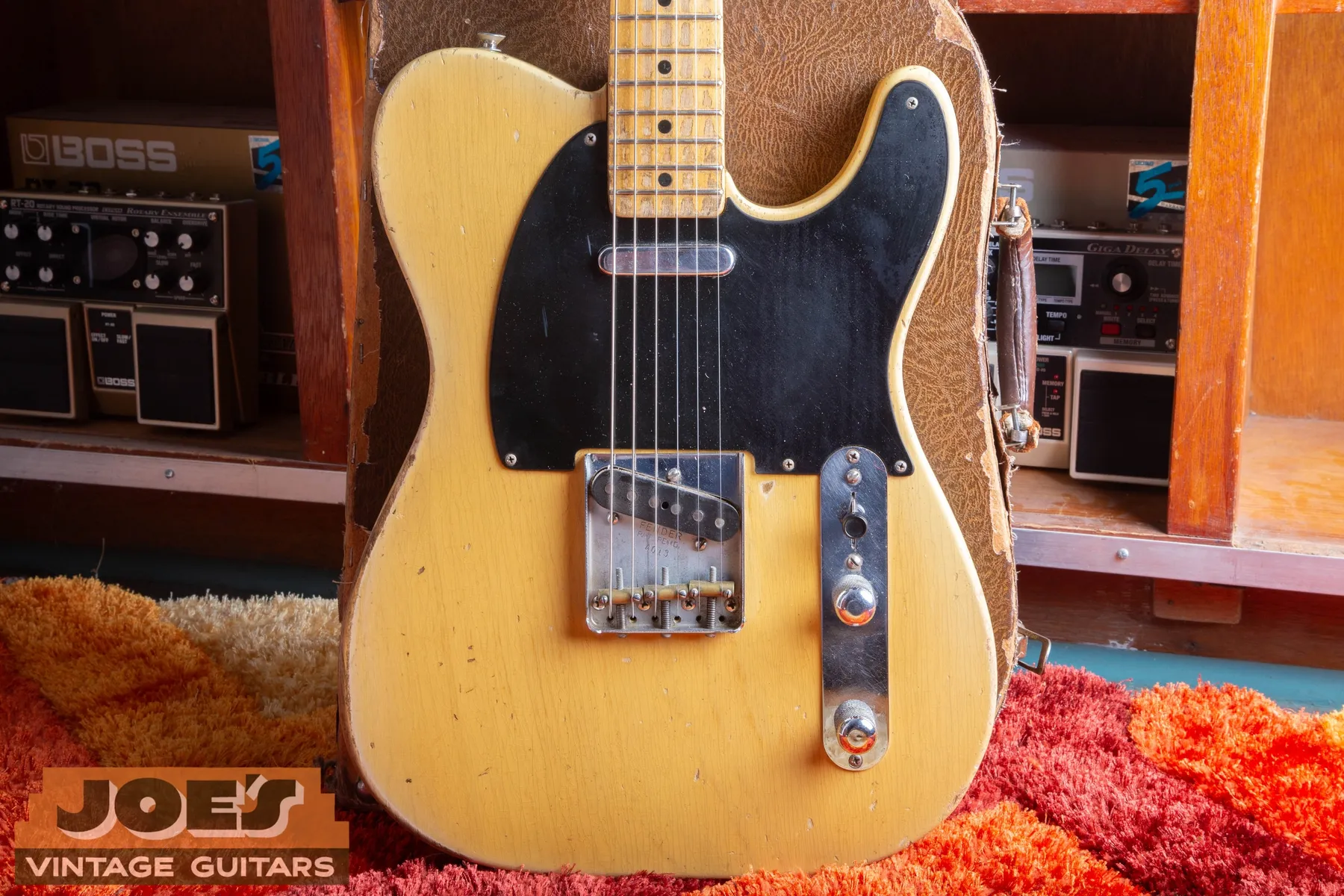
This guitar shows its years of use. Finish checking runs across the blonde body, the edges are worn, and much of the finish has worn away from the back. The hardware and pickguard carry marks from years of handling.
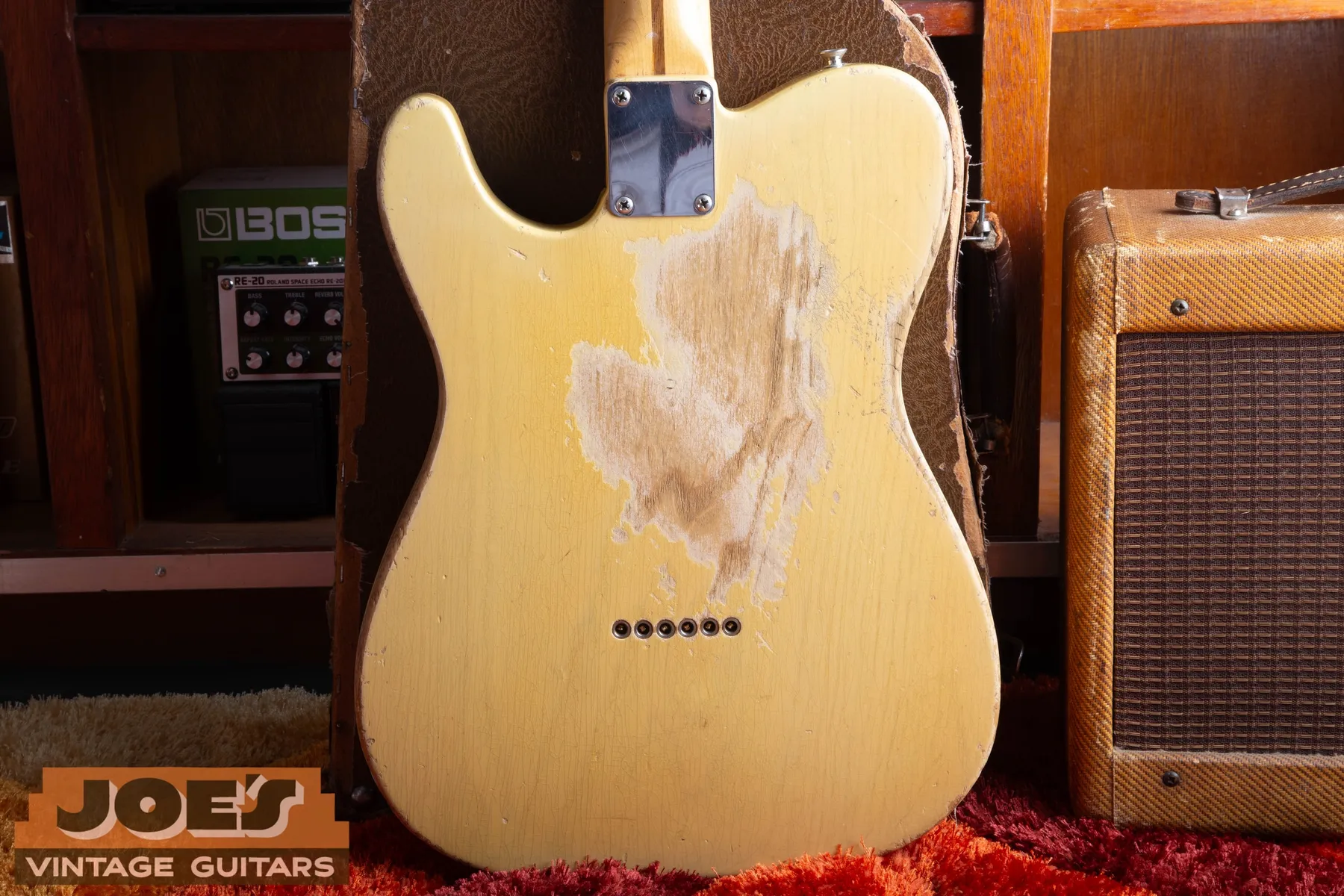
One piece of family history would help make room for the next.
The Details That Date an Early Fender
An early Telecaster is authenticated by the way its details agree with one another. No single screw, stamp or pencil mark tells the whole story. The neck and body dates, bridge serial number, pickups, controls and hardware all have to make sense together. The full 1952 Fender Telecaster authentication guide explains each of those checkpoints in detail.
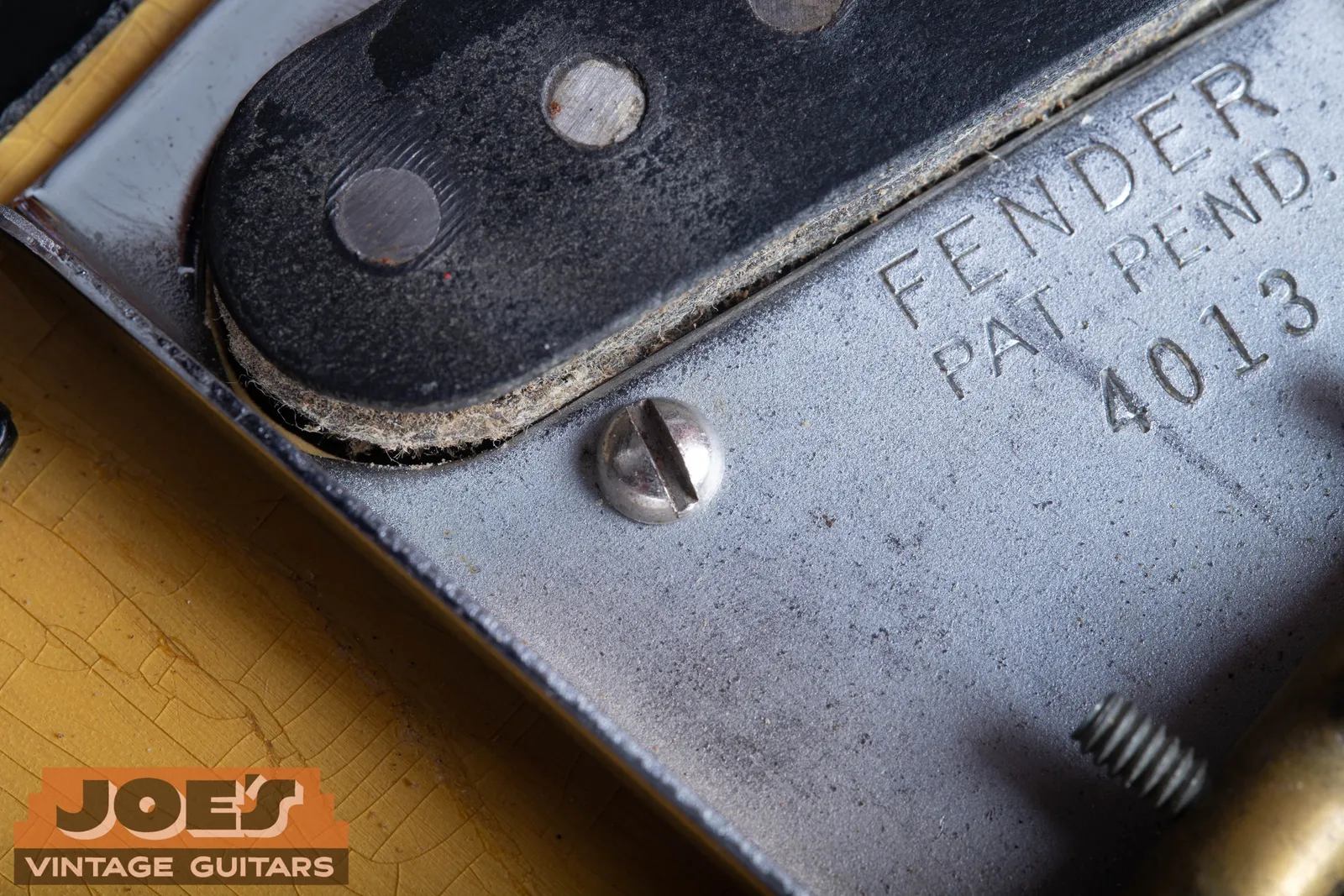
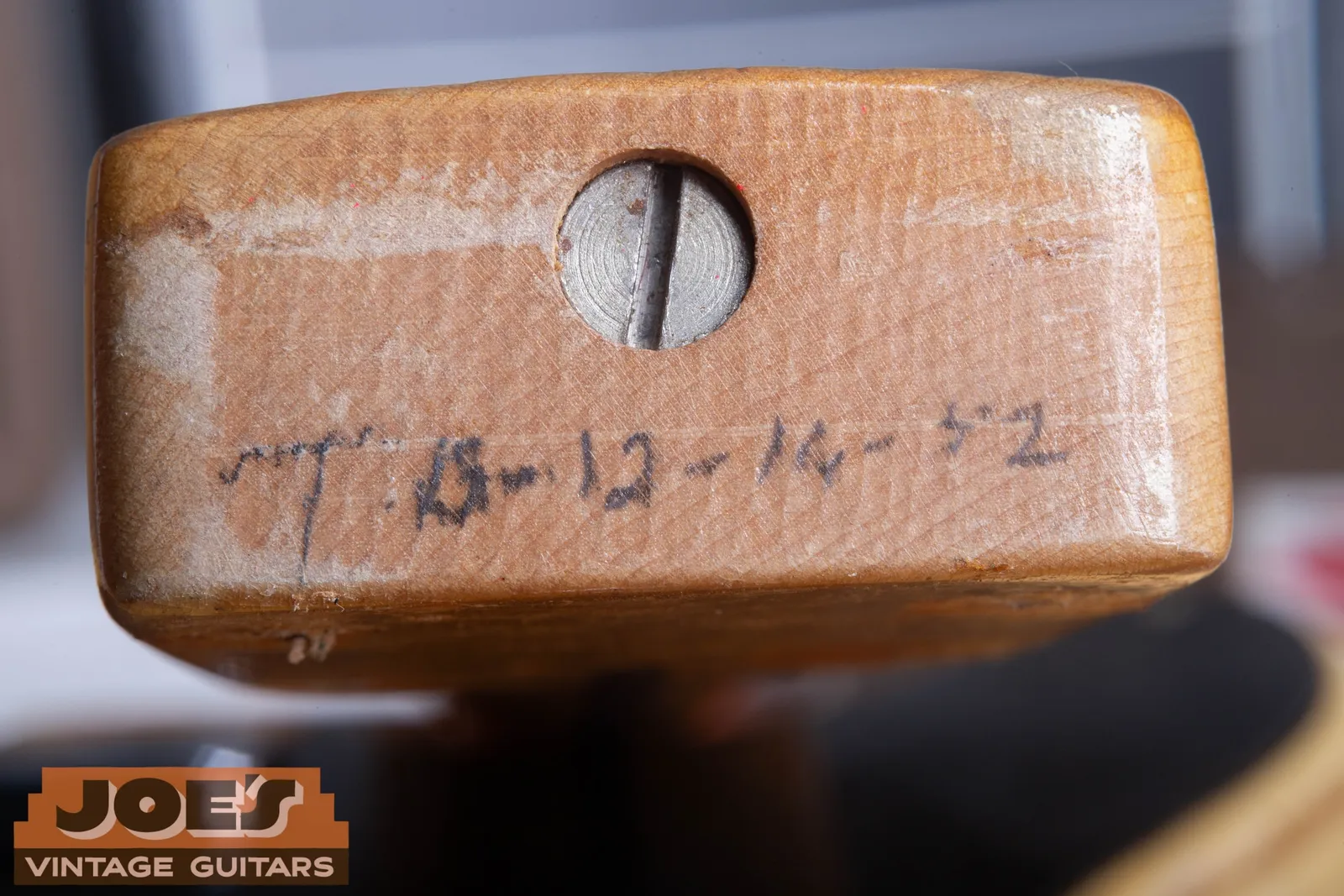
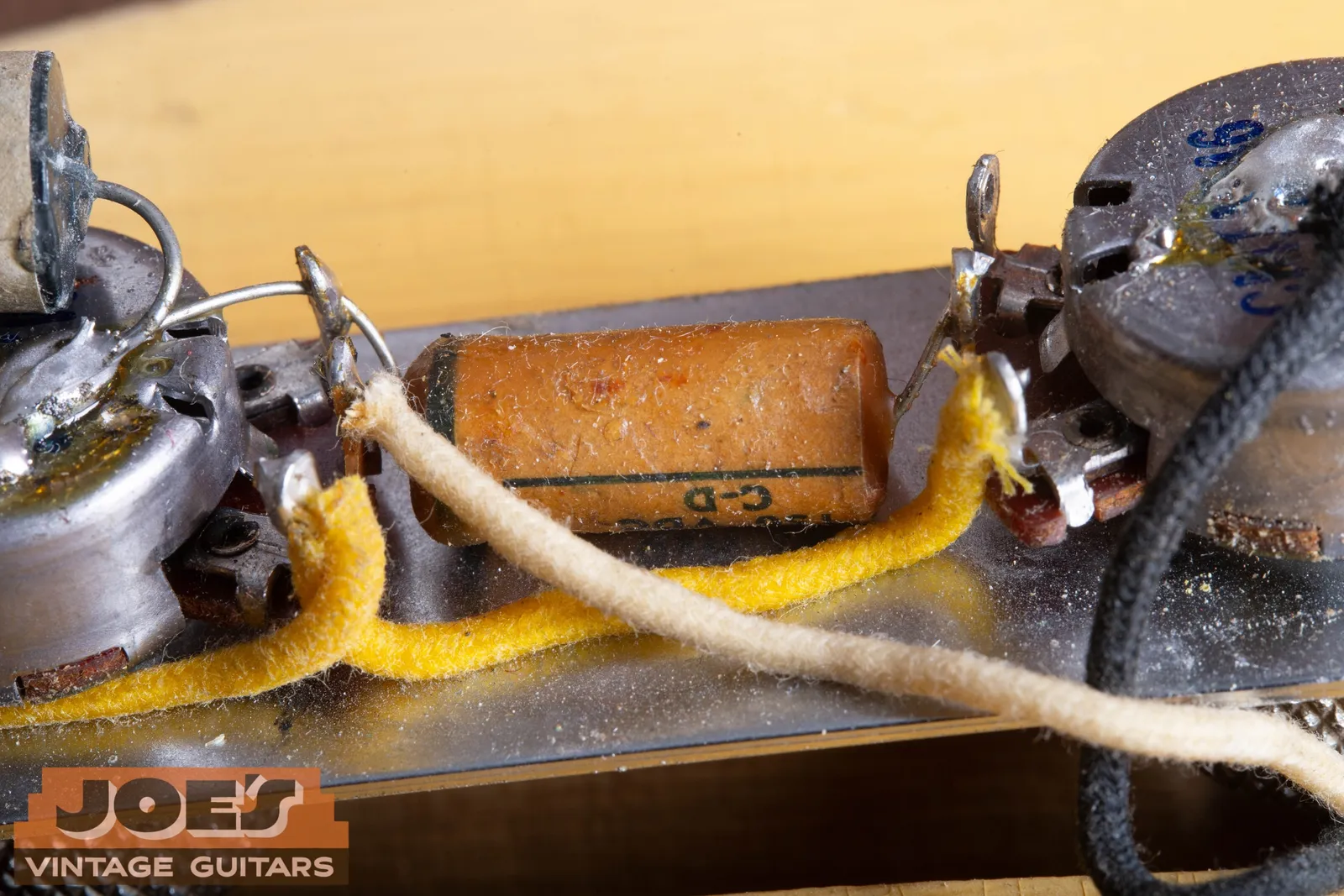
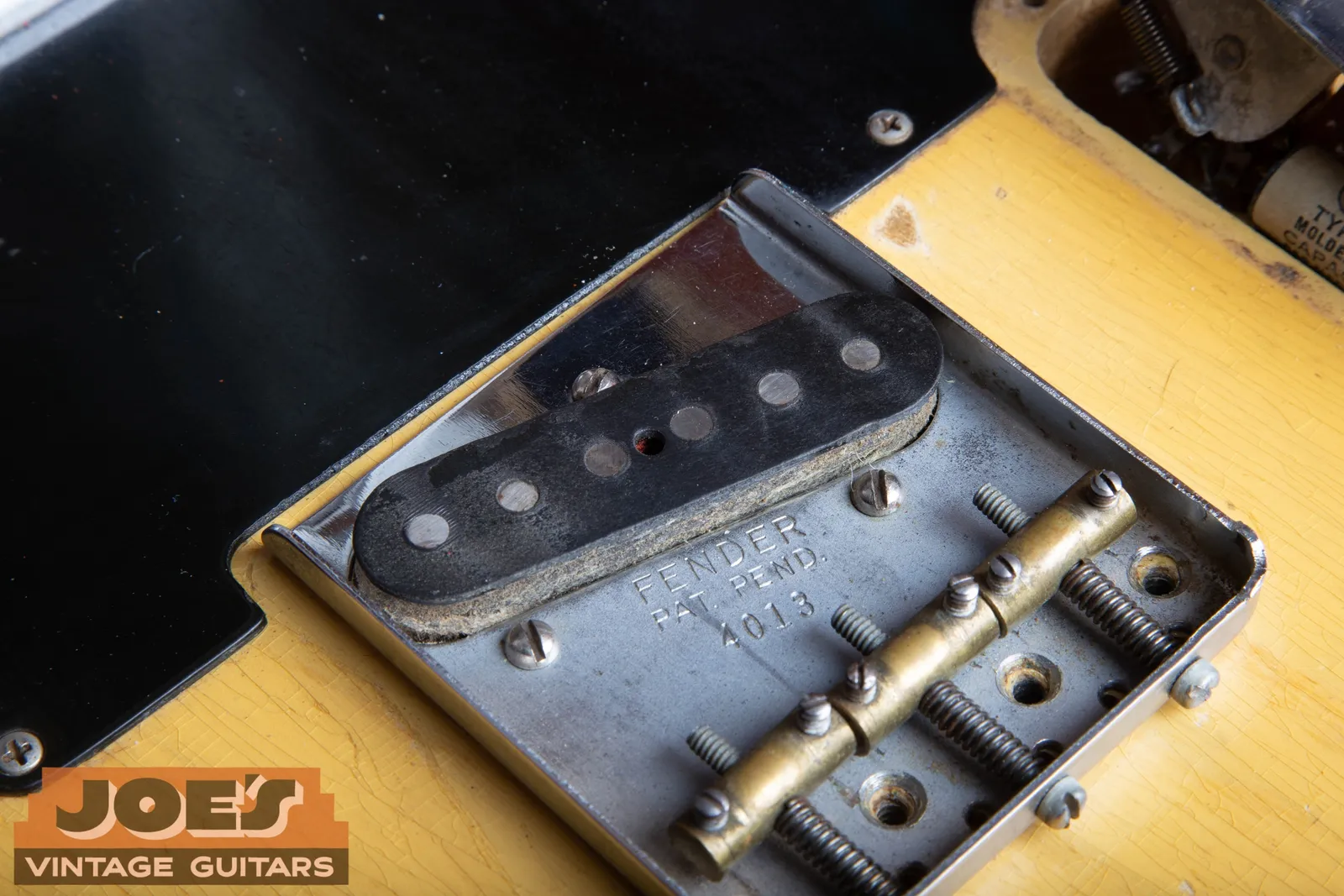
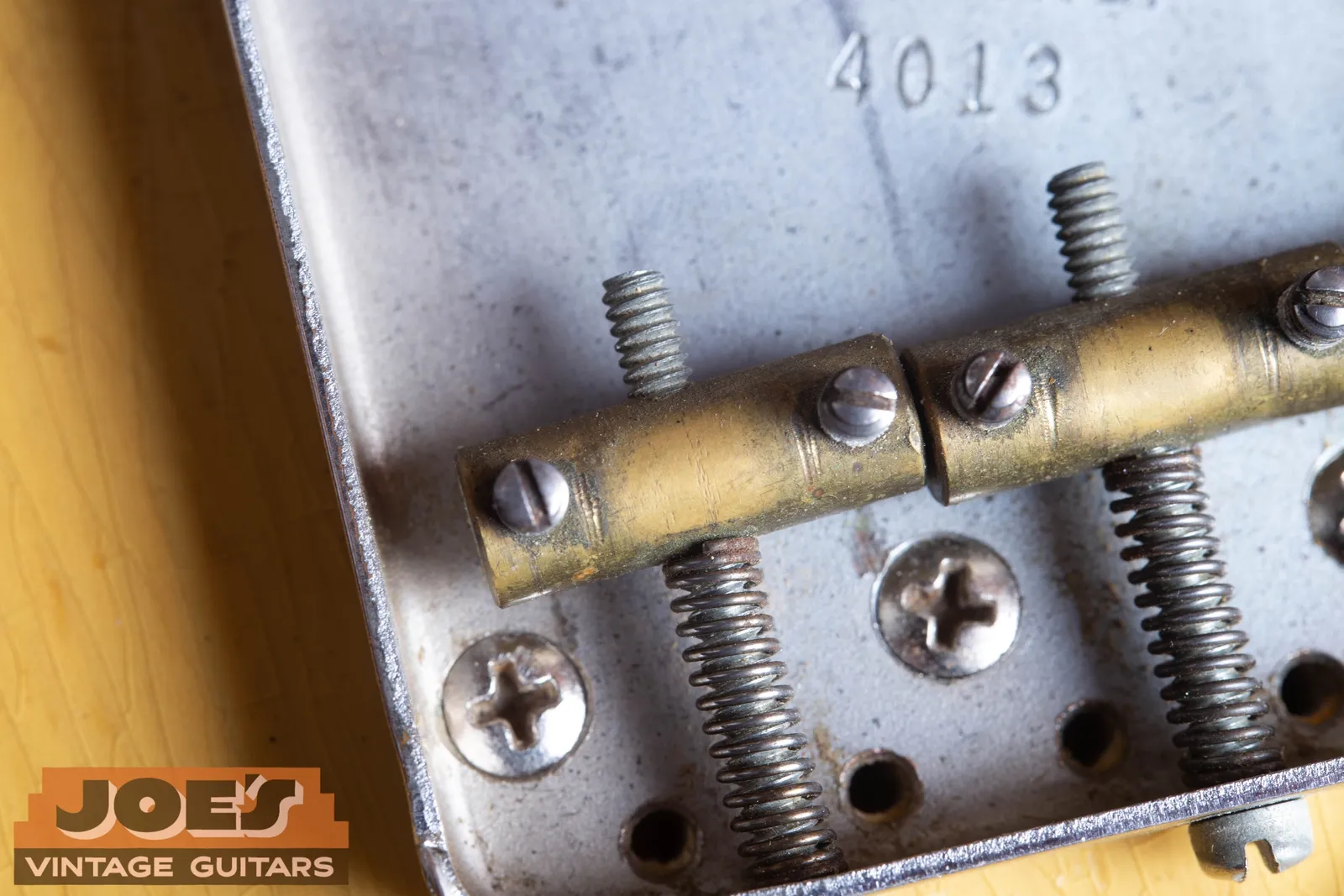
The photographs below show this guitar’s neck-heel date, bridge plate stamped 4013, capacitor and cloth-covered wiring, flat-pole bridge pickup, and brass saddles. For instruments from other Fender eras, the Fender serial number and dating guide is a useful place to begin.
Under the Guard
The Evidence Is in the Details
A closer look at the factory markings, bridge hardware and electronics.
Why Joshua Let It Go
Selling a family guitar is rarely just a financial decision. Joshua knew where the Telecaster had come from. His uncle had bought it new, and it had stayed in the family for decades.
He wanted his uncle’s guitar to end up with someone who would play it. At the same time, the sale could help him put money down on a house. One piece of family history would help make room for the next.
That is the kind of reason I respect. Guitars like this were made to make music. Careful preservation matters, but so does keeping them in the hands of a player.
The Next Chapter
Joshua’s story gives us a direct family connection to the original owner of this Telecaster. Alongside the photographs of the guitar, it records how the instrument came to us and why Joshua chose to sell it.
That connection between an instrument and the people who kept it is also at the heart of stories like Sylvia’s one-owner 1959 Gibson ES-335.
This 1952 Telecaster has already lived one long life. Now it gets to begin another.
Every Guitar Has a Story
Does Your Family Have a Vintage Fender?
If you have an old Telecaster, Stratocaster or another vintage guitar you are thinking about selling, learn how to sell your vintage Fender to Joe or start with a free appraisal.
Get a Free Guitar Appraisal