

Kalamazoo Windsor · Natural And Sunburst · Single And Double
Epiphone Windsor Value Guide
The Windsor chart separates early New York pickups from later mini-humbuckers, then matches the original finish and pickup count.
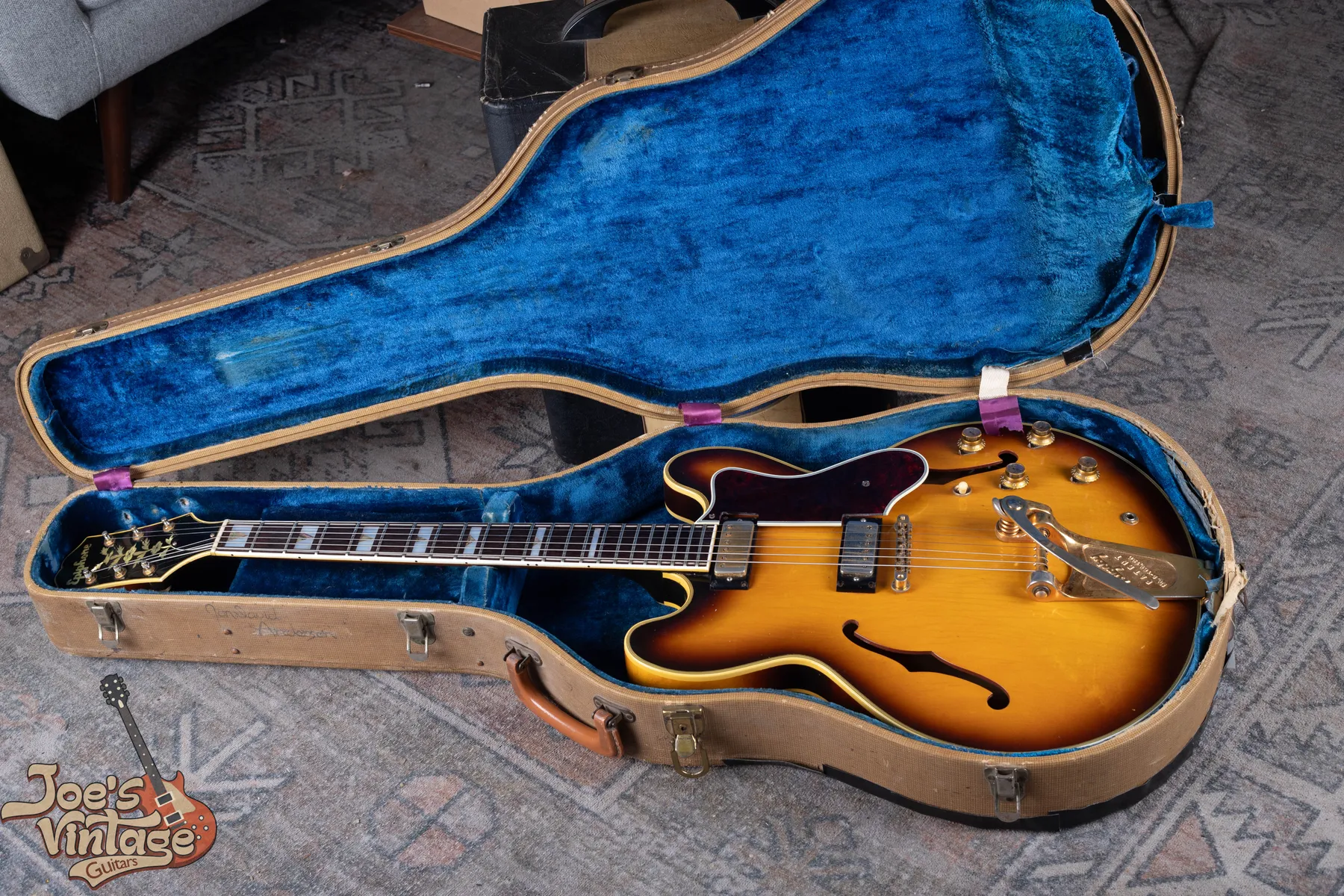
A vintage Epiphone Windsor is estimated at $2,600 to $3,850 for an early natural single-pickup example, $2,900 to $4,400 for an early natural double, and $1,700 to $2,550 for a later sunburst single with a mini-humbucker. These are excellent, original-condition estimates with the original case. Use the Windsor authentication guide to establish the factory pickup type, count and finish before selecting a row.
This Is An Estimate Of Market Value, Not An Offer To Buy And Not A Guarantee. Market Values Fluctuate; Have Your Specific Item Appraised.
Eight Original-Configuration Comparisons
Windsor Values By Finish And Pickup Type
On a phone, swipe across the chart to see the estimated values.
| Model | Pricing Year Group | Configuration | Estimated Value |
|---|---|---|---|
| Windsor | 1959 to 1960 | Natural, one New York pickup | $2,600 to $3,850 |
| Windsor | 1959 to 1960 | Sunburst, one New York pickup | $2,400 to $3,600 |
| Windsor | 1961 to 1962 | Natural, one mini-humbucker | $1,900 to $2,850 |
| Windsor | 1961 to 1962 | Sunburst, one mini-humbucker | $1,700 to $2,550 |
| Windsor | 1959 to 1960 | Natural, two New York pickups | $2,900 to $4,400 |
| Windsor | 1959 to 1960 | Sunburst, two New York pickups | $2,600 to $3,850 |
| Windsor | 1961 to 1962 | Natural, two mini-humbuckers | $2,500 to $3,750 |
| Windsor | 1961 to 1962 | Sunburst, two mini-humbuckers | $1,950 to $2,950 |
U.S. dollars. Joe’s October 2026 estimates start with published reference-guide ranges and apply his pricing adjustment. They are not averages of completed sales. Estimates assume excellent, original condition and the original case where applicable. These are market estimates, not purchase offers. An individual appraisal accounts for repairs and changes.
The chart uses 1959 to 1962 valuation groups. Those ranges do not establish a factory shipment in every year, and a proposed 1962 date needs the same serial and physical checks as an earlier guitar. Each row combines a finish, pickup count and pickup family; all those details need to agree before the estimate becomes a useful comparison.
These are market estimates rather than standing purchase offers. An offer follows review of the individual instrument. A guitar with replaced electronics, repaired wood or uncertain finish should not be presented as the excellent original assumed by the table merely because its model and year are correct.
Single And Double Versions
Early Windsors With New York Pickups
The Single-Pickup Comparison
For 1959 to 1960, the natural single-pickup range is $2,600 to $3,850, and sunburst is $2,400 to $3,600. These rows require the early New York pickup configuration. A later mini-humbucker installed in an early body should be disclosed rather than silently counted as the original equipment.
Photograph the pickup mount and controls together. A single pickup is a legitimate factory version, not necessarily evidence of a missing bridge pickup. Filled holes or a changed guard can complicate the identification, so include any known electrical work.
The Two-Pickup Comparison
The early natural double is estimated at $2,900 to $4,400, with sunburst at $2,600 to $3,850. The factory double-pickup identity matters. Installing a second pickup in a single doesn’t create an original double or automatically justify the corresponding range.
Keep removed components with the guitar and photograph them separately. A loose pickup needs its own identification, but it may help document a change. Don’t reinstall it just for a photograph if that requires disturbing fragile wiring or altering the existing mounting.
The 1961 To 1962 Groups
Later Windsor Prices With Mini-Humbuckers
Natural Single
The later natural single-pickup estimate is $1,900 to $2,850. Confirm the mini-humbucker configuration and original natural finish independently. A stripped sunburst isn’t the same condition comparison.
Sunburst Single
The sunburst single is $1,700 to $2,550. Inspect the pickup, finish and neck joint rather than treating this as a catch-all row for any Windsor with one metal-covered pickup.
Factory Double
The natural double is $2,500 to $3,750, and sunburst is $1,950 to $2,950. Both pickups, the selector and the control layout should be documented before claiming an original double.
A broad pickup transition should not be used as a substitute for inspecting the actual guitar. Old New York pickups can be moved to another body, and a mini-humbucker can be rewound without changing the cover. The appraisal needs the supported factory configuration and a separate account of later work.
When the date is uncertain, send the serial and physical features together. Do not choose the earlier price group simply because one part appears old. A mixed set of components may explain the uncertainty more accurately than a firm year attached to an incomplete photograph.
What The Photographs Need To Show
Original Finish And Gold Hardware
The chart separates natural and sunburst because those are different original finish comparisons. Show the whole guitar in even light, including the rim, back, neck and headstock. A front-only image can miss stripping, overspray or a repaired heel that changes the condition assessment.
The Windsor’s gold-plated equipment should be documented before it is polished or replaced. Wear and changed parts are different questions. A worn period tailpiece may retain useful evidence that a bright new replacement lacks, so include close photographs and any known history instead of judging originality by shine.
If the finish has been changed, use the refinish guide and describe the work directly. The guitar can still be identified as a Windsor while requiring a different value assessment. A finish color that resembles a catalog option does not erase an earlier refinish.
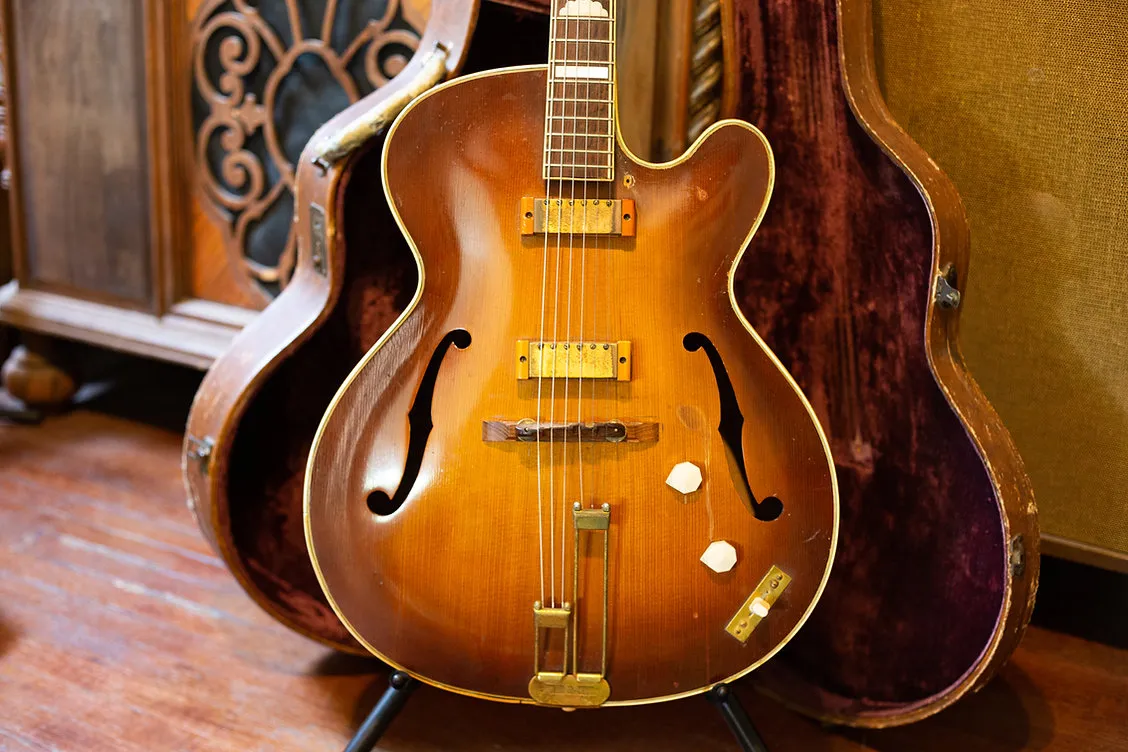
Comparison pickups on different Epiphones: the early New York and later mini-humbucker families must not be priced as interchangeable equipment.
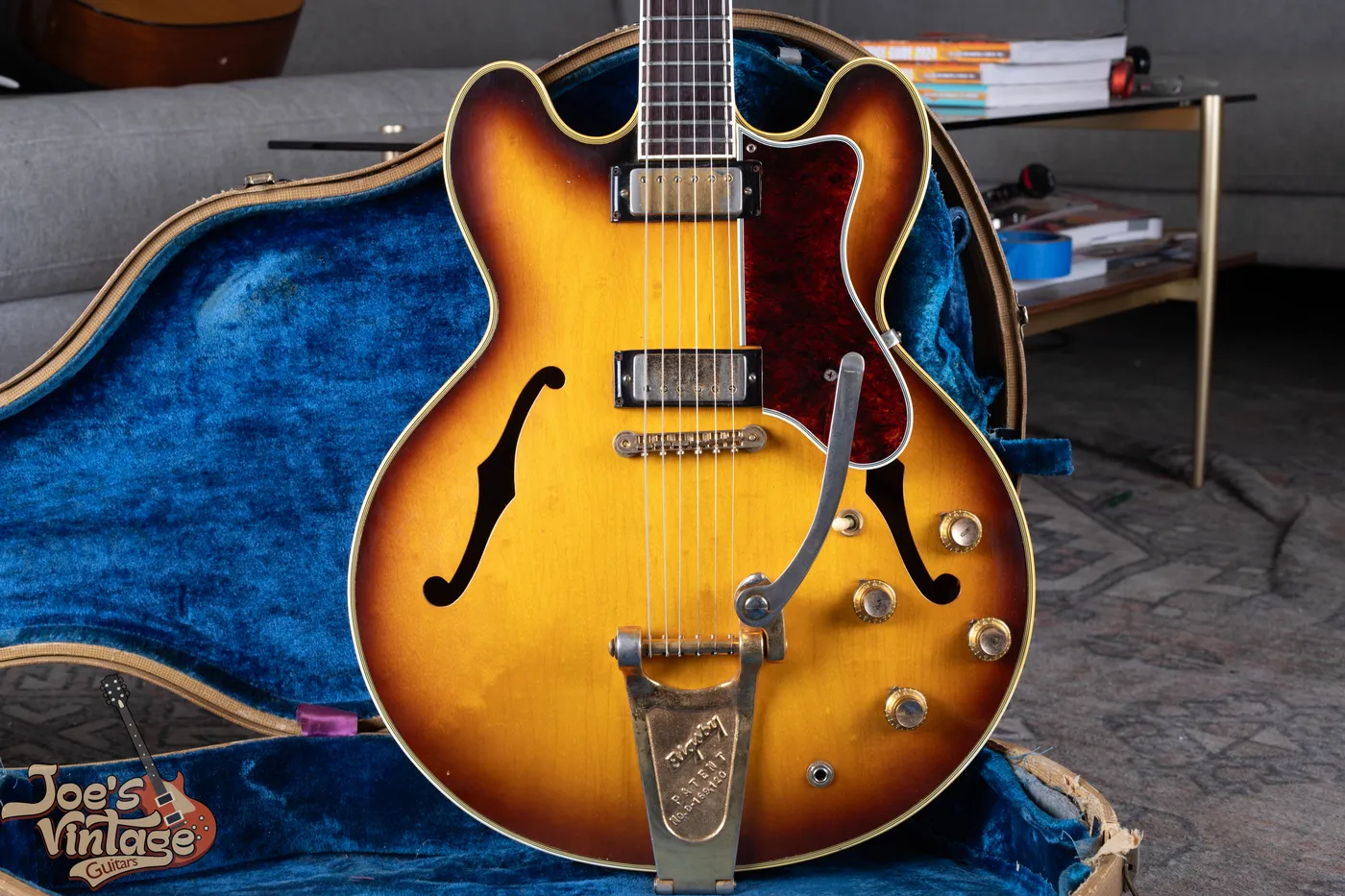
Structure And Electrical Originality
Assess Windsor Repairs Before Ranking The Guitar
Headstock, Heel And Neck Angle
Photograph repaired breaks and the bridge adjustment from the side. A structurally sound repair and an unrepaired problem need different descriptions. Include paperwork that explains the work and its scope.
Pickup And Harness Work
Record rewinds, replacements and added controls. The pickup value guide explains why an attractive cover or working circuit does not establish original electronics.
Missing Or Changed Hardware
Show the guard, bridge, tailpiece and tuner backs. List extra holes or missing parts rather than assuming they are minor. Use the general condition guide to organize the findings.
Do not apply a separate guessed discount to every changed piece and add the results together. A pickup conversion may include the same routing, wiring and guard change, so those observations belong in one coherent assessment. Joe needs the complete repair history to judge the instrument, not a spreadsheet of unsupported deductions.
Read whether to restore before selling before commissioning cosmetic work. An untouched problem can be described and assessed. Work undertaken solely to make the guitar look original may remove evidence while failing to recover its cost.
Avoid Borrowed Prices And Scarcity Claims
Compare A Windsor With The Correct Model
A Sorrento may resemble a Windsor in a small photograph, but its model-specific rows should not replace the Windsor chart. Likewise, a gold pickup or ornate Epiphone headstock does not make a guitar a Sheraton or Zephyr De Luxe. Confirm the body, neck and complete model identity first.
Do not use an unverified production total to support a premium. A short documented run is a historical observation, while a claim about how many survive is a different assertion. If you have factory paperwork or original sales documents, include them for review without assuming that they establish a particular dollar increase.
For an inherited guitar, separate the ownership story from the manufacturing evidence. A relative may have bought it after production ended or received it used. The story is worth preserving, but the date, pickup configuration and repair history still need to be checked against the instrument itself.
Include The Uncertain Details
Build A Useful Windsor Photo Set
Photograph The Whole Guitar And Case
Include front, back and side views with the neck attached in the frame. Show the case open and closed, and state whether its connection to the guitar is documented or assumed.
Show Both Markings And Hardware
Send the headstock front and back, label, serial, pickup mounts, controls, bridge and tailpiece. Keep uncertain digits uncertain and add another angle where a mark is difficult to read.
Explain Changes And Current Condition
List known repairs, replaced parts and any playing problems. Include invoices, removed hardware and prior photographs. Do not operate a damaged instrument merely to provide a demonstration.
If you have photographs taken before a repair, send those alongside the current views. They can show the original control layout or the extent of a break more clearly than a finished repair. Keep the dates attached so the two conditions are not accidentally mixed into one description.
State what you do not know as plainly as what you do. A missing pickup invoice does not prove a rewind, but it also does not support a guarantee that the coil is untouched. That distinction keeps the appraisal grounded in evidence and makes the next inspection question clear.
Send The Evidence
Ask Joe About Your Windsor
Request a free appraisal with the complete photographs. The Epiphone seller page explains the offer and shipping process after the guitar has been reviewed.
Questions AboutEpiphone Values
Do All Windsors Have Mini-Humbuckers?
Does A Short Production Run Guarantee A Premium?
Can I Price A Converted Single As A Double?
Are There Later 1960s Windsor Rows?
The Last Word
A Value For Your Guitar
The Windsor chart works when the pickup family, count and original finish are established together. Use the Windsor authentication guide to resolve the model and period, then let the actual repairs and equipment shape the appraisal.
This Is An Estimate Of Market Value, Not An Offer To Buy And Not A Guarantee. Market Values Fluctuate; Have Your Specific Item Appraised.