

DeLuxe, Regent And Zephyr De Luxe · American Archtops
Epiphone Deluxe Value Guide
Separate the carved-top acoustic, its cutaway versions and the factory electric De Luxe before comparing prices.
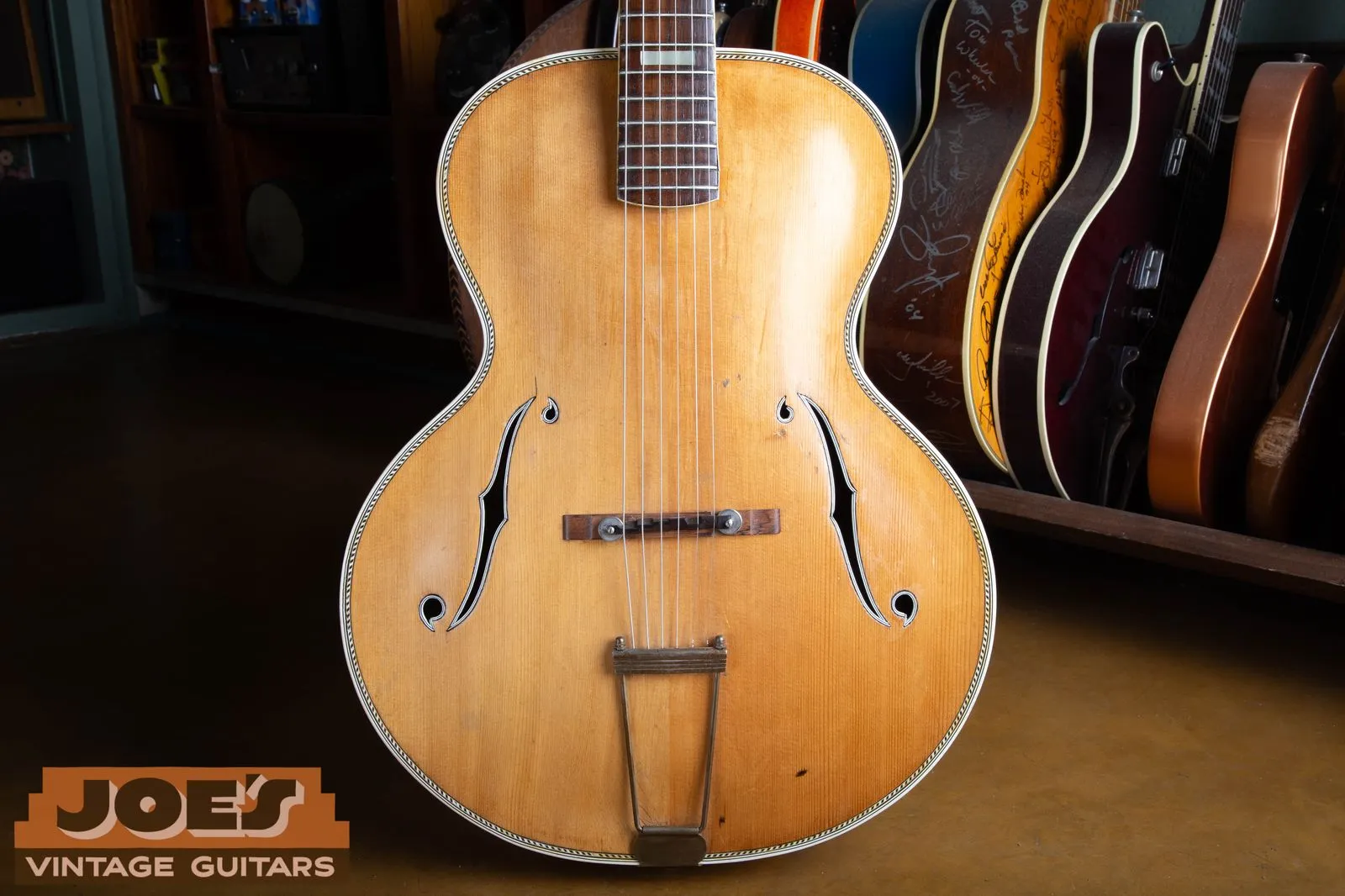
A vintage Epiphone DeLuxe can range from $5,550 to $8,500 for a 1950 to 1957 natural non-cutaway acoustic to $8,700 to $13,050 for an early 1931 to 1935 sunburst example. A Gibson-built 1960 to 1964 acoustic cutaway is estimated at $6,550 to $10,000. Those figures assume excellent, original condition and the original case. The featured 1933 Masterbilt DeLuxe is refinished and needs a neck reset; it is a condition example, not an example of the chart’s original-condition prices. Use the DeLuxe authentication guide to distinguish acoustic, Regent and Zephyr electric versions before choosing a row.
This Is An Estimate Of Market Value, Not An Offer To Buy And Not A Guarantee. Market Values Fluctuate; Have Your Specific Item Appraised.
Joe’s Estimated Market Values
DeLuxe Prices By Body And Electrical Configuration
On a phone, swipe across the chart to see the estimated values.
| Model | Pricing Year Group | Configuration | Estimated Value |
|---|---|---|---|
| De Luxe | 1931 to 1935 | Sunburst; 1935 crossover needs appraisal | $8,700 to $13,050 |
| De Luxe | 1935 to 1944 | Sunburst; 1935 crossover needs appraisal | $7,100 to $10,700 |
| De Luxe | 1939 to 1944 | Natural | $7,100 to $10,700 |
| De Luxe | 1945 to 1949 | Natural | $6,250 to $9,350 |
| De Luxe | 1945 to 1949 | Sunburst | $5,700 to $8,800 |
| De Luxe | 1950 to 1957 | Natural | $5,550 to $8,500 |
| De Luxe | 1950 to 1957 | Sunburst | $5,200 to $8,700 |
| De Luxe Regent | 1948 to 1952 | Acoustic cutaway, natural | $9,050 to $13,750 |
| De Luxe Regent | 1948 to 1952 | Acoustic cutaway, sunburst | $7,500 to $11,000 |
| De Luxe Cutaway | 1953 to 1957 | Natural | $8,500 to $12,750 |
| De Luxe Cutaway | 1953 to 1957 | Sunburst | $7,250 to $10,650 |
| De Luxe Cutaway | 1958 to 1959 | Gibson Kalamazoo acoustic | $8,250 to $12,600 |
| De Luxe Cutaway | 1960 to 1964 | Gibson Kalamazoo acoustic | $6,550 to $10,000 |
| De Luxe Cutaway | 1965 to 1970 | Special order only | $5,600 to $8,600 |
| Zephyr De Luxe | 1941 to 1942 | Natural, non-cutaway | $2,500 to $4,450 |
| Zephyr De Luxe | 1945 to 1949 | Natural, one pickup, non-cutaway | $2,850 to $4,450 |
| Zephyr De Luxe | 1945 to 1954 | Natural, two pickups, non-cutaway | $3,100 to $4,900 |
| Zephyr De Luxe | 1950 to 1954 | Sunburst, two pickups, non-cutaway | $2,800 to $4,350 |
| Zephyr De Luxe Regent | 1948 to 1949 | Natural, one pickup, cutaway | $3,000 to $5,600 |
| Zephyr De Luxe Regent | 1948 to 1949 | Natural, two pickups, cutaway | $3,700 to $6,150 |
| Zephyr De Luxe Regent | 1948 to 1949 | Sunburst, one pickup, cutaway | $2,850 to $4,450 |
| Zephyr De Luxe Regent | 1948 to 1949 | Sunburst, two pickups, cutaway | $3,550 to $5,350 |
U.S. dollars. Joe’s October 2026 estimates start with published reference-guide ranges and apply his pricing adjustment. They are not averages of completed sales. Estimates assume excellent, original condition and the original case where applicable. These are market estimates, not purchase offers. An individual appraisal accounts for repairs and changes. Some overlapping pre-Gibson electric groups are omitted. Read the explanation below before choosing a comparison.
The rows separate acoustic, non-cutaway electric and early electric-cutaway configurations; some later electric groups require an individual appraisal. Read the cutaway, pickup count and finish along with the dates. A Zephyr De Luxe with two factory pickups has a different comparison from a carved-top acoustic carrying a removable pickup. A later owner’s short description may omit exactly the detail needed to choose correctly.
The 1935 acoustic year appears in two ranges. Documented body widths change from 16⅜ inches in the early design to 17⅜ inches by 1935. Measure the lower bout and send the construction details for an individual estimate at that crossover; the overlapping year alone cannot select either range. The later cutaway electric ranges overlap under De Luxe Electric and Zephyr De Luxe Regent names, without enough information to select a dependable comparison. Those 1950s cutaway entries are omitted instead of presenting two competing estimates for the same guitar. Send the pickup layout, full label, body depth and any repair history for an individual appraisal. The earlier Zephyr rows do not supply a substitute price for a later instrument.
Finish And Body Configuration
How New York Acoustic DeLuxes Compare
Prewar Non-Cutaways
The earliest sunburst group is $8,700 to $13,050. The later 1935 to 1944 sunburst row is $7,100 to $10,700, with a separate natural row for 1939 to 1944. Date and construction need to be established before applying those figures. A large ornate Epiphone isn’t automatically a DeLuxe, and a family recollection alone doesn’t establish a prewar year.
Preserve the headstock decoration, fingerboard pattern and body dimensions in the photo set. Those details help distinguish the instrument before condition is assessed. If inlay or binding was replaced, include that history. Attractive replacement work is still different from the original appointments assumed by the chart.
Postwar Acoustics And Regents
The 1945 to 1949 natural non-cutaway estimate is $6,250 to $9,350. Acoustic Regents have separate cutaway rows, including $9,050 to $13,750 for the 1948 to 1952 natural group. A cutaway claim needs the body construction to support it; it should not be inferred from the word Regent on a later sales tag.
Original finish matters within each group. A stripped sunburst isn’t an original natural-finish guitar. Photograph protected edges and known finish repairs before comparing the natural and sunburst rows. Leave the finish unresolved if the available photographs do not answer the question.
Keep Acoustic And Zephyr Rows Separate
Philadelphia-Era DeLuxes And Factory Electrics
The 1953 to 1957 natural acoustic cutaway is estimated at $8,500 to $12,750, while the sunburst version is $7,250 to $10,650. Factory electric De Luxe and Zephyr De Luxe versions appear separately. The factory period does not erase the difference between a carved acoustic and an instrument built around installed pickups and controls.
For a Zephyr De Luxe, report whether the body is cutaway or non-cutaway and whether it left the factory with one pickup or two. A second pickup added later can change the top and wiring. Show any filled opening, altered guard or extra control hole. Returning old-looking parts to the guitar does not restore uncut wood.
The label’s address is useful history, but it is not an automatic price premium. A Philadelphia-era instrument still needs its original configuration and condition established. A serial estimate near a transition should not be narrowed to whichever year produces the preferred value.
The A212 And Later Special Orders
Kalamazoo DeLuxe Acoustic Values
1958 To 1959 Acoustic Cutaways
The early Gibson-built range is $8,250 to $12,600. Confirm the Kalamazoo construction and factory markings rather than treating the new ownership date as proof of where every transitional instrument was completed. A clear neck, label and body record is the starting point.
1960 To 1964 Examples
The estimate is $6,550 to $10,000. Compare an acoustic DeLuxe with an acoustic DeLuxe. A fitted pickup may be useful for performance, but it creates a separate originality question and does not make this guitar equivalent to an older factory Zephyr electric.
1965 To 1970 Special-Order Group
The later range is $5,600 to $8,600. Special-order status does not explain every unusual part. Keep receipts and documented options with the guitar, and distinguish those records from a later assumption that a modification must have been factory work.
For the Kalamazoo acoustic, include the bridge height, neck angle and top condition in the appraisal photographs. The guitar’s ability to play cleanly matters alongside finish and hardware originality. A low bridge can conceal a geometry problem, so a statement that the action is low should not replace a side view.
Case and accessory history also belongs with this group. An original case is part of the chart’s assumption, while a replacement case needs to be described as such. Retained original tuners or a removed bridge can help explain an alteration, although storing a part in the case does not undo work performed on the instrument.
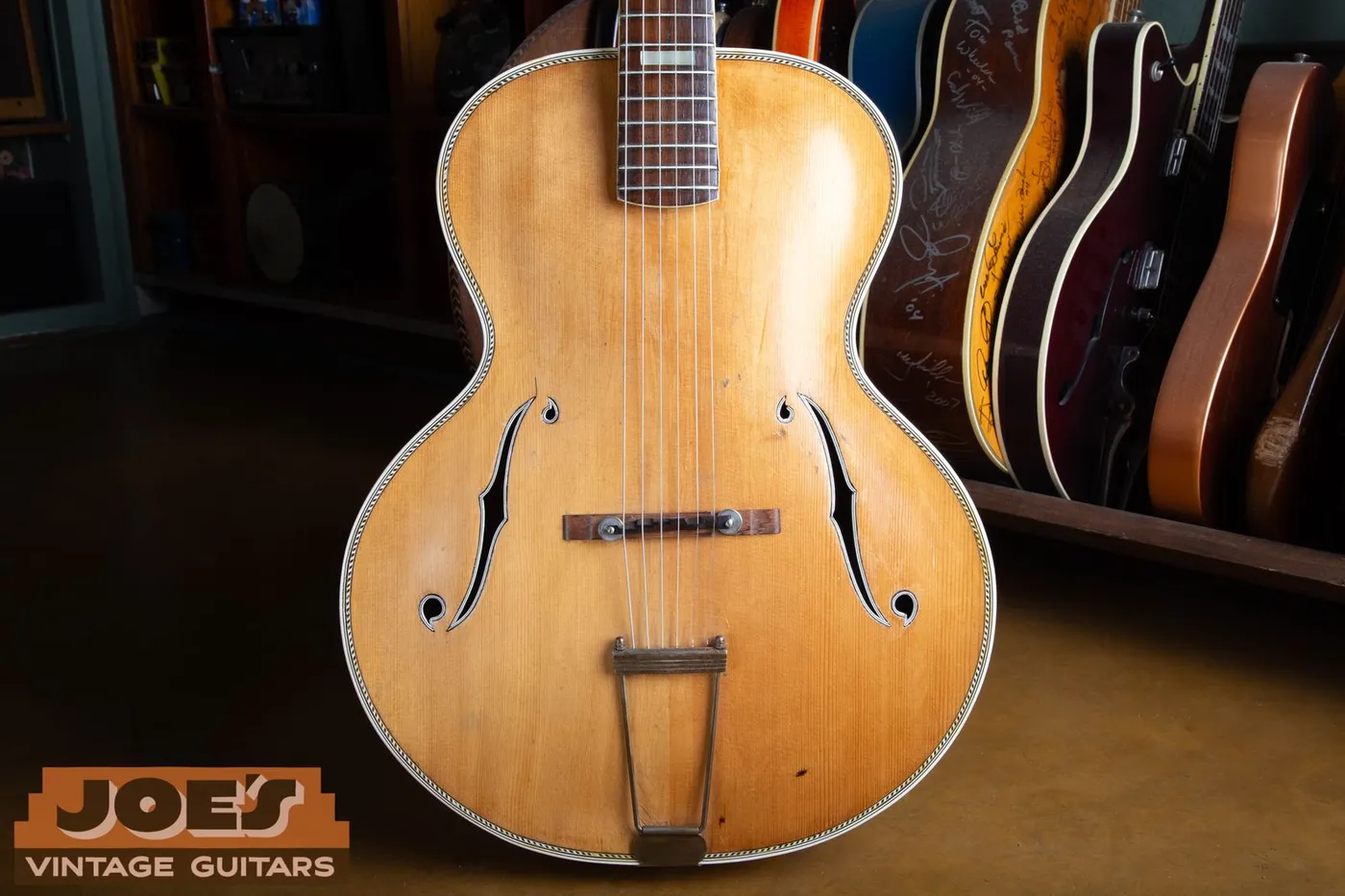
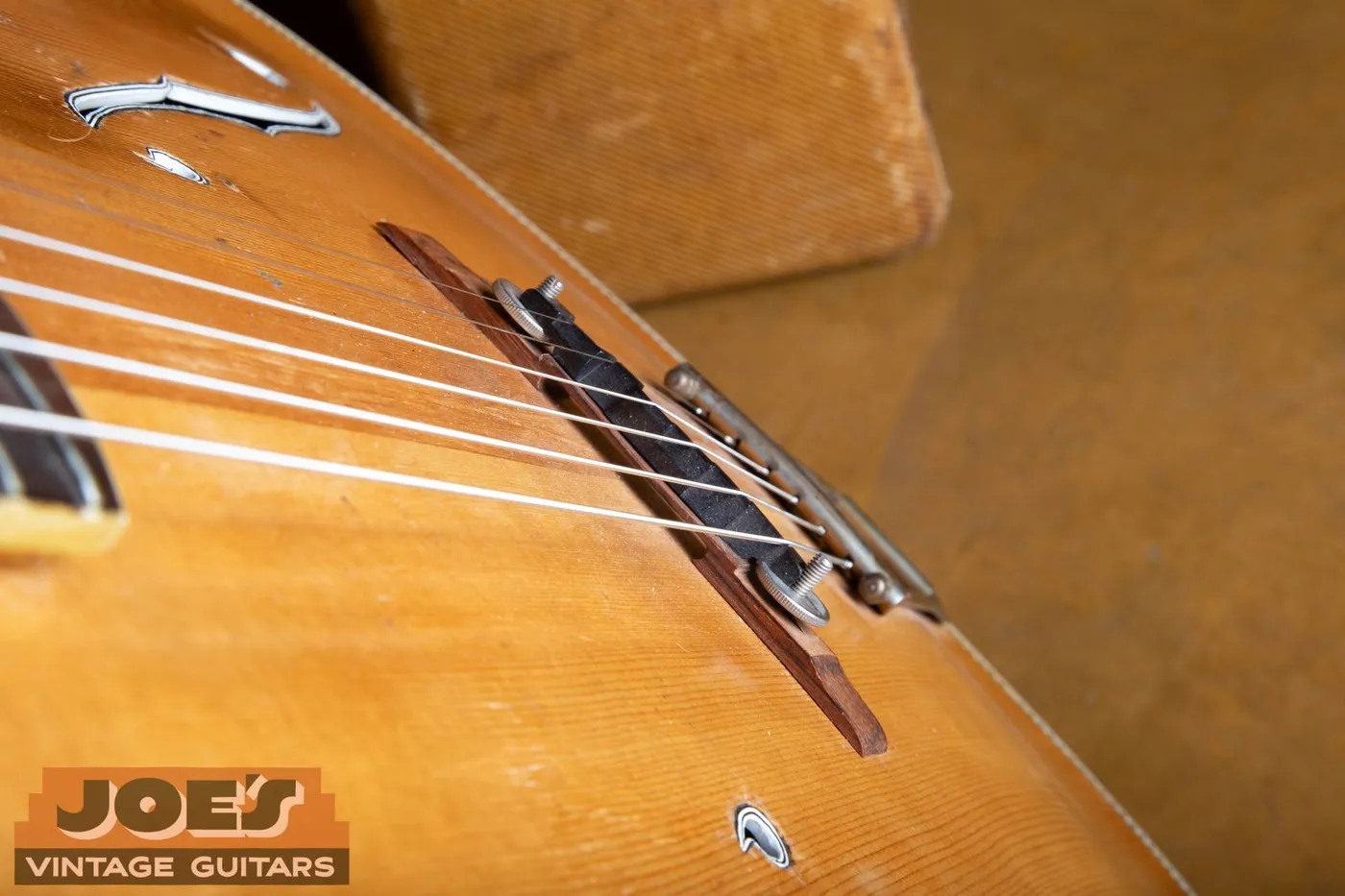
This 1933 Masterbilt DeLuxe is refinished. Its shaved bridge and neck-reset need require an individual condition assessment.
Beyond An Attractive Finish
Repairs That Need Individual Review
Top And Neck Work
Show a reset neck, repaired heel, sunken top or repaired crack directly. A successful repair can make a guitar useful again while remaining relevant to its value. Include the repair invoice and photograph the area from more than one angle.
Binding, Inlay And Finish
Record replaced decorative material and added finish. Review condition factors and refinish effects before assuming that a brighter surface belongs at the top of an original-condition range.
Electric Components And Mounts
A replacement coil beneath an old cover is still a change. Keep technician notes for repairs and rewinds, and show altered pickup or control openings. The pickup replacement guide explains the questions to raise.
Do not undertake cosmetic restoration just to make the guitar resemble an excellent example in the chart. Read whether to restore before selling and have the current condition assessed first. An appraisal can help separate useful maintenance from work that removes evidence of the original instrument.
If a repair is only suspected, describe the visible clue instead of presenting a diagnosis as certain. A finish line, unusual reflection or changed screw can justify a closer inspection without proving the whole history. Clear observations are more useful than broad claims that everything is original or everything has been replaced.
Make The Variant Clear
What To Send For A DeLuxe Appraisal
Show The Body And Decorative Details
Include front, back, side, headstock and fingerboard views. Add lower-bout width and rim-depth measurements. Keep the whole instrument visible in at least one photograph so close-ups can be placed in context.
Record Labels, Pickups And Repairs
Photograph the complete label and serial without cleaning them. Show every pickup and control on an electric, and the mounting of any accessory on an acoustic. Include known cracks, repaired joints and changed hardware.
Preserve The Ownership Record
Send receipts, old photographs and the case with a short account of what is known. Separate documented dates from family recollection. Keep loose parts together and explain where they were removed from.
Tell Joe whether the guitar has been checked recently or has remained in storage. That distinction helps keep an untested instrument from being described as ready to play without evidence.
Send The Evidence
Get A DeLuxe Value From Joe
Send your evidence for a free appraisal. For a purchase offer, use Sell My Epiphone and include the instrument’s repair history. The chart is a market comparison, not a promise of an offer at either endpoint.
Questions AboutEpiphone Values
Are DeLuxe And Zephyr De Luxe Prices Interchangeable?
Does This Guide Include Kalamazoo DeLuxes?
Is A Natural-Looking Guitar Automatically An Original Natural Finish?
Does This Chart Cover The FT De Luxe Flat-Top?
The Last Word
A Value For Your Guitar
Identify the acoustic or electric branch, then the cutaway, pickup count and finish. The DeLuxe authentication guide helps establish those facts. A condition review then turns the chart into a useful comparison for the individual guitar.
This Is An Estimate Of Market Value, Not An Offer To Buy And Not A Guarantee. Market Values Fluctuate; Have Your Specific Item Appraised.