

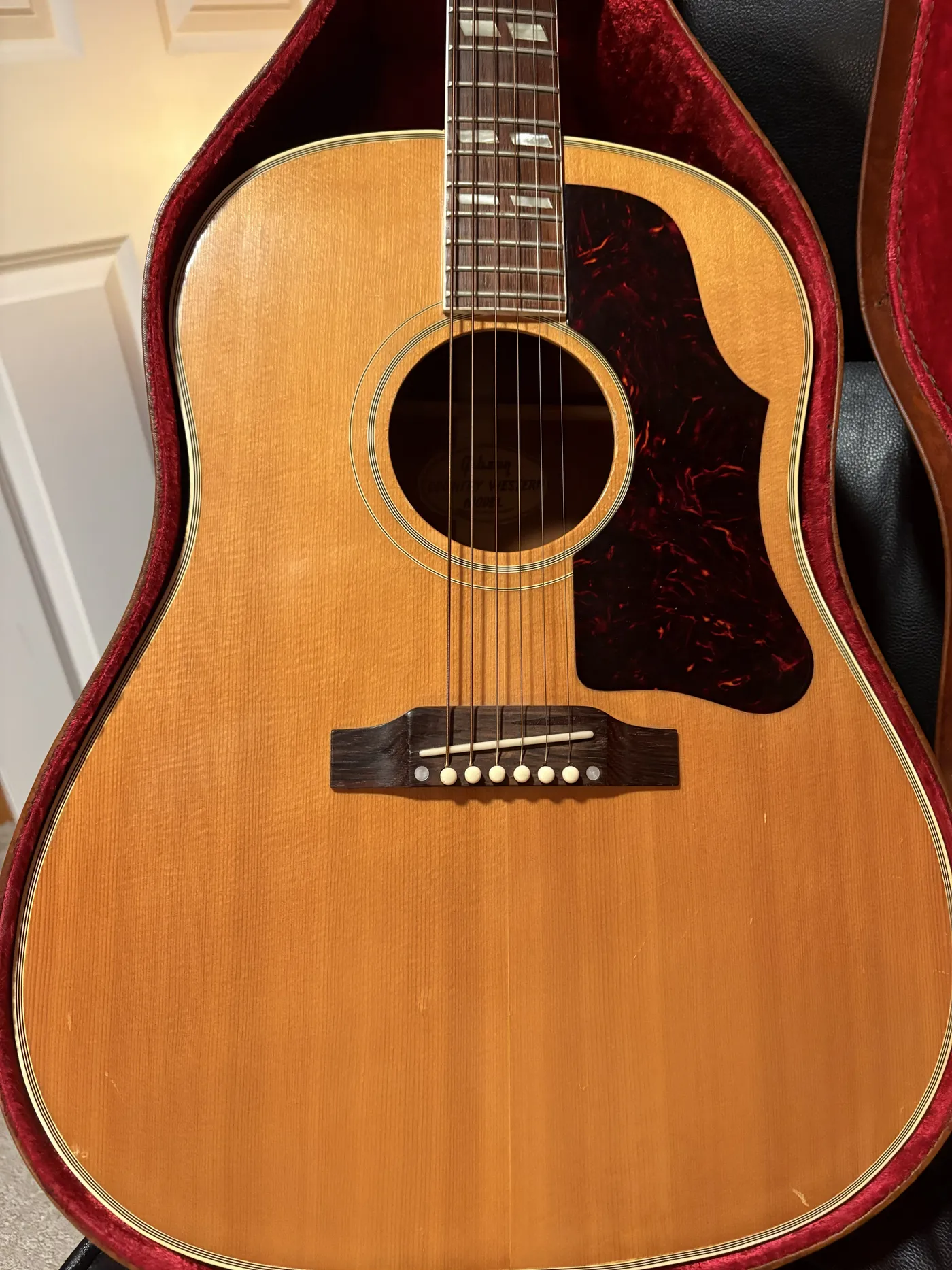
The Country Western belongs to the natural-finish Southern Jumbo family. Listings may call it Country Western, Country and Western, SJN or SJN Deluxe. Match the actual era and construction before selecting a range; a natural-finish J-50 or a stripped Southern Jumbo is a different comparison.
Gibson Country Western Value Table: 1956 to 1978
| Era | Configuration | Adjusted Reference (USD) |
|---|---|---|
| 1956 to 1959 | Country Western / SJN | $6,160 to $8,360 |
| 1960 to 1962 | Round shoulders | $5,984 to $7,920 |
| 1962 to 1964 | Square shoulders | $5,481 to $7,134 |
| 1965 | SJN Country Western | $3,825 to $5,100 |
| 1966 to 1968 | SJN Country Western | $3,560 to $4,895 |
| 1969 | Belly-down bridge | $2,720 to $3,400 |
| 1970 to 1971 | SJN Deluxe; non-adjustable saddle | $1,780 to $2,670 |
| 1972 to 1973 | SJN Deluxe; unbound fingerboard | $1,700 to $2,550 |
| 1974 to 1978 | SJN Deluxe; four-ply top binding | $1,760 to $2,640 |
How These Ranges Were Prepared
These are adjusted guide references based on The Official Vintage Guitar Magazine Price Guide 2026, page 202. Each source row was reduced by one fixed, randomly assigned percentage from 11% through 15%, applied to both endpoints. They are not reported sale prices or a statistical market average. Reviewed October 2026.
The baseline is an all-original instrument in excellent condition, with its original case where applicable. Repairs, replacement parts, refinishing and missing cases require individual assessment. The adjustment is already included; do not subtract it a second time.
Country Western, SJN And SJN Deluxe
The original natural SJ predates the Country Western name. The price guide groups the named Country Western/SJN from 1956, then lists the SJN Deluxe separately from 1970. Its 1954 to 1956 natural SJ precursor appears in my Southern Jumbo value guide.
The 1962 ranges overlap because the source separates body configurations. Identify round versus square shoulders and check the dating evidence; do not infer the body shape from a seller’s stated year alone. A repaired bridge or a replacement fingerboard can obscure the era clues.
Original Natural Finish Or A Stripped Sunburst?
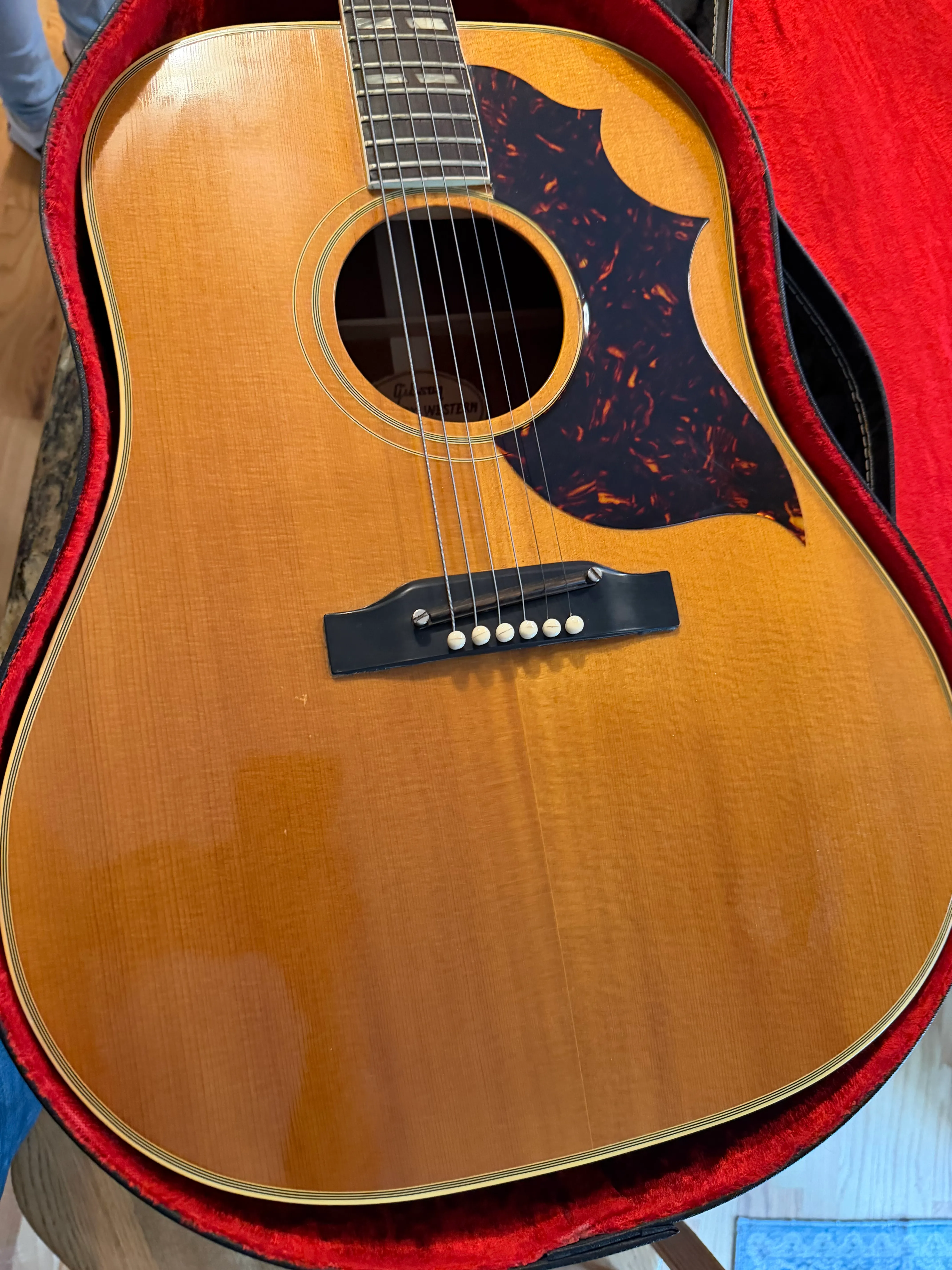
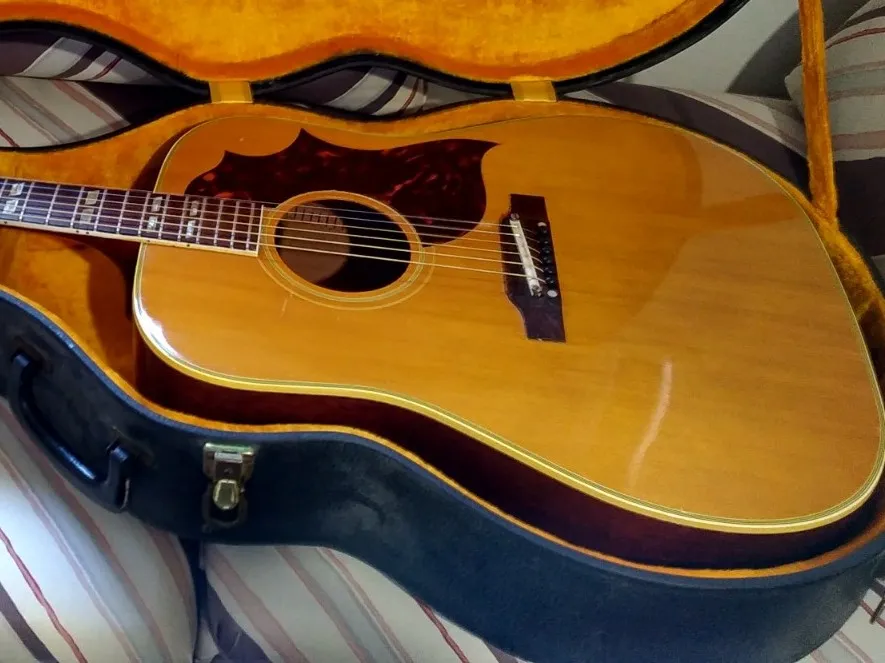
Inspect the edges, soundhole, neck heel and areas around the bridge and pickguard for evidence of refinishing. Finish appearance is one part of the examination; light, photography and aging can all change its apparent color. Do not scrape or remove finish to investigate.
Condition Matters More Than The Listing Name
Natural-finish J-50s have simpler dot fingerboard markers, while the SJ/Country Western family uses split parallelograms. Later repairs, neck replacements and exceptions require more than one feature to settle the model. Use the Country Western authentication guide before picking a price row.
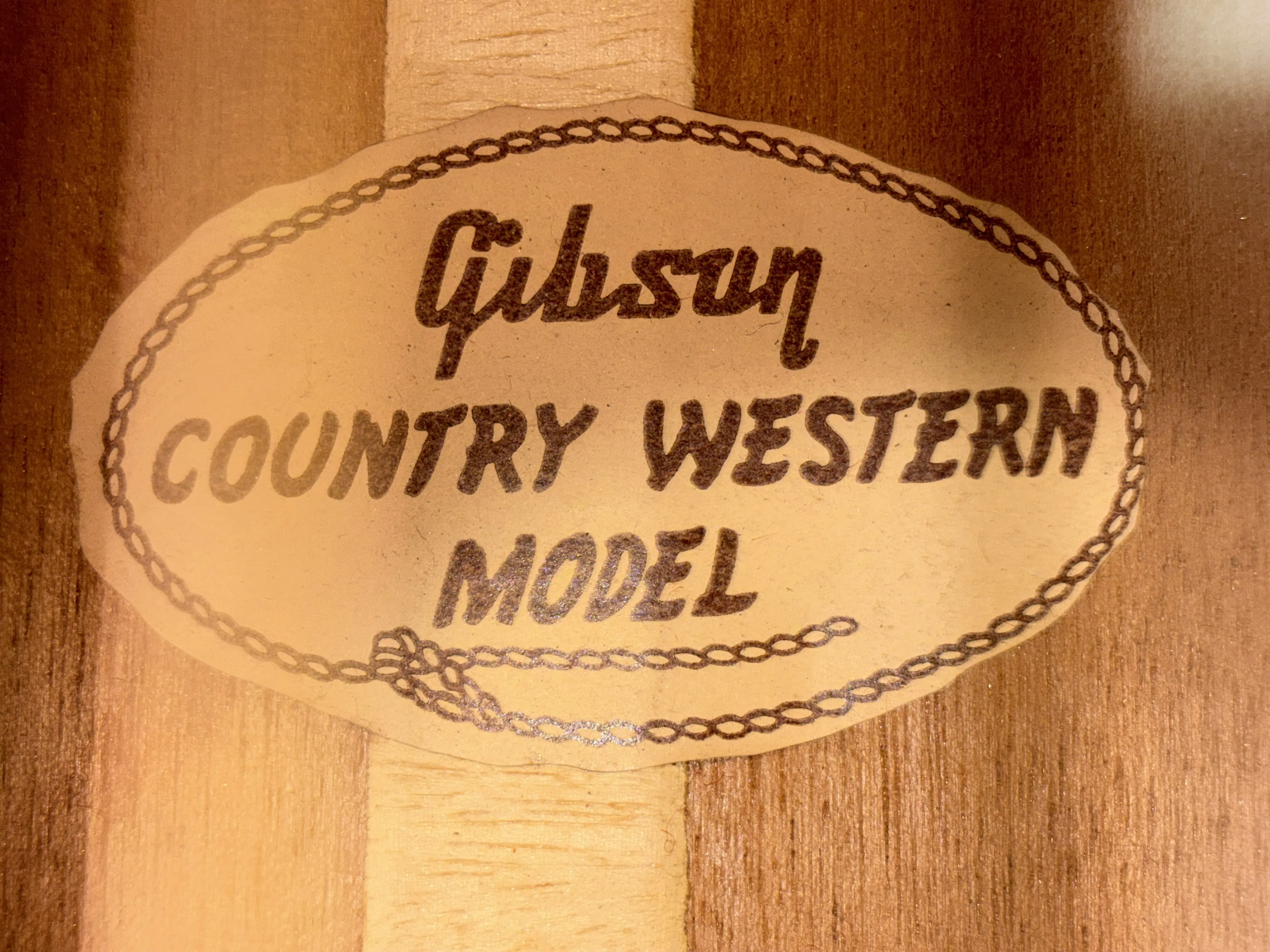
Evaluate original finish, neck angle, bridge and saddle, cracks, brace repairs and the case together. A guitar that still needs a neck reset should not be valued as though that work is complete. Modern Sheryl Crow models and current reissues fall outside this vintage table.
From A Reference Range To Your Guitar
A dealer asking price, a completed transaction and a direct purchase offer are different figures. These ranges do not promise your selling proceeds or establish an insurance replacement value. I need the guitar’s model, date, condition and repair record before giving a specific appraisal.
A quality refret preserves the all-original classification of an otherwise original guitar in my grading, while removing museum-quality status. A replacement bridge, neck reshaping or a refinish is a separate issue and must be disclosed.
For a free appraisal, send full front and back photos, both headstock faces, all numbers or labels, bridge and saddle, neck heel and known repair areas. You can also read about selling a Gibson.
Common Questions About Gibson Country Western
What do these Gibson Country Western prices represent?
They are adjusted references from the 2026 Vintage Guitar price guide for excellent, all-original instruments with the original case where applicable. A fixed 11% to 15% reduction was applied to each source row. They are not recorded selling prices.
Can I use the range for a repaired or refinished guitar?
Not without a condition assessment. Repairs, replaced parts, finish work, neck angle and the case can change the comparison. The photographed repair examples are clearly labeled.
Is this a guaranteed offer for my guitar?
No. A reference range and an offer are different figures. Send photographs and repair details for an individual appraisal.