
Sell A Vintage Guitar In Phoenix Without Listing It Yourself
Selling an old guitar doesn't have to begin with a public advertisement. If you live in Phoenix, you can start by sending photographs to a nearby specialist and learning what the instrument is before deciding how to sell it.
I'm Joe Dampt, the owner and appraiser at Joe's Vintage Guitars in Mesa. I work directly with guitar owners throughout the Phoenix metro area. Some know the exact model, year, and history of the instrument. Others have inherited a guitar and only know the name on the headstock. Both are normal starting points.
I provide a free initial appraisal and, for instruments I want to purchase, a no-obligation offer. You can begin from home and make the drive to the Mesa shop only after we have established that an in-person inspection makes sense.
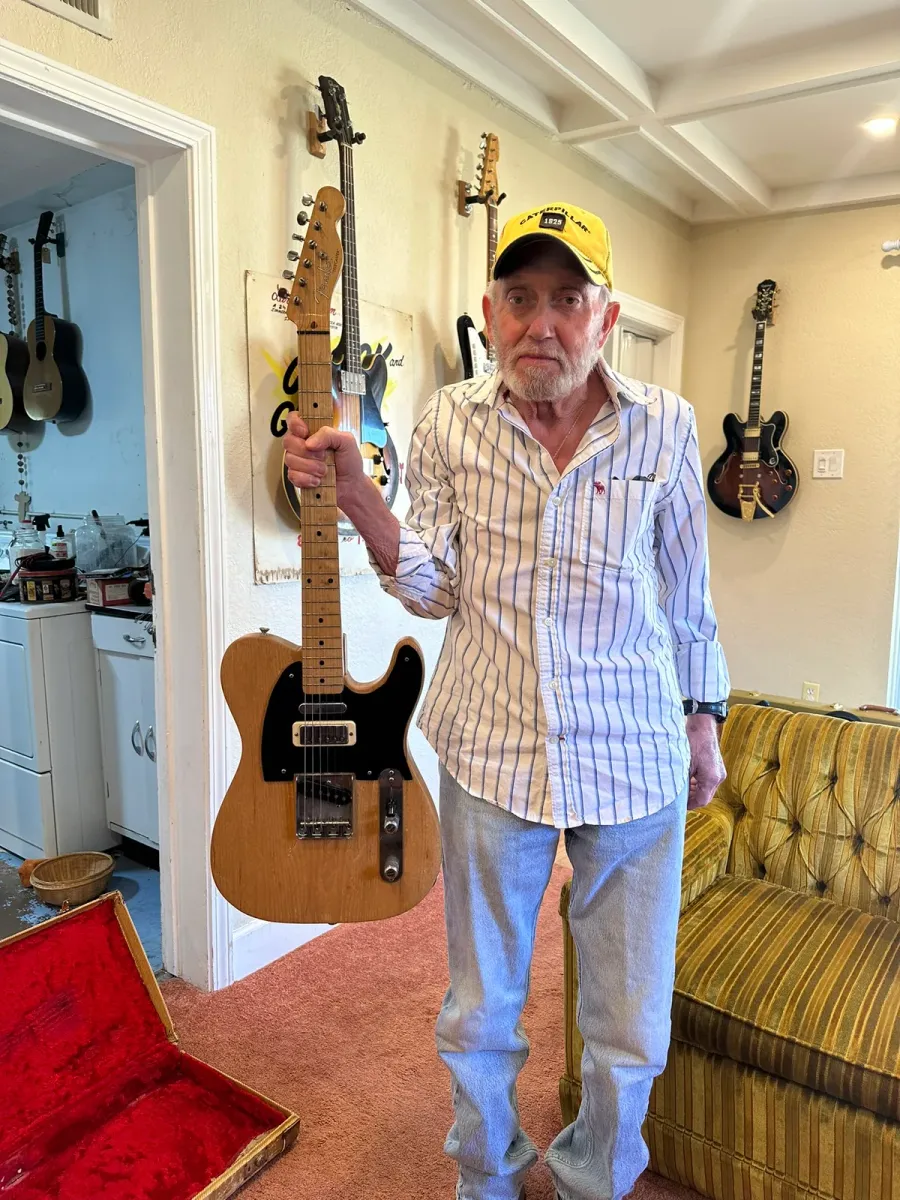
A Modified 1956 Fender Telecaster From Phoenix
One Phoenix seller contacted me about a modified 1956 Fender Telecaster. The guitar retained its original pickups and electronics, while other vintage modifications reflected how it had been used over time. That combination made it a good example of why the word “modified” isn't enough to set a value.
The right questions are which parts changed, when the work was done, whether the original parts remain, and how the work affects the guitar as a whole. A modified vintage Fender can still be an important and desirable instrument. Send clear photographs before replacing parts or trying to return it to stock. If you're researching a similar guitar, Joe's Fender Telecaster dating guide explains the details that help establish its period.
Why A Vintage Guitar Needs More Than A Generic Trade-In Value
Two guitars with the same model name can have very different values. Production year, finish, originality, condition, repairs, factory options, and ownership history all matter. On some models, a changed pickup or refinished body can materially affect the market. On others, a rare color, clean original case, or well-documented history can make the instrument much more interesting to collectors.
A general music store may be excellent for modern gear without having daily experience authenticating older instruments. A pawn shop may prioritize a fast resale. An automated price guide may group together guitars that differ in the details collectors care about most.
A vintage specialist should be able to identify those details and explain how they influence the offer.
Begin With Photographs From Your Phoenix Home
Before driving across the Valley, send:
- One photograph of the complete front
- One photograph of the complete back
- Clear views of the front and back of the headstock
- The serial number, label, or stamped numbers
- The case and everything stored inside it
- Close views of visible damage, repairs, or changed parts
- Any receipts, letters, or family photographs connected with the guitar
Don't remove the neck, pickups, control plates, or other parts just to take photographs. Don't polish the finish or replace old hardware. If a closer internal view is needed, I'll explain what can be checked safely or arrange to examine the guitar in person.
The Direct Selling Process For Phoenix Owners
Initial Identification
I review the photographs and the history you provide. If I need another angle or a number from a particular area, I'll ask for it. This step helps us avoid unnecessary travel and quickly filters out instruments that are outside my buying focus.
Appraisal Discussion
I explain what appears important about the guitar and what still needs to be confirmed. Online photographs can begin an appraisal, but final value sometimes depends on details that are best inspected in hand.
Appointment Or Collection Plan
For an individual guitar, we can arrange an appointment at my Mesa shop. For an important estate or a large collection in Phoenix, we can discuss whether an on-site review or coordinated transportation is appropriate. I don't promise pickup for every instrument; the arrangement depends on the guitar or collection.
No-Obligation Offer
If the instrument fits my inventory, I make a direct offer. You can ask questions, compare that offer with the work and likely net proceeds of other methods, and decide without an obligation to sell.
What I Buy From Phoenix Area Sellers
I'm most interested in vintage, collectible, and historically significant guitars, basses, and amplifiers. Brands I regularly handle include Fender, Gibson, Martin, Gretsch, Rickenbacker, Guild, and Epiphone, along with less common makers and unusual instruments that deserve research.
I also buy complete collections. A collection may include a mixture of standout vintage pieces, amplifiers, cases, parts, and more ordinary instruments. Don't sort out or dispose of items before the first review. Group photographs and a simple count are enough to start.
Direct Sale Versus Selling The Guitar Yourself
If your priority is pursuing the highest possible retail price and you have the expertise, time, and risk tolerance to manage the sale, a private or online listing may be appropriate. You will be responsible for authentication, photography, buyer questions, negotiation, payment security, packing, shipping, and any dispute or return.
A direct sale to a specialist is designed for owners who value certainty and a simpler process. The offer will be below an eventual retail asking price because the buyer assumes the work, cost, and resale risk. Compare the offer with the amount you're likely to keep after every expense, not with an unsold listing at the top of the market.
For a detailed comparison, read Where To Sell A Vintage Guitar In Phoenix: Local Guide.
Selling A Guitar From A Phoenix Estate
An estate often contains more than a guitar. Cases, amplifiers, pedals, handwritten notes, photographs, and removed parts may be spread across a room or storage area. Try to preserve those relationships before moving things.
Photograph the room and groups of items as you found them. Keep each case with the instrument that was inside it. Don't throw away old parts because they look worn. If the owner kept purchase receipts or photographs of performances, those can help document the guitar's story.
I can help identify the important instruments first, then plan the next step for the rest of the collection. For a large group, the goal is an orderly appraisal rather than forcing the family to become guitar experts overnight.
Ask Joe About Your Phoenix Guitar
I have spent more than 12 years buying vintage guitars full time and have personally appraised more than 10,000 instruments. If you have an old guitar in Phoenix, send me a few clear photographs and tell me how it came to you. I'll help you understand what you have and whether it's something I would like to buy.
Call or text (602) 900-6635, email joesvintageguitars94@gmail.com, or use the free appraisal form. Appointments are available at Joe's Vintage Guitars, 47 N Fraser Dr E in Mesa.
Frequently Asked Questions For Phoenix Guitar Sellers
Is Joe's Vintage Guitars Located In Phoenix?
Joe's shop is at 47 N Fraser Dr E in Mesa, and he works with sellers throughout the Phoenix metro area. Contact Joe and send photographs before scheduling a visit.
Will Joe Travel To Phoenix To Buy One Guitar?
Travel depends on the instrument and the circumstances. Many individual sales are handled through an appointment at the Mesa shop. For an important guitar, large collection, or estate, ask Joe whether an on-site visit's appropriate.
Can I Get An Appraisal Without Committing To Sell?
Yes. The initial appraisal and offer process is free, and there's no obligation to sell.
How Quickly Can Joe Identify My Guitar?
Some guitars can be identified from a few photographs. Others require additional images, research, or an in-person inspection. Clear photographs and any known history make the process faster.
Does Visible Wear Reduce The Value?
It depends on the kind of wear and the instrument. Natural playing wear on an original finish is different from structural damage or a refinish. Don't try to correct the wear before the appraisal.