Types Of Guitar Picks: Materials, Thickness, Shapes And Tone
Created in collaboration with Rombo Picks.
A different pick can change the attack of a note and the resistance you feel against the strings. On a vintage guitar, it’s a simple experiment that leaves the original parts in place.
Start with a familiar shape and compare a few thicknesses in the same material. Once you find a comfortable amount of flex, change the tip or material. You’ll have a better idea of which change helped than if you swap from a thin nylon pick to a thick acrylic one.
Choose A Pick For The Sound And Feel You Want
Pick one problem to work on. If your strumming feels stiff, compare a more flexible pick. If a lead line feels hard to control, compare a firmer one. For an attack that sounds too sharp, try a rounder tip while keeping your amp settings steady.
What Is A Good Guitar Pick For A Beginner?
A standard shape in about 0.60, 0.88, and 1.14 mm gives you a useful first comparison. Keep the material the same and play a familiar chord pattern followed by a melody. Keep the pick that feels comfortable for each part; you don’t have to settle on one gauge for everything.
Guitar Pick Thickness: A Practical Comparison Chart
A thicker pick usually bends less than a thinner pick of the same material and shape. But the millimeter measurement alone won’t tell you how much give to expect. Material, outline, and how far the pick extends beyond your fingers all affect the flex.
The chart uses approximate thickness groups. Brands define “thin,” “medium,” and “heavy” differently, so check the measurement and flex instead of relying on the label.
Swipe to compare all columns →
| Approximate Thickness | General Feel | A Useful First Comparison |
|---|---|---|
| Under 0.60 mm | Usually very flexible in conventional plastic picks | Light strumming versus your usual pick |
| 0.60 to 0.79 mm | Some give, with more resistance than a thin pick | Chords that alternate with simple melodies |
| 0.80 to 0.99 mm | Often a firmer middle ground | Rhythm and lead on the same instrument |
| 1.00 to 1.49 mm | Typically firm, with less bending | Single-note lines and deliberate attacks |
| 1.50 mm and above | Usually very rigid; edge design becomes especially noticeable | Beveled picks and a fuller grip |
D’Addario’s pick selection guide explains how thickness works alongside material and shape. Keep those other features similar for your first comparison.
A flexible pick bends as it crosses the strings. With a rigid one, your hand has more control over how much resistance the string meets. Play both a loose chord pattern and a slow melody; the pick that makes strumming easy may feel awkward on the melody.
Do Thick Picks Always Sound Warmer?
A thick pick doesn’t automatically sound warmer. Tip shape, edge finish, and your picking angle also change the attack. Compare similar shapes and materials before crediting the gauge for everything you hear. If the thicker pick sounds scratchy, inspect the edge and try a small angle change.
Guitar Pick Materials
Material affects the pick’s stiffness and the surface that contacts the string. Compare picks with similar thicknesses and tips so you can hear the material change. A “warm” or “bright” product description won’t tell you whether the grip will suit your hand.
Celluloid
A standard celluloid pick makes a useful reference if you’re trying different materials. D’Addario describes celluloid as having a natural feel and warm tone in its pick catalog. Choose the gauge separately: a heavy celluloid pick won’t have the same give as a thin one.
Nylon
Try nylon if you want some flex or a molded grip. Dunlop’s pick range includes flexible standard shapes and compact Jazz III designs, so nylon covers a lot of different feels. If your current pick slips but you like its flex, compare a textured nylon grip before making a big change in thickness.
Acetal, Delrin, And Tortex
Delrin is an acetal material, and Dunlop uses it as the base of Tortex picks. The company describes a treatment that gives Tortex its matte gripping surface. That surface is worth comparing with a polished pick if smooth picks rotate in your hand. Check the gauge too; the material name doesn’t tell you how flexible the finished pick will be.
Ultem And Ultex
Clayton’s Ultem picks and Dunlop’s Ultex picks are options for comparing a clearer attack with your usual nylon or celluloid pick. Both makers emphasize durability in their descriptions. Play a low-string phrase as well as notes on the top strings: extra attack might help one part while making another too sharp for your taste.
Acrylic
Acrylic is worth a try if you like a substantial pick between your fingers. Gravity’s acrylic range includes choices of size, grip holes, and polished or unpolished bevels. Those edge options let you compare the release without changing materials. Start with a thickness close to another rigid pick you already use.
Casein
Check the bevel and storage instructions before buying casein. D’Addario’s Casein 351 is 2.0 mm thick with a right-handed bevel, and the company describes it as an alternative to the feel of historical tortoiseshell picks. D’Addario also gives care instructions because casein is sensitive to environmental conditions. For a left-handed player, the bevel orientation needs as much attention as the material.
Rombo Materials
Rombo’s pick selection guide compares its outlines, thicknesses, and grips. Start with a shape close to one you already like. The Velvet Touch material described later in this article gives you a separate comparison if you want a warmer attack.
Felt, Wood, Metal, And Other Specialty Materials
Felt, wood, metal, stone, horn, and bone picks offer more ways to change the contact with the string. Clayton’s catalog includes wood and other specialty options; D’Addario’s catalog includes felt. Try an unfamiliar material gently and listen for contact noise as well as the note. Keep the pick clear of the guitar’s finish.
Are Expensive Guitar Picks Worth It?
A more expensive pick can be worth it when its bevel, grip, or material solves a problem you’ve identified. First find a size and stiffness you enjoy, then compare a specialty pick against that reference. You’re paying for a design that suits your hand, and the price won’t tell you whether you’ll like it.
Pick Shapes: Standard, Jazz, Teardrop, And Triangle
Choose the outline for a comfortable grip, then compare the playing tip. A large pick can still have a sharp tip, and a small pick can have a rounded one.
Swipe to compare all columns →
| Shape Or Feature | What Changes | What To Try |
|---|---|---|
| Standard, often called 351 | A familiar broad shoulder and single playing tip | A reference for both chords and single notes |
| Compact jazz or Jazz III style | Less pick in the hand and usually a defined point | Accurate string changes with a small exposed tip |
| Teardrop | A narrower outline | Whether the smaller grip stays stable through a whole song |
| Large triangle | More area to hold and several usable corners | Different corners and a relaxed grip |
| Rounded tip | A broader contact area | A softer-feeling release on chords and melody |
| Pointed tip | A more defined contact point | Note separation and controlled picking depth |
Fender’s plectrum primer describes common numbered shapes. You can use a jazz-style pick for rock or a large triangle for quiet accompaniment; the names describe the designs.
The sloped playing edge, called the bevel, affects how the string releases from the pick. A thick pick with a smooth bevel may move across the strings more easily than a thinner one with an edge you dislike. Check the picking-hand orientation on directional bevels.
How Can I Reduce Pick Noise?
Try a shallower stroke and a little less tip extending beyond your fingers. Listen for whether the noise is a flexible pick flapping or an edge scraping, then compare a smoother edge or firmer pick as appropriate. Record the change from a fixed microphone position; the sound at your picking hand can be misleading.
What Helps When A Pick Slips Or Rotates?
Try a larger gripping area or a different surface: molded texture, a matte finish, or grip holes. Play through a whole song with a relaxed grip before deciding. If you have to keep squeezing harder, try another size or outline instead of judging the pick only by its sound.
Thumbpicks, Fingerpicks, And Hybrid Picking
A thumbpick leaves the other fingers free while you pick bass notes with your thumb. Try an alternating bass pattern with a melody above it, and listen for whether the thumb overpowers the fingers. Compare the fit and the amount of blade extending past your thumb if the bass feels hard to control.
Fingerpicks change the contact point compared with fingertips or nails. Metal and plastic designs are available in Dunlop’s specialty pick range, alongside thumbpicks. Practice a simple pattern first; the new contact point can take some adjustment.
For hybrid picking, hold a flatpick as usual and use the remaining fingers to pluck other strings. Check whether your pick’s size leaves those fingers comfortable. You can try a thumbpick for arrangements that need the fingers free, but you don’t need one to begin hybrid picking.
Guitar Picks For Different Playing Styles
The suggested gauges below overlap because the same pick can work for several styles. Use your usual playing volume and include both chords and single notes when you compare.
Swipe to compare all columns →
| Playing Situation | A Starting Point To Compare | Listen Or Feel For |
|---|---|---|
| Acoustic strumming | A flexible 0.50 to 0.73 mm standard pick | Even chords, comfortable resistance, and pick noise |
| Acoustic rhythm and melody | A 0.73 to 1.00 mm pick | Whether the melody remains clear after a strum |
| Bluegrass flatpicking | A firm 1.00 to 1.50 mm or thicker beveled pick | Bass runs, string changes, and control at normal volume |
| Jazz or archtop playing | A rigid pick around 1.00 mm or thicker; compare rounded and pointed tips | Quiet articulation and balance across the strings |
| Blues and general electric playing | A 0.73 to 1.14 mm standard pick | Dynamics when moving from rhythm to a short lead |
| Fast electric lead or precise riffs | A firm pointed pick around 1.00 to 1.50 mm | Consistent depth and clean changes between strings |
If a lighter pick makes your lead phrasing easier, keep it in the comparison. A genre label shouldn’t overrule what your hand tells you.
Comparing Picks On Vintage Electric And Acoustic Guitars
Use a phrase that exposes the problem you’re trying to solve. A Telecaster bridge pickup and an acoustic guitar under a vocal call for different listening tests.
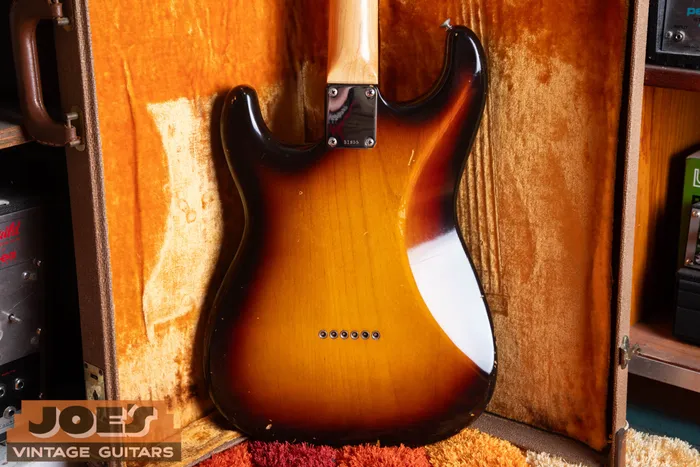
Fender Stratocasters And Telecasters
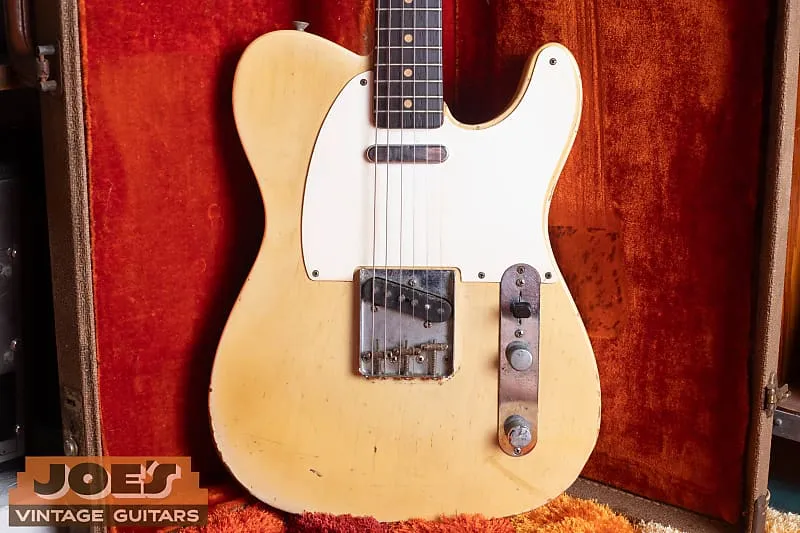
On a Stratocaster or Telecaster bridge pickup that sounds too sharp, play a short phrase with your usual pick, then a rounder tip. Leave the amp controls alone so you can hear the change in the attack.
Include a chord passage before choosing. The rounder tip might suit the lead phrase but soften the chord attack you liked. If that happens, keep your original pick for that rhythm part.
Gibson Electrics And Archtops
On a Les Paul, ES-335, or archtop, alternate a low-string phrase with notes on the top two strings at your normal volume. Compare a pointed pick with a rounder one, listening for whether both ends of the guitar remain clear.
Then turn down your picking force without changing the amp. If a pick sounds good on sustained notes but feels awkward during quiet string changes, try a different tip before deciding that the material is wrong.
Martin And Gibson Acoustics
On a D-18, D-28, J-45, or smaller acoustic, alternate strummed chords with a short melody. Listen for whether the melody stays clear after the chord and how much pick contact reaches the microphone.
Play the same part underneath a vocal or another instrument if possible. A bright attack that sounds great alone might compete with the singer; a softer attack might leave the melody too quiet. Choose for the arrangement you’ll play.
Do Vintage Guitars Need Special Picks?
Vintage guitars don’t need a pick from a particular era or brand. A modern pick lets you change the attack without replacing original hardware or electronics. Try it on the passages you play most often, and keep a different pick for another guitar if that feels more comfortable.
Rombo Picks And Velvet Touch
This article grew out of a conversation with Judith Heindorf at Rombo about the connection between pick choice and vintage guitars. Their companion article on vintage guitars and picks includes Joe’s Vintage Guitars and approaches the subject from the pick maker’s perspective.
Rombo describes its Velvet Touch material as designed for warm, mellow, darker tones. If a sharp attack is what you want to change, compare it with your usual pick on the same passage.
Listen to quiet notes as well as stronger picking, and check whether the grip stays comfortable through a whole song. The warmer response Rombo describes may suit one part of your playing more than another.
How To Compare Guitar Picks At Home
A phone recording can help you separate the sound you hear while playing from the sound reaching a listener. Keep the phone in one position for the comparison.
-
Choose A Short Passage. Include chords, single notes, and both soft and stronger picking.
-
Keep The Setup Steady. Use the same guitar, strings, pickup position, and amp settings.
-
Record Each Pick. Keep the microphone or phone in the same place and use the same recording settings.
-
Note Sound And Feel Separately. A pick can sound good on playback while feeling awkward in your hand.
-
Return To Your Usual Pick. Play it again after the others. Check whether you still prefer the change once the new feel is less distracting.
Keep a short note such as “easier strumming, noisier on the recording” or “clear melody, grip rotates.” That gives you a reason to keep a pick or a specific feature to change on the next comparison.
When Should I Replace A Guitar Pick?
Inspect the playing edge if a familiar pick starts catching or sounding scratchy. Compare it with a fresh pick of the same model. Rounded wear is not automatically a problem if you still like the response; a notch or damaged edge that interrupts the stroke is a good reason to switch.
Vintage Guitar Appraisals
Pick comparisons let you try a different sound while keeping your vintage guitar intact. If you’re also trying to identify an older guitar or decide whether to sell it, an appraisal can help with that separate decision.
If you’re considering selling an older instrument and want to understand what you have, request a free vintage guitar appraisal from Joe’s Vintage Guitars. I work with owners across the country to help identify their guitars and assess their value.