


A clean vintage Gibson LG-2 has a guide range of $3,500 to $8,000 across its original eras, while the LG-0, LG-1 and LG-3 have their own ranges. These values assume excellent, original condition and the original case, reviewed in October 2026. I use the model, construction and repair history to narrow the appraisal.
If the model is uncertain, start with my Gibson LG identification and construction guide. A sunburst top alone doesn’t distinguish an LG-1 from an LG-2, and the price table assumes that identification has already been resolved.
Gibson LG Values By Model And Era
Match the model and era first. The natural-finish LG-3 is the premium X-braced sibling of the sunburst LG-2, while the ladder-braced LG-1 and mahogany LG-0 have separate markets.
Each range assumes an all-original guitar in excellent condition, structurally sound and accompanied by its original case. A quality refret is accepted maintenance, although it removes museum-quality status. Refinished, repaired or substantially altered instruments need a separate comparison.
| Era | Model And Configuration | Value Range |
|---|---|---|
| 1958 to 1974 | LG-0, original mahogany model | $1,000 to $2,000 |
| Postwar to 1968 | LG-1, ladder-braced sunburst | $2,000 to $4,500 |
| 1942 to 1945 | LG-2, spruce-top Banner | $6,000 to $8,000 |
| 1946 to 1949 | LG-2, early postwar | $5,000 to $7,000 |
| 1950 to 1962 | LG-2, later original production | $3,500 to $6,000 |
| 1950s to early 1960s | LG-3, natural X-braced | $3,500 to $8,000 |
| Wartime | LG-1 or LG-3, confirm construction | Individual Appraisal |
| Early postwar | LG-3, natural X-braced | Individual Appraisal |
The LG-0 reference combines $1,000 to $2,000 across its original run. The broad LG-1 envelope is $2,000 to $4,500, and the LG-3 envelope is $3,500 to $8,000. Those wide ranges span changes in age and configuration; they aren’t interchangeable quotes for every example.
For the LG-2, the spruce-top Banner reference is $6,000 to $8,000, early postwar production is $5,000 to $7,000, and the combined later-production reference is $3,500 to $6,000. A mahogany-top Banner guitar needs its own comparison. Its construction differs from the spruce-top examples.
The LG-2 and LG-3 transition into the B-25 family in the early 1960s. Check the actual model and construction on a later-dated example.
How To Use The Value Ranges
The table gives you a starting range. It doesn’t make an uncertain model, repaired top or incomplete guitar an excellent original. A useful playing instrument can still belong outside the clean-condition category.
Refinishes, replacement bridges, repaired cracks, added pickups and newer cases all affect the condition description. I assess those details individually rather than treating every guitar with the same model name as equivalent.
The ranges describe guitars under the stated condition assumptions. I wouldn’t apply a clean-original value to a heavily repaired instrument without a separate appraisal.
Broad Model Ranges Need A Second Step
The LG-0, LG-1 and LG-3 each span more than one construction period. Their broad ranges help you choose the model category. I then assess the actual features and condition to narrow the value.
Early LG-1 and LG-3 examples need individual assessment. Its construction, originality and condition need to support the appraisal, alongside its date.
The LG-2 table separates the spruce-top Banner period, early postwar examples and later production. Individual guitars within an era differ in condition and construction.
Choosing The Correct LG Model
I begin an appraisal with the model designation and the evidence supporting it. An old receipt, a family description and a seller’s listing title can help, but they can also repeat a mistake. A guitar described as an LG-2 for years can still need closer examination.
Don’t borrow another model’s range because two guitars look similar from the front. The LG-0, LG-1, LG-2 and LG-3 have their own value categories. I establish the model before using the table.
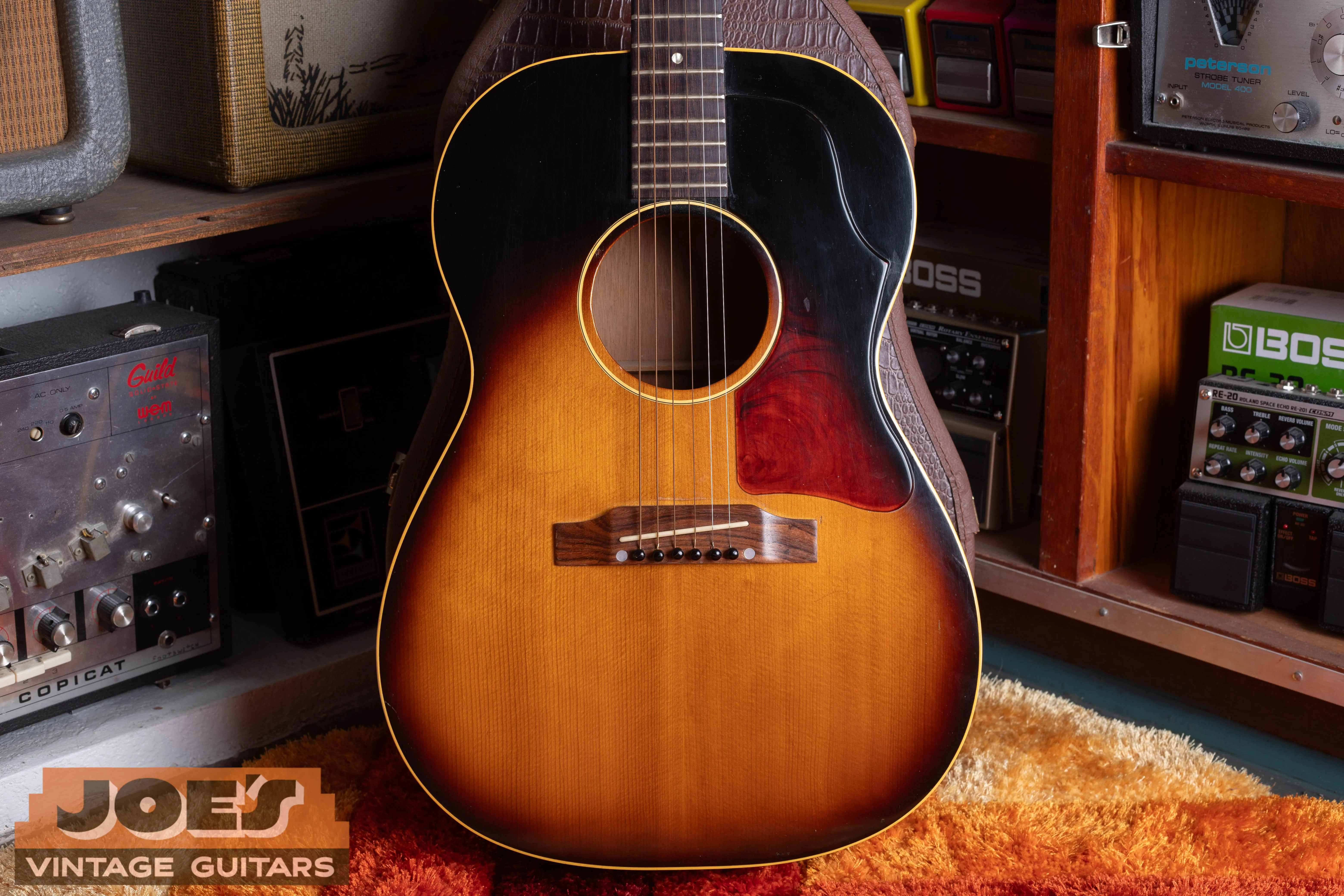
The LG-0
The LG-0 occupies the lowest broad reference in this group. That doesn’t mean every inexpensive-looking Gibson is an LG-0, or that an owner’s instrument should be assigned the bottom figure without an inspection. Bridge work, playability and condition can change the comparison considerably.
The LG-0 coverage begins in 1958. If a guitar is described as an earlier LG-0, I check its model and date before assigning a value.
A later guitar with uncertain wood or model identity needs a closer appraisal. I check the actual construction against the proposed model and year.
The LG-1
An LG-1 can resemble an LG-2 closely enough that owners compare the wrong model. The broad LG-1 reference here remains separate, even where both instruments share a sunburst finish. It covers original-condition guitars rather than every repaired student-model acoustic offered under the name.
A changed bridge or a pickup installation should be described directly. Calling an instrument a good player doesn’t answer whether its finish, bridge and internal structure match the reference condition. I want those details before narrowing a price.
The LG-2 And LG-3
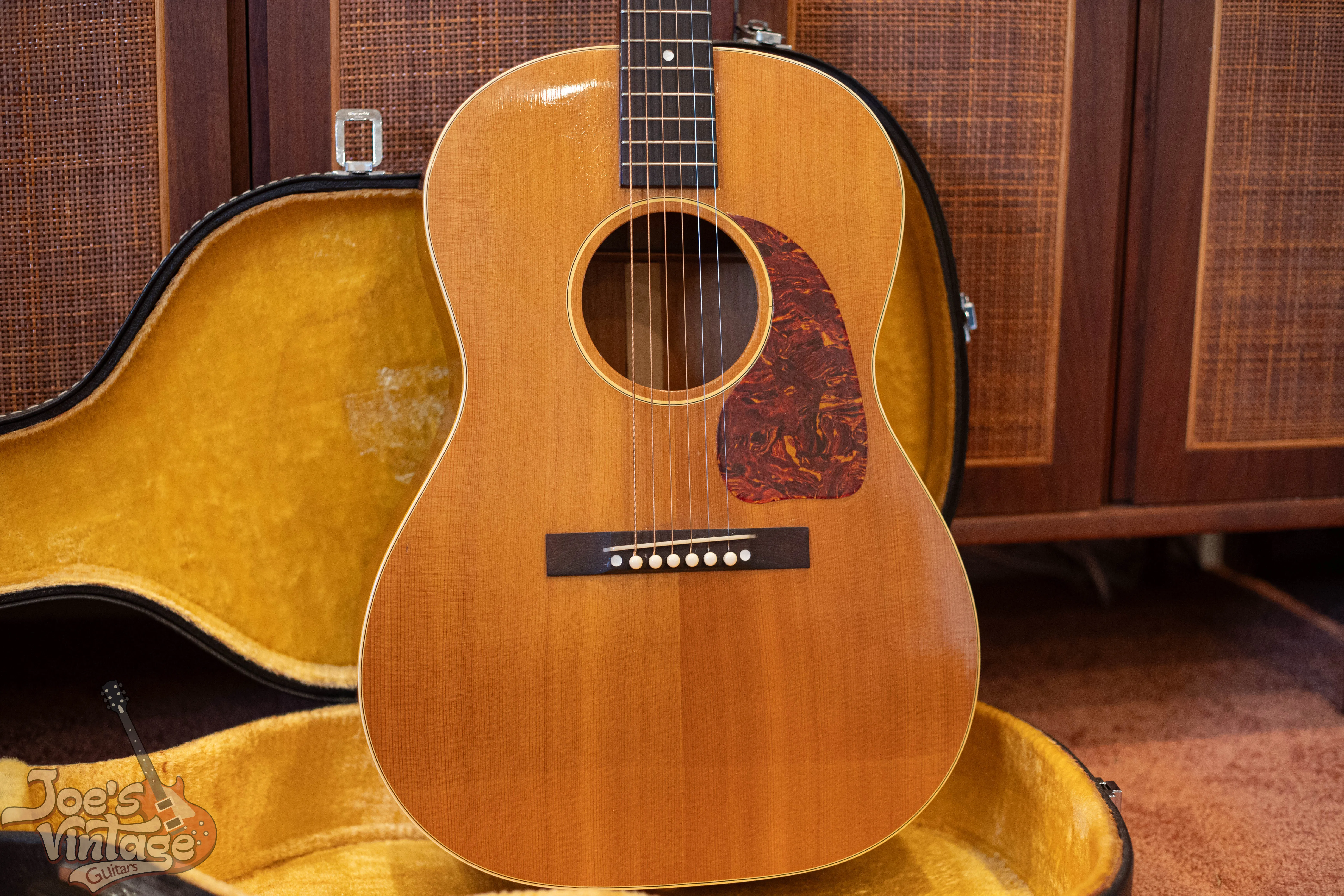
The LG-2’s sunburst appearance and the LG-3’s natural top provide familiar visual context, but a photograph doesn’t settle everything an appraisal needs. I still need the condition and work history. An attractive top can sit above repaired braces or a changed bridge plate.
The LG-3 range here covers later postwar natural-finish guitars, not wartime or early-postwar examples. Its upper end exceeds the comparable later LG-2 band. Scarcity, condition and retained parts affect the premium; early LG-3s need an individual appraisal.
Repairs That Change The Comparison
Old acoustics often arrive with maintenance records, replacement parts or work whose history is unknown. I separate those situations from the clean reference instead of giving every repair the same deduction. The extent and quality of the work determine which other guitars make useful comparisons.
A disclosed repair is easier to assess than a vague statement that a guitar was serviced. A receipt naming a neck reset, bridge replacement or brace repair helps explain the instrument’s present condition. It also prevents unrelated work from being grouped together.
Bridges And The Surrounding Top
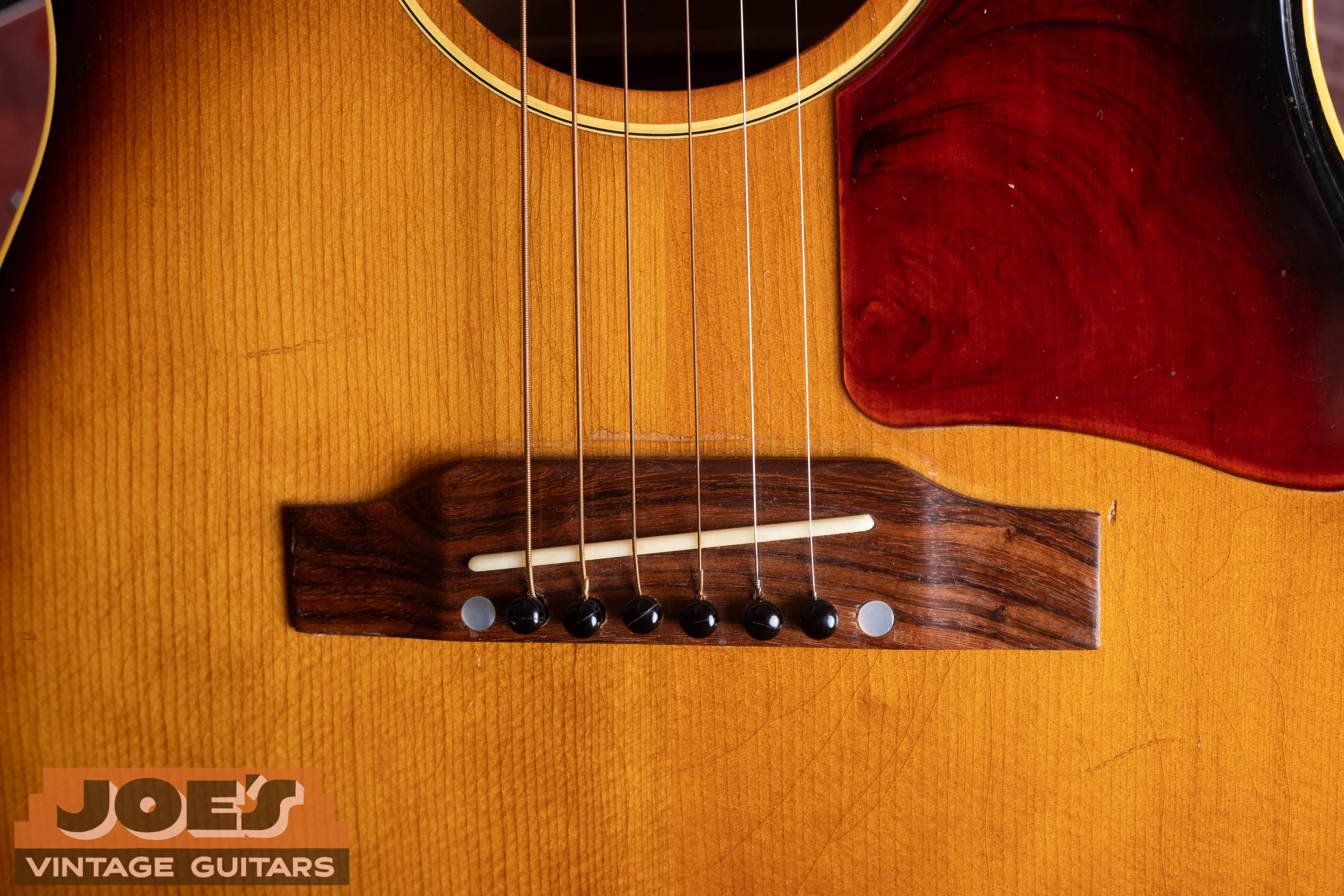
A bridge holds the strings at the soundboard, and a replacement affects both the instrument’s setup and its originality description. A well-made replacement may be a sensible repair. It still isn’t the same evidence as an untouched original bridge.
Leave the bridge as it stands for the initial appraisal. Photograph the guitar as it stands and provide any repair information you have. A specialist can then assess whether work is needed and how the current condition compares with the reference.
On examples associated with plastic bridges, a wood replacement may be part of the instrument’s known history. That history should stay with the guitar. The correct value comparison describes the actual bridge rather than treating all examples from the same year as identical.
Neck Work And Playability
A neck reset changes the neck’s seating angle so the guitar can be set up properly. A documented reset and an instrument that still needs one present different situations to a buyer. The quality of the work and the guitar’s present playability determine its effect on value.
Frets are another separate question. A quality refret preserves the all-original classification of an otherwise original guitar, but it removes museum-quality status. Neck reshaping, a broken headstock and changed hardware need their own descriptions.
Cracks, Braces And Bridge Plates
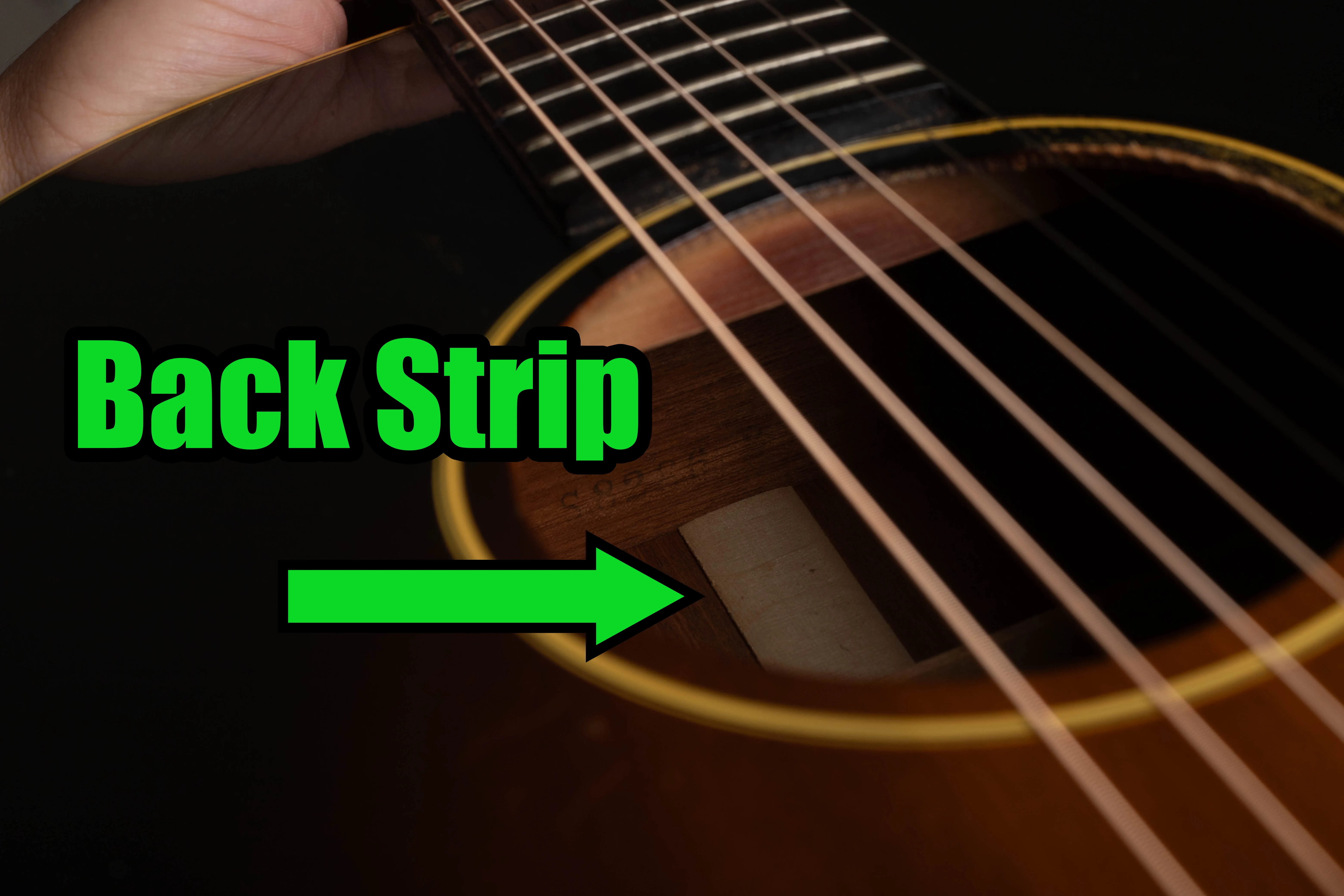
A repaired crack, a missing brace and a changed bridge plate aren’t interchangeable repairs. The bridge plate is the reinforcement beneath the bridge inside the body. Its condition belongs in an acoustic appraisal even when the outside photographs look clean.
I use repair records and appropriate photographs to understand the work. The location, extent and stability of a crack determine its effect on value. The clean table isn’t a substitute for that assessment.
Original Finish, Cases And Added Pickups
An original finish, an overspray and a full refinish need separate descriptions. Overspray means additional finish applied over an existing surface. It can accompany other repairs, which also affect the overall appraisal.
The ranges assume the original case. A newer case may protect an instrument well, but it doesn’t satisfy that condition assumption. A seller calling a case vintage also doesn’t establish that it left the factory with that guitar.
An added pickup can be useful to a working musician. Its installation may involve a changed endpin, a jack or other alterations that belong in the appraisal record. Its practical usefulness and its effect on collector value are separate considerations.
Keep removed original parts and any dated receipts together with the guitar. Those items can explain what changed even when they aren’t currently installed. Don’t reinstall parts merely to make the instrument resemble a reference photograph.
Reading The Market Without Mixing Categories
An asking price can differ from the amount a buyer ultimately pays. A direct buying offer also depends on the guitar’s actual condition and the terms of the sale.
I assess the guitar as it stands now, including repairs, changes and any included original parts. An attractive advertised price doesn’t replace that inspection.
These guide ranges were reviewed in October 2026. Send photographs and the repair history for an individual appraisal of your guitar.
Future demand and repair costs can change the eventual resale result. Ownership costs, future repair needs and the time needed to find a buyer all affect the outcome. The useful question is how the actual guitar compares with comparable guitars today.
Preparing An Individual Appraisal
Start with clear photographs of the front, back, headstock, bridge and any known repairs. Include the case and any paperwork that explains the guitar’s history. If a date or model name came from a family member rather than a documented inspection, say so.
You don’t need to fill in uncertain details before contacting me. An honest unknown is more useful than a confident guess that directs the appraisal toward the wrong model. I can begin with the photographs and explain what additional information would narrow the comparison.
I buy vintage guitars nationwide from my shop in Mesa, Arizona. A free guitar appraisal can establish the next step, and my Gibson selling information explains the purchase process. The price references here help frame that conversation; the offer depends on the individual instrument.
For the wider family, my vintage Gibson value guide links the solidbody, ES, archtop and acoustic model comparisons.
For other flat-top models, my Gibson acoustic value guide compares the J-45, J-200, LG family and Hummingbird.
Questions About Gibson LG Series Value
How Much Is A Vintage Gibson LG-2 Worth?
The guide ranges are $6,000 to $8,000 for a spruce-top Banner LG-2, $5,000 to $7,000 for 1946 to 1949, and $3,500 to $6,000 for 1950 to 1962. They assume excellent original condition and the original case. Repairs and changed parts need separate appraisals.
Do Identical Rows Mean Every Year Sells For The Same Amount?
No. Adjacent years can share a broad model or era range. The exact year, bridge, repairs and case help place an individual guitar within or outside it.
Can An LG-1 Use The LG-2 Price Range?
No. Their similar outline and sunburst finish don't make them the same model. I establish the model before choosing a price reference. The separate identification guide explains the construction differences.
Does A Replaced Plastic Bridge Make An LG Worthless?
No. A well-fitted wood bridge can make an instrument useful to a player, but it changes the originality description. I assess the replacement, surrounding top and disclosed work together instead of applying an automatic percentage.
Does A Refret Change The Originality Category?
A quality refret preserves the all-original classification of an otherwise original guitar. It removes museum-quality status. A replaced bridge, altered bracing or repaired neck is a separate condition issue.