Top-RatedVintage Gibson Les Paul Market Value Guide
Discover The True Value Of Your Vintage Gibson Les Paul With Joe’s Vintage Guitars
Feel Free To Contact Joe’s Vintage Guitar For A Free Vintage Consultation & Appraisal Today!
Table Of Contents
- Meet Vintage Guitar Expert, Joe Dampt
- Comprehensive Guide To Identifying & Valuing Your Vintage Les Paul Guitar
- What Are The Differences Between The Gibson Les Paul Models?
- Determining The Value Of Your Gibson Les Paul
- Check Out Our Latest Post On Dating A Les Paul With Serial Numbers!
- Post-1969 Les Paul Values
- Factors That Affect A Les Pauls Value
- Les Paul Authentication Checklist
- Guidelines For Selling Your Vintage Gibson Les Paul Guitar
- Consider Selling Your Vintage Gibson Les Paul To Joe For Top Value!
- Get In Touch With Joe For A Free Vintage Guitar Consultation Today!
Meet Vintage Guitar Expert, Joe Dampt
For more than ten years, Joe Dampt, the owner, has been passionately collecting vintage instruments and has dealt with thousands of vintage guitars, mandolins, banjos, and other stringed instruments. Additionally, he has served as a vintage guitar appraiser and consultant for various local antique and collectible businesses, including “America’s Top Buyer,” a renowned traveling antique show outfit. Over the years, Joe has appraised numerous significant collections of musical instruments, some valued in the six to seven-figure range. Click here to learn more about appraisals.
Comprehensive Guide To Identifying & Valuing Your Vintage Les Paul Guitar
With all of the variations of the Les Paul that have been available from Gibson over the years, finding out exactly which model you have, and consequently how much it is worth can be quite a daunting task! To help you identify and value your vintage Les Paul, I have put together this comprehensive Les Paul value guide. Keep in mind, that this guide applies only to guitars with the Les Paul body shape, not the SG body shape. There were some guitars named “Les Paul” that have an SG body shape. See the photos below for reference. If you need help dating your guitar, check out our comprehensive Gibson serial number lookup and value guide.
What Are The Differences Between The Gibson Les Paul Models?
Gibson produced the Les Paul in many variations across several decades, from the iconic 1950s Goldtops and Bursts to the Custom reissues and Deluxe models of the 1970s and beyond. This guide covers the most collectible and valuable examples across all eras, with detailed pricing for the vintage models and a collector’s hierarchy for later production guitars. If you need help identifying, dating, or valuing your specific guitar, I am just a phone call away. Just call or text (602) 900-6635 or email joesvintageguitars94@gmail.com.
The Iconic Gibson Les Paul Standard
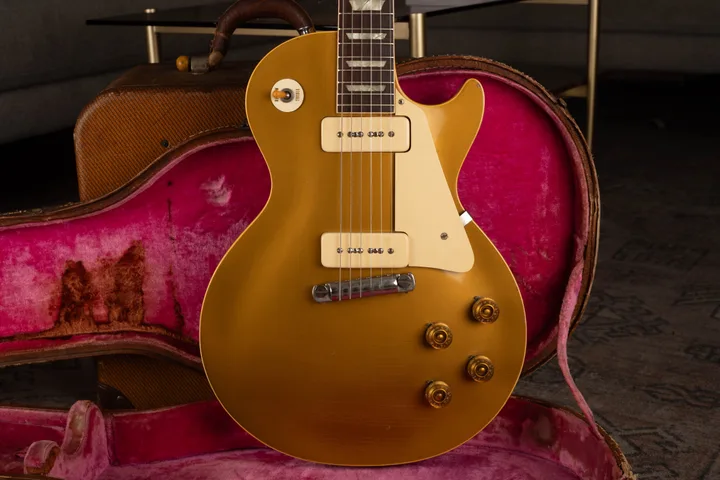
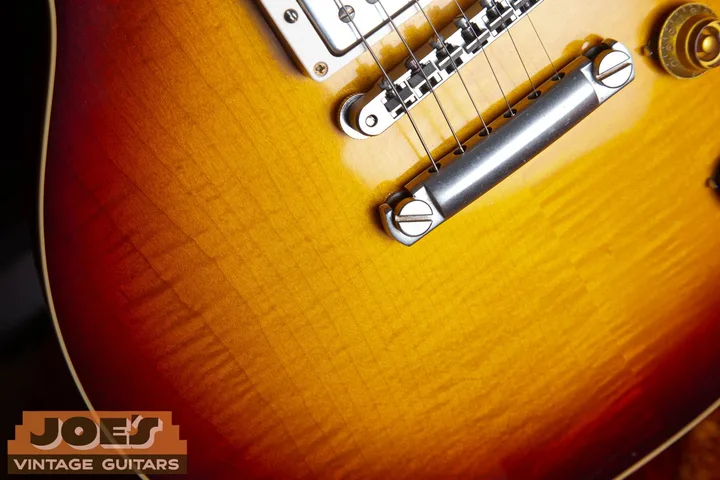
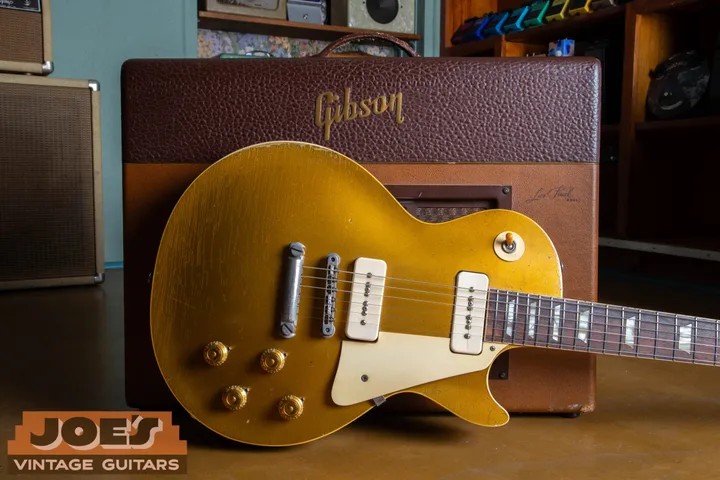
The Les Paul Standard was originally made in a Gold color (called Goldtop) and later made in a Sunburst finish. (sometimes just called “Burst”) There were also a few guitars known to be made in Copper Iridescent and Platinum/Silver finishes.(Extremely rare and valuable!) All Les Paul Standard guitars come equipped with white P-90 pickups from 1952-1957 and nickel humbucker pickups from 1957-1961 (see photos below). Les Paul Standards have a gold script “Les Paul” logo on the headstock.
The Classic Gibson Les Paul Custom
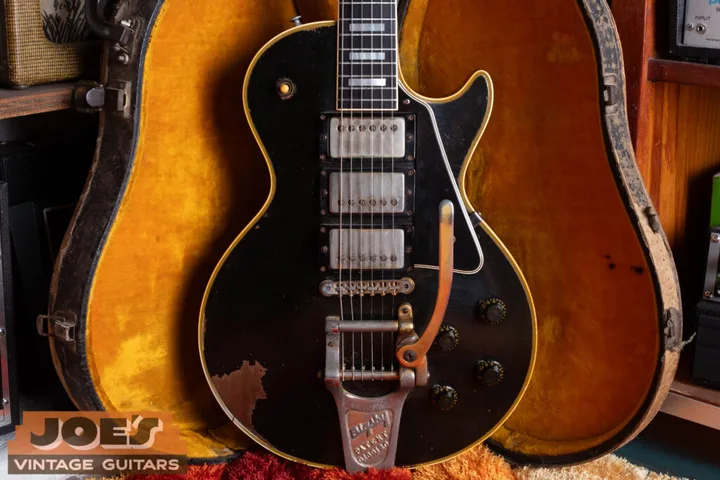
Les Paul Customs came in a black finish with gold hardware. Les Paul Custom guitars came with black P-90 pickups from 1953-1957 and gold humbucker pickups from 1957-1961. They had a diamond inlay on the headstock.
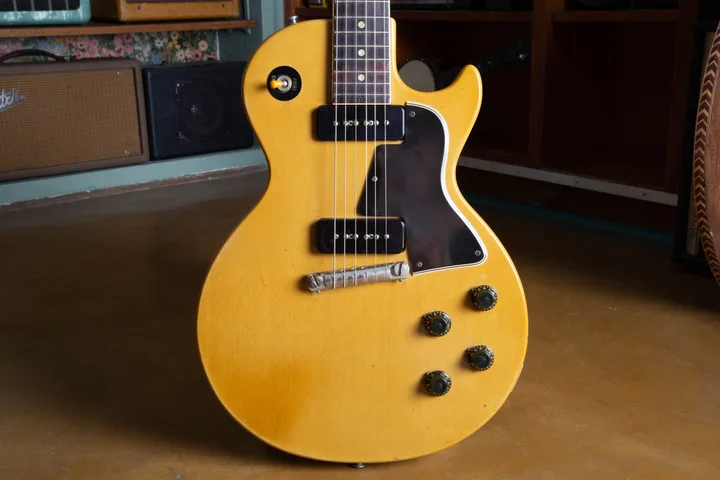
The Unique Appeal Of The Gibson Les Paul Special
Came in either a transparent yellow finish called TV Yellow or in a transparent Cherry Red finish. Les Paul Specials came with two black P-90 pickups.
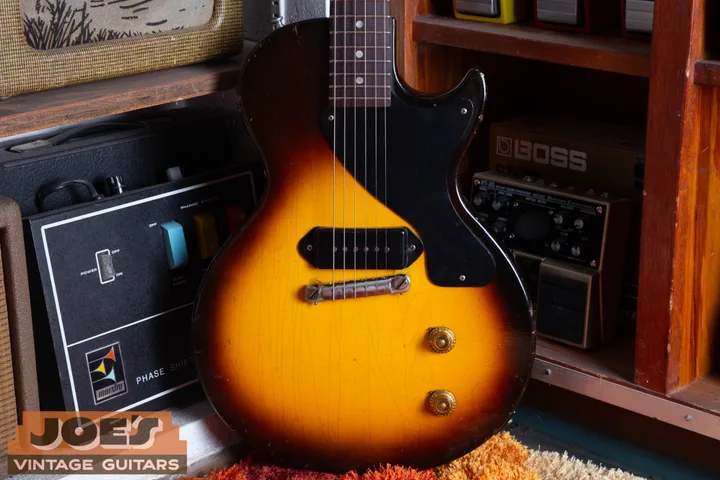
The Legendary Gibson Les Paul Junior
Came in a sunburst finish, or less commonly in a transparent TV Yellow finish. The TV Yellow variant, sometimes just called the “TV model” is rarer and more desirable. Les Paul Junior guitars came with a single black P-90 pickup.
Determining The Value Of Your Gibson Les Paul
Now that you have identified which variant of the Gibson Les Paul you have, it is time to answer that burning question: What is it worth? While values are not always cut and dry or 100% objective, below are some basic ranges for values on Gibson Les Paul guitars. Using these, you’ll be able to determine how the model and the year affect a Gibson’s price. These values are for guitars that are all original and in excellent condition with their original case. Values can vary based on provenance, condition, and market trends. Once again, if you need help dating your Les Paul, please use our Les Paul Serial Number Guide. As always, feel free to contact me for a fast, free and friendly evaluation!
Gibson Les Paul Standard Values
- Gibson Les Paul Standard from 1952-1953: $35,000 – $45,000
- Gibson Les Paul Standard from 1954-1956: $40,000 – $80,000
- Gibson Les Paul Standard from 1957-1958 (Gold with Humbuckers):
$135,000 – $250,000 - Gibson Les Paul Standard from 1958-1960 (Burst with Humbuckers):$200,000 – $500,000+
- Gibson Les Paul Standard from 1968-1969: $8000 – $24,000
Gibson Les Paul Custom Values
- Gibson Les Paul Custom from 1953-1957: $25,000 – $55,000
- Gibson Les Paul Custom from 1957-1961: $60,000 – $225,000
(higher numbers for rare 2-pickup version only) - Gibson Les Paul Custom from 1968-1969: $12,000 – $18,000
Gibson Les Paul Special Values
- Les Paul Special from 1955-1959 (TV Yellow finish):
$13,000-$21,000 - Les Paul Special from 1959 (Cherry Red finish): $8,000-$15,000
Gibson Les Paul Junior Values
- Gibson Les Paul Junior from 1954-1958 (Sunburst finish):
$6000-$13,000 - Gibson Les Paul Junior TV Model from 1955-1958 (TV Yellow):
$10,000-$20,000
Post-1969 Gibson Les Paul Values: A Collector’s Hierarchy
While the pre-1960 Les Pauls represent the pinnacle of vintage Gibson values, the guitars made in the 1970s and 1980s have developed a strong and growing collector market of their own. Unlike the earlier models where values are well-established, post-1969 Les Paul values vary enormously based on specific features, finishes, and transitional specs that carried over from the golden era. Below is a general hierarchy of the most collectible and valuable examples from this period, ranked from most to least desirable.
- Sparkle Finish Les Paul Deluxe — Among the rarest production Les Pauls ever made, the sparkle finish Deluxe commands exceptional premiums from serious collectors. If you own one of these, you likely have something very special.
- Early 1970s Les Paul “Reissue” Models with Wraparound Bridge — Gibson briefly produced Les Pauls with a wraparound bridge in the early 1970s in an attempt to recreate the simplicity of the 1950s originals. These transitional instruments are highly sought after and often overlooked by owners who don’t realize their significance.
- Early 1970s Les Paul Custom Reissues with Alnico Pickups — The earliest Custom reissues came equipped with Alnico pickups before Gibson transitioned to later specifications. These pickups are a key feature collectors look for and significantly affect desirability.
- 1970s Les Paul Customs — Especially 1970 and 1971 with Early Specs — The closest in construction to the beloved 1960s Customs, these early reissues in desirable finishes like White and later Silverburst are among the most collectible post-vintage Les Pauls on the market. The most desirable examples will have a small or absent volute on the back of the headstock, a long tenon neck joint, pancake body construction carried over from the late 1960s, a narrow headstock width closer to 1960s spec, and waffle back tuners — the distinctive ribbed-back Kluson-style tuners that Gibson used in the early transition period before switching to later hardware. The more of these features present on a single guitar, the more collectible and valuable it becomes.
- Early Les Paul Deluxes with Transitional Features — The first Deluxe models carried a number of features borrowed from late 1960s production that later disappeared. The most collectible early Deluxes will have a small or no volute, a long tenon neck joint, pancake body construction, and a narrow headstock closer to 1960s dimensions. These details are easy to miss but make a meaningful difference in value — an early Deluxe with all the right transitional specs can be worth significantly more than a later example of the same model.
Values across all of these categories vary significantly based on originality, condition, and specific features. Contact Joe for a free assessment — in many cases the difference between a common example and a rare one comes down to details that aren’t obvious to the untrained eye.
Factors That Affect a Vintage Les Paul’s Value
<>Knowing what your Les Paul is worth requires more than identifying the model and year. The condition and originality of the instrument play an enormous role in determining its true market value. Below are the most common issues we encounter and how they typically affect value.
Headstock Breaks and Repairs
A headstock repair is one of the most common issues on vintage Les Pauls due to the angled headstock design, which makes them vulnerable to breaks from falls. Even a clean, well-executed repair will typically reduce value by 40 to 50% compared to an unbroken example. The quality of the repair matters, but the break itself is always a significant factor.
Refinish
A non-original finish reduces value by approximately 40 to 50% regardless of quality. Collectors place enormous value on original lacquer and patina. A refinished guitar may look beautiful but will always be worth considerably less than an all-original example in worn condition.
Replaced Pickups
Replaced pickups without any routing reduce value by approximately 25%. However, if the original pickups were PAFs or Patent Number pickups, the deduction is considerably more severe since those pickups are highly valuable on their own and their absence significantly impacts both the playability and collectibility of the instrument. On guitars that originally came with P-90s or mini-humbuckers that were subsequently routed to accept full size humbuckers, the deduction increases to 35 to 40% due to the irreversible modification to the body.
Replaced Tuners
Replaced tuners reduce value by approximately 10 to 15%. This is one of the more minor modifications but still affects originality. On early 1970s models where waffle back tuners are a desirable transitional feature, replaced tuners carry more significance than on later production models.
Added Locking Tremolo with Routing
This is one of the most damaging modifications to value, reducing it by approximately 35 to 45%. During the 1970s and 1980s it was extremely common for players to route their Les Pauls for locking tremolo systems like Floyd Rose or Kahler as this was very fashionable at the time. These modifications are irreversible and significantly compromise both the structural integrity and collectibility of the instrument.
Refret
A refret typically reduces value by 5 to 10%. However this is an area where the market has become more forgiving in recent years. Les Paul Custom models in particular came from the factory with very low frets, and a professional refret on these guitars is generally considered acceptable by collectors and has a minimal impact on value.
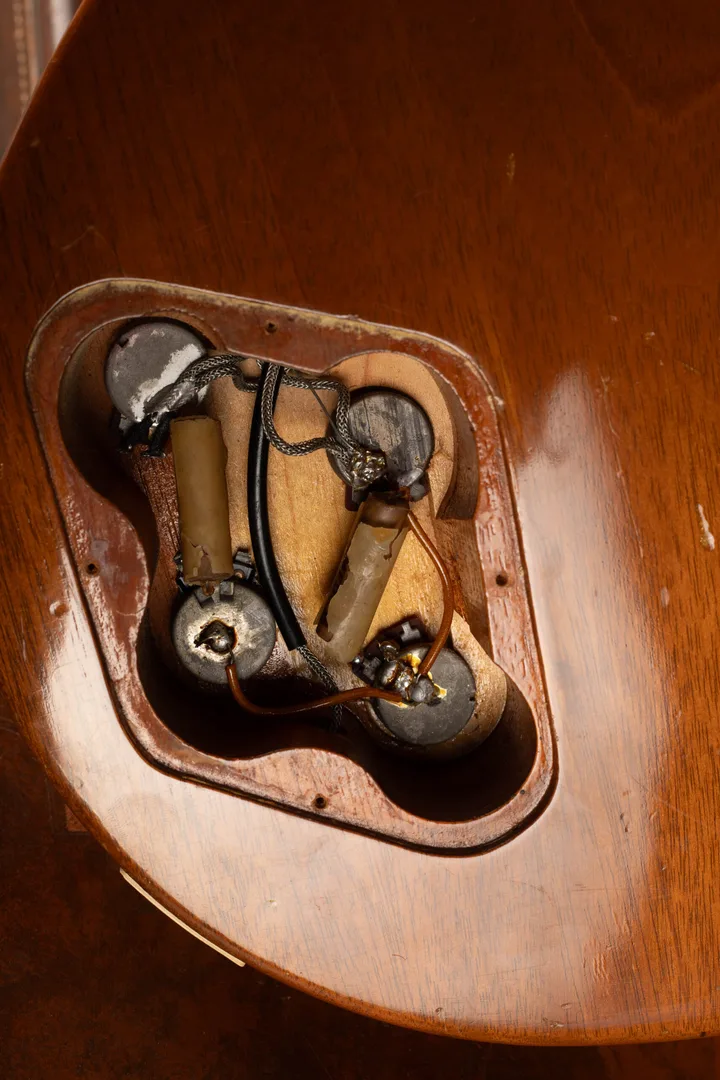
Replaced Pots and Minor Electronics
Replaced potentiometers and other minor electronic components reduce value by approximately 10 to 20% depending on what was replaced and whether the original parts are included.
Added Strap Buttons
Extra strap button holes left in the wrong location reduce value by approximately 10%. While minor compared to other modifications, any unnecessary hole in the body affects originality and is noted by serious collectors.
A Note on Combination of Issues
When multiple modifications are present on the same guitar, the deductions do not always simply add up. In some cases the overall collectibility of the instrument is affected more broadly. If you are unsure how to assess your specific guitar, contact Joe for a free evaluation — navigating these nuances is exactly the kind of expertise we provide.
How To Tell If A Gibson Les Paul Is All Original?
Originality is the single most important factor in determining what a vintage Les Paul is worth. Before contacting us for an appraisal, use the checklist below to assess your guitar. Knowing what you have — and what may have been changed — will help you get the most accurate valuation possible.
All Original?
Originality is the single most important factor in a vintage Les Paul's value. Use this checklist to assess your instrument before seeking an appraisal.
-
Original Tuners Original tuners should match factory spec for the year. Replaced tuners often leave extra screw holes as evidence of the swap.
-
Original Pickups PAFs, Patent Numbers, P-90s, or mini-humbuckers should match factory spec for the year.
-
No Routing Modifications Check that pickup cavities match original specs. P-90 to humbucker routing is very common.
-
Original Pots & Electronics Pot codes should match the guitar's year. Replaced electronics affect value 10–20%.
-
No Added Tremolo Floyd Rose or Kahler routing is one of the most damaging modifications to value.
-
Original Strap Buttons Extra holes from relocated strap buttons indicate modification.
-
Original Finish Check under hardware and in cavities for consistent original lacquer. Refinishes reduce value 40–50%.
-
Intact Headstock Inspect the back of the headstock carefully for repaired breaks. Even clean repairs reduce value 40–50%.
-
Original Frets A refret reduces value 5–10%, though less so on Les Paul Customs with factory low frets.
-
Matching Serial Numbers Check pot codes, pickups, and hardware date codes — all should align with the headstock serial number.
-
Original Case A period-correct original case adds meaningful value and authenticates the instrument.
-
Original Paperwork Hang tags, receipts, and owner's manuals add provenance and collector premium.
A Note on Combination of IssuesWhen multiple modifications are present, deductions do not simply add up — overall collectibility can be affected more broadly. Many modified guitars are still highly playable and valuable instruments. The key is knowing exactly what you have before you sell.
Guidelines For Selling Your Vintage Gibson Les Paul Guitar
Now that you have a rough idea of the value of your Gibson Les Paul guitar, you may be wondering how to sell it! There are many courses of action you can take when selling your guitar, but when it comes to a high dollar vintage guitar, I recommend one of the three following ways.
Maximize Your Guitar Sale With Consignment: Joe’s Vintage Guitars Offers Rates As Low As 8%!
Consigning your guitar has a number of advantages. You will benefit from spending less time responding to buyers as well as from absolving yourself of any potential shipment and return liabilities. Additionally, an experienced dealer can market your guitar to a wider market and can make use of professional photography skills, authentication experience and more to help you get more for your guitar. Joe’s Vintage Guitars offers consignment for vintage guitars with rates as low as 8%! Visit our consignment page or contact us today to get started!
Choosing A Dealer Or Collector For Your Vintage Guitar
The benefits of selling your guitar to a dealer or collector are many. The process is quick and hassle-free, payment is immediate, and shipping or pickup are taken care of by the buyer. Additionally, you won’t have to take a bunch of fancy photos or write up a description. You also remove the possibility for shipping or return woes. Oftentimes, you will end up with the same amount of money in pocket whether you consign or sell outright. I buy vintage guitars and will pay you a fair market value for your vintage Les Paul. Feel free to contact me at (602) 900-6635 or joesvintageguitars94@gmail.com
Selling Your Gibson Les Paul On the Private Market
Some sellers opt to sell their guitars themselves on the private market. While selling a guitar yourself can be a rewarding experience, it is not recommended for first time sellers of high end vintage instruments. There is a lot of liability involved in the selling and shipping of expensive vintage instruments. Most guitar dealers keep an insurance policy active of over $100,000 just for their shipments! If you do want to sell your guitar on the private market, we recommend Reverb.com as they have a robust shipping protection policy. It is important to factor the selling fees that Reverb will be charging you. Also, bear in mind that in the event of a dispute, Reverb and other selling platforms will almost always side with the buyer.
Consider Selling Your Vintage Gibson Les Paul To Joe For Top Value!
I am a very strong buyer for all of the Gibson les Paul models listed above! Contact me to sell a Gibson guitar. I will be happy to provide you with a comprehensive assessment and valuation as well as a strong offer to buy! Below is a photo of a happy customer who sold his Gibson Les Paul to Joe’s Vintage Guitars!
How Joe’s Expertise Made a Difference for James
When James reached out about his early 1970s Gibson Les Paul Standard, he had already received a few offers that left him feeling uncertain about its true worth. After a thorough evaluation, Joe was able to identify several key transitional features that placed this particular guitar at the more desirable end of the early 1970s production run. Armed with that knowledge, Joe was able to offer James significantly more than he had been quoted elsewhere — ensuring that a great guitar went to someone who truly understood its value.
The value of a vintage Gibson Les Paul depends heavily on the model, year, originality, and condition. A 1950s Les Paul Standard in all-original condition can range from $25,000 to over $400,000, while later models from the 1970s and 1980s typically range from $2,000 to $20,000 depending on specific features and originality.
The most reliable way to date a Gibson Les Paul is by the serial number located on the back of the headstock or inside the body. Gibson used several different serial number formats across different eras. Use our Gibson Serial Number Guide for a full breakdown by era.
Yes significantly. A headstock repair typically reduces the value of a vintage Les Paul by 40 to 50 percent compared to an unbroken example, even if the repair is clean and professionally done. The break itself is always a factor regardless of repair quality.
A refinished Les Paul is typically worth 40 to 50 percent less than an all-original example. Collectors place enormous value on original nitrocellulose lacquer and natural patina. A beautiful refin will always be worth less than a worn but original finish.
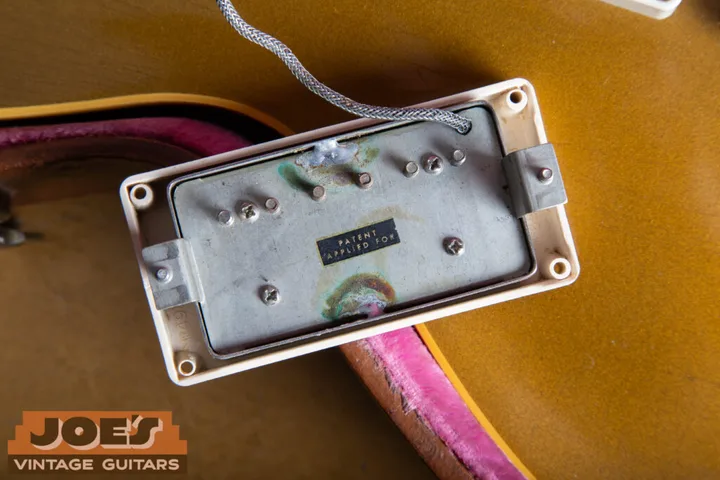
PAF stands for Patent Applied For, referring to the original humbucking pickups Gibson installed on Les Pauls from 1957 through the early 1960s. These pickups are highly sought after for their tone and are valuable on their own. A Les Paul with original PAFs is worth significantly more than the same guitar with replaced pickups.
The most valuable Gibson Les Pauls are the 1958 to 1960 Les Paul Standards commonly known as Bursts due to their sunburst finish. Original examples in excellent all-original condition have sold for between $200,000 and $450,000, with rare exceptional examples selling for even more at auction.
Yes, though values vary widely. The most desirable 1970s Les Pauls are early models with transitional specs carried over from the 1960s, rare finishes like Silverburst or White, and guitars with all-original parts. Early 1970s Les Paul Customs and Deluxes with original features can be quite valuable to the right collector.
Original pickups should have date codes on the bottom of the bobbin that match the guitar's production year. The solder on the pickup connections should also show no signs of disturbance. On 1950s and early 1960s models, original PAF or Patent Number pickups have specific winding characteristics and construction details that experts can identify on inspection.
A refret typically reduces value by 5 to 10 percent. However the market has become more forgiving on certain models, particularly Les Paul Customs which came from the factory with very low frets. A professional refret on one of these is generally considered acceptable by collectors and has minimal impact on value.
Do not clean or polish the guitar as modern polishes can react with old nitrocellulose finishes and remove patina collectors look for. Gather any original documentation such as the case, hang tags, or receipts. Take clear photos in natural light. Then contact a specialist for a free appraisal before accepting any offers.
Check under the pickguard, inside the control cavity, and under the hardware for original finish that would not have been painted over during a refin. Original finishes show consistent aging throughout. A refinished guitar often shows sharp edges where paint was masked, overspray in cavities, or finish that looks too uniform and fresh compared to the hardware age.
Both are legitimate options but each has tradeoffs. Selling to a specialist dealer is faster, eliminates shipping liability, and provides immediate payment with no fees. Selling privately on Reverb may yield a higher gross price but involves selling fees, shipping risks, and the possibility of disputes. For high-value instruments over $10,000 most sellers find that selling to a trusted specialist nets a similar or better result after fees and hassle are factored in.
Get In Touch With Joe For A Free Vintage Guitar Consultation Today!
If you would like a free vintage guitar consultation and appraisal, feel free to contact me directly for a fast, friendly, and free appraisal! Call or text (602) 900-6635 or email us at joesvintageguitars94@gmail.com