

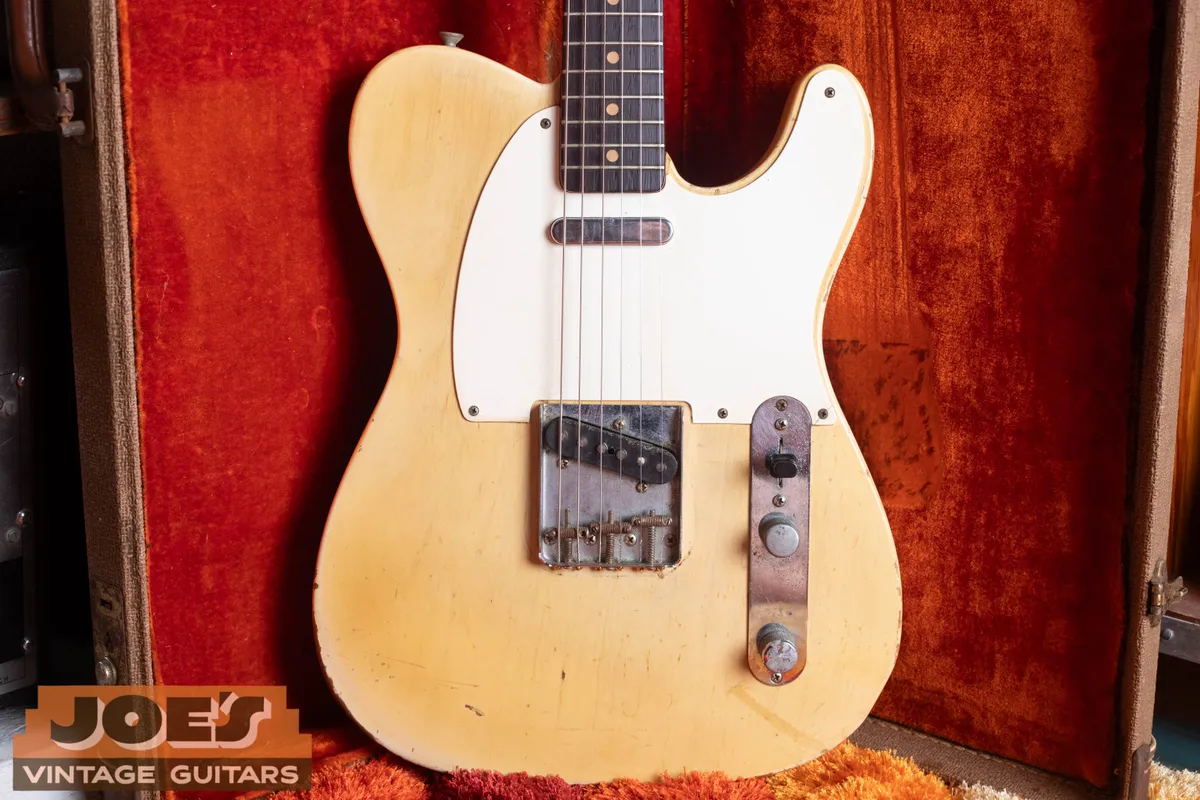
Before you sell a vintage guitar, find out exactly what you have, which details affect its value, and how much you’ll actually receive from the sale.
The model name is only the beginning. Original finish, replacement parts and past repairs, along with the way you sell, can all influence the outcome. You don’t need to become a guitar expert to make a good decision. You do need to know what to check and when to ask for help.
You may have inherited an old guitar, rediscovered one in a closet, or decided to part with an instrument you’ve played for decades. These seven steps will help you prepare before accepting an offer.
01Identify the Guitar Before Comparing Prices
Start with the brand, model, and approximate year. If you’re unsure, identify your guitar before comparing offers. Two guitars with similar names and appearances can have very different values, so a price you found online is only useful if it belongs to a comparable instrument.
Photograph any visible serial numbers, model markings, and labels. These are useful clues, but a serial number alone may not settle the identification. Fender, for example, acknowledges exceptions and inconsistencies in its numbering systems. Fender’s instrument dating guidance explains the limitations.
Our Fender serial number guide and Gibson serial number guide can help you get started.
For a Swedish-made instrument marked Levin or Goya, photograph the label and model markings too. My guide to selling a Levin or Goya guitar includes electric, steel-string and nylon-string examples from the shop.
If confirming the year requires removing the neck, pickups, or other components, leave that work to someone experienced with vintage instruments. Start with photographs of the guitar as it sits.
And don’t get too caught up in whether it officially qualifies as “vintage.” There is no universally accepted age cutoff. The instrument’s specific features and desirability matter more than the label. Reverb’s vintage guitar FAQ covers this distinction.
02Find Out What’s Original Before Changing Anything
A guitar that looks newer isn’t necessarily worth more.
For collectible instruments, the factory finish and original components can be a major part of the appeal. Refinishing a worn guitar or replacing aging hardware may reduce its value, even if the result looks cleaner. A professionally completed refret, however, deserves a different assessment from an irreversible modification such as cutting the body for larger pickups. Gruhn Guitars’ preservation advice explains the difference.
If you don't know whether the finish is original, start with the visible signs of a guitar refinish.
Before preparing your guitar for sale:
- Hold off on refinishing, touch-ups, and aggressive polishing.
- Keep any old pickups, tuners, bridges, knobs, or other parts stored with it.
- Gather receipts or notes describing previous work.
- Tell the buyer what you know and what you’re unsure about.
If the guitar already has replacement parts, it may still be desirable. The goal is to understand its present condition and price it accordingly. For changed electronics, see how replacement pickups and routing affect value.
03Separate Cosmetic Wear From Structural Problems
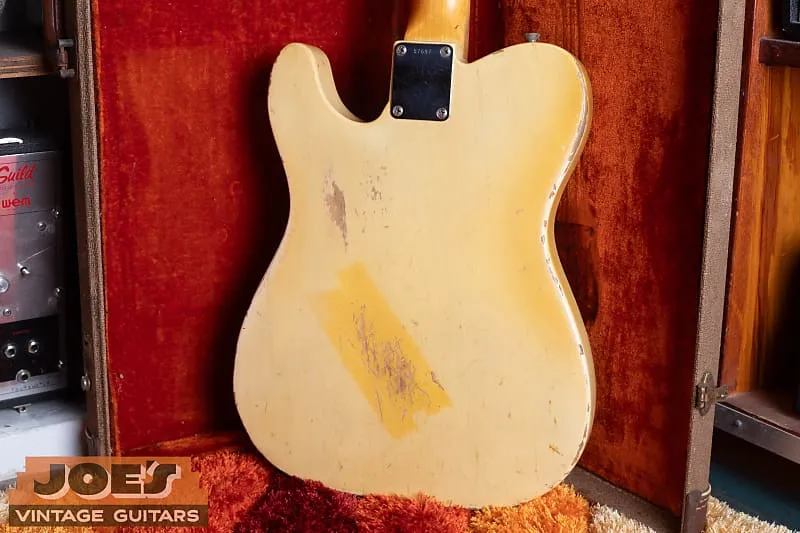
Scratches, finish wear, and a repaired neck are different issues. A useful condition assessment explains what happened to the instrument and how that affects it today.
For an initial review, photograph anything that looks damaged or unusual. Pay particular attention to the back of the headstock, the neck joint, and any visible cracks. On an acoustic guitar, include clear pictures of the bridge and the surrounding top.
A repaired headstock should always be disclosed. Even when the guitar plays well, the repair can materially affect its resale value. The impact depends on the instrument and the repair; a single percentage deduction won’t accurately describe every guitar. Our vintage guitar appraisal page discusses how repairs and finish work affect valuation.
Other maintenance needs require their own judgment. A professionally performed neck reset or refret should not automatically be treated like a major structural replacement or extensive modification. Blue Book’s condition guidance outlines these differences.
If you don’t know whether a mark is a finish crack or a repaired break, say so. Clear photographs and an accurate description are more useful than a guess.
04Compare Relevant Sales and Calculate What You’ll Keep
An asking price tells you what someone hopes to receive. It doesn’t establish what your guitar will sell for.
Use recent sales as a starting point. The Reverb Price Guide draws on completed transactions and lets you review pricing by model and condition.
Then look closely at the differences:
- Is the comparison from the same production period?
- Does it have an original finish?
- Are the pickups and other important components original?
- Does it have similar wear or repairs?
- What case and accessories are included?
A clean, original example may be a poor comparison for a heavily modified guitar, even when both have the same model name.
Compare What You Receive
Sale Price Less Selling Costs
Equals Your Proceeds
Illustrative amounts only. Actual fees and shipping costs depend on the sale.
A dealer’s purchase offer also serves a different purpose from a retail listing price. The dealer takes on the work and expense of holding, preparing, marketing, and reselling the instrument. Reverb explains this distinction in its dealer purchase guidance.
Ask how an offer was reached. A useful explanation should address your particular guitar.
05Choose a Selling Method That Fits Your Priorities
Consider how much time you have, how comfortable you are describing the guitar, and how much of the transaction you want to manage yourself.
If the personal decision comes first, my guide to keeping or selling a loved one's guitar considers both options before choosing a selling method.
| Selling Method | Why Consider It? | What to Weigh |
|---|---|---|
| Vintage Guitar Dealer | An expert evaluates the instrument and makes a purchase offer. | Compare the offer, the explanation behind it, and the payment terms. |
| Private or Online Sale | You control the listing and negotiate directly with buyers. | You handle photographs, questions, fees where applicable, and payment and delivery arrangements. |
| Consignment | A shop markets the instrument on your behalf. | Review the commission, approved asking price, possible expenses, and payment timing. |
| Specialist Auction | Worth exploring for an instrument that fits a particular auction’s audience. | Ask about fees, reserves, scheduling, and what happens if it doesn’t sell. |
For consignment, get the agreement in writing. Clarify who can approve a lower price, who pays for any work, and when you receive your proceeds. You can also explore consignment through Joe’s Vintage Guitars.
The right choice depends on the guitar and your priorities. Compare the expected amount you’ll receive alongside the time and responsibilities involved. For a local comparison, see where to sell a vintage guitar in Phoenix.
06Gather Useful Photos, Accessories, and History
You can start the conversation with three clear phone photos: the front, back, and headstock. That’s enough to begin an inquiry through our nationwide guitar buying service.
For a more detailed review, have these ready:
- A readable photograph of the serial number or interior label.
- Close-ups of the bridge, pickups, controls, and tuners.
- Photos of any damage, repairs, or unusual features.
- The case, loose parts, tags, receipts, and other accompanying items.
Use good light and avoid filters that change the guitar’s color or hide wear.
Write down the history you know: who owned it, roughly when it was purchased, and whether anyone remembers repair work. If you inherited it, distinguish documented facts from family recollections.
You don’t need to fill every gap before reaching out. “I don’t know whether the pickups were changed” is a useful answer.
07Agree on Payment and Delivery Before Letting It Go
Before accepting an offer, make sure both sides understand the terms.
Confirm the purchase price, what is included, when payment happens, and whether the offer depends on an inspection. For a shipped sale, establish who arranges packing, who pays the shipping costs, what transit coverage applies, and who handles a damage claim.
For consignment or an online marketplace, read the applicable return and payment terms before committing.
Keep a written record identifying the guitar, the agreed price, and the included case or accessories. It’s much easier to resolve questions before the instrument changes hands.
If you’re selling to Joe’s Vintage Guitars, contact me before making shipping arrangements so we can walk through the process for your instrument.
Start With a Few Photos
Ready to Find Out What Your Guitar Is Worth?
You don’t need to know the exact year, identify every part, or pay for repairs before contacting me.
I’m Joe Dampt, and I buy vintage guitars from owners across the United States through Joe’s Vintage Guitars in Mesa, Arizona. Start with photos of the front, back, and headstock, along with anything you know about the instrument.