9 Mistakes to Avoid When Selling a Vintage Guitar
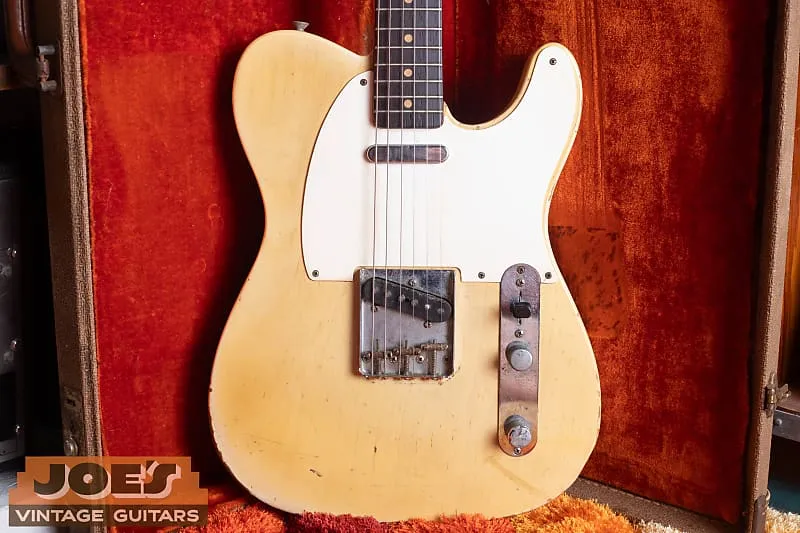
Selling a vintage guitar starts with understanding what you have. The model, year, original finish, parts, and repair history can all affect its value, and some of those details are easy to overlook.
Whether you’ve inherited a guitar, owned it for decades, or decided to sell part of a collection, a little preparation can help you make an informed decision. That preparation should involve gathering information, taking photos, and finding a knowledgeable buyer.
Leave the guitar as it is. You don’t need to clean it, restring it, or get it repaired before asking for an evaluation.
In This Article
- Trying to improve the guitar
- Relying on a serial number
- Using asking prices as values
- Worrying about missing paperwork
- Separating cases and spare parts
- Leaving buyers guessing
- Making unverified claims
- Overlooking the sale terms
- Leaving shipping until last
1. Trying to Improve the Guitar Before Having It Evaluated
It’s tempting to make an old guitar look newer before showing it to a buyer. With a vintage instrument, that can work against you.
Original finishes and components are important to collectors. Refinishing a worn body, touching up paint, or replacing aging hardware can affect its value, even if the result looks better to you.
Before an evaluation, leave the strings, finish, hardware, and electronics alone. Skip the polish, fretboard treatments, and attempts to remove tarnish. If something is loose, damaged, or not working, photograph it and mention it.
You don’t need to make the guitar ready for a performance to find out what it’s worth. Let a vintage guitar specialist assess it before you authorize any work.
I explain the repair bill and sale comparison in whether restoration before selling makes sense.
2. Assuming the Serial Number Tells the Whole Story
A serial number is a useful starting point, but it doesn’t establish everything a buyer needs to know.
Depending on the manufacturer and era, serial numbers can overlap, appear out of sequence, or be attached to parts that were replaced. A number alone also won’t confirm that the finish, pickups, or other components are original.
For example, our Fender serial number guide explains why dating a Fender requires checking the number against other features. For other brands, start with our Gibson serial number lookup or Martin serial and model number guide.
Start with clear photos of the guitar and any easily visible identifying marks. Don’t remove the neck, pickups, or other parts to hunt for dates yourself. A specialist can explain whether further inspection is necessary.
If you’re unsure of the year or exact model, say so. Saying “I don’t know” is more useful than an incorrect identification.
3. Basing Your Price on the Highest Online Listing
An asking price tells you what a seller hopes to receive. It doesn’t tell you what a buyer has paid.
When researching value, look for recent sales of closely comparable instruments. The same model name can cover guitars with different specifications, finishes, repairs, and levels of originality. A guitar with a replaced pickup or repaired headstock may need a different comparison from an untouched example.
For an unusual or heavily modified vintage guitar, a broad online price range may still need considerable interpretation. A free vintage guitar appraisal can help you understand how those details affect your particular instrument.
Also distinguish between an expected retail selling price and a dealer’s purchase offer. A dealer needs room for the costs and work involved in inspecting, marketing, and reselling the instrument. Those are different transactions, so the numbers won’t necessarily match.
4. Assuming Missing Paperwork Means You Can’t Sell
Original receipts, hang tags, warranty cards, and repair records are worth keeping. They can help document a guitar’s history and answer questions about previous work.
But don’t assume you need the original sales receipt or a certificate of authenticity before contacting a buyer.
If you inherited the guitar and know little about it, start with what you do know: who owned it, approximately how long they had it, and whether the family remembers any repairs or changes.
Keep documented facts separate from family recollections. “My father owned it by the early 1970s” is useful information. It doesn’t necessarily establish when the guitar was made.
Gather any available records, but don’t let missing paperwork stop you from getting an evaluation.
5. Separating the Guitar From Its Case and Spare Parts
Before offering the guitar for sale, check what came with it.
An old case, a bag of removed hardware, or a loose pickup may help a specialist understand the instrument’s history. Don’t discard these items or assume they’re unrelated because they aren’t currently installed.
Keep the guitar together with any:
- Cases and case contents
- Removed pickups, tuners, knobs, bridges, or other hardware
- Tremolo arms, bridge covers, and accessories
- Receipts, repair records, tags, and older photographs
Photograph loose items separately and explain what you know about them. You don’t need to reinstall anything or identify every part yourself.
6. Using Photos That Leave Buyers Guessing
Clear photos make it easier to assess a guitar and reduce unnecessary back-and-forth.
Use soft daylight, a simple background, and a secure position for the instrument. Avoid filters, glare, and edits that change its appearance.
Start with:
- The full front and back
- The front and back of the headstock
- Any accessible serial number or label
- Close-ups of the bridge, pickups, controls, and tuners
- Visible cracks, repairs, wear, or missing parts
- The case and included accessories
You don’t need professional equipment. Sharp phone photos are a good starting point.
Photograph the guitar in its current condition. Leave disassembly and internal inspection to someone experienced with vintage instruments.
7. Making Claims You Can’t Confirm
Terms such as “all original,” “never repaired,” and “mint condition” make specific promises. Use them only when you have a reliable basis for doing so.
Owning a guitar for many years doesn’t necessarily tell you what happened before you acquired it. Likewise, an old replacement part can look convincing without being original to that instrument. Our guide to how a dealer checks a vintage guitar explains what goes into assessing originality.
Describe what you know and make uncertainty clear. For example:
“I’ve owned the guitar since 1982 and haven’t replaced any parts during that time. I don’t know whether earlier work was done.”
Disclose known repairs, modifications, and functional problems. A repaired or modified guitar may still interest a buyer; an unexpected issue discovered after the sale is much harder to resolve.
8. Comparing Offers Without Comparing the Terms
The highest quoted number isn’t the only thing that matters. Consider how much you’ll receive, when you’ll be paid, and what you’ll need to do to complete the sale.
A private listing, consignment arrangement, auction, and direct dealer sale involve different amounts of time, expense, and uncertainty. Choose the approach that fits your priorities, and compare the amount you expect to keep after selling costs.
Before agreeing, establish:
- Whether the offer is firm or subject to inspection
- Who pays shipping and other selling costs
- When and how payment will happen
- Whether returns or other conditions apply
- Which case, parts, and accessories are included
You don’t have to reject an offer simply because it’s the first one. Evaluate it against the guitar’s condition, relevant sales, and the complete terms.
9. Treating Shipping as an Afterthought
Plan delivery before finalizing a sale that requires shipping.
Ask the buyer or a vintage guitar specialist for packing instructions appropriate to your particular instrument. An old case may need additional protection, and a shipping plan should account for the guitar’s condition and any fragile areas.
Confirm the packing method, carrier, coverage terms, and responsibility for arranging shipment. Photograph the instrument and the packing process, and retain the shipment records.
Avoid making last-minute adjustments or improvising repairs to prepare it for transit. If you’re uncertain about packing it safely, resolve that before sending it. If you’re selling to Joe’s Vintage Guitars, contact Joe to confirm the shipping plan before packing.
Find Out What Your Vintage Guitar Is Worth
You don’t need to know every detail about your guitar before getting in touch.
At Joe’s Vintage Guitars, I help owners identify their instruments and understand their current market value. Start with a few clear photos, any visible serial number, and whatever history you know. I’ll review the details and explain what further information may be needed.
Leave the guitar as it is. No cleaning, restringing, or repairs needed before contacting me.